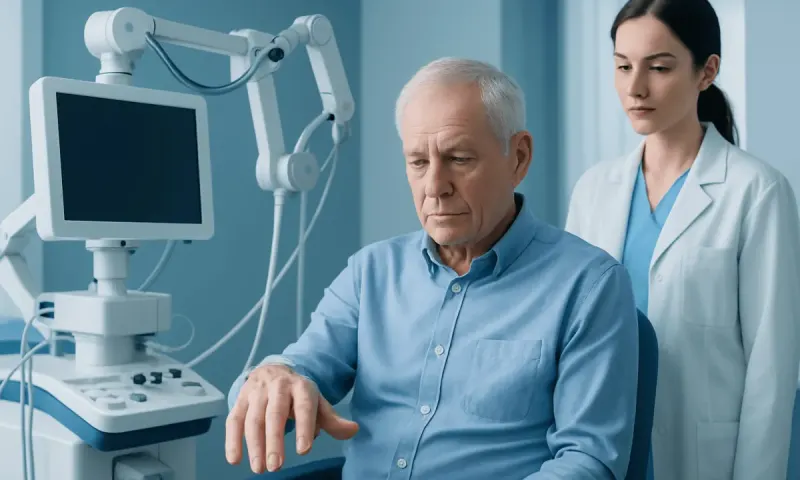
Seizure Symptoms: Possible Causes and When to Seek Care
Have you ever watched someone stare into space for a few seconds, then carry on as if nothing happened? That can be a seizure. So can shaking, sudden confusion, an odd smell or a brief loss of consciousness.
Not every seizure looks dramatic. Knowing the different patterns — and knowing when to get urgent help — can make the difference in getting the right evaluation and treatment.
Overview: what seizure symptoms can look like
Seizure symptoms happen when there is a sudden burst of abnormal electrical activity in the brain. The signs depend on which part of the brain is involved and how far that activity spreads. Because of this, one person may have full-body shaking, while another may only have a brief staring spell, unusual smell, tingling feeling, or a short period of confusion.
Many people picture a seizure as falling to the ground with jerking movements, but that is only one possible pattern. Some seizures are subtle and easy to miss, especially when they cause momentary pauses, lip-smacking, hand movements, or a blank stare. In children and older adults, the symptoms may be mistaken for daydreaming, fainting, or memory problems.
Think of a seizure as a symptom rather than a diagnosis. It can happen once because of a temporary trigger, or it may be part of a long-term condition such as epilepsy. What we look at is the symptoms plus the story around them — that is how we work out the likely cause and whether you need urgent care, testing, or ongoing treatment.
Common seizure symptoms
Seizure symptoms may begin suddenly and last from a few seconds to a few minutes. Some people stay aware during the episode, while others lose awareness or consciousness. A person may also have a warning feeling before the seizure, sometimes called an aura, such as fear, déjà vu, a rising sensation in the stomach, flashing lights, or an unusual taste or smell.
Symptoms can include:
- Blank staring or brief unresponsiveness
- Sudden confusion or inability to speak
- Rhythmic jerking of the arms, legs, or face
- Muscle stiffening
- Lip-smacking, chewing, swallowing, or repetitive hand movements
- Loss of awareness, collapse, or loss of consciousness
- Sudden falls
- Tingling, visual changes, or unusual sensations
- Loss of bladder control in some cases
- Tiredness, headache, or confusion afterward
After a seizure, many people go through a recovery phase called the postictal period. They may feel sleepy, sore, embarrassed, confused, or have trouble remembering what happened. This recovery period can last minutes to hours, depending on the seizure type and its cause.
Not everything that looks like a seizure is epilepsy. Fainting, migraine, sleep disorders, Neurology Evaluation" class="ahp-ilk">movement disorders, panic attacks and low blood sugar can all look similar. That is exactly why a first episode deserves a proper check.
Different types of seizures and how they present

Doctors often describe seizures based on where they start in the brain and whether awareness is affected. Focal seizures begin in one area of the brain. They may cause twitching in one part of the body, sensory symptoms, emotional changes, speech difficulty, or altered awareness with repetitive movements such as picking at clothes or lip-smacking.
Generalized seizures involve both sides of the brain from the beginning. These may include tonic-clonic seizures with stiffening and jerking, absence seizures with brief staring and interruption of activity, myoclonic seizures with sudden muscle jerks, atonic seizures with loss of muscle tone and falls, or tonic seizures with sudden stiffness.
Sometimes the symptoms are especially subtle. A child with absence seizures may simply stop talking for a few seconds and then continue as if nothing happened. An adult with focal impaired awareness seizures may seem awake but confused, wander, or not respond normally. In these situations, family members or coworkers are often the first to notice a pattern.
Seizures can also occur in the setting of other brain conditions. For example, a seizure may happen after a stroke or with certain brain injuries, infections, or structural changes. Identifying the seizure type helps guide testing and treatment choices.
Possible causes and risk factors
Seizures have many possible causes. Some are acute and reversible, while others reflect an ongoing tendency of the brain to have seizures. A single seizure may be triggered by fever, severe sleep deprivation, low blood sugar, abnormal sodium levels, alcohol withdrawal, certain drugs, medication side effects, or an infection affecting the brain.
Longer-term causes include epilepsy, prior head injury, stroke, brain tumors, developmental brain differences, genetic conditions, and neurodegenerative disorders. In infants and children, fever-related seizures can occur, while in older adults, stroke and other brain diseases become more common causes. Some people never have a clear cause identified even after testing.
Risk factors that may increase the chance of a seizure include a personal or family history of seizures, previous brain infection, traumatic brain injury, heavy alcohol use, substance misuse, and serious metabolic disturbances. Missing prescribed anti-seizure medication can also raise the risk in someone already diagnosed with epilepsy.
Triggers do not cause epilepsy in everyone, but they can provoke seizures in susceptible people. Common triggers include missed sleep, physical stress, illness, alcohol withdrawal, flashing lights in a small number of people, and missing medicines. Keeping track of when symptoms happen may help reveal a pattern that can be discussed with a doctor.
How doctors diagnose seizure symptoms
Diagnosis starts with a careful history. Because many people do not remember the event, doctors often ask a witness to describe exactly what happened before, during, and after the episode. Details such as staring, skin color, body stiffening, eye deviation, jerking, tongue biting, confusion, and recovery time can help distinguish a seizure from fainting or other conditions.
A neurological exam and blood tests may be used to look for triggers such as infection, electrolyte imbalance, or low blood sugar. Brain imaging, often with MRI and sometimes CT in urgent situations, helps identify structural causes such as bleeding, injury, or changes after a stroke. In selected cases, doctors may also recommend tests to look for infection or inflammation.
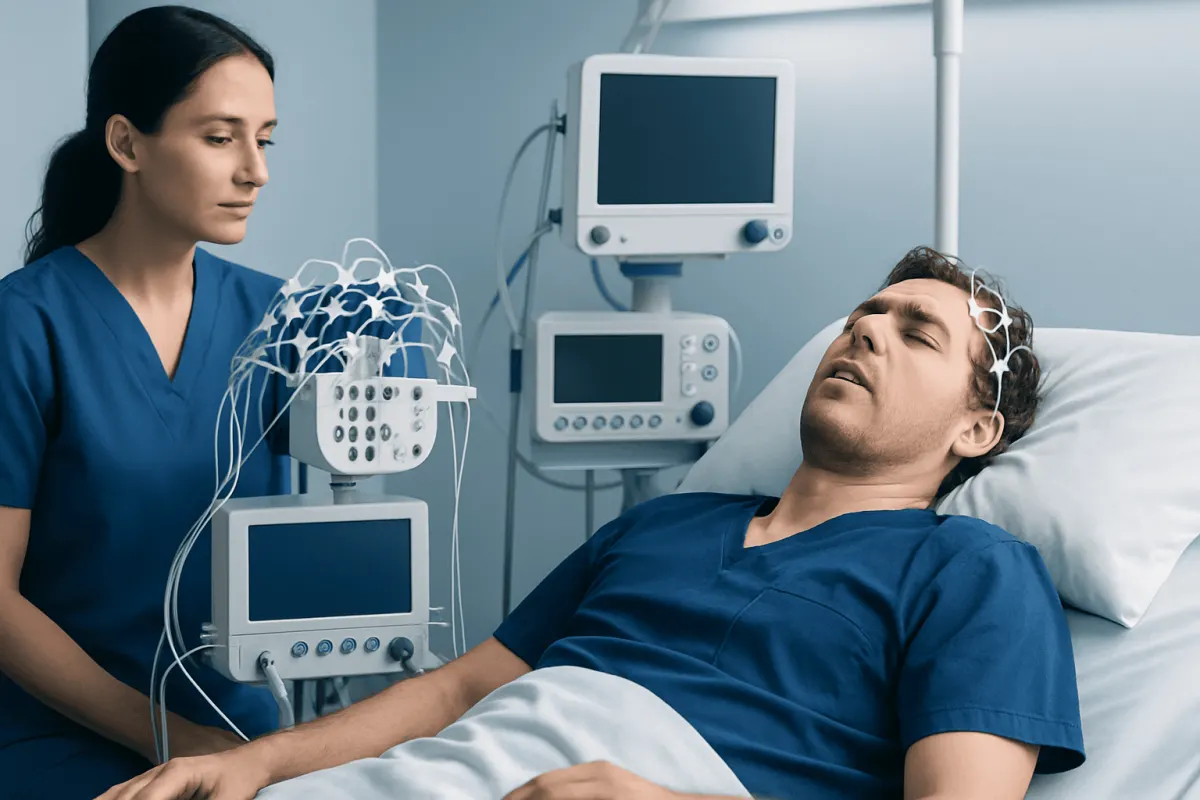
An electroencephalogram, or EEG, records the brain’s electrical activity and can support the diagnosis by showing patterns linked to seizures. Depending on the situation, the doctor may request routine EEG testing, sleep-deprived EEG, or longer video-EEG monitoring. Some patients also benefit from advanced evaluation through EEG testing or other neurodiagnostic studies.
Since so many conditions imitate seizures, getting to an answer can take time. You may be asked to keep a symptom diary, or to film the next episode on a phone if it is safe to do so. We are not only asking “was this a seizure?” — we also want to know which type, and why.
Treatment options and immediate first aid
Treatment depends on why the seizure happened. If it was triggered by a reversible problem, such as low blood sugar, infection, or a medication issue, treating that cause may prevent another seizure. If a person is diagnosed with epilepsy or recurrent seizures, doctors may recommend anti-seizure medicines chosen according to seizure type, age, other health conditions, and possible side effects.
Some people with difficult-to-control seizures need additional evaluation. Depending on the cause, care may involve epilepsy treatment, dietary strategies, implanted devices, or in selected cases epilepsy surgery. If a structural brain problem is contributing, treatment may also involve specialist assessment and imaging.
During a seizure, the safest first aid is usually simple. Move nearby objects away, cushion the head if the person has fallen, and gently turn them onto their side when possible. Do not put anything in the person’s mouth, do not restrain their movements, and do not give food, drink, or medicine until they are fully alert.
After the seizure ends, stay with the person and offer calm reassurance. Check for injuries and note how long the event lasted. If this is a first seizure, if recovery is unusually slow, or if there are any red-flag symptoms, urgent medical evaluation is important.
Prevention, daily safety, and self-care
You cannot prevent every seizure, but cutting down triggers and sticking to your treatment plan lowers the risk. People who have had seizures are often advised to take medicines exactly as prescribed, avoid abruptly stopping alcohol or sedatives without medical guidance, sleep regularly, and manage general health conditions such as diabetes. Stress management and consistent routines may also help some people.
Safety planning matters because loss of awareness can happen without warning. A doctor may discuss precautions around driving, swimming alone, heights, cooking over open flames, or operating machinery. The advice depends on the person’s diagnosis, seizure control, and local regulations.
Family members and coworkers may benefit from learning seizure first aid. A written plan can explain what the person’s typical symptoms look like, when to call emergency services, and whether rescue medication has been prescribed by a clinician. Recording possible triggers, missed medicines, and recovery times can make follow-up visits more useful.
If your symptoms are unclear or keep coming back, it helps to be seen by a team rather than a single doctor. Acıbadem Health Point’s multidisciplinary specialists in JCI-accredited hospitals diagnose and treat seizure disorders for international patients, including advanced assessment in these harder cases.
When to seek medical care
Emergency care is needed for a first seizure, a seizure lasting more than about five minutes, repeated seizures without full recovery between them, or any episode involving breathing difficulty, serious injury, pregnancy, or diabetes. Urgent help is also important if the seizure happens in water, if the person does not wake up as expected, or if there are new weakness, trouble speaking, or other signs that raise concern for a structural brain condition or another neurological emergency.
Prompt non-emergency medical care is also important even when the episode is brief. A doctor should evaluate recurrent staring spells, unexplained collapses, jerking episodes during sleep, or short periods of confusion or memory gaps. These symptoms may be subtle seizures or another condition that still needs diagnosis.
Write down what you saw — it helps more than you think. If possible, note the time the episode started, what the person was doing beforehand, whether there was a warning sensation, what movements or behaviors occurred, and how long recovery took. This information can make evaluation faster and more accurate.
Frequently asked questions
01Can seizure symptoms happen without shaking?
Yes. Seizure symptoms do not always include full-body shaking. Some seizures cause staring, confusion, unusual sensations, speech changes, repetitive movements, or a brief loss of awareness.
02What should someone do if another person is having a seizure?
The main steps are to protect the person from injury, move dangerous objects away, and turn them onto their side if possible. It is important not to hold them down and not to put anything in their mouth. Emergency help is needed if the seizure is prolonged, repeated, or linked to injury or breathing problems.
03Does one seizure mean a person has epilepsy?
Not necessarily. A single seizure can happen because of a temporary trigger such as low blood sugar, fever, alcohol withdrawal, or an infection. Epilepsy is usually diagnosed when there is an ongoing tendency to have unprovoked seizures.
04How long do seizure symptoms usually last?
Many seizures last seconds to a few minutes, although the recovery period can last longer. If a seizure lasts more than about five minutes or if seizures happen back-to-back without recovery, it should be treated as a medical emergency.
05Can stress or lack of sleep trigger seizure symptoms?
They can in some people. Sleep deprivation, physical stress, illness, and missed anti-seizure medication are common triggers for those who are prone to seizures. Avoiding known triggers may help reduce the chance of another episode.
06What tests are used to evaluate seizure symptoms?
Doctors often use a medical history, witness description, neurological examination, blood tests, and brain imaging such as MRI or CT. An EEG is also commonly used to look for patterns of abnormal brain electrical activity that support the diagnosis.
This article is for general information only and is not a substitute for professional medical advice. Please consult a qualified doctor about your individual situation.
Persistent digestive symptoms? Get evaluated in Turkey
JCI-accredited · board-certified surgeons · reply within 24h
Add us as a Preferred Source to see more of our trusted health content across Google Search, AI Overviews and Discover.