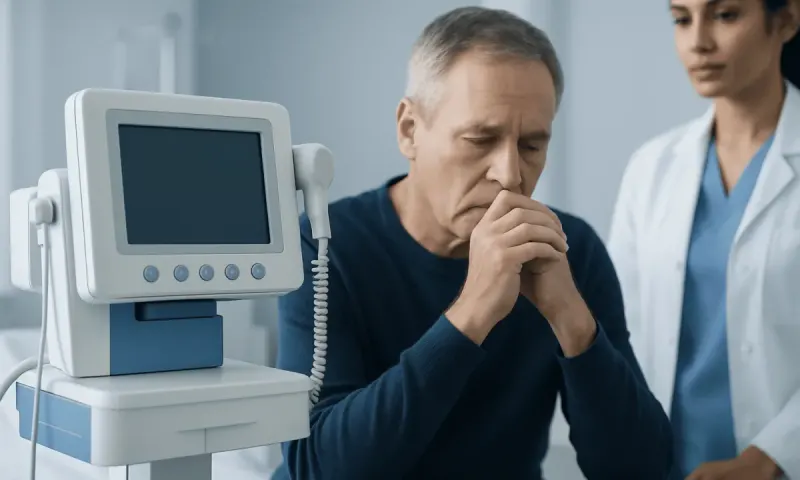
Can You Have a Stroke in Your Sleep? Warning Signs
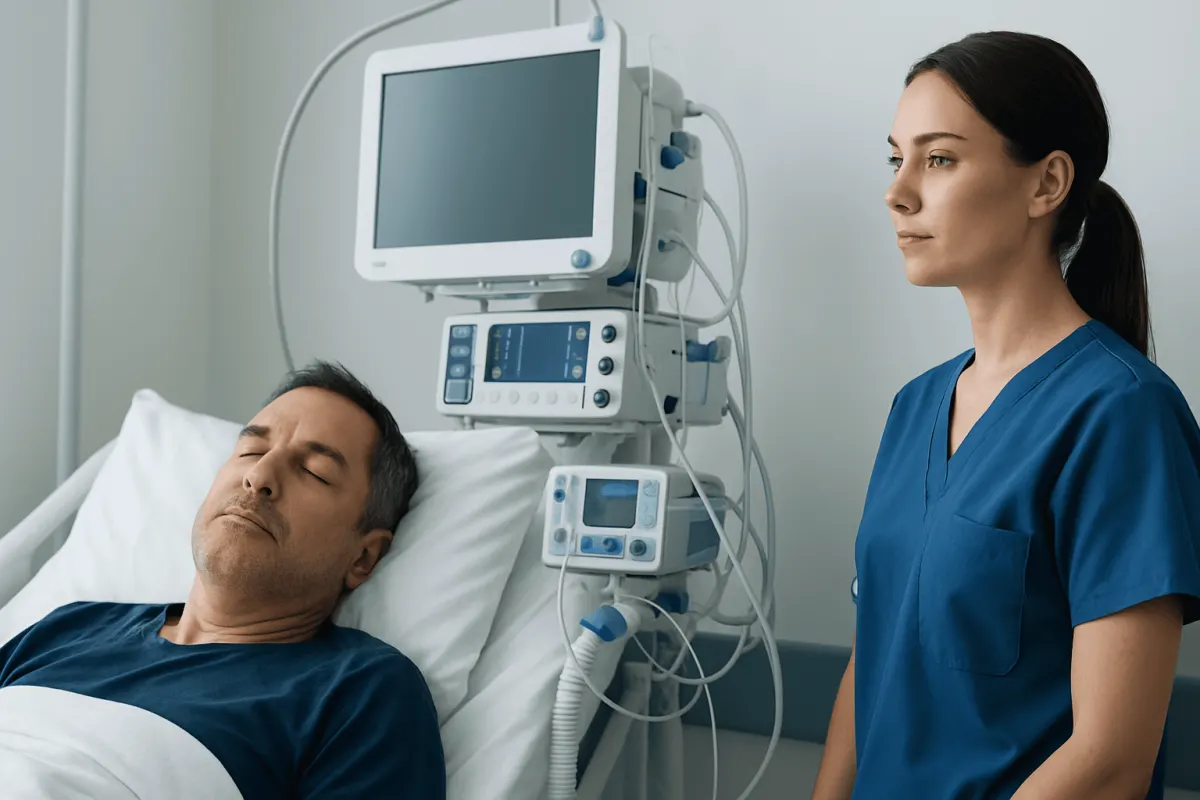
Yes, a stroke can begin while a person is asleep and may first be noticed on waking. Most morning symptoms, such as stiffness, fatigue, or brief dizziness, are not caused by stroke, but sudden neurological changes require urgent assessment because rapid treatment may be possible.
Can a stroke happen during sleep?
Yes, a person can have a stroke while asleep. This is commonly described as a wake-up stroke because the person was last known to be well before going to sleep and notices symptoms only when they wake. In many cases, morning weakness, tingling, headache, or grogginess has a harmless explanation, such as sleeping in an awkward position, dehydration, or poor sleep. However, sudden symptoms affecting the face, arm, leg, speech, vision, or balance should never be assumed to be sleep-related.
A stroke occurs when part of the brain does not receive enough blood or when bleeding happens in or around the brain. Brain cells need a constant supply of oxygen, so a stroke is a medical emergency. If symptoms are present on waking, emergency services should be contacted immediately rather than waiting to see whether they improve.
Not knowing the precise start time does not mean help is unavailable. Emergency stroke teams use information from the examination and specialized brain scans to evaluate the brain and determine which treatments may be suitable. Prompt arrival at an emergency department gives the care team the best opportunity to assess the situation.
Symptoms that may be noticed on waking
Stroke symptoms often begin suddenly. A person may wake and find that one side of the face feels numb or looks uneven, one arm or leg is weak, or words are difficult to say or understand. Some people notice a sudden loss of vision in one eye, double vision, new severe unsteadiness, or a severe headache unlike usual headaches.
A useful memory aid is FAST: Face drooping, Arm weakness, Speech difficulty, and Time to call emergency services. Other warning signs are equally important, particularly sudden confusion, trouble walking, loss of coordination, new numbness on one side, or sudden vision changes.
- New weakness or numbness of the face, arm, or leg, especially on one side
- Slurred speech, inability to speak clearly, or difficulty understanding others
- Sudden loss or disturbance of vision
- Sudden dizziness with trouble standing, walking, or coordinating movements
- A sudden, unusually severe headache, particularly with vomiting, drowsiness, or neck stiffness
Symptoms that disappear after a few minutes still need urgent medical attention. They may indicate a transient ischemic attack (TIA), sometimes called a mini-stroke, which can be a warning that a larger stroke could occur. A clinician can distinguish possible stroke symptoms from conditions such as migraine, seizures, low blood sugar, or nerve compression.
Why can strokes occur overnight?
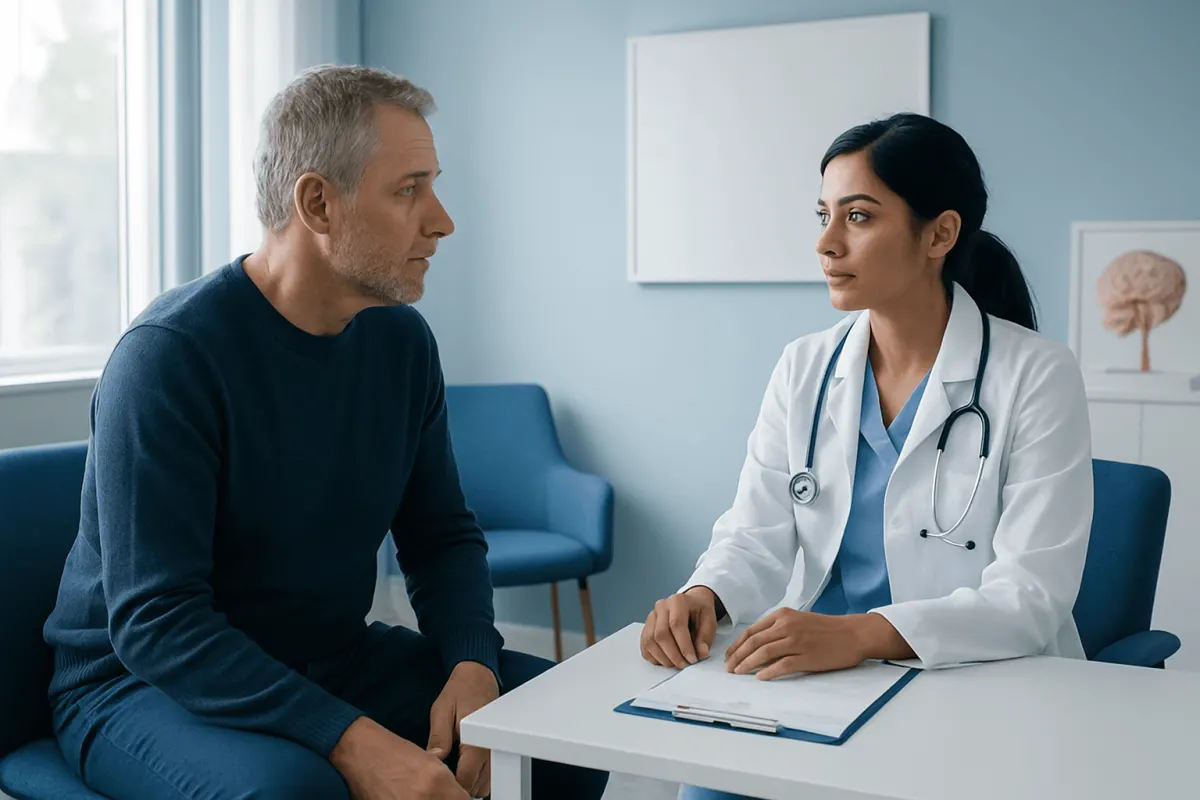
Sleep itself does not usually cause a stroke. Instead, a stroke may occur overnight because underlying blood vessel or heart-related risks remain present around the clock. The body’s blood pressure, heart rate, hormone levels, and blood clotting activity also change during sleep and on waking, which may contribute to vulnerability in people who already have risk factors.
Most strokes are ischemic strokes, caused by a clot blocking blood flow to part of the brain. Clots may form in narrowed arteries or travel from the heart, including in people with atrial fibrillation, an irregular heart rhythm. A smaller proportion are hemorrhagic strokes, caused by a weakened blood vessel that leaks or ruptures.
Risk factors include high blood pressure, diabetes, high cholesterol, smoking, obesity, physical inactivity, excessive alcohol use, and a personal or family history of vascular disease. Age can raise risk, but stroke can occur in younger adults as well. Conditions such as atrial fibrillation deserve careful management because they can substantially increase the chance of clot-related stroke.
Obstructive sleep apnea is also relevant. During apnea episodes, breathing repeatedly pauses or becomes shallow, which can lower oxygen levels and place stress on the heart and blood vessels. Persistent loud snoring, witnessed pauses in breathing, choking during sleep, and excessive daytime sleepiness should be discussed with a doctor, especially when other stroke risk factors are present.
What doctors do after a possible wake-up stroke
Emergency assessment begins with checking vital signs, blood glucose, symptoms, medical history, and the time the person was last known to be well. Clinicians perform a focused neurological examination to assess strength, sensation, speech, vision, coordination, and alertness. It is helpful for family members or caregivers to share when the person went to sleep normally and when symptoms were first noticed.
Brain imaging is central to diagnosis. A CT scan can quickly identify bleeding and rule out some other causes of sudden neurological symptoms. Depending on the situation, CT angiography, CT perfusion imaging, or MRI may provide more detail about blood vessels, the area affected, and whether there is brain tissue that could potentially be protected with treatment.
Blood tests, an electrocardiogram, heart monitoring, and imaging of the neck or brain blood vessels may help identify the cause. Doctors may also evaluate blood pressure, cholesterol, diabetes, and sleep-related breathing problems. These investigations guide both urgent care and longer-term prevention.
Some patients with selected imaging findings may be considered for time-sensitive treatments even when they wake with symptoms. This decision is individualized and depends on scan results, the suspected type of stroke, medical history, and the availability of appropriate treatment. It should always be made by an emergency stroke team.
Treatment and recovery considerations
Stroke treatment depends on whether the stroke is caused by a clot or bleeding, how much time may have passed, the imaging findings, and the person’s overall health. For certain ischemic strokes, doctors may use clot-dissolving medication or a catheter-based procedure to remove a clot from a large brain artery. Hemorrhagic stroke requires a different approach focused on controlling bleeding, blood pressure, and other complications.
After emergency treatment, the care team works to prevent another stroke. This may include medicines to manage blood pressure, cholesterol, blood sugar, or heart rhythm, as well as antiplatelet or anticoagulant medicines when appropriate. Medication choices must be individualized, particularly because some medicines may not be safe for every type of stroke.
Rehabilitation can begin in hospital and may involve physiotherapy, occupational therapy, speech and language therapy, and psychological support. Recovery varies widely. Some people improve quickly, while others need longer-term assistance to regain mobility, communication, swallowing, memory, or independence. Stroke rehabilitation is tailored to the person’s specific needs and goals.
Acıbadem Health Point’s multidisciplinary specialists and JCI-accredited hospitals evaluate and treat stroke for international patients, including emergency assessment, neurological care, and rehabilitation planning when needed.
Prevention and practical steps for better sleep health
Many stroke risks can be reduced, even though not every stroke can be prevented. Regular blood pressure checks are particularly important because high blood pressure often has no noticeable symptoms. People should work with a clinician to manage diabetes, cholesterol, heart rhythm conditions, and any medicines prescribed for vascular health.
Everyday habits also matter. A balanced eating pattern, regular physical activity appropriate for the individual, avoiding tobacco, limiting alcohol, maintaining a weight that supports health, and getting adequate sleep all support heart and blood vessel health. People should not stop prescribed blood pressure, cholesterol, diabetes, or anticoagulant medicines without medical advice.
Possible sleep apnea deserves assessment rather than self-treatment. A sleep study may be recommended when symptoms and risk factors suggest disrupted breathing during sleep. Treating sleep apnea can improve sleep quality and may help address cardiovascular risk as part of a wider prevention plan.
For a person who has already had a stroke or TIA, follow-up appointments are essential. Clinicians may recommend additional testing and personalized measures to address the specific cause. Learning the individual warning signs and making an emergency plan with family members can also be valuable.
When to seek medical care
Seek emergency medical care immediately for any sudden weakness, numbness, facial drooping, speech difficulty, vision loss, severe imbalance, confusion, or unusual severe headache. This is true even if the symptoms began during sleep, were first found on waking, or are improving. Do not drive yourself to the hospital; call local emergency services so assessment can begin as quickly as possible.
Urgent assessment is also needed for brief, resolved symptoms that could represent a TIA. A TIA does not cause lasting injury in the same way as a stroke, but it can signal a higher short-term risk of stroke and needs prompt investigation.
Arrange a non-emergency medical appointment for recurring morning headaches, loud habitual snoring, witnessed breathing pauses, daytime sleepiness, palpitations, poorly controlled blood pressure, or other concerns about stroke risk. These symptoms do not necessarily mean a stroke has occurred, but addressing them can support long-term health.
Frequently asked questions
01Can you have a stroke in your sleep without waking up?
Yes. A stroke can begin during sleep, and a person may not notice symptoms until waking. This is often called a wake-up stroke because the exact onset time is unknown. Any new neurological symptoms noticed on waking require emergency evaluation.
02How do I know whether I slept on my arm or had a stroke?
Sleeping on an arm can cause temporary tingling or numbness that improves after changing position and does not usually affect speech, facial movement, vision, or walking. Stroke symptoms are often sudden and may include one-sided weakness, facial drooping, speech problems, vision changes, or loss of balance. When there is any uncertainty, emergency assessment is the safest choice.
03Can a stroke cause someone to sleep more than usual?
A stroke can cause unusual drowsiness, reduced alertness, or difficulty waking, particularly if it affects certain parts of the brain or is severe. These changes can also have many other causes, including infection, medication effects, and low blood sugar. Sudden or unexplained drowsiness with neurological symptoms needs emergency care.
04Is a headache when waking up a sign of stroke?
Most morning headaches are not caused by stroke and may relate to poor sleep, dehydration, migraine, teeth grinding, or sleep apnea. A sudden, severe headache that is unusual for the person, especially with vomiting, weakness, confusion, neck stiffness, or visual symptoms, needs immediate emergency assessment.
05Does sleep apnea increase the risk of stroke?
Obstructive sleep apnea is associated with higher cardiovascular and stroke risk, especially when it is untreated and other risk factors are present. It can cause repeated breathing interruptions and changes in oxygen levels during sleep. A doctor can assess symptoms and arrange testing when appropriate.
06What should family members do if someone wakes with possible stroke symptoms?
They should call local emergency services immediately and note when the person was last known to be well, such as the time they went to sleep normally. They should not give food, drink, or unprescribed medication, as swallowing may be affected and treatment decisions require medical assessment. Staying with the person and noting changes in symptoms can help emergency clinicians.
This article is for general information only and is not a substitute for professional medical advice. Please consult a qualified doctor about your individual situation.
Explore treatments in Turkey — costs, top hospitals & a free quote
JCI-accredited · board-certified surgeons · reply within 24h
Add us as a Preferred Source to see more of our trusted health content across Google Search, AI Overviews and Discover.