How Do Doctors Define Epilepsy and Its Seizures?
Epilepsy is a neurological condition in which a person has an enduring tendency to experience recurrent unprovoked seizures. Seizures can look very different from one person to another, and many people with epilepsy can achieve good seizure control with appropriate medical care.
What does it mean to define epilepsy?
To define epilepsy, it is a chronic disorder of the brain characterized by an ongoing tendency to have epileptic seizures. An epileptic seizure happens when there is a sudden burst of abnormal, excessive electrical activity in part of the brain. This temporary change can affect how a person moves, feels, thinks, behaves, or responds to the world around them.
Having one seizure does not always mean a person has epilepsy. A seizure may occur in certain short-term circumstances, such as a very low blood sugar level, alcohol withdrawal, a high fever in a young child, or an acute brain injury. Epilepsy is generally considered when a person has had two unprovoked seizures occurring more than 24 hours apart, or one unprovoked seizure with a high likelihood of further seizures based on clinical assessment.
Epilepsy is not one single disease. It is a group of conditions with different causes, seizure types, ages of onset, and outcomes. Some forms begin in childhood and may improve over time, while others start later in life or require long-term management. A diagnosis does not define a person’s abilities or future; treatment plans are individualized and can support safety, independence, education, work, and quality of life.
How epilepsy and seizures differ
A seizure is an event, whereas epilepsy is the underlying condition that creates a repeated susceptibility to unprovoked seizures. Seizures are classified according to where they begin in the brain and whether awareness is affected. Understanding this difference helps clinicians choose suitable tests and treatment options.
Focal seizures start in one side of the brain. A person may remain aware and notice unusual sensations, such as a rising feeling in the stomach, tingling, a strange smell or taste, fear, déjà vu, or visual changes. In other focal seizures, awareness is impaired, and the person may stare, seem confused, make repetitive movements such as lip-smacking or picking at clothes, and have little memory of the event afterward.
Generalized seizures involve networks on both sides of the brain from the beginning. They may cause brief staring episodes, sudden muscle jerks, loss of muscle tone, stiffening, rhythmic jerking, or a combination of these features. A tonic-clonic seizure, sometimes called a convulsive seizure, can involve loss of consciousness, body stiffening, and repeated jerking. However, it is important not to assume that all epilepsy looks like convulsions.
Possible symptoms and what a seizure may look like

Seizure symptoms depend on the area of the brain involved. Some episodes are noticeable to others, while others are subtle and may initially be mistaken for daydreaming, panic, migraine symptoms, fainting, sleep problems, or changes in behavior. A person may experience an aura before certain focal seizures; an aura is itself a seizure symptom and can provide a warning that a larger event may follow.
Possible signs include a brief loss of awareness, staring, unresponsiveness, confusion, repetitive movements, sudden falls, stiffening, jerking, eye deviation, changes in speech, unusual sensations, or involuntary emotional expressions. After a seizure, some people feel tired, have a headache, experience muscle soreness, or remain confused for minutes to hours. This recovery phase is called the postictal period.
A detailed witness account can be highly useful. If it is safe to do so, a family member or bystander may note when the event began, what happened before it, body movements, skin color, breathing, responsiveness, and how long recovery took. A brief video recorded safely and respectfully can sometimes assist a clinician, but no one should delay first aid or put themselves at risk to record an episode.
Causes and factors linked with epilepsy
In many people, the precise cause of epilepsy cannot be identified. In others, it may be related to genetic factors, differences in brain development, a head injury, stroke, infection affecting the brain, a brain tumor, lack of oxygen around birth, or changes associated with aging. Some people have a family history of seizures, but epilepsy is not always inherited directly from a parent.
Risk factors for developing epilepsy vary by age and medical history. Brain injuries, certain infections, stroke, dementia, and complications around birth can increase risk. Having a febrile seizure in childhood usually does not lead to epilepsy, although a small number of children may need further evaluation depending on their history and the nature of the seizure.
Triggers do not cause epilepsy itself, but they can make seizures more likely in someone who already has the condition. Common triggers may include missed medication, poor sleep, emotional stress, illness, alcohol or recreational drug use, and flashing lights for a small minority of people with photosensitive epilepsy. Identifying personal patterns can help a person and their care team develop a practical seizure-management plan.
How epilepsy is diagnosed
Diagnosis begins with a careful medical history. A clinician will ask about the event, previous symptoms, medical conditions, medicines, sleep, substance use, family history, and any recent illness or injury. Because people often do not remember a seizure clearly, information from someone who saw the event can be especially valuable.
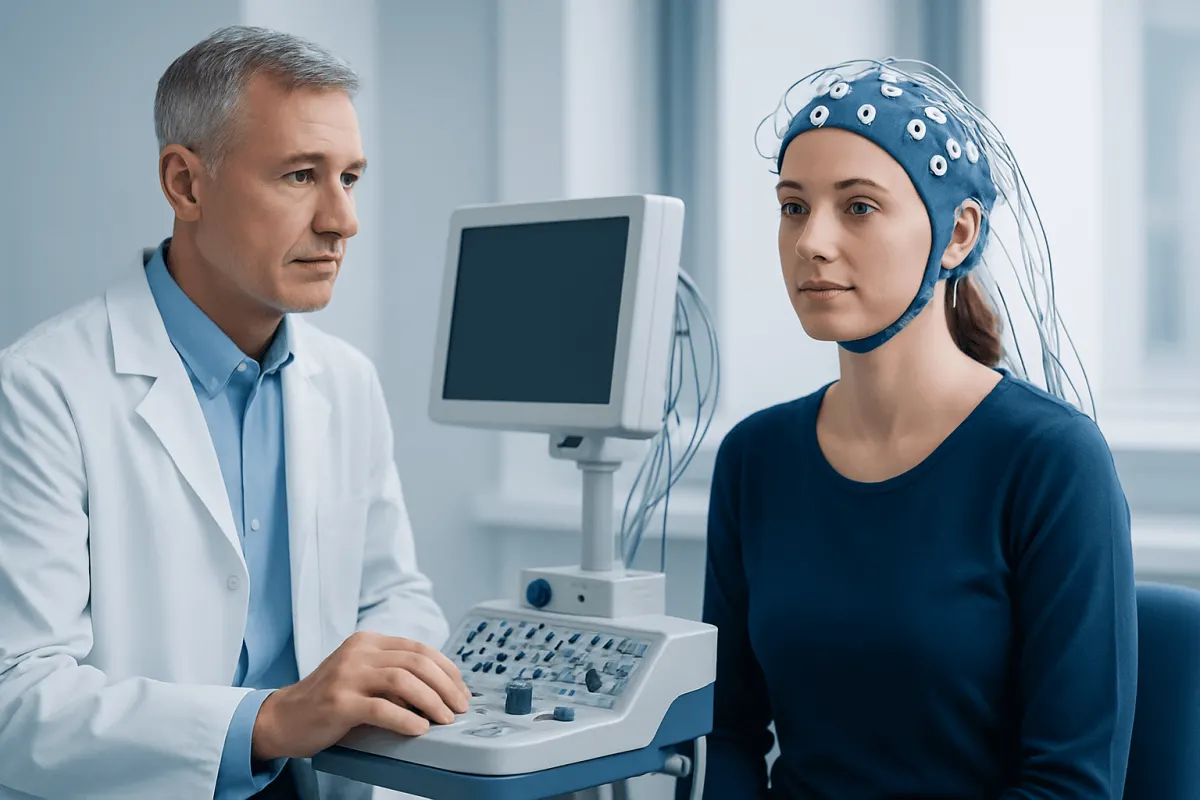
An electroencephalogram, or EEG, records the brain’s electrical activity and may identify patterns that support an epilepsy diagnosis or help classify seizure type. A normal EEG does not rule out epilepsy, because abnormal activity may not occur during the recording. Longer recordings, sleep-deprived EEGs, or video EEG monitoring may be recommended in some circumstances.
Brain imaging, usually magnetic resonance imaging (MRI), may be used to look for structural changes that could contribute to seizures. Blood tests may help identify temporary causes of a seizure, such as changes in glucose or electrolytes. Clinicians may also consider other conditions that can resemble seizures, including fainting, heart rhythm problems, migraine, sleep disorders, and functional neurological symptoms.
Treatment options and daily management
Anti-seizure medicines are the usual first treatment for epilepsy. The choice depends on seizure type, age, sex, other health conditions, possible pregnancy, other medicines, and potential side effects. Medicines can reduce or stop seizures for many people, but they should be taken consistently and should not be stopped suddenly without medical advice, as abrupt withdrawal can provoke seizures.
If seizures continue despite appropriately chosen medicines, a specialist may assess whether other options are suitable. These may include epilepsy surgery for a clearly identified seizure focus, neurostimulation devices, or specialized dietary therapy in selected patients. The goal is not only seizure reduction but also minimizing treatment effects and supporting everyday functioning.
Self-care supports medical treatment. Regular sleep, taking medicines as prescribed, avoiding known triggers, attending follow-up appointments, and discussing pregnancy planning early are important. A seizure diary can record episodes, possible triggers, medication adherence, menstrual patterns when relevant, and recovery symptoms. This information can help guide treatment adjustments.
Acıbadem Health Point’s multidisciplinary specialists and JCI-accredited hospitals assess and treat epilepsy for international patients, with care plans based on seizure type, test findings, and individual needs.
Safety, support, and everyday life
Many people with epilepsy lead active lives, including working, studying, traveling, exercising, and participating in social activities. Practical safety measures should be individualized according to seizure control and seizure type. Examples may include showering rather than bathing alone, using caution around heights and open flames, and ensuring trusted people know how to provide seizure first aid.
Driving regulations differ by country and are often based on seizure-free periods and medical advice. A person who has had a seizure should discuss driving, employment tasks, swimming, and other potentially high-risk activities with their clinician. It may be helpful to wear medical identification or carry a seizure action plan, particularly for people with ongoing seizures.
During a convulsive seizure, bystanders should remain calm, protect the person from injury, gently turn them onto their side when possible, loosen tight clothing around the neck, and time the seizure. They should not restrain the person, put anything in their mouth, or give food, drink, or medication until the person is fully alert. Emotional support matters as well, as epilepsy can affect confidence, mood, relationships, and social participation.
When to seek medical care
Anyone who has a first suspected seizure should receive prompt medical assessment, even if they feel well afterward. A clinician can determine whether the event may have been a seizure, investigate possible causes, and advise on safety while evaluation is underway. New or changing episodes in a person already diagnosed with epilepsy should also be discussed with their treating team.
Emergency medical care is needed if a seizure lasts more than five minutes, if seizures occur repeatedly without full recovery between them, or if the person has trouble breathing or does not regain consciousness as expected. Emergency help is also appropriate after a significant injury, a seizure in water, a seizure during pregnancy, or a first convulsive seizure.
People with an established epilepsy action plan should follow its instructions, including any clinician-prescribed rescue medicine plan. Family members and caregivers may benefit from learning seizure first aid and discussing in advance when emergency services should be called. Timely, calm support can improve safety during and after an event.
Frequently asked questions
01What is the simplest definition of epilepsy?
Epilepsy is a neurological condition that causes an ongoing tendency to have recurrent unprovoked seizures. These seizures result from temporary abnormal electrical activity in the brain and can affect awareness, movement, sensation, or behavior.
02Can a person have one seizure without having epilepsy?
Yes. A single seizure does not automatically mean epilepsy, particularly if it occurs during a temporary medical problem such as severe low blood sugar, alcohol withdrawal, or an acute illness. A clinician can assess the event and estimate the likelihood of future seizures.
03Are all epileptic seizures convulsions?
No. Some seizures cause convulsions, but many do not. They may appear as brief staring, confusion, repetitive movements, sudden falls, unusual feelings, or a short loss of awareness.
04Can epilepsy be cured?
Some people become seizure-free with medication, and some childhood epilepsy syndromes resolve over time. For selected people whose seizures do not respond to medicine, surgery or other specialist treatments may provide substantial improvement or seizure freedom, but outcomes vary.
05What should someone do during a seizure?
Stay with the person, move harmful objects away, cushion their head if possible, and time the seizure. Do not restrain them or put anything in their mouth. Call emergency services if the seizure lasts more than five minutes, repeats without recovery, or involves concerning features such as injury or breathing difficulty.
06Can people with epilepsy work, exercise, and travel?
In many cases, yes. Most people can take part in work, exercise, and travel with appropriate treatment, planning, and individualized safety advice. Restrictions may be needed for activities such as driving, working at heights, or unsupervised water activities, depending on seizure control.
This article is for general information only and is not a substitute for professional medical advice. Please consult a qualified doctor about your individual situation.
Persistent digestive symptoms? Get evaluated in Turkey
JCI-accredited · board-certified surgeons · reply within 24h
Add us as a Preferred Source to see more of our trusted health content across Google Search, AI Overviews and Discover.