Cheapest Teeth Braces: Costs and Safe Treatment
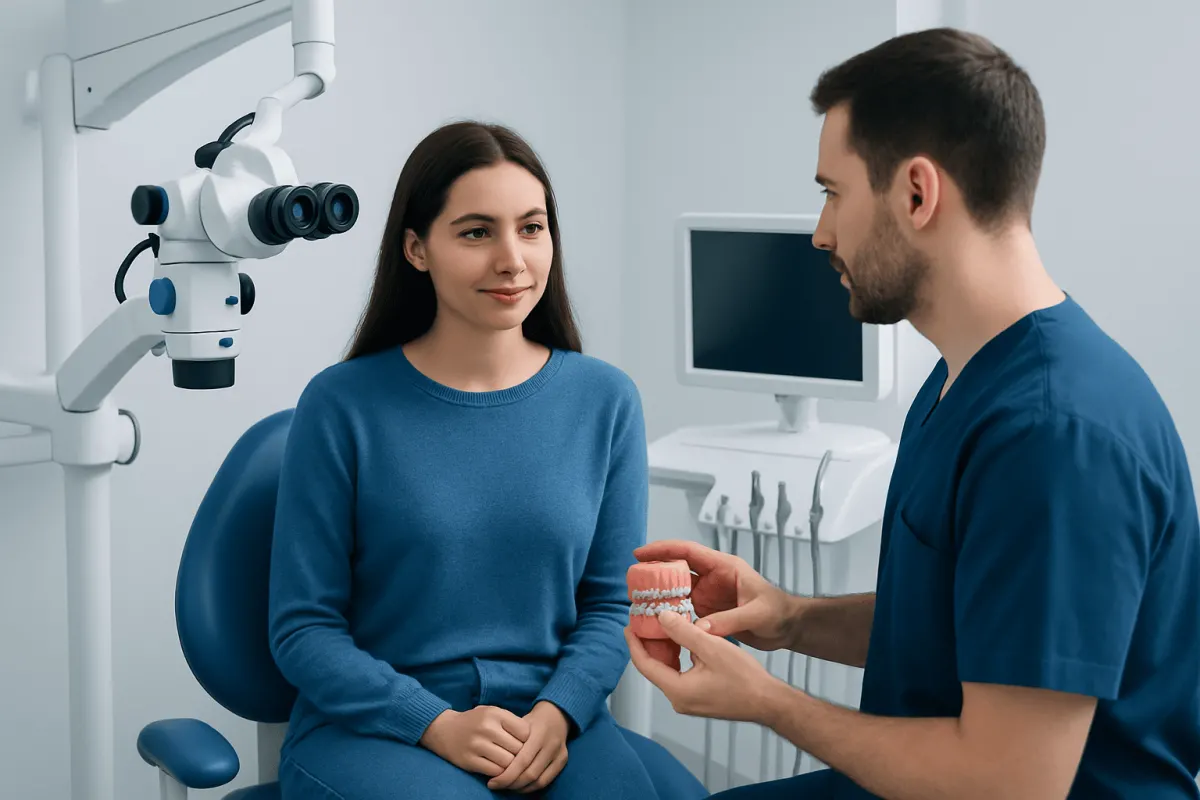
The cheapest teeth braces are often conventional metal braces, but the right option depends on the bite problem, treatment complexity, local fees and the level of follow-up care required. Patients may reduce costs through insurance, payment plans, dental schools, public programs or specialist assessment, without compromising on safety.
Overview: What Are the Cheapest Teeth Braces?
For many patients, the cheapest teeth braces are conventional metal braces. They have a long record of use, can correct a broad range of tooth-position and bite concerns, and usually cost less than less-visible options such as ceramic braces or clear aligners. However, there is no single lowest safe price: fees depend on the country, orthodontic complexity, length of care, records, follow-up appointments and retainers.
Braces should be viewed as a course of supervised orthodontic care rather than a product alone. A lower initial quote may not include necessary X-rays, cleaning or gum treatment, repairs, emergency visits, removal of the braces, or retainers. Asking what is included in the treatment plan can make comparisons clearer and help avoid unexpected costs.
Some people seek treatment mainly for appearance, while others have crowding, spacing, teeth that do not meet properly, difficulty cleaning certain areas, or bite-related functional concerns. An orthodontist or dentist can assess whether treatment is advisable and whether a simpler, less costly approach can safely meet the person’s goals.
How Braces Work and Who May Be a Candidate
Fixed braces use small brackets attached to the teeth and a wire that applies gentle, controlled forces over time. The orthodontist changes or adjusts the wire at planned visits. As the teeth move, the surrounding bone gradually remodels, allowing them to settle into new positions.
Children, teenagers and adults may be candidates for braces. Children are often assessed while the jaws and permanent teeth are developing, but adults can also benefit if their teeth and gums are healthy enough for tooth movement. There is no universal age at which braces are required; timing depends on dental development, the bite and individual needs.
Before treatment, the clinician checks for tooth decay, gum disease, untreated infections, missing teeth, jaw concerns and habits such as tooth grinding. Active gum disease or poor oral hygiene should generally be addressed first. People with complex skeletal bite differences may need additional orthodontic approaches, and in selected cases, jaw surgery may be discussed.
- Metal braces are durable and often suitable for mild to complex tooth movement.
- Ceramic braces are less noticeable but may cost more and can stain if not cared for well.
- Clear aligners can be appropriate for selected cases but depend heavily on consistent wear.
- Lingual braces fit behind the teeth and are often among the more costly options.
How Do I Get Braces if I Can't Afford Them?

A practical first step is to arrange an orthodontic consultation and ask for a written treatment plan with a clear list of included and excluded services. Patients can ask whether conventional metal braces would be clinically appropriate, whether treatment can be phased, and whether there are payment plans that spread fees across the active treatment period. It is important not to choose an option solely because it has the lowest advertised starting price.
Dental insurance may contribute to orthodontic treatment in some plans, particularly for children, although benefit limits and eligibility rules vary. Patients can contact their insurer before beginning care to confirm coverage, waiting periods, approved providers and whether preauthorization is needed. A workplace benefits adviser may also help explain available dental benefits.
Dental schools and university orthodontic programs may offer supervised treatment at lower fees in some locations. Community dental clinics, public health services and nonprofit organizations may also have programs for people who meet financial or clinical eligibility requirements. Availability differs greatly by region, and waiting lists can occur.
Patients should avoid attempting to move teeth with elastic bands, online kits without appropriate clinical oversight, or improvised appliances. Teeth can move in unwanted ways, and problems with gums, roots or the bite may not be obvious without examination and imaging. Safe orthodontic care includes regular monitoring and a plan for retention after treatment.
Who Gets Braces for Free?
Free braces are not routinely available to everyone. In some countries or regions, publicly funded dental services may provide orthodontic treatment for children or adolescents with significant functional need, such as certain severe bite problems, developmental conditions or facial differences. Eligibility is based on local rules and clinical assessment, not simply on whether teeth are crooked.
Charitable programs may sometimes support children or teenagers from households with limited financial resources. These programs commonly have age limits, residency requirements, income criteria and dental-health requirements. They may also require a referral from a dentist or orthodontist and may not be able to accept every applicant.
For adults, fully free comprehensive orthodontic treatment is generally less common. Public programs may prioritize urgent dental problems and medically necessary care. Nonetheless, adults may find reduced-cost options through dental schools, community clinics, clinical training programs or payment arrangements, depending on local services.
What Is the Lowest You Can Pay for Braces?
There is no reliable universal minimum because orthodontic charges vary by location, provider setting, insurance coverage, complexity and what the quoted package includes. A treatment plan involving limited movement of a few teeth may differ from comprehensive treatment that corrects both arches and the bite. Quotes should therefore be compared by scope of care rather than by the headline figure alone.
A patient can ask whether the estimate includes the initial examination, photographs or scans, X-rays, braces placement, routine adjustments, emergency appointments, repairs, removal and retainers. Retainers are particularly important because teeth can shift after braces are removed. If retainers are excluded, the eventual total may be higher than expected.
The least expensive suitable approach is not always the one with the fewest appointments. Orthodontic treatment needs monitoring to check tooth movement, gum health, appliance condition and the way the upper and lower teeth meet. A clinician can explain whether a limited treatment plan is safe and likely to meet the patient’s specific goals.
How Can I Get Free or Low Cost Braces?
Patients looking for free or low cost braces can begin with a general dentist or orthodontist, who can identify the type of correction needed and provide documentation if a referral is required. They can then check public dental services, insurance benefits, school or university dental programs, local community clinics and reputable charities. Requirements and waiting times should be confirmed directly with each program.
When comparing private options, it can help to request written estimates from more than one qualified orthodontic provider. Ask about metal braces, flexible monthly payment arrangements, discounts for paying according to clinic policy, and what happens if treatment takes longer than expected. A lower monthly payment does not necessarily mean a lower total cost, so the full financial agreement should be understood before starting.
Good preparation can prevent avoidable expenses during treatment. This includes completing needed fillings or gum care, attending adjustment visits, avoiding foods that can break brackets, and following cleaning instructions. Maintaining treatment well may reduce the need for repairs and supports a healthier result.
Treatment Steps, Benefits, Recovery and Risks
Orthodontic treatment typically starts with a consultation, dental and gum examination, and records such as photographs, digital scans or impressions, and appropriate X-rays. The orthodontist then discusses the treatment goals, available appliances, estimated time frame, alternatives and retention plan. If braces are chosen, brackets are bonded to the teeth and a wire is placed; this fitting appointment is usually completed without surgery.
After braces are fitted, mild pressure or tenderness is common for several days, especially after adjustments. Softer foods can be more comfortable at first, and patients should follow their clinician’s advice for managing discomfort. Regular appointments allow the orthodontist to monitor progress and make controlled changes. Treatment length varies and may range from months to longer periods depending on the starting bite and goals.
Potential benefits include improved tooth alignment, easier access for brushing and flossing in some cases, and better function where a bite concern is corrected. Risks can include temporary soreness, mouth irritation, enamel marks or decay if cleaning is inadequate, gum inflammation, root shortening in some patients, and tooth movement after treatment without retainers. Careful assessment, hygiene and follow-up help reduce these risks.
After braces are removed, retainers help maintain the new positions while tissues adapt. Retainers may be removable or fixed behind the teeth, depending on the treatment plan. Patients should continue routine dental care and follow their orthodontist’s retention instructions. For information about professionally supervised orthodontic treatment, patients should discuss the most suitable appliance and follow-up schedule with a qualified clinician.
When to Seek Medical Care
A dentist or orthodontist should assess persistent crowding, difficulty biting or chewing, teeth that appear to meet unevenly, a tooth that is trapped or erupting in an unusual position, or concerns about jaw growth in a child. An early assessment does not always mean braces must start immediately, but it can help identify the best time for treatment and any dental issues that need attention first.
Prompt dental care is important for facial swelling, fever with dental pain, significant trauma to the teeth or jaw, uncontrolled bleeding, or trouble swallowing or breathing. These symptoms may indicate a dental or medical problem that requires urgent assessment rather than routine orthodontic care.
Acıbadem Health Point’s multidisciplinary specialists and JCI-accredited hospitals can assess dental and orthodontic concerns and support international patients seeking appropriate treatment planning. A qualified dental professional can explain available options, expected follow-up and costs that apply to an individual care plan.
Frequently asked questions
01Are metal braces usually the cheapest teeth braces?
Conventional metal braces are commonly among the lower-cost fixed orthodontic options. They are suitable for many types of tooth movement, but the best choice depends on the bite, dental health and treatment goals. A written plan is the best way to compare total costs and included services.
02Can adults get low-cost braces?
Adults can be candidates for braces if their teeth and gums are healthy enough for orthodontic movement. Free programs are less common for adults, but insurance, dental schools, community clinics and payment plans may help reduce out-of-pocket costs. An orthodontic evaluation can determine whether treatment can be limited or needs to be comprehensive.
03Do braces hurt?
Braces can cause mild pressure, tenderness or irritation after fitting and after adjustments. This usually improves within a few days as the mouth adapts. Persistent severe pain, swelling or a broken appliance should be reported to the dental team.
04Why are retainers needed after braces?
Retainers help hold teeth in their new positions after active orthodontic treatment ends. Teeth can gradually shift because surrounding tissues continue to adapt and natural changes occur over time. Following retainer instructions is an important part of protecting the treatment result.
05Can I straighten teeth with online or do-it-yourself products?
Moving teeth without appropriate professional assessment and monitoring can lead to unwanted tooth movement, bite changes, gum problems or damage that may require further care. Orthodontic treatment should include an examination, diagnosis and regular follow-up. Patients should discuss lower-cost professionally supervised options with a dentist or orthodontist instead.
06Will insurance pay for braces?
Some dental insurance plans provide orthodontic benefits, often with eligibility rules, waiting periods or lifetime limits. Coverage may be different for children and adults, and may depend on whether treatment is considered medically necessary under the plan. Patients should confirm benefits with their insurer before treatment begins.
This article is for general information only and is not a substitute for professional medical advice. Please consult a qualified doctor about your individual situation.
Explore treatments in Turkey — costs, top hospitals & a free quote
JCI-accredited · board-certified surgeons · reply within 24h
Add us as a Preferred Source to see more of our trusted health content across Google Search, AI Overviews and Discover.