How Many Teeth Do Humans Have?

Key Takeaways
- Children usually have 20 primary teeth before the adult teeth begin to come in.
- Most adults have 32 permanent teeth, including wisdom teeth, though some have fewer.
- A full permanent set without wisdom teeth is commonly 28 teeth.
- Extra teeth, missing teeth, or delayed eruption can happen and are often manageable.
- Good brushing, flossing, and regular dental visits help protect both baby and adult teeth.
Humans develop two main sets of teeth during life: primary teeth in childhood and permanent teeth in adulthood. The exact number can vary with age, wisdom teeth, and dental differences that a dentist can explain clearly.
Overview
Human teeth are not all present at once. They arrive in stages, beginning with primary teeth in early childhood and later being replaced by permanent teeth. That is why the answer to “how many teeth do humans have?” depends on age, dental development, and whether wisdom teeth are present.
In simple terms, children typically have 20 primary teeth, while adults usually have 32 permanent teeth. Some adults have fewer than 32 because one or more wisdom teeth never develop, are removed, or remain impacted beneath the gums. Others may have extra teeth, which is less common but still possible.
For families coordinating dental care across countries, this topic is especially practical. A child may need routine monitoring as teeth erupt, while an adult traveling for treatment may want to understand whether missing or crowded teeth are expected or need evaluation. A dentist can confirm what is normal for each person’s mouth and age.
Symptoms
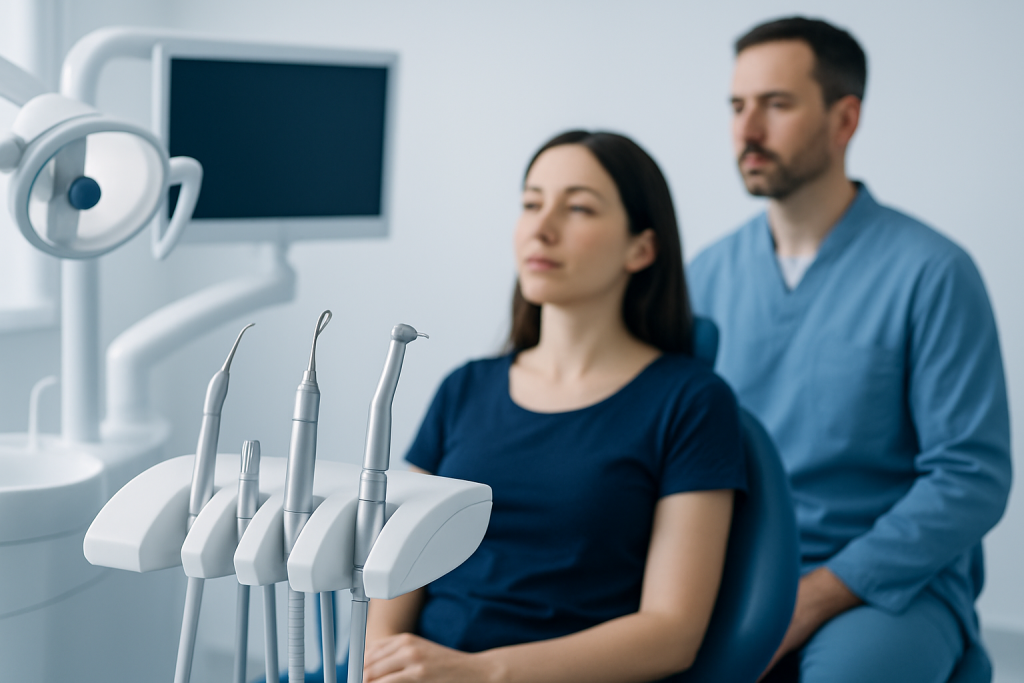
Tooth number itself is not a symptom, but changes in eruption or tooth loss can be noticed in everyday life. Parents may see spaces where baby teeth have fallen out and permanent teeth have not yet appeared. Adults may notice that a tooth never came in, appears crowded, or was removed in the past.
Signs that may prompt a dental check include:
- Delayed eruption of baby or adult teeth
- Teeth that seem unusually crowded or spaced apart
- Persistent gaps where a tooth is expected
- Pain, swelling, or pressure around erupting wisdom teeth
- Difficulty chewing because a tooth is missing or misaligned
These observations do not always mean there is a problem. Some variation is normal, especially during childhood and adolescence. Still, a dental exam can help distinguish a normal developmental pattern from a condition that needs care.
Causes & Risk Factors

The number of teeth a person has is shaped by normal growth, genetics, and dental development. Primary teeth begin forming before birth and usually start to emerge in infancy. Over time, these teeth are replaced by permanent teeth, which are designed to last through adult life.
Several factors can influence how many teeth are present at a given time:
- Age: Children and adults naturally have different tooth counts.
- Wisdom teeth development: Third molars may erupt, remain impacted, or never form.
- Genetics: Family traits can affect spacing, tooth size, and whether some teeth are missing or extra.
- Dental history: Extractions, trauma, and decay can reduce the number of teeth present.
- Developmental differences: Some people are born with fewer or additional teeth.
Risk factors for tooth loss later in life include untreated cavities, gum disease, injury, and certain medical conditions that affect oral health. Good preventive care lowers these risks and helps preserve the teeth that are present.
Diagnosis
Counting teeth is usually straightforward during a dental examination. The dentist looks at which teeth are present, which are erupting, and whether the spacing and bite follow a typical pattern for the person’s age. In children, this may involve comparing the current stage of eruption with expected developmental timing.
X-rays are often useful when the visible teeth do not tell the full story. They can show teeth still below the gums, identify impacted wisdom teeth, and reveal extra or missing teeth that are not obvious on the surface. X-rays also help evaluate whether tooth roots and surrounding bone look healthy.
When patients travel for dental assessment, bringing prior records or images can make the evaluation smoother. A dental team can compare past and current findings, which is especially helpful if there has been previous extraction, orthodontic treatment, or early tooth loss.
Treatment Options
There is no treatment needed simply for having a typical number of teeth. Care is only considered when the tooth count is unusual, teeth are missing, there is crowding, or wisdom teeth are causing symptoms. The right approach depends on age, oral health, and how the teeth fit together.
Possible treatment paths may include:
- Monitoring: Watching baby teeth or erupting adult teeth over time.
- Orthodontic care: Braces or aligners may help when spacing or crowding affects the bite.
- Restorative dentistry: Crowns, bridges, implants, or dentures may replace missing teeth in adults.
- Wisdom tooth management: Some third molars are observed; others may be removed if they are painful, trapped, or damaging nearby teeth.
- Pediatric dental guidance: Children with delayed eruption or missing teeth may need follow-up over several visits.
For international patients, treatment planning often balances timing with travel. A dentist may recommend staging care so that diagnosis, procedure, and follow-up are organized safely and realistically, especially when recovery needs to happen after returning home.
Prevention & Self-care
Although people cannot change how many teeth they were born to develop, they can protect the teeth they have. Daily oral hygiene is the foundation: brushing twice a day with fluoride toothpaste, cleaning between teeth, and limiting frequent sugary snacks and drinks. These habits help protect both primary teeth and permanent teeth.
Regular dental visits are also important. Dentists can monitor eruption patterns in children, catch early cavities, and identify gum disease or bite problems before they become more complex. For adults, routine care can reduce the chance of tooth loss and help preserve natural teeth for as long as possible.
Families can also support healthy development by paying attention to the timing of tooth eruption, encouraging a balanced diet, and asking about dental checks if a child seems far ahead of or behind the usual pattern. If wisdom teeth are present, periodic review can help determine whether they are likely to stay quiet or create problems later.
When to See a Doctor
A dentist should evaluate any persistent pain, swelling, or difficulty chewing, especially if it involves a tooth that has not fully come in. Children should be seen if teeth are erupting very late, if permanent teeth appear where baby teeth have not fallen out, or if a tooth seems absent.
Adults should also seek dental advice when they notice a new gap, shifting teeth, recurring infection, or discomfort near the back of the mouth. These findings may reflect wisdom tooth issues, gum disease, trauma, or another condition that is easier to treat when caught early.
People arranging care from abroad may benefit from an organized dental consultation that includes examination, imaging, and a clear treatment plan. Acibadem Health Point’s multidisciplinary specialists and JCI-accredited hospitals diagnose and treat dental conditions for international patients, with attention to coordinated care and follow-up.
Common Questions About Tooth Count
Questions about tooth number are common because the answer changes with age and dental development. Parents often want to know whether a child is “on schedule,” while adults may wonder why they have fewer than 32 teeth or whether wisdom teeth should count at all. A clear explanation from a dentist often settles these concerns quickly.
Below is a simple way to think about tooth counts across life stages: children generally have 20 primary teeth, most adults have 28 to 32 permanent teeth depending on wisdom teeth, and some people have congenital differences that affect the total. None of these patterns can be understood fully without looking at the whole mouth, bite, and dental history.
If the tooth count seems unusual, the important next step is not to guess, but to have a qualified dental professional examine the teeth and, if needed, take X-rays. That helps distinguish normal variation from issues that may benefit from treatment.
Frequently asked questions
01How many teeth do humans have in total?
Most adults have 32 permanent teeth if all wisdom teeth are present. Without wisdom teeth, the count is often 28. Children usually have 20 primary teeth before the adult set begins to come in.
02Why do adults sometimes have fewer than 32 teeth?
Some people never develop one or more wisdom teeth. Others may have had teeth removed because of decay, injury, crowding, or gum disease.
03Do all children lose their baby teeth at the same age?
No, timing varies from child to child. Mild differences are common, but a dentist should check if teeth are coming in very late or very early compared with the usual pattern.
04Are wisdom teeth counted as part of the 32 adult teeth?
Yes, when they are present, wisdom teeth are included in the total. Some people have all four, some have fewer, and some do not develop them at all.
05Is it normal to have extra teeth?
Extra teeth can happen, although they are less common. They may be found during a routine exam or on X-rays, and a dentist can advise whether monitoring or treatment is needed.
06When should a dentist be consulted about tooth count?
A dental visit is wise if teeth seem missing, crowded, delayed, or painful. X-rays and a clinical exam can show whether the pattern is normal for age or needs care.
This article is for general information only and is not a substitute for professional medical advice. Please consult a qualified doctor about your individual situation.
Explore treatments in Turkey — costs, top hospitals & a free quote
JCI-accredited · board-certified surgeons · reply within 24h
Add us as a Preferred Source to see more of our trusted health content across Google Search, AI Overviews and Discover.