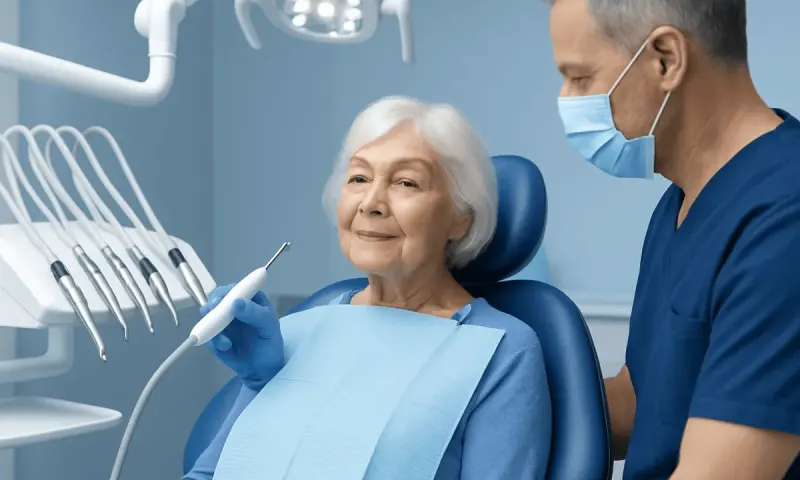
Cheap Dental Implants for Seniors: Ways to Lower Costs
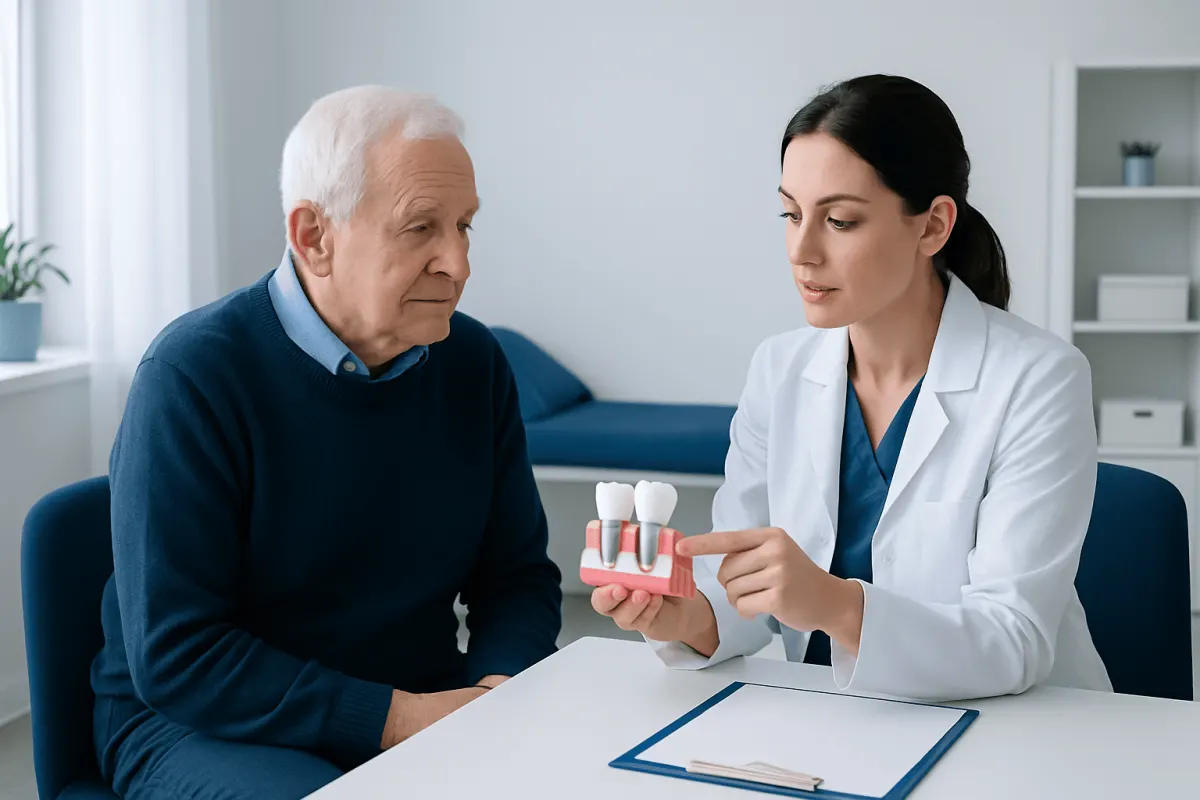
Cheap implants for seniors are not necessarily low-quality implants; affordability usually comes from careful treatment planning, available benefits, staged treatment, and trusted assistance programs. A dental assessment can clarify whether implants are medically suitable, what treatment is needed, and which payment or lower-cost pathways may be appropriate.
Overview: What Seniors Really Pay Attention To
For people searching for cheap implants for seniors, the most useful question is usually not simply the advertised price. It is whether the proposed plan includes the full care needed for a safe, durable tooth replacement: examination, imaging, implant placement, the connecting abutment, the final crown or denture, and follow-up visits. A low initial quote may cover only one part of treatment.
A dental implant is a small post placed in the jawbone to act as an artificial tooth root. After healing, it can support a crown, bridge, or implant-retained denture. Implants are one option for missing teeth, alongside conventional bridges and removable dentures; the most appropriate choice depends on the person’s mouth, general health, goals, and budget.
Older adults can often receive implants successfully when they are suitable candidates. The assessment should be individualized and should include a clear written treatment plan, realistic expectations about healing, and discussion of all reasonable alternatives. Dental implant treatment may be planned for one missing tooth, several teeth, or a full arch of teeth.
How Dental Implants Work and Who May Be a Candidate
Implant treatment works through a biological process called osseointegration. After an implant is placed in the jawbone, bone gradually heals around its surface and helps stabilize it. Once the site has healed sufficiently, the dentist can attach a restoration designed to look and function like a tooth or to hold a denture more securely.
A person’s chronological age is not the main deciding factor. Dentists evaluate gum health, bone quantity and quality, oral hygiene habits, bite forces, tobacco use, medications, and conditions that may affect healing. Diabetes, osteoporosis, heart disease, immune conditions, and use of certain medicines do not automatically rule out implants, but they may require coordination with the person’s physician and careful planning.
Some people need treatment before implant placement, such as controlling gum disease, removing unsalvageable teeth, or rebuilding bone. If implants are not suitable or are not the preferred option, a conventional bridge or removable partial or complete denture may still restore function effectively. A consultation should compare benefits, limitations, maintenance needs, and long-term costs of each option.
The Implant Procedure: Step by Step
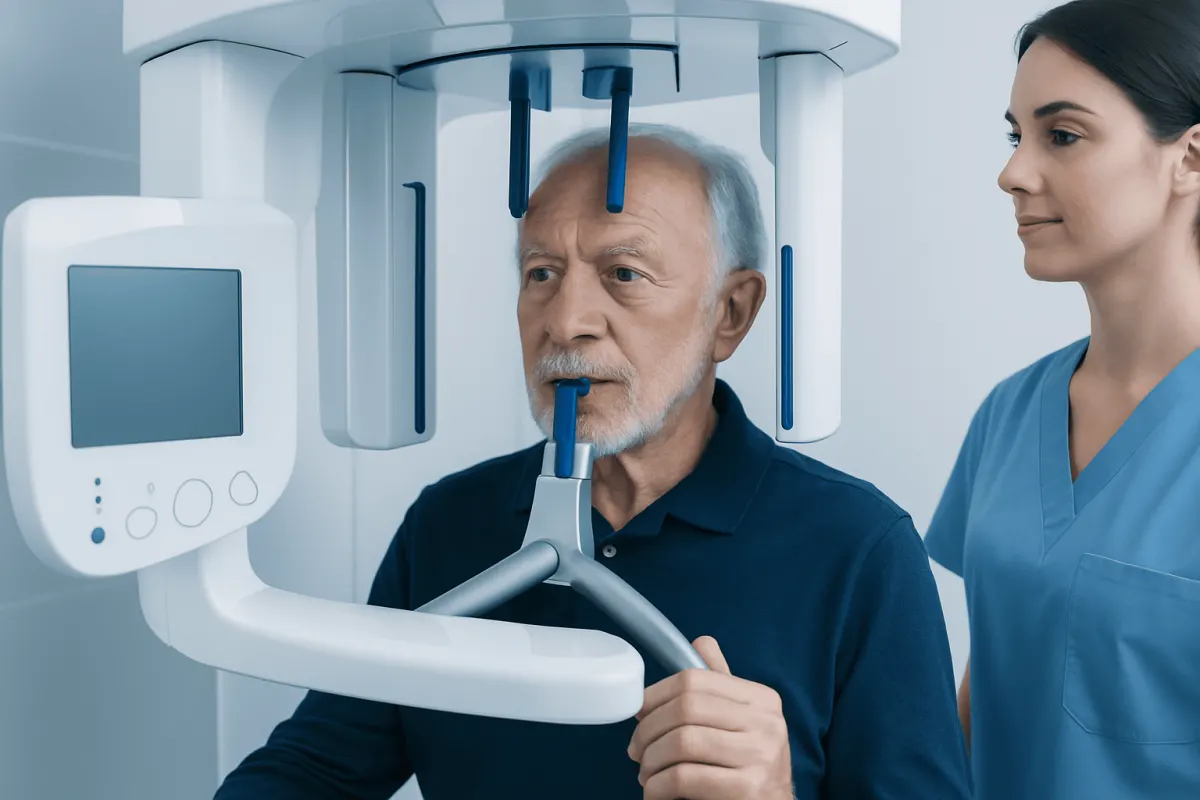
The process starts with a dental examination and imaging, often including X-rays or three-dimensional scans. These help the dental team assess the jawbone, locate nerves and sinuses, review the bite, and plan implant position. The clinician also discusses medical history, medicines, sedation options if appropriate, and the intended final restoration before surgery begins.
During implant placement, the area is numbed with local anesthesia. The dentist or oral surgeon prepares the site and places the implant in the jawbone. In selected cases, a temporary tooth may be placed, but this is not appropriate for every person or every implant location. If bone grafting is necessary, it may be performed before or at the time of implant surgery, depending on the plan.
Healing commonly takes several months, although timing varies by bone health, implant location, grafting needs, and the type of restoration. After integration, an abutment and custom crown, bridge, or denture are fitted. Regular professional reviews and daily cleaning remain important because implants can develop gum and bone problems if plaque is allowed to build up.
How Do You Get Implants When You Can't Afford Them?
When implant treatment is beyond a person’s immediate budget, the safest starting point is a comprehensive consultation and a written estimate that separates each stage of care. This allows the patient to understand what is essential, what may be staged, and whether another restoration type could meet their needs. Treatment should not be chosen solely on the basis of a promotional price.
Possible affordability pathways include dental school clinics, hospital-based dental programs, community health centers, charitable dental organizations, employer or retiree dental benefits, and payment arrangements offered by established clinics. Some people may be able to prioritize one area of the mouth first or use a removable restoration while saving for implant treatment. Eligibility and availability vary by location and program.
Before agreeing to financing, patients should ask about the total amount repayable, interest, fees, missed-payment consequences, and what happens if additional treatment becomes necessary. It is also sensible to ask whether the quote includes diagnostics, surgery, anesthesia, temporary teeth, the final restoration, grafting if needed, laboratory costs, and follow-up. A second professional opinion can be helpful for complex or extensive plans.
- Request an itemized treatment plan rather than relying on a headline offer.
- Ask whether a bridge or denture is a clinically reasonable lower-cost alternative.
- Confirm the qualifications of the clinician placing the implants and providing the final teeth.
- Verify the plan for maintenance, repairs, and urgent care after treatment.
Is It Worth Getting Dental Implants at 70?
Dental implants can be worth considering at age 70 when they are expected to improve chewing, comfort, speech, denture stability, or quality of life and when the person is healthy enough for the procedure. Many adults in their seventies and beyond receive implant-supported restorations. The key question is not age alone, but whether expected benefits outweigh the demands, costs, and risks of treatment for that individual.
Compared with removable dentures, implant-supported teeth may feel more stable and can help some people eat a wider variety of foods. However, implants require surgery, healing time, daily cleaning, and ongoing professional maintenance. They may not be the best choice for someone with poorly controlled medical conditions, active untreated gum disease, limited ability to maintain oral hygiene, or preferences that favor a simpler restoration.
A balanced decision considers the number and location of missing teeth, bone availability, current dentures or bridges, nutrition, hand dexterity, family support, and future healthcare priorities. A dentist can discuss whether a single implant, several implants, or a non-implant restoration is likely to provide the most practical result.
Who Is Offering Free Dental Implants?
Free dental implants are uncommon because implant care involves surgery, laboratory work, restoration materials, imaging, and follow-up. Some charitable organizations, dental schools, clinical teaching programs, research studies, and community initiatives may offer reduced-cost or occasionally donated care to eligible patients, but places are limited and eligibility criteria differ widely.
People seeking assistance should use recognized sources, such as local dental societies, public health departments, accredited dental schools, university dental hospitals, and established nonprofit organizations. A primary care clinician, social worker, senior services agency, or local aging office may also know about regional oral health resources. Programs may focus first on urgent dental needs, pain, infection, or basic restorative care rather than elective implant treatment.
Patients should be cautious of advertisements promising free implants without a clear explanation of eligibility, clinical assessment, provider credentials, and possible additional charges. No reputable service should pressure a patient to sign immediately or discourage them from reviewing a full written plan. Even when treatment is donated, travel, imaging, medicines, and future maintenance may still create costs.
Are Dental Implants Free for Seniors on Medicare?
Routine dental implants are generally not free for seniors on Original Medicare. Original Medicare typically does not cover most routine dental services, including standard dental examinations, cleanings, fillings, dentures, and implants. Coverage may be considered only in limited situations when dental treatment is integral to another covered medical procedure or hospital care.
Medicare Advantage plans are offered by private insurers and may include dental benefits. However, plan rules vary, and a dental allowance may not fully cover implant-related treatment. Benefits may have annual limits, waiting periods, provider-network requirements, restrictions on which services qualify, or separate cost-sharing. Members should contact the plan directly and request written confirmation before beginning care.
Medicaid dental coverage also differs by state, and some retiree, veterans, or private insurance plans may offer dental benefits. Insurance should be viewed as one part of planning rather than an assurance that implants will be covered. The dental office can provide treatment codes and documentation for patients to submit, but the insurer makes the final coverage decision.
Recovery, Benefits, Risks, and When to Seek Medical Care
After implant surgery, mild swelling, soreness, bruising, and minor bleeding can occur for a short time. The dental team gives individualized instructions about pain relief, mouth care, eating softer foods, activity, and follow-up. Patients usually progress gradually toward normal eating as healing allows, while the final restoration is placed only when the implant site is ready.
Potential benefits include stable tooth replacement, improved chewing, support for a denture, and preservation of jawbone stimulation in the implant area. Potential risks include infection, delayed healing, implant failure to integrate, gum recession, inflammation around the implant, damage to nearby structures, sinus complications in the upper jaw, and restoration loosening or fracture. Tobacco use and poor plaque control can increase complication risks.
When to seek medical care: Patients should contact their dentist or oral surgeon promptly for increasing pain or swelling, fever, persistent or heavy bleeding, pus, a bad taste with worsening symptoms, numbness that does not improve as expected, a loose implant, or difficulty swallowing or breathing. Difficulty breathing, severe facial swelling, or uncontrolled bleeding requires urgent emergency assessment.
Acıbadem Health Point’s multidisciplinary specialists and JCI-accredited hospitals can assess and treat dental implant needs for international patients. A qualified dental team can help patients understand candidacy, treatment alternatives, expected recovery, and the full scope of care before they decide.
Frequently asked questions
01What are cheap implants for seniors?
Cheap implants for seniors generally refers to lower-cost ways to access implant treatment, not to a specific type of implant. Safer savings often come from transparent planning, dental school clinics, assistance programs, insurance benefits where available, or choosing a simpler clinically appropriate restoration. Patients should ensure that any quote explains what is and is not included.
02How do you get implants when you can't afford them?
A person can start by obtaining an itemized dental assessment and asking about staged treatment, dental school clinics, community programs, nonprofit assistance, and available financing. A bridge or removable denture may be a reasonable alternative when implants are not financially practical. It is important to compare total costs, not only the initial advertised amount.
03Is it worth getting dental implants at 70?
It can be worth getting dental implants at 70 if the person has suitable oral and general health and expects meaningful benefits in comfort, chewing, or denture stability. Age itself is not usually a barrier. A dentist should review medical conditions, medications, gum health, bone support, hygiene ability, and personal priorities.
04Who is offering free dental implants?
Free implant programs are limited, but reduced-cost opportunities may sometimes be available through accredited dental schools, charities, community dental programs, or research studies. Eligibility rules vary, and many programs prioritize urgent oral health needs. Patients should verify the provider, program requirements, and any costs that remain their responsibility.
05Are dental implants free for seniors on Medicare?
Original Medicare generally does not cover routine dental implants, so they are usually not free for seniors enrolled in Original Medicare. Some Medicare Advantage plans include dental benefits, but limits and exclusions are common. The plan should confirm coverage in writing before treatment starts.
06How long do dental implants take to heal in older adults?
Healing time varies and often takes several months because the implant needs to integrate with the jawbone before the final restoration is placed. Bone grafting, medical conditions, smoking, implant location, and oral hygiene can affect the timeline. The treating dental team can provide a more individualized estimate after examination and imaging.
This article is for general information only and is not a substitute for professional medical advice. Please consult a qualified doctor about your individual situation.
Explore treatments in Turkey — costs, top hospitals & a free quote
JCI-accredited · board-certified surgeons · reply within 24h
Add us as a Preferred Source to see more of our trusted health content across Google Search, AI Overviews and Discover.