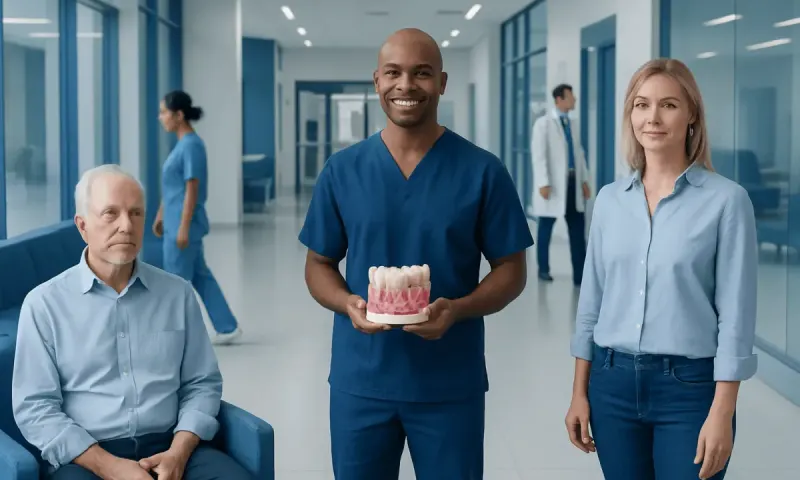
Are Dental Implants Better Than Crowns?
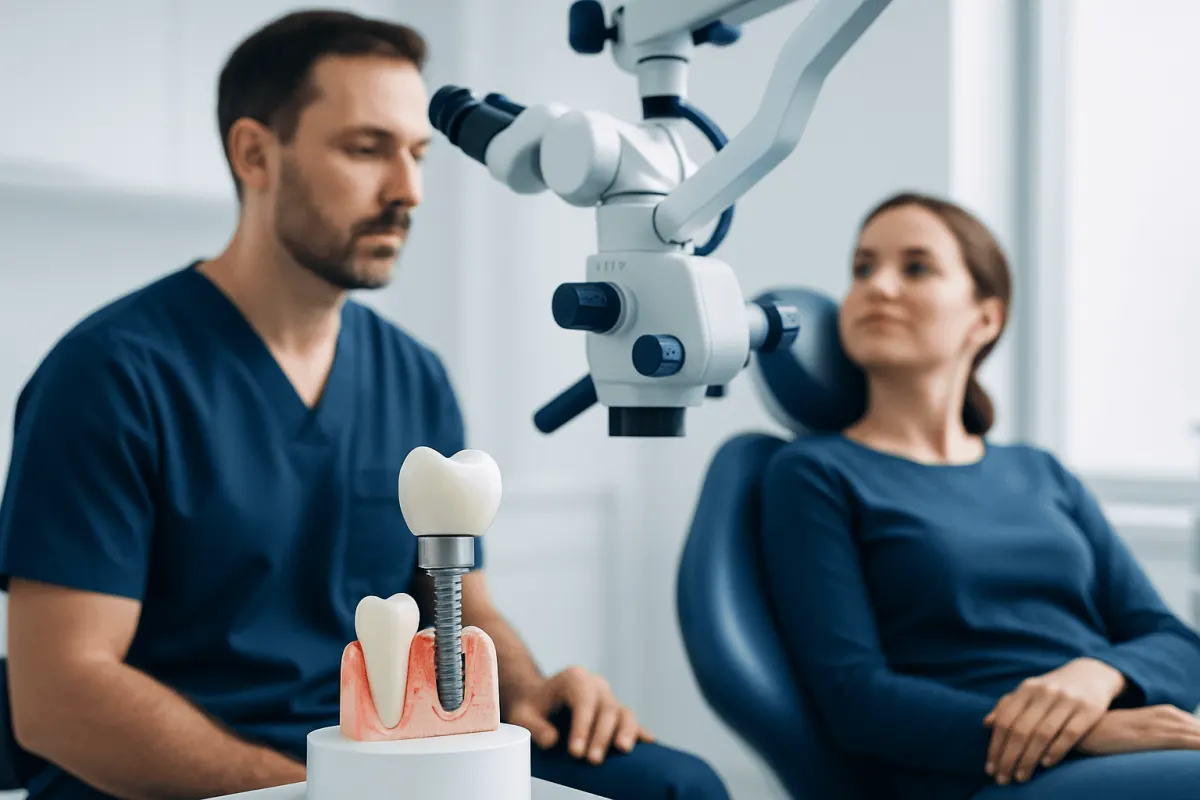
Are implants better than crowns? Neither is universally better: a crown is usually preferred when a natural tooth can be reliably saved, while an implant is designed to replace a tooth that is missing or cannot be restored. The right choice depends on the condition of the tooth, gum and bone health, bite forces, treatment timeline, and personal goals.
Are Implants Better Than Crowns?
Are implants better than crowns? The answer depends on whether the natural tooth is still healthy enough to keep. A dental crown is generally the better option when a damaged tooth has a strong, stable root and can be restored safely. A dental implant is usually considered when a tooth is already missing or is so severely damaged, cracked, infected, or loose that it cannot be predictably saved.
These treatments solve different problems. A crown is a custom-made cap placed over an existing tooth to restore its shape, strength, appearance, and chewing function. An implant is a small fixture placed in the jawbone to act as an artificial tooth root; after healing, it supports a crown. Rather than asking which option is best in general, it is more useful to ask which treatment preserves oral health and function in an individual situation.
A clinical examination and dental X-rays or three-dimensional imaging help the dentist assess decay, cracks, infection, gum disease, bone levels, and the condition of nearby teeth. In many cases, preserving a natural tooth that has a good long-term outlook is a conservative approach. When preservation is not realistic, implant-based tooth replacement can be an effective option.
How Crowns and Implants Work
A dental crown fits over the visible part of a tooth above the gumline. The dentist removes weakened or decayed tooth material, shapes the remaining structure, and takes a digital or physical impression. A dental laboratory or in-office system creates the crown, often from ceramic, porcelain fused to metal, or another durable dental material. The finished crown is bonded in place and functions with the natural root beneath it.
A dental implant replaces the root as well as the visible tooth. During implant surgery, a dentist or oral surgeon places a biocompatible post into the jawbone. Over time, the bone heals around the implant in a process called osseointegration. Once the site is stable, an attachment called an abutment and a custom crown can be placed. Learn more about dental implant treatment.
Are implants stronger than crowns? They are not directly comparable because an implant includes a replacement root and a crown is only the restoration placed on a natural root. Both can withstand normal chewing when well planned and maintained. However, the supporting tissues matter greatly: a crown depends on the health of the remaining tooth and root, while an implant depends on successful bone healing and healthy gums.
Candidacy: When Each Option May Be Suitable
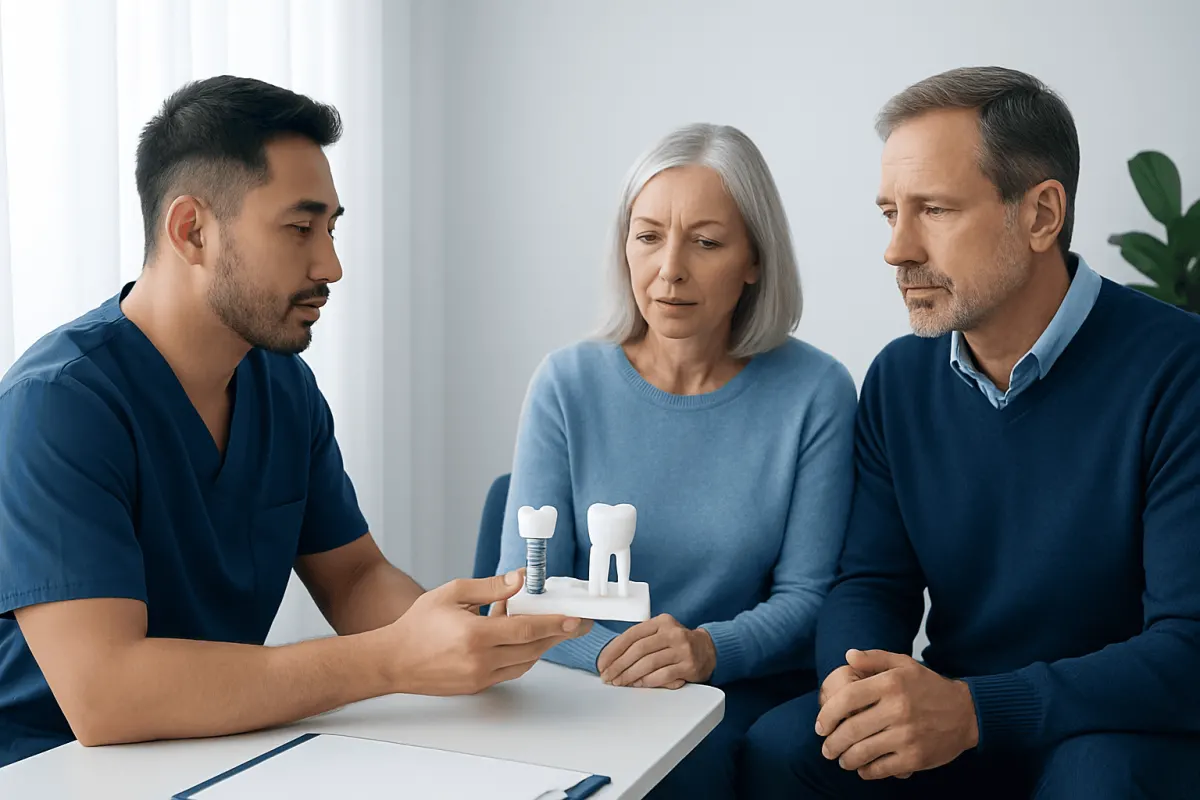
A crown may be suitable for a tooth with extensive decay, a large filling, wear, discoloration, or a fracture that does not extend too deeply below the gumline. It is also commonly used after root canal treatment, although not every root canal-treated tooth needs a crown. The tooth must have enough healthy structure and a root that is free from severe fracture or untreatable infection.
An implant may be appropriate after tooth loss, or when a tooth has a poor prognosis despite appropriate restorative or root canal treatment. Candidates need sufficiently healthy gum tissue, adequate jawbone or the ability to receive bone grafting when indicated, and good daily oral hygiene. Smoking, uncontrolled diabetes, active gum disease, teeth grinding, certain medications, and medical conditions affecting healing do not always rule out implants, but they may change planning and risk.
Age alone is not the main factor. However, implants are generally delayed until jaw growth is complete in younger people. A dentist may also discuss alternatives such as a conventional bridge, adhesive bridge, or removable partial denture, especially if surgery is not desired or medically suitable.
- Crown: protects a restorable natural tooth.
- Implant: replaces a missing or non-restorable tooth.
- Bridge: may replace a missing tooth using support from neighboring teeth, depending on the situation.
Treatment Steps and Recovery Timeline
Crown treatment commonly takes one or two appointments, although some practices can provide same-day crowns. At the first visit, the tooth is examined and prepared, and a temporary crown may be placed while the final restoration is made. At a later visit, the dentist checks the fit, bite, and appearance before permanently bonding the crown. Mild sensitivity after preparation is possible and often improves over days to weeks.
Implant treatment usually takes longer because the implant must integrate with bone. The first phase includes planning, imaging, and any needed treatment for gum disease, infection, or inadequate bone. Implant placement is performed with local anesthesia and sometimes additional sedation. Healing before the final crown may take several months, though selected cases may allow a temporary tooth sooner. Bone grafting or sinus-lift procedures can extend the overall timeline.
After implant placement, some swelling, tenderness, minor bleeding, or bruising can occur for a few days. The dental team provides individual aftercare instructions, which may include softer foods initially, gentle cleaning, and avoiding tobacco. A final implant crown is designed after healing and is adjusted so that the bite places appropriate force on the new tooth.
Benefits, Limitations, and Long-Term Care
A crown can preserve a natural tooth, usually involves less invasive treatment than implant surgery, and is often completed more quickly. Its limitation is that the underlying tooth can still develop decay at the crown edge, gum problems, root infection, or fracture. A crown may need repair or replacement over time, particularly if the bite is heavy or oral hygiene is difficult.
Implants do not develop tooth decay, and they do not require shaping neighboring teeth to replace a single missing tooth. They can feel stable and support chewing well. However, implants are not maintenance-free. Gum inflammation around an implant, known as peri-implant mucositis, can progress to bone loss around the implant if not managed. Implant crowns can also chip, loosen, or wear, and the implant itself may fail to integrate or may develop complications later.
Are implants more durable than crowns, and do implants last longer than crowns? Both can serve for many years, but no restoration has a guaranteed lifetime. Longevity depends on home care, professional reviews, gum health, bite forces, smoking status, underlying health, and regular maintenance. Brushing twice daily, cleaning between teeth or around implants each day, and attending dental check-ups are important for either treatment.
What Is the Downside to Dental Implants?
The main downsides to dental implants are that they require a surgical procedure, a healing period, and careful assessment of bone and gum health. The process may involve several appointments over months, particularly if bone grafting, treatment for gum disease, or staged healing is needed. Some people prefer a faster non-surgical restoration when that is clinically appropriate.
Possible risks include discomfort, swelling, bleeding, infection, delayed healing, injury to nearby structures, sinus-related complications for upper back teeth, and failure of the implant to integrate with bone. Later concerns can include inflammation or bone loss around the implant, loosening of components, and fracture or wear of the implant crown. These events are not inevitable, and thoughtful planning and ongoing care can lower risk.
What does no one tell you about dental implants? A useful reality is that implants require lifelong cleaning and review, much like natural teeth. Food can collect around an implant crown, gums can become inflamed, and people who clench or grind may need a protective night guard. The visible crown on an implant may eventually need repair or replacement even if the implant fixture remains stable.
Why Get a Crown Instead of an Implant?
A crown is chosen instead of an implant when the natural tooth can be kept with a good expected outcome. Retaining a healthy root preserves natural sensation and avoids extraction and implant surgery. For a tooth that is weakened but restorable, a crown can provide protective coverage while allowing the person to continue using their own tooth.
Why do dentists push for crowns? In appropriate cases, dentists recommend crowns because heavily filled, cracked, worn, or root canal-treated teeth may be more likely to fracture without protective coverage. A crown can distribute chewing forces across the remaining tooth and restore a surface that is easier to use and clean. The recommendation should be based on examination findings, X-rays, tooth structure, bite, symptoms, and the person’s priorities—not simply on a preference for one procedure.
Are implants or crowns cheaper, and are implants more expensive than crowns? In general, implant treatment involves surgery, components, imaging, and multiple stages, so the upfront cost is often higher than a single crown. However, costs vary substantially by the complexity of care, materials, additional procedures, location, and future maintenance needs. A dentist can provide an individualized treatment plan and explain the anticipated care required for each option.
When to Seek Medical Care
Prompt dental assessment is advisable for persistent tooth pain, swelling, drainage or a pimple-like bump on the gum, a cracked or broken tooth, a loose tooth, difficulty chewing, or a lost crown. Early treatment may improve the chance of preserving a damaged tooth and can help prevent discomfort or infection from worsening.
Urgent dental or medical care is important for facial swelling, fever with dental symptoms, trouble swallowing, trouble breathing, or swelling that is spreading. These symptoms can indicate an infection requiring timely evaluation. A knocked-out permanent tooth should also be treated as a dental emergency; handling it carefully and seeking prompt care may improve the chance of saving it.
For people considering restorative treatment, a consultation with a dentist experienced in restorative dentistry, periodontics, prosthodontics, or oral surgery can clarify the options. Acıbadem Health Point’s multidisciplinary specialists and JCI-accredited hospitals diagnose and treat dental conditions for international patients, with treatment planning tailored to clinical needs.
Frequently asked questions
01Are dental implants better than crowns?
Dental implants are not automatically better than crowns because they are used for different clinical situations. A crown restores a natural tooth that can be saved, while an implant replaces a tooth that is missing or cannot be restored. A dental examination and imaging are needed to determine which approach has the better long-term outlook.
02Can a crown be placed on an implant?
Yes. Most single-tooth implants are completed with a custom crown attached to the implant through an abutment or a screw-retained connection. The implant is the artificial root, and the crown is the visible part that performs the chewing and cosmetic function.
03Is it better to save a tooth with a crown or have it removed for an implant?
When a natural tooth can be restored predictably and maintained comfortably, preserving it is often preferred. Extraction and implant placement may be considered when the tooth has a severe root fracture, advanced bone loss, repeated infection, or insufficient remaining structure. The decision should be based on the tooth’s prognosis rather than on a single rule.
04Are implants more painful than crowns?
Crown preparation is usually less invasive and commonly causes temporary sensitivity. Implant placement is a surgical procedure, so soreness and swelling can occur afterward, but local anesthesia and appropriate aftercare help manage discomfort. Individual experiences vary with the complexity of treatment and general health.
05Can an implant get infected?
Yes. The gums and bone around an implant can become inflamed, particularly when plaque accumulates or risk factors such as smoking and untreated gum disease are present. Regular cleaning and professional dental reviews are important because early inflammation can often be addressed before it becomes more serious.
06How should an implant crown or natural tooth crown be cared for?
Both require thorough brushing twice daily and daily cleaning between teeth or around the implant using tools recommended by a dental professional. Regular check-ups allow the dentist to monitor the bite, gums, bone support, and condition of the restoration. People who grind their teeth may benefit from discussing a night guard with their dentist.
This article is for general information only and is not a substitute for professional medical advice. Please consult a qualified doctor about your individual situation.
Explore treatments in Turkey — costs, top hospitals & a free quote
JCI-accredited · board-certified surgeons · reply within 24h
Add us as a Preferred Source to see more of our trusted health content across Google Search, AI Overviews and Discover.