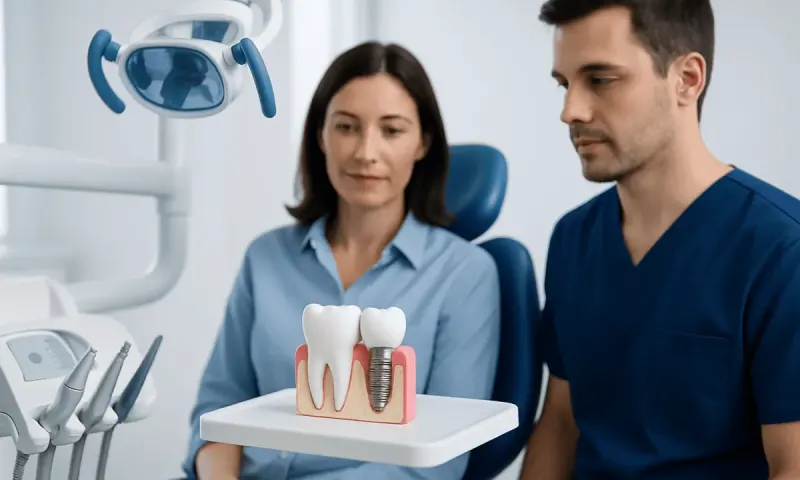
Affordable Dental Implants for Seniors: Cost Options
Affordable Bone Graft for Dental Implants: What to Expect" class="ahp-ilk">dental implants for seniors are not defined by one universal price: the total depends on the number of teeth replaced, bone health, the restoration type and any preparatory care needed. A thorough dental assessment and a written treatment plan can help older adults compare safe, suitable options and explore payment support without compromising clinical quality.
Affordable dental implants for seniors: the practical answer
Affordable dental implants for seniors usually means finding a clinically appropriate plan with transparent costs, rather than choosing the lowest advertised fee. Dental implants replace missing tooth roots with small fixtures placed in the jawbone. Once healing has occurred, a dentist attaches a crown, bridge or implant-supported denture to restore chewing function and appearance.
The amount a patient pays varies widely because implant treatment is made up of several steps. A complete estimate should explain whether it includes consultations, imaging, tooth removal, bone or gum treatment, the implant fixture, connecting components, the final restoration, laboratory work and follow-up appointments. Asking for an itemized written plan helps patients compare options fairly.
For some seniors, a single implant and crown is appropriate. For others, an implant-supported bridge or denture may replace several teeth with fewer implants. The safest and most economical long-term choice depends on the mouth, jawbone, remaining teeth, medical history and personal priorities—not age alone.
How dental implant treatment works
A dental implant is commonly made from biocompatible titanium or another material designed to integrate with bone. During a process called osseointegration, the jawbone heals around the implant, helping create a stable foundation for a replacement tooth. The visible tooth is usually a custom crown, while multiple missing teeth may be restored with a bridge or denture.
Treatment begins with an examination of the teeth, gums, bite and jawbone. Dental X-rays and, where needed, three-dimensional imaging help the clinician plan implant position safely. Active gum disease, untreated decay, infection or poorly fitting dentures may need attention before implants are placed.
Older adults may benefit from coordinated care when they have several health conditions or take multiple medicines. The dental team should know about medications that affect bleeding, immune function or bone metabolism, as well as conditions such as diabetes, heart disease or osteoporosis. A clinician can coordinate with the patient’s usual doctor when this is needed.
Patients considering implant-based tooth replacement can learn more about dental implant treatment and the steps involved in planning a personalized restoration.
Who may be a candidate for dental implants?
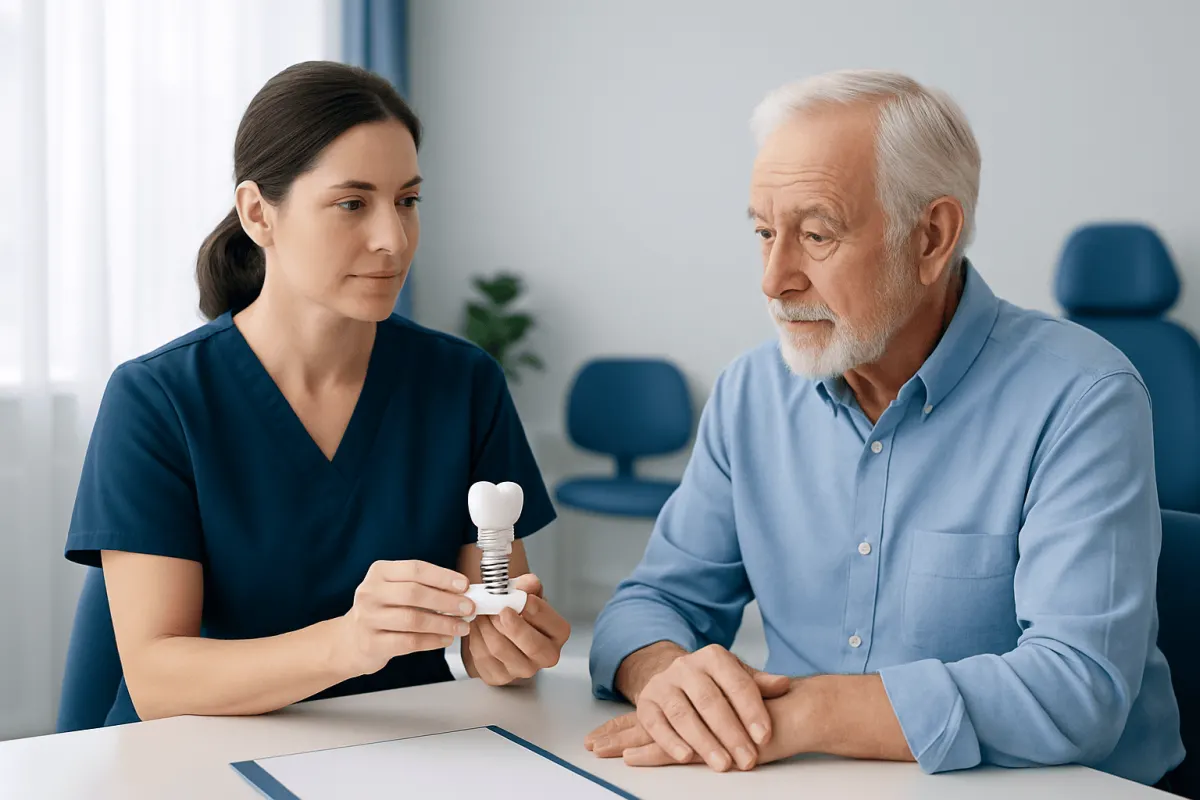
Many people in their seventies, eighties and beyond can be candidates for dental implants. Chronological age is less important than the ability to undergo a dental procedure safely, maintain good oral hygiene and attend follow-up care. A dentist evaluates the condition of the gums and jawbone, the location of missing teeth and the patient’s treatment goals.
Adequate bone is helpful for implant stability, but reduced bone volume does not automatically rule out treatment. Depending on the situation, options may include bone grafting, different implant positions, a shorter treatment design or an implant-supported denture. Each option has different healing requirements, risks and costs.
Smoking, uncontrolled diabetes, untreated periodontal disease and heavy teeth grinding can reduce the likelihood of successful healing or long-term stability. These factors do not always exclude treatment, but they should be addressed openly. Patients should also discuss dry mouth, difficulty cleaning the mouth, cognitive changes or limited hand mobility, as these can affect daily implant care.
A second opinion can be useful when proposed plans differ substantially. It should include a review of imaging, oral health, alternative treatments and the anticipated maintenance needs of each option.
The procedure and recovery timeline
The treatment sequence varies, but it commonly starts with consultation, imaging and a written plan. If a damaged tooth must be removed, the dentist may place the implant at the same visit in selected cases or allow the area to heal first. If bone grafting is needed, it may be performed before or during implant placement, depending on the amount and location of bone loss.
Implant placement is usually performed with local anesthesia; other sedation options may be discussed when appropriate. The clinician makes a small opening in the gum, prepares the bone site and places the implant. A temporary tooth or denture may sometimes be used while healing occurs, although immediate loading is not suitable for every patient.
Initial tenderness, mild swelling and minor bruising can occur in the first days. Many patients return gradually to normal activities as advised, choosing softer foods while the site heals. The bone-integration phase can take several months, and the final crown, bridge or denture is fitted once the implant is considered stable enough.
Recovery is not identical for every patient. A straightforward single implant may involve fewer visits than a full-mouth reconstruction or a plan involving grafting. Patients should follow instructions about oral cleaning, diet, smoking avoidance and review appointments, and should contact the dental team if symptoms worsen rather than improve.
Benefits, risks and long-term care
Dental implants can provide a fixed-feeling replacement for a missing tooth or help stabilize a removable denture. Potential benefits include improved chewing comfort, clearer speech for some denture wearers and support for the appearance of the face and smile. Unlike a conventional bridge, an implant-supported single crown may avoid preparing adjacent healthy teeth.
Like all procedures, implants have risks. These can include pain, swelling, bleeding, infection, delayed healing, injury to nearby structures, sinus-related complications in the upper jaw, implant failure to integrate and later inflammation around the implant. The risk profile is influenced by anatomy, oral hygiene, tobacco use, medical conditions and the complexity of the treatment.
Implants are not maintenance-free. They need brushing twice daily, cleaning between teeth or around the restoration with tools recommended by the dental team, and regular dental examinations. Plaque-related inflammation around implants can progress and threaten supporting bone if it is not recognized and managed early.
When comparing costs, patients should consider the expected lifespan of the restoration, professional maintenance and possible future repairs. A lower initial price may not represent better value if essential diagnostic steps, quality materials, follow-up care or the final restoration are excluded.
Is it worth getting dental implants at 70 years old?
Dental implants can be worth considering at 70 years old when they are medically suitable and likely to improve comfort, chewing, denture stability or quality of life. Age by itself is not usually a reason to avoid implants. The decision should be based on oral health, general health, bone support, ability to maintain the implants and the person’s preferences.
Some patients prefer a conventional bridge or removable denture because it involves less surgery, a shorter treatment period or a lower initial cost. Others value the stability of implant-supported teeth or dentures. A dentist can explain the expected benefits and limitations of each option for the individual situation.
It is sensible to ask how long treatment may take, whether grafting is likely, what maintenance will be needed and what alternatives are available. A shared decision that includes these practical considerations is more useful than making a choice based on age alone.
How to get dental implants if you can't afford them?
Someone who cannot comfortably pay for implants should begin by asking for an itemized plan and discussing whether treatment can be safely staged. In some situations, replacing the most important missing teeth first or choosing an implant-supported denture rather than a separate implant for every missing tooth may lower the overall treatment burden. The clinical plan should never be simplified in a way that compromises safety.
It can also help to review dental insurance carefully, including annual limits, waiting periods, exclusions and coverage for medically necessary extractions, imaging or dentures. Coverage varies greatly, and many plans do not fully cover implants. Patients may ask their insurer for written confirmation before starting treatment.
Potential sources of lower-cost care may include university dental schools, hospital-based dental programs, local public dental services, community clinics and carefully reviewed payment plans. Availability and eligibility differ by location. Patients should be cautious of offers that omit an examination, imaging, the final restoration or necessary follow-up.
Comparing two or more professional assessments can clarify whether a proposed plan is necessary and whether there are suitable alternatives. Patients should not delay urgent treatment for pain, infection or swelling while pursuing financial options.
Are there free dental implants for seniors?
Completely free dental implants for seniors are uncommon. Implant care involves surgery, materials, laboratory work and follow-up, so most patients have some financial responsibility. However, limited charitable programs, university initiatives, clinical teaching programs or local community services may occasionally provide reduced-cost care for people who meet specific eligibility criteria.
Eligibility may depend on income, residence, medical need, oral-health requirements or the educational needs of a dental training program. These programs may have waiting lists and may not offer every type of implant treatment. A local dental association, public health department, social worker or dental school may be able to identify legitimate services in the patient’s area.
Patients should be wary of advertisements promising free implants without a clear explanation of eligibility, treatment scope and follow-up care. It is important to confirm who will provide treatment, what diagnostic tests are included, which materials are used and what costs might arise later.
How much do screwless dental implants cost?
Screwless dental implants do not have one standard cost. The phrase may describe a restoration that is cement-retained or uses a different attachment design, rather than a visible access screw in the final crown. The price is determined by the whole treatment plan, including the implant system, surgical complexity, number of teeth replaced, laboratory work and whether grafting or other preparation is needed.
Patients should ask the dentist to explain exactly what “screwless” means in the proposed restoration. Screw-retained crowns can often be easier for a clinician to remove for maintenance or repair, while cement-retained designs may have aesthetic or technical advantages in certain positions. Neither is automatically best for every patient.
A meaningful comparison should include the anticipated maintenance approach and how the restoration could be repaired or removed if needed. The clinician can recommend the retention method that best suits implant position, bite forces, appearance and long-term care needs.
When to seek medical care
A person should arrange a dental assessment for a missing tooth, loose denture, difficulty chewing, persistent gum bleeding, recurring bad taste, or a change in how the teeth fit together. Early review may prevent further bone or gum damage and allows discussion of replacement options before adjacent teeth move.
Urgent dental or medical advice is appropriate for facial swelling, fever, spreading redness, severe pain, trouble swallowing, trouble breathing or uncontrolled bleeding. These symptoms can indicate an infection or another problem needing prompt assessment. A dental team should also be contacted after implant surgery if pain, swelling or bleeding is increasing, or if there is pus, fever, numbness or a loose restoration.
Acıbadem Health Point’s multidisciplinary specialists and JCI-accredited hospitals evaluate and treat dental concerns for international patients, with planning tailored to overall health and oral rehabilitation needs.
Frequently asked questions
01Are dental implants safe for older adults?
Dental implants can be safe for older adults when a qualified dental clinician confirms that the person is suitable for treatment. Health conditions, medications, gum health, bone quality and smoking status should be assessed before surgery. Age alone does not usually determine eligibility.
02Does Medicare cover dental implants for seniors?
Traditional Medicare generally does not cover routine dental care, including most dental implants. Some Medicare Advantage plans may offer dental benefits, but coverage limits, networks and exclusions vary. Patients should check their specific plan directly before treatment begins.
03Can a senior get implants with osteoporosis?
Osteoporosis does not automatically prevent dental implant treatment, but it requires careful assessment. The dentist should review bone health and all medications, particularly medicines that affect bone remodeling. Coordination with the patient’s physician may be appropriate in some cases.
04How long do dental implants take to heal?
Healing time depends on the treatment plan, bone quality, whether grafting is needed and the location of the implant. Initial recovery after surgery is usually measured in days to weeks, while integration of the implant with bone commonly takes several months. The dentist will determine when it is safe to place the final restoration.
05What is the cheapest safe alternative to dental implants?
A removable partial denture, complete denture or conventional dental bridge may have a lower initial cost than implants. The most appropriate option depends on the number and position of missing teeth, the health of neighboring teeth and the patient’s goals. A dental examination is needed to compare comfort, maintenance and long-term implications.
06Can implant-supported dentures help lower costs?
For people missing many or all teeth, an implant-supported denture may sometimes use fewer implants than replacing every tooth individually. This can improve denture stability while limiting the number of surgical sites and restorations. Whether it is appropriate depends on jawbone anatomy, bite and oral-health needs.
This article is for general information only and is not a substitute for professional medical advice. Please consult a qualified doctor about your individual situation.
Explore treatments in Turkey — costs, top hospitals & a free quote
JCI-accredited · board-certified surgeons · reply within 24h
Add us as a Preferred Source to see more of our trusted health content across Google Search, AI Overviews and Discover.