

Cephalic Vein: Anatomy, Function and Clinical Importance
- 8 min read
- Published November 28, 2026
Key Takeaways
- The cephalic vein is a superficial vein that travels along the outer side of the arm.
- It can be used in some medical procedures, including blood access and certain devices.
- Swelling, pain, redness, or a hard cord-like vein can suggest irritation or a clot.
- Diagnosis may involve a physical exam and imaging such as ultrasound.
- Most cephalic vein problems are manageable when assessed early by a clinician.
The cephalic vein is one of the main superficial veins of the arm and plays an important role in returning blood from the hand and forearm to the heart. It is also a familiar access point in medical care, which is why understanding its anatomy and common issues can be helpful for patients.
Overview
The cephalic vein is a superficial vein in the arm, meaning it lies closer to the skin than deeper veins. It begins near the hand and wrist, runs upward along the outer side of the forearm and upper arm, and eventually connects with larger veins near the shoulder. In everyday terms, it is one of the body’s “surface roads” for moving blood back toward the heart.
Because the cephalic vein is relatively easy to see and reach in many people, it is often considered in medical care when a vein is needed for blood sampling, IV access, or certain procedures. For international patients, this practical role matters: a vein that seems unremarkable in daily life can become important during a hospital stay, a planned test, or treatment after travel. Knowing a little about its location and purpose can make care feel more predictable.
Anatomy can vary from person to person. Some people have a prominent cephalic vein that is easy to see, while in others it is smaller, less visible, or has different branching patterns. These normal differences usually do not indicate disease.
Symptoms and Signs of Cephalic Vein Problems
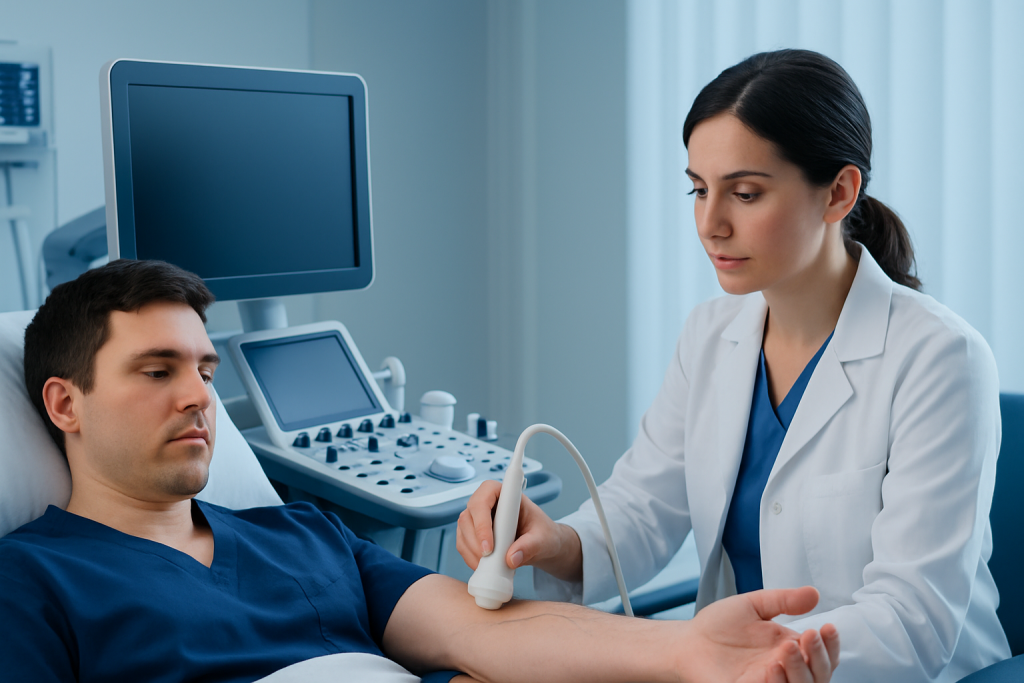
A healthy cephalic vein usually causes no symptoms on its own. Concerns tend to arise when the vein becomes irritated, inflamed, injured, narrowed, or blocked. In those situations, a person may notice changes along the outer arm or near the elbow or shoulder.
Possible signs include tenderness, redness, warmth, swelling, or a firm, rope-like feel along the vein. Some people notice aching in the arm, discomfort when moving it, or puffiness in the hand or forearm. If the vein is used for a procedure, bruising or temporary soreness can also happen.
- Localized pain or sensitivity over the vein
- Redness or warmth along the arm
- Swelling of the hand, forearm, or upper arm
- A hard, cord-like vein
- Bruising after a needle or catheter placement
These symptoms are not specific to the cephalic vein alone, which is why a clinician’s assessment is useful. Arm swelling or pain can have several causes, including muscle strain, skin infection, or a problem in a deeper vein.
Causes and Risk Factors
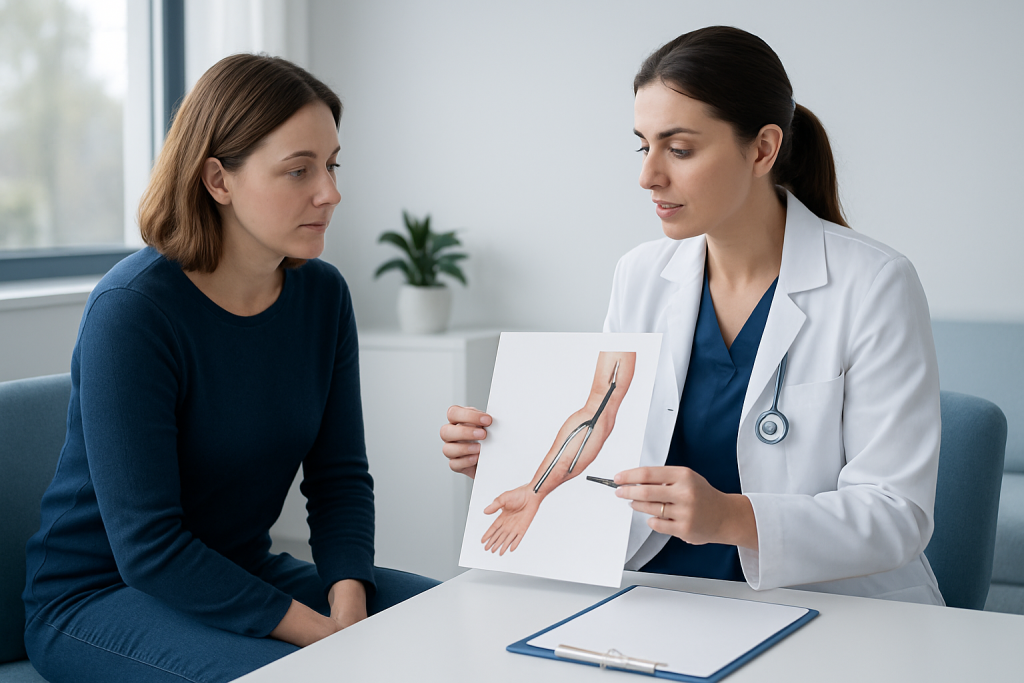
Cephalic vein problems can arise for different reasons. One common cause is irritation from repeated needle use, an IV line, or a catheter. The vein may also become inflamed after trauma, prolonged pressure, or certain medical procedures.
Another possible issue is a clot within a superficial vein, sometimes called superficial thrombophlebitis. This can occur after vein irritation, injury, or reduced movement. While superficial clots are not the same as deeper vein clots, they still deserve medical attention because symptoms can overlap and the overall circulation needs to be checked.
Factors that may increase the chance of cephalic vein irritation or clotting include recent surgery, hospitalization, cancer treatment, dehydration, long periods of immobility, smoking, and a personal history of clotting problems. Some people also have veins that are naturally more fragile or more difficult to access, especially if they are receiving frequent medical treatment away from home.
In a travel or international-care setting, repeated blood draws, long flights, or a recent procedure can make arm-vein symptoms more noticeable. These situations do not automatically mean something serious is wrong, but they do make a timely review more worthwhile.
Diagnosis
Diagnosis usually starts with a careful history and physical examination. A clinician may ask when the symptoms began, whether an IV or blood draw was recently performed, and whether the discomfort is limited to one spot or spreading through the arm.
When needed, ultrasound is often the most useful test. It can show whether the vein is open, inflamed, or containing a clot, and it can help distinguish superficial vein issues from deeper circulation problems. In some cases, additional tests may be recommended if swelling is more extensive or if another cause needs to be ruled out.
For patients traveling for care, bringing previous medical records, procedure notes, or imaging reports can save time and reduce uncertainty. Even small details, such as which arm was used for a line or where pain first appeared, may help the medical team interpret the problem more accurately.
Treatment Options
Treatment depends on the cause and the severity of symptoms. Mild irritation from a needle or IV often improves with conservative care such as rest, elevating the arm, and using warm or cool compresses as advised by a clinician. If a line or catheter is involved, the device may need to be removed or moved to another site.
When superficial thrombophlebitis is suspected, a doctor may recommend anti-inflammatory measures, compression in selected cases, and monitoring for symptom change. If there is concern that the clot is more extensive or that a deeper vein is involved, the treatment plan may become more specific and may include prescription medication. The exact approach depends on the person’s overall health and test results.
More complex cases, such as infection near a vein, repeated access problems, or the need for reliable venous access during longer treatment courses, may require input from several specialists. In an international hospital setting, that may include vascular, radiology, nursing, and procedural teams working together so care is coordinated rather than fragmented.
It is important not to massage a painful, swollen vein or to self-treat persistent arm swelling without medical guidance. Simple measures can help, but they should not replace an evaluation when symptoms are continuing or unusual.
Prevention and Self-care
Not every cephalic vein issue can be prevented, but a few practical habits can reduce irritation. Staying well hydrated, moving regularly during long travel, and avoiding repeated pressure on one arm can all help support circulation. If an arm has recently been used for a procedure, following the care team’s instructions is especially important.
When a vein is being used for medical access, patients can ask the team to explain why that site was chosen, what warning signs to watch for, and how long temporary soreness should last. Clear communication is particularly valuable for international patients who may need to continue recovery after leaving the hospital or returning home.
- Use the arm gently after needle or line placement unless told otherwise
- Report increasing redness, swelling, or pain early
- Keep follow-up appointments, especially after a procedure
- Wear compression only if it has been recommended
- During long trips, stand, stretch, and walk periodically
Self-care should stay within safe limits. If symptoms are getting worse instead of gradually settling, professional review is the safer next step.
When to See a Doctor
Medical advice is appropriate if arm pain, swelling, or redness lasts more than a short time, is worsening, or appears after a recent IV, blood draw, or procedure. A clinician should also assess the area if the vein feels hard, if the hand becomes puffy, or if the skin looks increasingly inflamed.
More urgent evaluation is needed if symptoms extend beyond the local vein, if there is significant arm swelling, fever, shortness of breath, chest pain, or if the person has a known clotting disorder. These symptoms do not always mean a serious problem, but they should be taken seriously and checked promptly.
People who are receiving repeated treatments, planning surgery, or traveling for care may benefit from earlier assessment rather than waiting. A timely evaluation can help protect future venous access and reduce the chance that a manageable problem becomes harder to treat.
At Acibadem Health Point, multidisciplinary specialists and JCI-accredited hospitals diagnose and treat cephalic vein-related concerns for international patients, with care plans tailored to the person’s procedure history, symptoms, and follow-up needs.
Frequently asked questions
01What is the cephalic vein used for?
The cephalic vein helps return blood from the arm back toward the heart. In medical care, it may also be used for IV access, blood draws, or certain procedures because it is often accessible near the surface of the skin.
02Can a cephalic vein clot be serious?
A clot in a superficial vein is not the same as a deep vein clot, but it should still be assessed. Symptoms can overlap, and a clinician may want to confirm that the deeper veins are not involved.
03Why does my cephalic vein look bigger than usual?
A vein can appear larger for harmless reasons such as heat, exercise, thin skin, or temporary increased blood flow. If it is also painful, red, firm, or swollen, a medical review is a good idea.
04How is a cephalic vein problem diagnosed?
Doctors usually start with an exam and a discussion of recent blood draws, IV lines, or injuries. Ultrasound is commonly used when a clot or deeper vein issue needs to be ruled out.
05Do cephalic vein problems always need medication?
Not always. Mild irritation may improve with supportive care, while more significant inflammation, infection, or clotting may need prescription treatment. The right approach depends on the cause and test findings.
06Can I fly after a cephalic vein issue?
It depends on the diagnosis and how symptoms are changing. If swelling, pain, or a clot has recently been found, a doctor should give travel guidance before flying or taking a long journey.
This article is for general information only and is not a substitute for professional medical advice. Please consult a qualified doctor about your individual situation.
Joint and spine care in Turkey — expert assessment & treatment
JCI-accredited · board-certified surgeons · reply within 24h
Add us as a Preferred Source to see more of our trusted health content across Google Search, AI Overviews and Discover.


How can we help you today?
Meet an Acibadem specialist by secure video, before you travel.
Book a video visit