

Right Coronary Artery: Anatomy and Function
- 7 min read
- Published November 28, 2026
Key Takeaways
- The right coronary artery supplies blood to important parts of the heart, including areas involved in heart rhythm and pumping.
- Narrowing or blockage can reduce blood flow and may cause chest discomfort, shortness of breath, or other warning signs.
- Diagnosis often includes ECG, blood tests, echocardiography, and imaging such as coronary angiography or CT coronary angiography.
- Treatment depends on the cause and may include lifestyle changes, medicines, angioplasty, or bypass surgery.
- Seeking medical attention early can help protect heart muscle and improve long-term outcomes.
The right coronary artery is one of the heart’s main blood vessels, supplying oxygen-rich blood to key areas that help the heart beat effectively. Understanding its role can make it easier to recognize symptoms, seek timely care, and support heart health.
Overview
The right coronary artery can vary somewhat from person to person in the exact areas it supplies. In many cases, it nourishes the right ventricle, part of the left ventricle, the sinoatrial node, and the atrioventricular node. Those structures are important for pumping action and rhythm control.
Because it supports both circulation and electrical stability, disease in the right coronary artery may show up in more than one way. Some people notice exertional discomfort, while others develop rhythm-related symptoms or even no symptoms until the narrowing becomes significant.
This variability is one reason cardiology teams often combine symptoms, physical findings, and test results rather than relying on a single clue. That approach is especially useful when patients are coming from another country and need a practical plan that can continue smoothly after they return home.
Symptoms
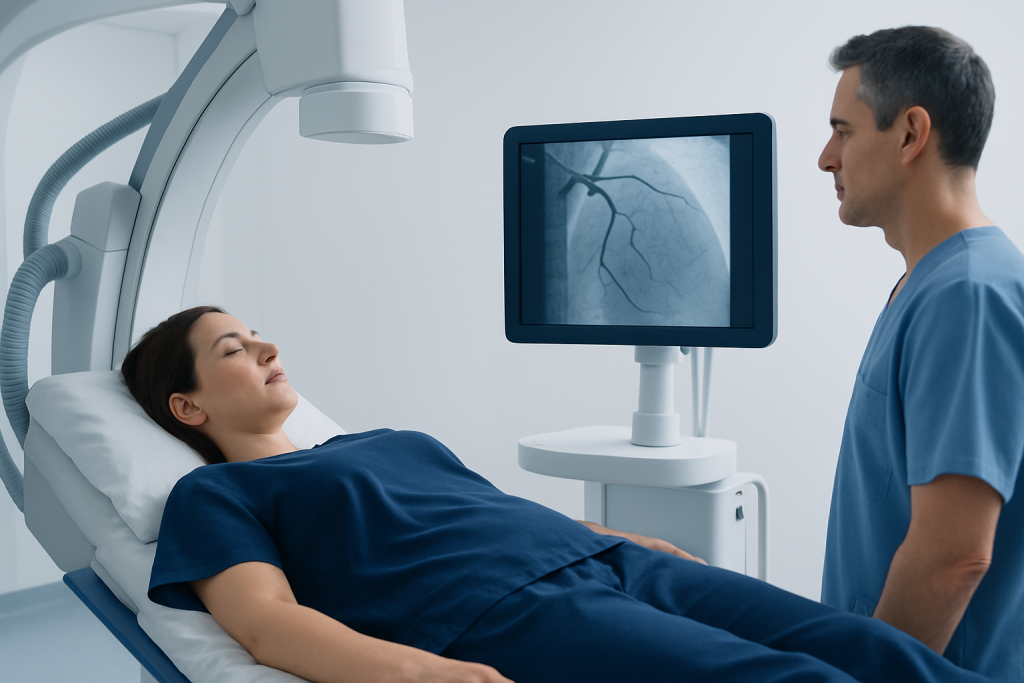
Problems involving the right coronary artery often produce symptoms similar to other forms of coronary artery disease. The most familiar is chest pressure, tightness, heaviness, or pain, particularly during activity or emotional stress. Some people describe discomfort in the arm, shoulder, back, neck, jaw, or upper abdomen instead of the chest.
Shortness of breath, unusual fatigue, sweating, nausea, dizziness, or a sense that the heart is racing or skipping can also occur. If the artery is significantly blocked or suddenly closed, symptoms may come on abruptly and be more intense.
There are also situations where symptoms are subtle. Older adults, people with diabetes, and some women may have less typical warning signs, such as tiredness or breathlessness without obvious chest pain. Because symptoms can overlap with many other conditions, medical evaluation is the safest way to understand what is happening.
Causes & Risk Factors

Acute blockage is often linked to clot formation on top of a plaque. This is the scenario that can lead to a heart attack and requires urgent assessment. Less commonly, the artery may be affected by spasm, inflammation, trauma, or complications from other heart procedures.
Lifestyle factors do not act in isolation, but they do matter. A pattern of smoking, poor sleep, high stress, limited movement, and an eating pattern high in saturated fats and ultra-processed foods can make coronary disease more likely or harder to control.
Risk does not mean certainty, and many people with one or more risk factors never develop severe disease. Still, understanding the cause helps clinicians tailor treatment and helps patients know where they can make meaningful changes.
Diagnosis
When patients travel for care, the diagnostic pathway may be more efficient because several tests can be coordinated in a short time. That can be useful for a person who needs a clear answer before returning home. A multidisciplinary team may review the findings together so the diagnosis is not based on one test alone.
In some situations, the goal is to distinguish a right coronary artery problem from other conditions that can mimic it, such as acid reflux, muscle strain, lung disease, or gallbladder issues. This careful sorting-out matters because treatment is very different depending on the cause.
Good diagnosis is not just about naming the artery involved; it is about understanding how much blood flow is affected, whether the heart muscle has been damaged, and what level of treatment is safest and most effective.
Treatment Options
After an intervention, recovery usually includes activity guidance, medication instructions, and monitoring for any return of symptoms. Cardiac rehabilitation may be recommended to help patients regain confidence, improve stamina, and lower future risk. Recovery plans are ideally written in a way that can be shared with a local doctor back home.
Some patients also need treatment for related issues such as arrhythmias or heart failure if the right coronary artery problem affected rhythm or pumping function. When that happens, care is often more effective when several specialists coordinate the plan rather than treating each issue separately.
It is important to understand that the best treatment is not always the most aggressive one. The right plan balances symptom relief, heart protection, procedural risk, and the patient’s personal circumstances, including travel logistics and follow-up access.
Prevention & Self-care
Stress management also matters because emotional strain can worsen symptoms in some people. Simple routines such as paced breathing, steady sleep hours, and structured daily activity can support recovery and adherence to treatment. These steps are not a substitute for medical care, but they can make treatment easier to follow.
For patients who are considering treatment abroad, self-care includes planning ahead for the return journey. That means understanding which medicines must be continued, what symptoms require urgent attention, and when the next follow-up should happen. Clear instructions reduce uncertainty and help care remain consistent after travel.
Acibadem Health Point’s multidisciplinary specialists and JCI-accredited hospitals diagnose and treat right coronary artery disease for international patients, with an emphasis on coordinated evaluation and practical follow-up planning.
When to See a Doctor
For patients arranging care from another country, it is reasonable to ask a cardiology team how quickly they can review records, interpret scans, and provide a treatment recommendation. That can help reduce delays and make travel decisions more informed. Bringing previous ECGs, angiography images, and discharge notes can save time and improve accuracy.
If symptoms appear after a procedure or soon after discharge, contact the treating team promptly. Recovery questions are common, and clear communication is part of good heart care.
In cardiac medicine, the right coronary artery is only one part of the picture. What matters most is whether the person’s symptoms, heart function, and test results together show a need for urgent action, close monitoring, or longer-term prevention.
Frequently asked questions
01What does the right coronary artery do?
It supplies oxygen-rich blood to parts of the right side of the heart and, in many people, areas involved in heart rhythm. Its exact territory can vary from person to person. Because it supports both pumping and electrical function, disease in this artery can cause a range of symptoms.
02Can right coronary artery disease happen without chest pain?
Yes. Some people have shortness of breath, fatigue, nausea, or reduced exercise tolerance instead of classic chest pain. Older adults, people with diabetes, and some women are more likely to have less typical symptoms.
03How is a right coronary artery problem diagnosed?
Doctors usually combine symptoms, ECG findings, blood tests, and imaging studies. Tests such as echocardiography, <a href="https://www.acibademhealthpoint.com/blog/ct-coronary-angiography-what-it-shows-and-how-to-prepare/" title="CT Coronary Angiography: What It Shows and How to Prepare" class="ahp-ilk">CT coronary angiography, or coronary angiography may be used depending on the situation. The goal is to understand both the location and severity of any reduced blood flow.
04Is a stent always needed?
No. Some people are treated successfully with medicines and lifestyle changes, especially if narrowing is not severe or symptoms are controlled. A stent or bypass surgery is considered when blood flow is significantly reduced, symptoms persist, or a heart attack is present.
05What should someone do if chest pain starts suddenly?
Sudden chest pain should be treated as urgent until a doctor says otherwise. If it is severe, lasts several minutes, or comes with sweating, fainting, or breathlessness, emergency care is appropriate. Quick evaluation can protect heart muscle if the right coronary artery is blocked.
06Can recovery continue after treatment if the patient lives in another country?
Yes, but it works best when the discharge plan is clear and easy to share with the local doctor at home. Written medication instructions, follow-up timing, and warning signs to watch for are especially useful. Good communication helps care stay consistent across borders.
This article is for general information only and is not a substitute for professional medical advice. Please consult a qualified doctor about your individual situation.
Persistent digestive symptoms? Get evaluated in Turkey
JCI-accredited · board-certified surgeons · reply within 24h
Add us as a Preferred Source to see more of our trusted health content across Google Search, AI Overviews and Discover.



How can we help you today?
Meet an Acibadem specialist by secure video, before you travel.
Book a video visit