Cancer Throat Treatment: Diagnosis, Outlook and Care
Cancer throat treatment is tailored to the exact location of the cancer, its stage, HPV status when relevant, and the person’s overall health and priorities. Modern care often combines specialists in surgery, radiation oncology, medical oncology, speech and swallowing rehabilitation, nutrition and dental care.
Cancer throat treatment: an individualized plan
Cancer throat treatment may involve surgery, radiation therapy, chemotherapy, targeted medicines, immunotherapy, or a carefully planned combination of these approaches. The best plan depends on where the cancer started, how far it has spread, whether lymph nodes are involved, tumor biology such as human papillomavirus (HPV) status in some throat cancers, and the person’s general health and treatment goals.
The term “throat cancer” commonly refers to cancers arising in the pharynx or larynx. These include cancers of the nasopharynx, oropharynx (which includes the tonsils and base of the tongue), hypopharynx and voice box. Although many are squamous cell carcinomas, each location can affect speech, swallowing, breathing and hearing differently, so preserving function is a central part of treatment planning.
Care is usually coordinated by a multidisciplinary head and neck cancer team. This may include an ear, nose and throat surgeon, medical oncologist, radiation oncologist, radiologist, pathologist, dentist, dietitian, speech and swallowing therapist, and specialist nurse. A team approach helps balance cancer control with quality of life.
How throat cancer is diagnosed and staged
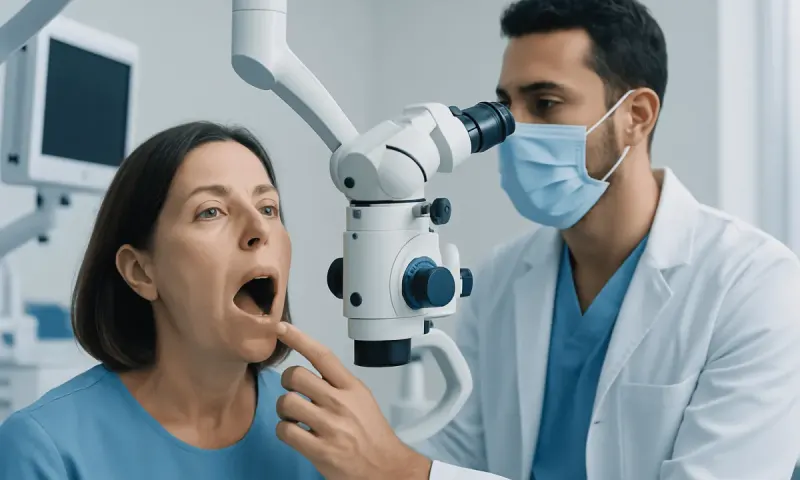
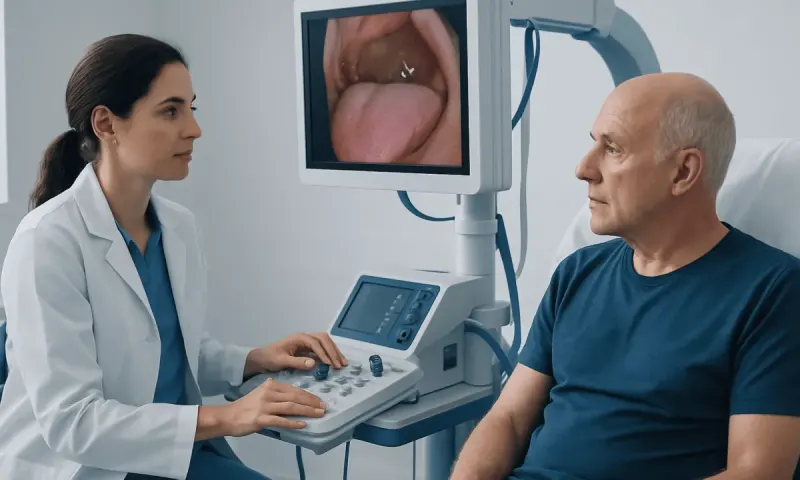
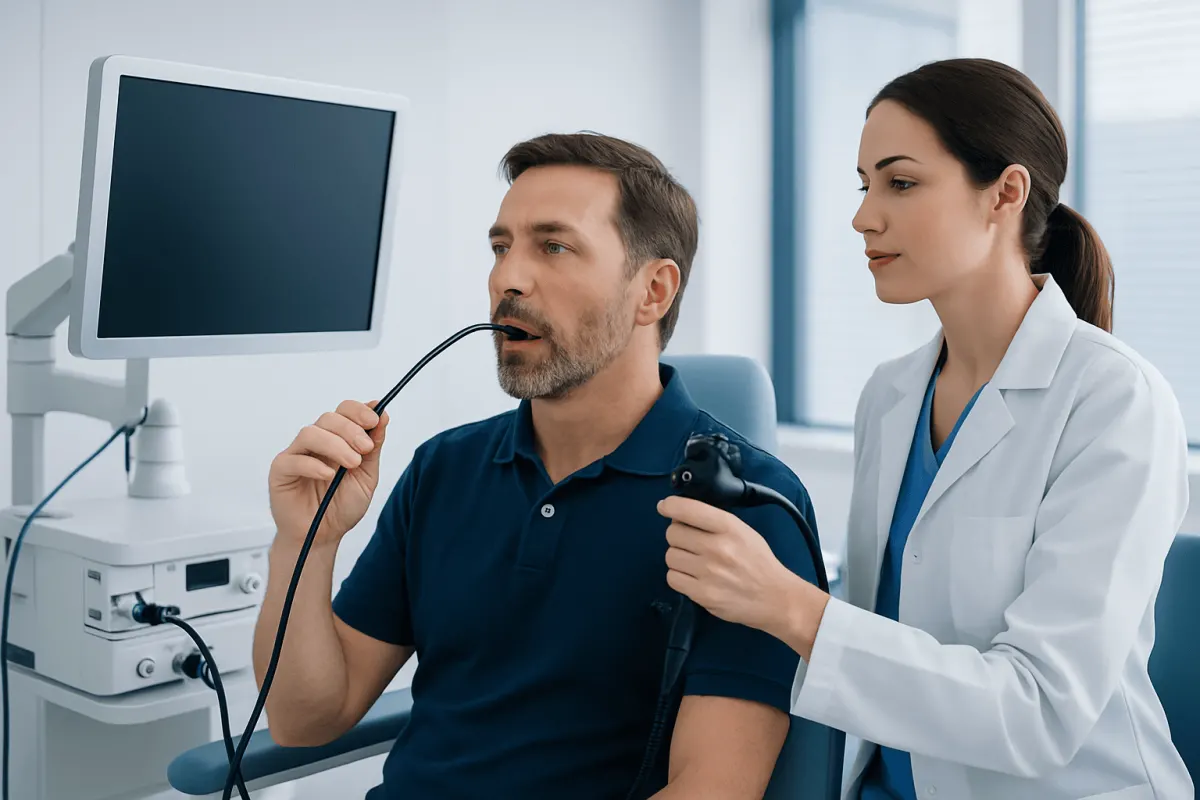
Diagnosis often begins with a medical history and examination of the mouth, throat and neck. An ENT specialist may use a flexible endoscope, a thin camera passed through the nose, to inspect areas that cannot be seen easily during a routine examination. A persistent sore throat, hoarseness, trouble swallowing, neck lump or unexplained ear pain may prompt further assessment.
A biopsy is required to confirm cancer and identify its type. Depending on the suspected site, tissue may be collected in clinic or during a procedure under anesthesia. For oropharyngeal cancers, the pathology assessment commonly includes testing for p16, a marker associated with HPV-related disease. This information contributes to prognosis discussions but does not replace full staging.
Imaging such as CT, MRI or PET-CT may show the size of the tumor, lymph node involvement and whether disease has spread elsewhere. The staging system describes the tumor’s extent and guides treatment recommendations. The team may also assess swallowing, speech, nutritional status, dental health and lung function before treatment begins.
People with newly diagnosed throat cancer may benefit from learning about related head and neck cancer care, since treatment decisions often overlap across this group of cancers.
What are the treatment options for stage 1 throat cancer?

For stage 1 throat cancer, treatment is often intended to cure the disease while preserving normal function as much as possible. Depending on the tumor location, radiation therapy alone or surgery alone may be appropriate. The choice is individualized, because the likely effects on voice, swallowing, appearance and recovery can differ between approaches.
Some small tumors can be removed using minimally invasive techniques through the mouth, including transoral laser surgery or transoral robotic surgery in selected locations. Other cancers may require a more traditional surgical approach. If lymph nodes have a meaningful risk of containing microscopic cancer, the surgeon may recommend treatment of the neck as well.
Radiation therapy uses carefully planned high-energy beams directed at the tumor and, when needed, nearby lymph node regions. Modern planning techniques aim to reduce dose to healthy tissues such as salivary glands, swallowing muscles and the spinal cord. Chemotherapy is not routinely needed for every stage 1 cancer, although unusual circumstances can change the recommendation.
Before choosing treatment, patients should ask how each option may affect swallowing, speech, taste, saliva production and the need for rehabilitation. A second opinion from a head and neck cancer team can be helpful when more than one curative option is reasonable.
Treatment approaches for locally advanced and recurrent cancer
When throat cancer is larger, involves multiple lymph nodes or has grown into nearby structures, combined treatment is often recommended. Chemoradiation, meaning radiation delivered with chemotherapy that helps make cancer cells more sensitive to radiation, is a common nonsurgical approach. Surgery followed by radiation, with or without chemotherapy, may be preferred when a tumor can be removed and surgical findings indicate a higher risk of recurrence.
Surgery can range from removal of a small tumor to more extensive procedures involving the voice box, throat or neck lymph nodes. Reconstructive surgery may sometimes be used to restore structure and support swallowing or speech. Rehabilitation begins early and may include speech and language therapy, swallowing exercises and nutritional support.
If cancer returns after prior treatment, options depend on where it has recurred, treatments already received and whether it can be safely removed. Selected patients may have salvage surgery, re-irradiation at an experienced center, systemic treatment, or a clinical trial. Decisions in this setting require careful discussion of expected benefits, side effects and personal priorities.
Radiation planning and delivery are central parts of radiotherapy for many throat cancers, and a consultation can clarify the expected schedule and likely short- and long-term effects.
What is the newest treatment for throat cancer?
There is no single newest treatment that is right for every throat cancer. Important advances include refined transoral surgical techniques, highly conformal radiation planning, and systemic medicines chosen according to the setting of disease. The most appropriate innovation is the one that fits the tumor’s location, stage, prior treatment and the person’s overall condition.
For recurrent or metastatic head and neck squamous cell cancer, immunotherapy with medicines known as immune checkpoint inhibitors has become an important option for selected patients. These medicines help the immune system recognize and respond to cancer cells. They may be used alone or with chemotherapy depending on factors such as symptoms, disease burden, prior treatment and tumor testing.
Targeted therapy may also be considered in specific clinical situations. Researchers continue to study new combinations of immunotherapy, radiation and targeted medicines, as well as ways to personalize treatment using tumor characteristics. Clinical trials may offer access to carefully monitored emerging approaches, but they are not automatically better than established care and should be discussed with the oncology team.
Supportive innovations matter as well. Better swallowing assessment, image-guided radiation, reconstructive techniques and proactive nutrition support can reduce treatment burden and improve recovery for many people.
What is the life expectancy for someone with stage 4 throat cancer with treatment?
Life expectancy with stage 4 throat cancer varies widely and cannot be predicted accurately from stage alone. Stage 4 may describe a locally advanced cancer that has not spread to distant organs, or cancer that has spread elsewhere; these situations have very different treatment goals and outlooks. Some people with locally advanced disease receive curative-intent treatment and remain cancer-free, while metastatic disease is more often treated to control cancer, relieve symptoms and prolong life.
Outlook is influenced by the exact cancer site, HPV status for eligible oropharyngeal tumors, tumor size, lymph node involvement, distant spread, smoking history, response to treatment, other medical conditions and ability to complete treatment. Published survival figures describe groups of people treated in the past; they cannot determine an individual person’s outcome, especially as treatment continues to advance.
It is appropriate to ask the oncology team whether treatment is being given with curative intent or disease-control intent, what results are realistic, and how treatment may affect day-to-day life. Palliative care can be offered alongside cancer treatment at any stage to help with pain, swallowing, nutrition, fatigue, emotional well-being and practical support; it is not limited to end-of-life care.
For patients with advanced disease, medical oncology consultations help review systemic treatment options, treatment goals and possible clinical trial eligibility.
How long to recover from radiation for throat cancer?
Recovery from radiation for throat cancer is gradual. Side effects often build during treatment and may be at their strongest in the final weeks of therapy or shortly after it ends. Many acute effects, including mouth and throat soreness, skin irritation, thick saliva, taste changes and fatigue, begin to improve over several weeks, but recovery differs considerably from person to person.
Swallowing, taste, saliva production and energy can continue improving for months. Some people experience longer-lasting dry mouth, altered taste, dental vulnerability, swallowing difficulty, neck stiffness or thyroid changes, particularly after higher-dose treatment or combined chemoradiation. Regular follow-up is important so that persistent symptoms can be assessed and treated early.
Speech and swallowing therapy, gentle movement exercises, nutrition guidance, meticulous mouth care and dental follow-up can support recovery. Patients should follow their team’s advice about hydration, pain management and maintaining safe swallowing. Feeding-tube needs, when they occur, are individualized and are reviewed regularly as swallowing improves.
Recovery after radiation is not a test of willpower. Reporting symptoms promptly allows the care team to adjust supportive treatment and help patients maintain nutrition, comfort and function.
When to seek medical care
Medical assessment is advisable for hoarseness, a sore throat, trouble swallowing, a neck lump, mouth or throat pain, coughing up blood, unexplained ear pain, unexplained weight loss or a voice change that persists for more than two to three weeks. These symptoms are often caused by conditions other than cancer, but persistent or worsening symptoms deserve evaluation, especially in people who smoke, use tobacco, drink alcohol heavily or have a history of HPV-related disease.
During or after cancer treatment, patients should contact their care team urgently for trouble breathing, inability to swallow liquids, signs of dehydration, fever during chemotherapy, uncontrolled pain, significant bleeding, sudden neck swelling or rapidly worsening weakness. Emergency services should be used for severe breathing difficulty or other immediately life-threatening symptoms.
Reducing tobacco exposure, limiting alcohol, maintaining oral health and discussing HPV vaccination with an appropriate clinician can help lower risk for some throat cancers. Follow-up visits remain important after treatment because they monitor for recurrence, manage late effects and support recovery. Acıbadem Health Point’s multidisciplinary specialists at JCI-accredited hospitals diagnose and treat throat cancer for international patients.
Frequently asked questions
01Can throat cancer be cured?
Many throat cancers can be treated with curative intent, particularly when diagnosed before distant spread. The chance of cure depends on the cancer site, stage, tumor biology, response to treatment and other individual factors. The treating team can explain the goal of treatment in the specific situation.
02Is surgery always needed for throat cancer?
No. Some early throat cancers can be treated effectively with radiation therapy alone, while others are best managed with surgery. More advanced cancers may be treated with chemoradiation, surgery followed by additional treatment, or a combination based on the tumor and patient needs.
03Does HPV affect throat cancer treatment?
HPV status is particularly relevant in many cancers of the oropharynx, such as the tonsil or base of tongue. HPV-related cancers can have a different prognosis, but treatment still depends on stage and other clinical findings. Patients should not assume that HPV status alone determines the best treatment.
04Will treatment affect swallowing or speech?
It can. The degree and type of change depend on the tumor site and treatment used, and many effects improve with time and rehabilitation. Early involvement of speech and swallowing specialists can help protect function and address difficulties promptly.
05Can a person eat during radiation for throat cancer?
Many people can continue eating at least some foods during radiation, although pain, dry mouth and taste changes may make it difficult. A dietitian and swallowing therapist can recommend safe food textures, hydration strategies and nutritional support. The care team may consider temporary tube feeding when oral intake is not sufficient or safe.
06What follow-up is needed after throat cancer treatment?
Follow-up usually includes regular examinations of the mouth, throat and neck, with imaging or endoscopy when clinically indicated. The team also monitors swallowing, speech, nutrition, dental health, thyroid function and late treatment effects. Follow-up schedules are individualized and are usually closer together in the first years after treatment.
This article is for general information only and is not a substitute for professional medical advice. Please consult a qualified doctor about your individual situation.
Oncology care in Turkey — second opinion and treatment plan
JCI-accredited · board-certified surgeons · reply within 24h
Add us as a Preferred Source to see more of our trusted health content across Google Search, AI Overviews and Discover.