Stage 4 Tongue Cancer: Diagnosis, Outlook and Care
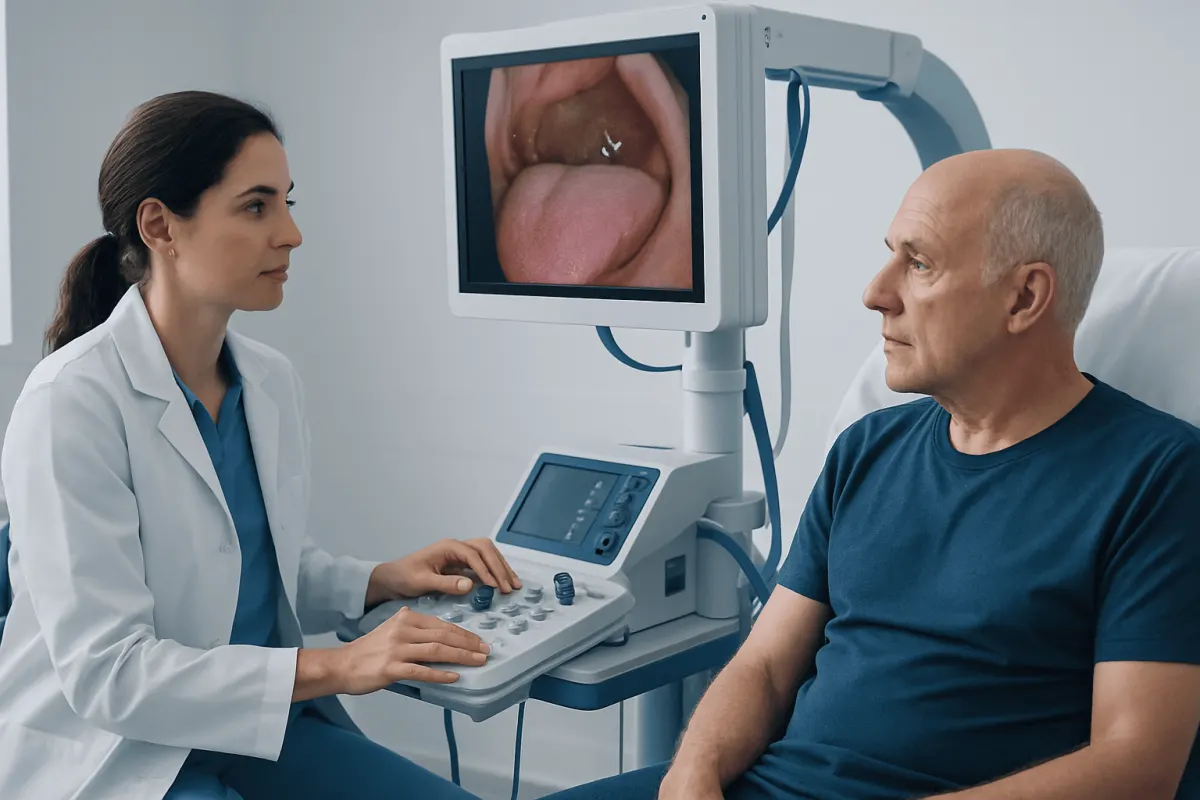
Stage 4 tongue cancer means the cancer has grown extensively into nearby structures, spread to lymph nodes, or spread to distant organs. Although it is a serious diagnosis, modern care can control disease, relieve symptoms, and in some cases aim for cure, depending on the exact stage, location, and a person’s overall health.
Overview: what stage 4 tongue cancer means
Stage 4 tongue cancer is an advanced form of cancer affecting the tongue. Most tongue cancers are squamous cell carcinomas, which begin in the thin, flat cells lining the mouth or the base of the tongue. The stage describes how far the cancer has spread, not how quickly it will progress or how a particular person will respond to treatment.
Depending on the cancer’s exact site, stage 4 disease may mean that it has grown into nearby tissues such as the jaw, deep muscles of the tongue, skin, or structures of the throat; has spread to multiple or large lymph nodes in the neck; or has travelled to distant organs. Cancer that begins in the front two-thirds of the tongue is usually classified as an oral cavity cancer, while cancer at the back of the tongue is commonly grouped with oropharyngeal cancers. These areas are assessed and staged somewhat differently.
Stage 4 does not automatically mean that treatment is ineffective or that there is only one option. Some locally advanced cancers can still be treated with curative intent, often using more than one treatment. When cancer has spread to distant organs, treatment may focus on slowing cancer growth, easing symptoms, preserving daily function, and supporting quality of life.
Symptoms and how diagnosis is confirmed
Tongue cancer can cause a sore, thickened patch, lump, ulcer, or red or white area that does not heal. Other possible symptoms include persistent tongue or mouth pain, bleeding, numbness, difficulty chewing or swallowing, changes in speech, ear pain, unexplained weight loss, or a lump in the neck. Symptoms may have causes other than cancer, but persistent changes should be examined promptly.
A specialist commonly examines the mouth, tongue, throat, and neck, sometimes using a flexible camera to inspect areas farther back in the throat. A biopsy is needed to confirm whether cancer is present and to identify its cell type. For cancers near the base of the tongue, tumor testing may also include human papillomavirus (HPV)-related markers, as this can influence classification and treatment planning.
Imaging helps define the extent of disease. This may include contrast-enhanced CT, MRI, PET-CT, chest imaging, or ultrasound-guided evaluation of neck lymph nodes. The findings are discussed by a multidisciplinary team, often including head and neck surgeons, radiation oncologists, medical oncologists, radiologists, pathologists, dentists, speech and swallowing specialists, and dietitians.
- Biopsy confirms the diagnosis.
- Scans assess the primary tumor, lymph nodes, and possible distant spread.
- Dental and nutrition assessments can help prepare for treatment.
Causes and factors linked with tongue cancer

Tobacco use is a major preventable risk factor for oral tongue cancer. This includes smoking and smokeless tobacco products. Heavy alcohol use also increases risk, and the combination of tobacco and alcohol raises risk more than either exposure alone. Stopping tobacco and reducing alcohol remain beneficial even after a cancer diagnosis.
HPV infection is strongly associated with many cancers of the oropharynx, including some cancers at the base of the tongue. It has a less prominent role in cancers of the front part of the tongue. HPV-related status is one of several features doctors consider when discussing a cancer’s behavior and treatment approach.
Other possible contributors include older age, a weakened immune system, prior head and neck radiation, and poor oral health in some circumstances. However, tongue cancer can also occur in people without obvious risk factors. It is not caused by a single action or personal failing, and a diagnosis should be approached with practical medical support rather than blame.
Modern treatment approaches for stage 4 tongue cancer
Treatment is individualized according to whether the cancer is locally advanced or has spread to distant organs, where it started on the tongue, its biology, prior treatment, general health, and the person’s priorities. For some stage 4 cancers confined to the head and neck region, a curative plan may involve surgery followed by radiation therapy, sometimes with chemotherapy. Surgery may remove part of the tongue and affected lymph nodes in the neck, with reconstructive procedures used when needed to restore form and function.
For other locally advanced cancers, combined radiation therapy and chemotherapy may be used without surgery as the main initial treatment. This approach can be especially relevant when surgery would be unlikely to preserve acceptable function or when the tumor’s location makes an operation less suitable. Cancer Treatment: How It Works, Results and What to Expect" class="ahp-ilk">Head and neck cancer treatment is planned carefully to balance cancer control with speech, swallowing, dental, and nutritional needs.
When cancer is recurrent or metastatic, systemic therapies may be offered. Depending on tumor features and previous treatment, these can include chemotherapy, immunotherapy, targeted medicines, or combinations of treatments. Radiation or surgery may still help control a particular painful or obstructive area. Clinical trials may also be considered when available and appropriate.
Supportive and palliative care can begin at any stage and can be provided alongside cancer-directed treatment. It addresses pain, swallowing difficulty, dry mouth, fatigue, nutrition, anxiety, and other concerns. This care is active, person-centered medical support and is not limited to end-of-life care.
Is there a treatment for tongue cancer that doesn't require surgery?
Yes. Some people with tongue cancer are treated without surgery, most commonly with radiation therapy combined with chemotherapy for certain locally advanced tumors. Radiation uses high-energy beams to damage cancer cells, while chemotherapy can make cancer cells more sensitive to radiation or treat cancer throughout the body.
For recurrent or metastatic disease, medicines such as immunotherapy, chemotherapy, and targeted therapy may be used without surgery. Immunotherapy helps the immune system recognize and respond to cancer in selected patients, but it does not work for everyone and can cause immune-related side effects that require close monitoring.
Whether a non-surgical approach is appropriate depends on the precise site of the tumor, stage, pathology results, possible effects on speech and swallowing, and the person’s health. A multidisciplinary consultation is important because the best treatment plan is not the same for every stage 4 tongue cancer.
What is the life expectancy for stage 4 oral cancer without treatment?
There is no reliable single life-expectancy figure for untreated stage 4 oral cancer. Outcomes vary substantially based on whether cancer is only advanced in the mouth and neck or has spread to distant organs, as well as tumor biology, nutrition, other medical conditions, and the pace of the disease. Published survival figures cannot predict what will happen to one individual.
Without treatment, advanced tongue and oral cancers generally continue to grow or spread and may increasingly affect eating, swallowing, speech, breathing, pain control, and weight. Some people may deteriorate over months, while others may have a different course. A treating clinician is best placed to explain the likely outlook using current imaging, pathology, and symptoms.
Even if a person chooses not to have cancer-directed treatment, specialist supportive care can make a meaningful difference. It may help manage pain, maintain nutrition and hydration, address swallowing and breathing concerns, and support practical and emotional decisions. Early discussion of these needs allows care to reflect the person’s goals.
Is tongue cancer lethal?
Tongue cancer can be life-threatening, particularly when it is diagnosed at an advanced stage or spreads to distant parts of the body. However, it is not inevitably fatal in every case. Many factors influence outcome, including the exact stage, location, tumor characteristics, response to treatment, and access to coordinated specialist care.
Earlier diagnosis generally provides more treatment options, which is why a non-healing mouth sore, unexplained neck lump, persistent swallowing difficulty, or ongoing tongue pain should not be ignored. For stage 4 disease, the care team can explain whether the treatment goal is cure, long-term disease control, symptom relief, or a combination of these goals.
It can be helpful for patients and families to ask direct questions about the purpose of each treatment, likely benefits, possible side effects, and what support is available. Clear information enables shared decisions that respect both medical evidence and personal priorities.
What is life like after tongue cancer surgery?
Life after tongue cancer surgery differs greatly depending on how much tissue is removed, whether reconstruction is needed, and whether radiation or chemotherapy is also given. In the early recovery period, swelling, pain, fatigue, and temporary changes in speaking, eating, and swallowing are common. Some people need a feeding tube for a period while healing and nutritional intake are supported.
Speech and swallowing therapy are central to rehabilitation. Many people make meaningful improvements over time by working with specialist therapists, practicing tailored exercises, and adapting food textures or eating techniques where needed. Reconstructive surgery, often using tissue from another part of the body, may help restore tongue movement and the ability to eat and speak.
Longer-term effects can include dry mouth, altered taste, dental problems, stiffness in the jaw or neck, changes in appearance, and emotional adjustment. Regular dental care, nutrition follow-up, physical therapy where indicated, and psychological support can all be valuable. Tongue cancer care should include rehabilitation planning from the start, not only after treatment ends.
When to seek medical care
A doctor or dentist should assess a mouth ulcer, tongue patch, lump, or sore that lasts longer than two weeks, particularly if it is painful, bleeds, becomes larger, or is associated with a neck lump. Persistent difficulty swallowing, hoarseness, unexplained ear pain, numbness in the mouth, or unexplained weight loss also deserves medical assessment.
Urgent medical care is needed for new or worsening breathing difficulty, inability to swallow liquids, significant bleeding from the mouth, severe dehydration, or rapidly increasing neck swelling. People already diagnosed with tongue cancer should contact their cancer team about worsening pain, fever, difficulty eating or drinking, new neurological symptoms, or treatment side effects that feel unmanageable.
Acıbadem Health Point’s multidisciplinary specialists and JCI-accredited hospitals evaluate and treat head and neck cancers for international patients, with attention to cancer therapy, reconstruction, and rehabilitation. Seeking assessment promptly can clarify the diagnosis and allow treatment and supportive care options to be discussed in a timely way.
Frequently asked questions
01Can stage 4 tongue cancer be cured?
Some stage 4 tongue cancers that remain limited to the tongue, nearby tissues, and neck lymph nodes may be treated with curative intent. Treatment commonly uses surgery, radiation therapy, chemotherapy, or a combination. If cancer has spread to distant organs, cure is less often possible, but treatment can still control disease and reduce symptoms.
02How is stage 4 tongue cancer different from earlier stages?
Stage 4 indicates more extensive local growth, more significant lymph node involvement, or spread to distant organs. Earlier stages are generally smaller and more localized. The exact stage is determined using biopsy findings, physical examination, and imaging results.
03Can stage 4 tongue cancer spread to other organs?
Yes. Advanced tongue cancer can spread through lymph nodes in the neck and, in some cases, through the bloodstream to distant organs. The lungs are a common site of distant spread in head and neck cancers, though patterns vary. Imaging tests help doctors assess whether this has occurred.
04Will treatment affect speech and swallowing?
Treatment can affect speech, swallowing, taste, saliva production, and jaw movement, especially when surgery or radiation involves a large area. The degree of change depends on the tumor location and treatment plan. Speech and swallowing therapy, nutrition support, and rehabilitation can help people adapt and recover function.
05What happens if stage 4 tongue cancer returns after treatment?
If cancer returns, the team reassesses its location, extent, prior treatments, and tumor characteristics. Options may include surgery, radiation in selected cases, systemic treatment such as immunotherapy or chemotherapy, clinical trials, and symptom-focused care. The plan is tailored to the individual’s condition and goals.
06Should a person get a second opinion for stage 4 tongue cancer?
A second opinion from a head and neck cancer multidisciplinary team can be useful, particularly before major surgery or combined chemotherapy and radiation. It may confirm the diagnosis and stage, review pathology and scans, and help clarify treatment choices. Seeking another expert view should not significantly delay urgent treatment planning.
This article is for general information only and is not a substitute for professional medical advice. Please consult a qualified doctor about your individual situation.
Medical weight-loss options in Turkey — costs & eligibility
JCI-accredited · board-certified surgeons · reply within 24h
Add us as a Preferred Source to see more of our trusted health content across Google Search, AI Overviews and Discover.