Cancer Fatigue vs Normal Fatigue: Key Differences
Cancer-related fatigue is more intense, persistent and less likely to improve with sleep or rest than normal fatigue after a busy day, poor sleep or temporary illness. It can be caused by cancer itself, treatment or related health concerns, so new or worsening fatigue should be discussed with a healthcare professional.
Cancer Fatigue vs Normal Fatigue at a Glance
Cancer-related fatigue is an ongoing feeling of physical, emotional or mental exhaustion related to cancer or its treatment. Unlike ordinary tiredness, it may feel out of proportion to recent activity and may continue even after adequate sleep or a quiet day. It can make work, relationships, mobility and personal care more difficult.
Normal fatigue is common after exertion, emotional stress, missed sleep, travel, a minor illness or a demanding schedule. It generally has a clear explanation and improves when the person restores sleep, eats and drinks regularly, reduces activity temporarily and recovers from the trigger.
| Feature | Normal fatigue | Cancer-related fatigue |
|---|---|---|
| Typical trigger | Busy days, exercise, poor sleep, stress or short-term illness | Cancer, treatment, anemia, pain, sleep disruption, emotional distress or other medical factors |
| Response to rest | Usually improves after rest or sleep | May persist despite rest and sleep |
| Intensity | Usually matches the level of activity or sleep loss | May feel excessive for the activity performed |
| Daily function | Often manageable with a short recovery period | May limit walking, working, thinking, socializing or self-care |
| Pattern | Often temporary and predictable | May fluctuate, last for weeks or occur during and after treatment |
These patterns are guides rather than diagnostic rules. Fatigue has many possible causes, and a clinician can help determine whether it is linked to cancer, treatment, another health condition or more than one factor.
How a Clinician Tells Them Apart
A clinician begins by asking when fatigue started, how it changes through the day, what improves or worsens it, and how much it interferes with ordinary activities. They may ask a person to describe whether they need more time in bed, are unable to complete routine tasks, struggle to concentrate or stop activities they normally enjoy.
The assessment also considers cancer type, stage and current treatment. People receiving cancer care may experience fatigue due to the illness itself, surgery, chemotherapy, radiotherapy, immunotherapy or hormone treatment. Fatigue can also occur after treatment has ended, particularly while the body and daily routines are recovering.
A medical review may include a physical examination and blood tests. Depending on symptoms, clinicians may check for anemia, thyroid disorders, dehydration, poor nutrition, changes in kidney or liver function, infection and other conditions. They also review medicines, pain control, sleep quality, anxiety, depression and physical activity levels, because each can contribute.
There is no single test that confirms cancer-related fatigue. Instead, the diagnosis is based on the person’s experience, the clinical context and evaluation for reversible causes. Reporting changes early gives the care team the best opportunity to offer practical support.
How to Tell if Fatigue Is From Cancer
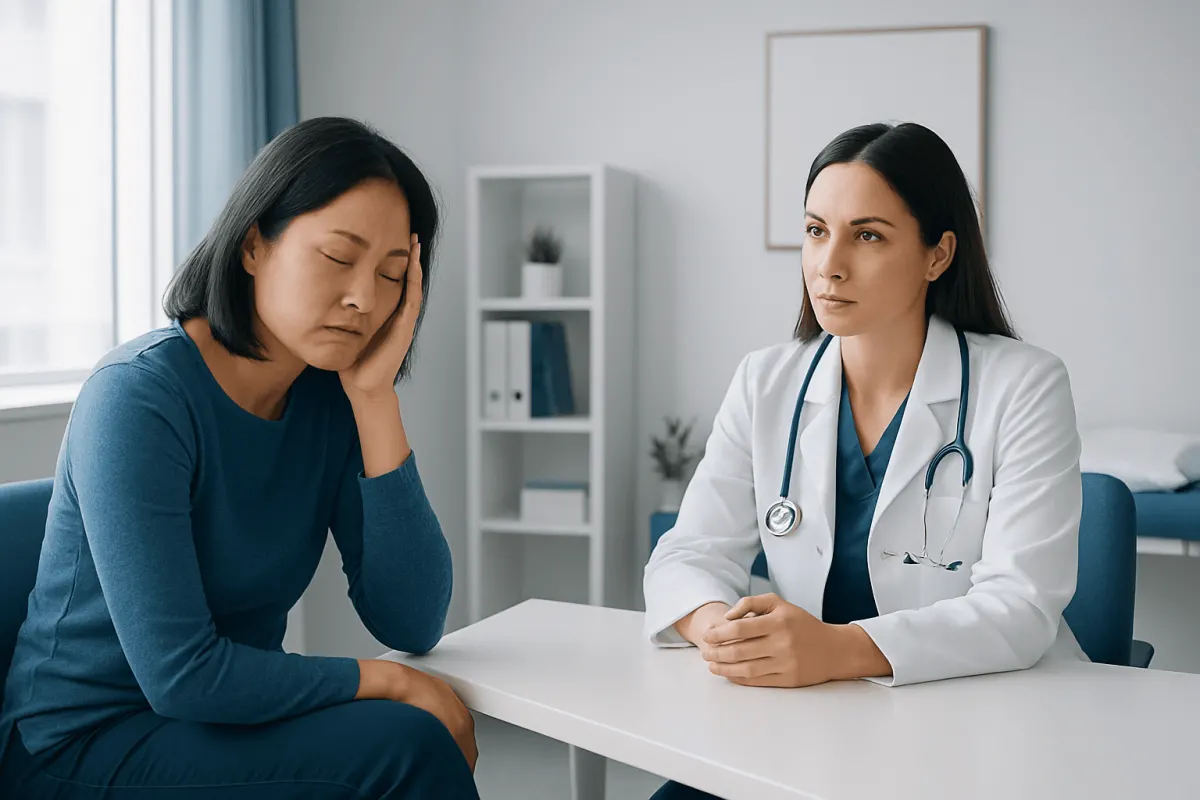
Fatigue may be related to cancer when it is persistent, unusually severe, not restored by sleep and difficult to explain by recent activity. It may also be accompanied by reduced stamina, slowed thinking, poor concentration, lack of motivation, irritability or a sense that even small tasks require substantial effort.
However, fatigue alone does not mean that a person has cancer. It is a very common symptom with many more frequent explanations, including insufficient sleep, stress, viral illness, anemia, thyroid disease, depression, medication effects and sleep disorders. Cancer is more likely to be considered when fatigue occurs alongside other concerning changes or in someone with a known Prostate Cancer Diagnosis: Tests and Next Steps" class="ahp-ilk">cancer diagnosis.
Symptoms that should be discussed with a doctor include unexplained weight loss, persistent fever or night sweats, unusual bleeding, a new or enlarging lump, ongoing pain, changes in bowel or bladder habits, persistent cough, breathlessness or fatigue that steadily worsens. A clinician can decide whether examination, blood testing or imaging is appropriate.
For someone already diagnosed with cancer, a new change in fatigue should not automatically be assumed to be part of treatment. It may signal a treatable concern, such as anemia, infection, poor fluid intake, uncontrolled pain or a medication side effect.
When Does Chemo Fatigue Start?
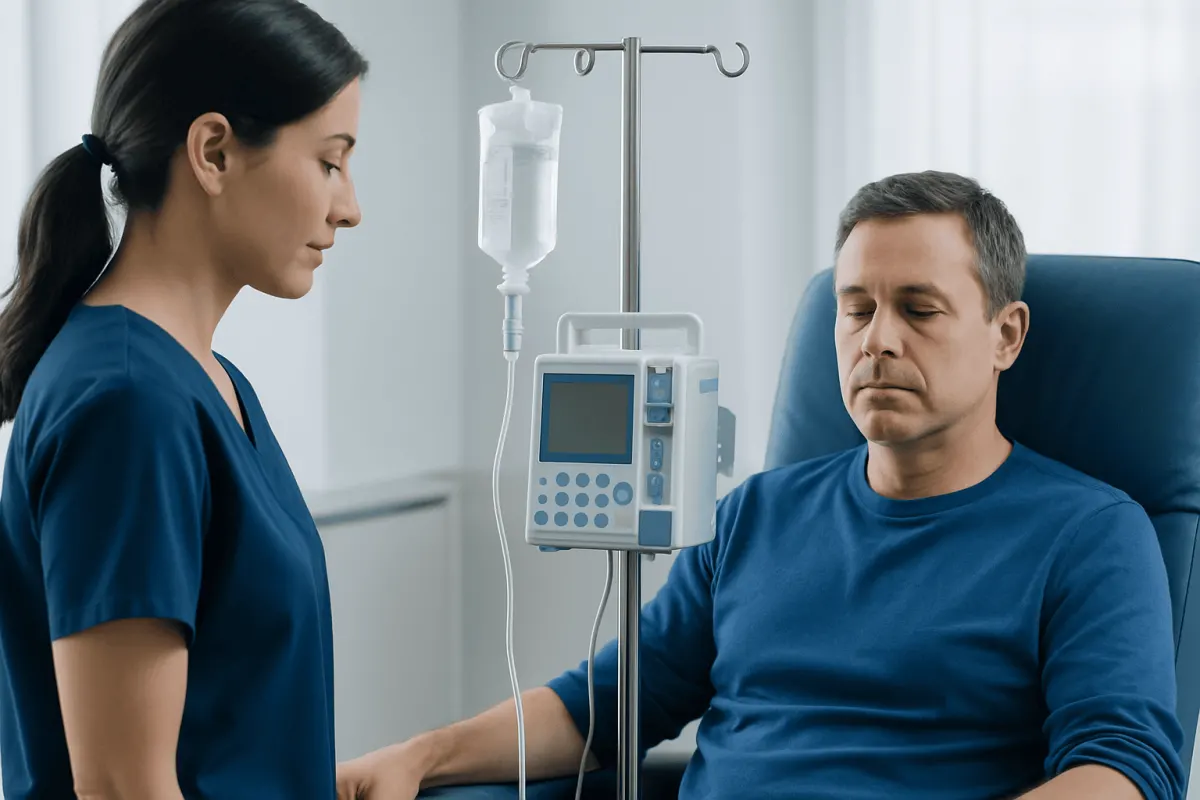
Chemotherapy-related fatigue can start within hours or days after an infusion, although the timing varies widely between individuals and treatment plans. Some people notice a predictable low-energy period after each cycle, while others experience fatigue that gradually increases over several cycles.
Fatigue may be related to the direct effects of chemotherapy, changes in blood counts, appetite changes, nausea, disturbed sleep, pain, emotional strain or reduced activity. In some cases, low red blood cell levels can contribute to tiredness, shortness of breath with exertion, dizziness or paleness. The oncology team may monitor blood counts and other health markers during treatment.
Recovery can occur between cycles, but this is not always complete. Fatigue can also continue for a period after chemotherapy finishes. Its duration depends on the medicines used, other treatments, the person’s overall health and whether contributing conditions are present.
People should tell their oncology team about their fatigue pattern, including its severity, timing and impact on daily life. Supportive strategies may include symptom management, nutrition advice, sleep support, supervised activity planning and, when appropriate, chemotherapy care adjustments guided by the treating team.
What Is the 62 Day Rule for Cancer?
The term “62 day rule” is commonly used in parts of the United Kingdom to describe a healthcare system target for the time from an urgent suspected-cancer referral to the first cancer treatment. It is an administrative pathway measure, not a medical rule that determines whether a person has cancer or how quickly cancer-related fatigue will occur.
Such targets are designed to support timely investigation and treatment, but actual pathways can differ by country, health system, cancer type and the tests required. The number should not be used to interpret symptoms, estimate an individual’s risk or delay seeking medical advice.
If persistent fatigue or other symptoms are worrying, the appropriate next step is to contact a qualified clinician promptly. The clinician can assess urgency based on the full symptom picture, medical history and examination findings rather than a fixed number of days.
What to Do for Normal Fatigue and Cancer Fatigue
For ordinary fatigue linked to a short-term cause, helpful measures often include regular sleep and wake times, adequate fluids, balanced meals, brief breaks during demanding days and a gradual return to usual activity. Limiting alcohol, avoiding late-day caffeine where it disrupts sleep and addressing stress can also help. If tiredness does not improve as expected, medical advice is sensible.
For cancer-related fatigue, complete bed rest is usually not the only answer. When medically safe, gentle and regular movement, such as short walks, stretching or an individualized rehabilitation plan, can help preserve strength and function. The pace should be realistic, with planned rest periods and tasks prioritized for times of day when energy is better.
Keeping a simple fatigue diary may help identify patterns around treatment days, sleep, meals, medicines, pain and activity. People may also benefit from practical support with shopping, transport, childcare or household tasks. A dietitian, physiotherapist, occupational therapist, psychologist or palliative care clinician may be involved when needed.
Treatment should target contributing causes where possible. This can include addressing anemia, pain, nausea, insomnia, low mood, medication effects or nutritional difficulties. Cancer rehabilitation may help some people rebuild function and manage treatment-related symptoms in a structured way.
What Level of Fatigue Is Concerning?
Fatigue is concerning when it is new, severe, rapidly worsening, unexplained, persists for more than a few weeks or prevents a person from managing normal responsibilities and self-care. It also deserves prompt medical review if it is accompanied by symptoms such as shortness of breath, palpitations, dizziness, fever, persistent vomiting, dehydration, significant pain or a marked decline in appetite.
People undergoing cancer treatment should contact their oncology team promptly if fatigue changes suddenly or is much worse than usual. The team may need to assess for infection, anemia, treatment side effects or other complications. Fever during chemotherapy can require urgent assessment because immunity may be reduced.
Emergency care is appropriate for fatigue with chest pain, severe breathing difficulty, fainting, confusion, new weakness on one side of the body, trouble speaking, black or bloody stools, or inability to stay awake. These symptoms may indicate a problem that needs immediate evaluation.
Acıbadem Health Point’s multidisciplinary specialists and JCI-accredited hospitals support international patients who need assessment and treatment for cancer-related symptoms. Individual recommendations should always be based on the person’s diagnosis, treatment plan and overall health.
Frequently asked questions
01Does cancer fatigue go away after sleep?
Cancer-related fatigue often does not fully improve after sleep, rest or a day with little activity. Sleep remains important, but persistent fatigue should be discussed with the oncology team because treatable factors may be contributing.
02Can fatigue be the first symptom of cancer?
Fatigue can occur with cancer, but by itself it is not a specific sign of cancer. It is more commonly caused by sleep problems, stress, infection, anemia, medications or other medical conditions. Persistent, unexplained or worsening fatigue warrants a medical assessment.
03How long does chemotherapy fatigue last?
Chemotherapy fatigue may last for days after a treatment session, may build across cycles or may continue for some time after treatment ends. The timeframe varies by treatment, overall health and other factors such as anemia, sleep problems or nutritional changes.
04Is it safe to exercise when experiencing cancer fatigue?
For many people, gentle, tailored physical activity is safe and can help with fatigue, mood and physical function. However, activity should be discussed with the treating team, especially if there is anemia, fever, severe breathlessness, bone involvement, dizziness or a high risk of falls.
05Can anemia cause fatigue during cancer treatment?
Yes. Anemia means there are fewer red blood cells available to carry oxygen, which can contribute to tiredness, reduced exercise tolerance, breathlessness and dizziness. Blood tests can help identify anemia, and the clinical team can recommend appropriate management.
06Should a person push through cancer fatigue?
Pushing through severe fatigue is usually not helpful and may lead to exhaustion or injury. A better approach is to balance gentle activity with planned rest, simplify tasks and report changes to the healthcare team so underlying causes can be addressed.
This article is for general information only and is not a substitute for professional medical advice. Please consult a qualified doctor about your individual situation.
Oncology care in Turkey — second opinion and treatment plan
JCI-accredited · board-certified surgeons · reply within 24h
Add us as a Preferred Source to see more of our trusted health content across Google Search, AI Overviews and Discover.