Can I Eat Rice After an Endoscopy?
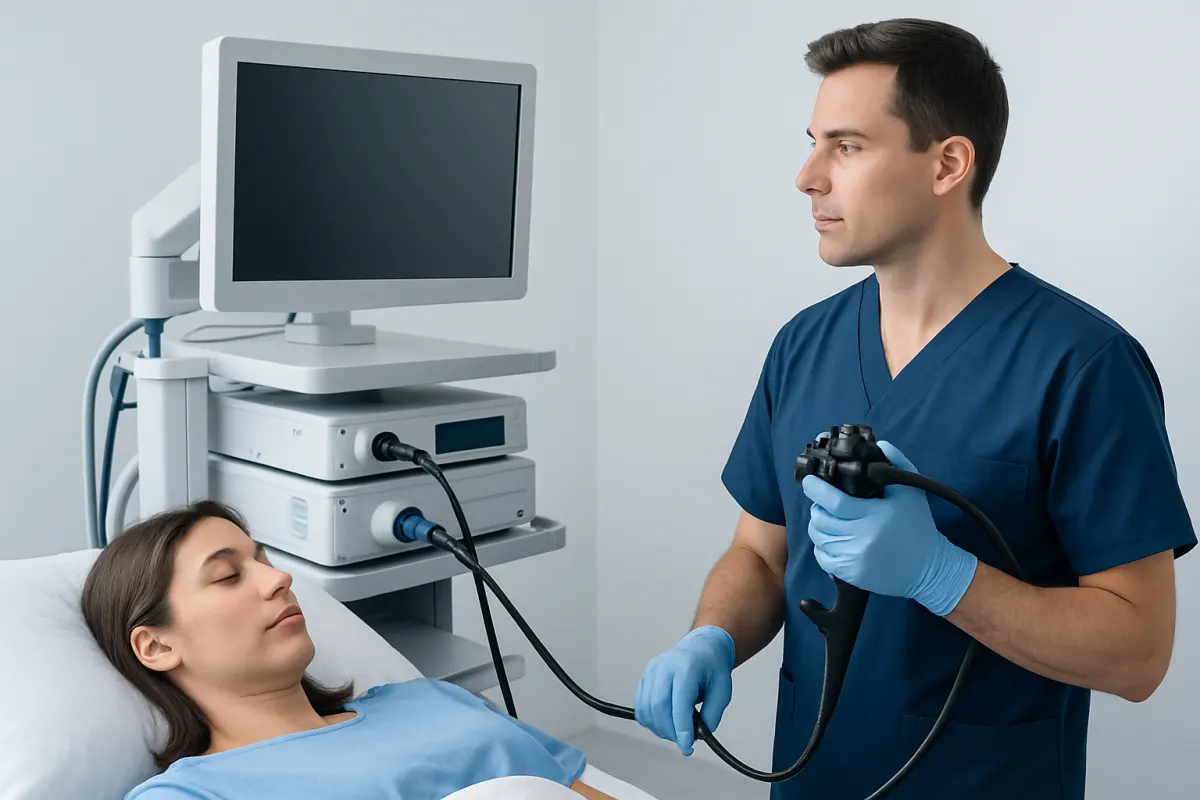
Most people can eat soft, plain rice after an upper endoscopy once they are fully awake, able to swallow comfortably, and have received no special dietary instructions. The best choice depends on whether sedation, a throat spray, biopsies, dilation, or another treatment was involved during the procedure.
Can I Eat Rice After Endoscopy?
Yes, most people can eat rice after an endoscopy, particularly a routine upper endoscopy or gastroscopy, once they are awake, can swallow normally, and the healthcare team has confirmed that eating is safe. Soft, plain, well-cooked rice is generally gentle on the stomach and throat. Starting with a small serving can help a person judge how comfortable it feels.
If a numbing throat spray was used, it is important to wait until the numbness has fully worn off before eating or drinking. This reduces the risk of choking. After sedation, people may also feel sleepy or mildly nauseated, so clear fluids or a light snack may be more comfortable before having a full meal.
Instructions may differ if the clinician performed an intervention, such as stretching a narrowed area of the esophagus, removing a lesion, controlling bleeding, or placing a device. In these cases, the endoscopy team’s individual advice should always come first. A person who cannot eat after endoscopy because of persistent nausea, pain, or swallowing difficulty should contact their medical team.
What Is the Best Food to Eat After an Endoscopy?
The best food after an endoscopy is usually one that is soft, mild, easy to swallow, and not very hot. Water is often the first appropriate choice after the swallowing reflex has returned. If this is tolerated, a person may progress to foods such as soup, yogurt, applesauce, mashed potatoes, oatmeal, toast, bananas, eggs, or plain rice.
For many people, the first meal does not need to be restricted for long after a routine gastroscopy. However, eating slowly and choosing a smaller portion than usual can reduce discomfort from temporary bloating, gas, nausea, or throat irritation. Carbon dioxide or air used to expand the digestive tract during the examination can cause brief fullness or belching afterward.
Foods should also reflect the reason for the procedure and any ongoing digestive symptoms. For example, a person being assessed for reflux, indigestion, or gastritis may find bland, lower-fat foods more comfortable while awaiting results or following treatment advice. A clinician or dietitian can provide more tailored guidance when symptoms are continuing.
- Start with sips of water or another non-alcoholic drink.
- Choose soft foods at a comfortable temperature.
- Eat small portions and pause if nausea or pain develops.
- Return gradually to usual meals as tolerated, unless instructed otherwise.
Can I Eat Curd Rice After Endoscopy?
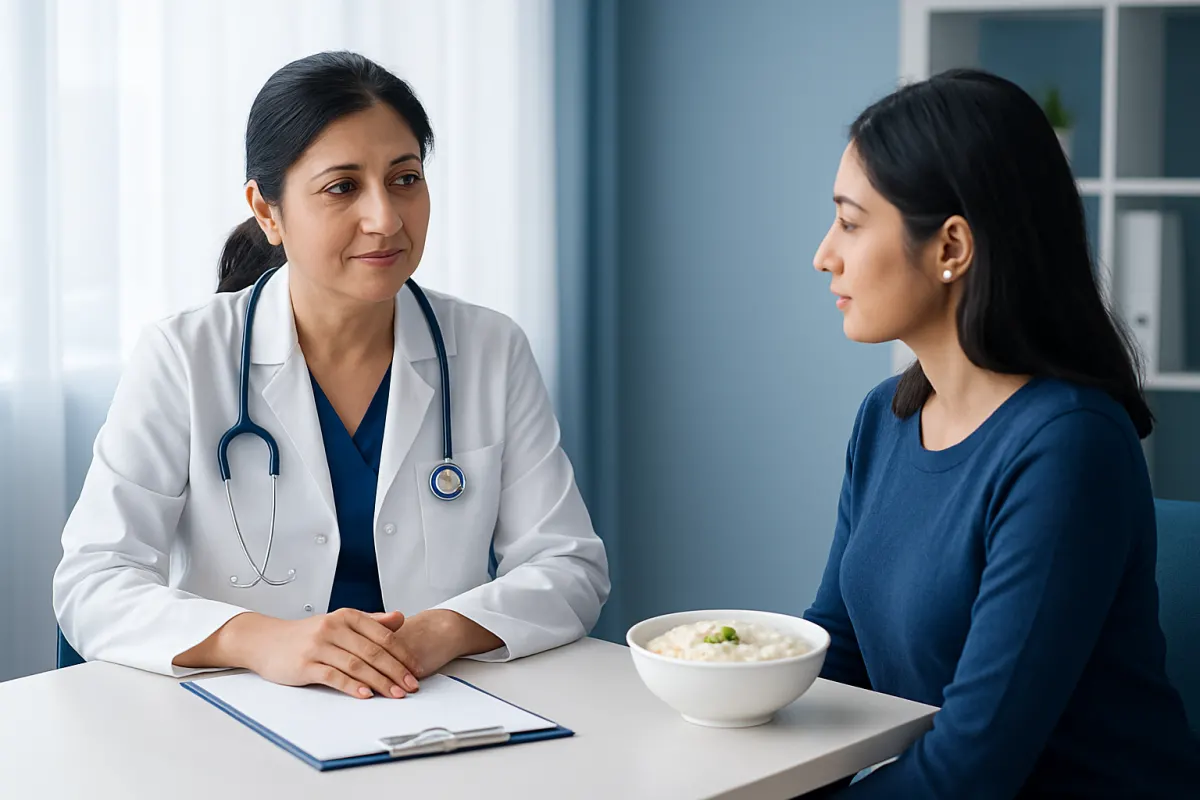
Curd rice can often be a reasonable choice after endoscopy if swallowing is normal and the person has no specific dietary restrictions. Soft rice combined with plain yogurt is mild and easy to chew for many people. It may be especially appealing if the throat feels mildly sore after the scope has passed through it.
It is best to keep curd rice simple at first. Avoid adding chili, pickles, fried tempering, large amounts of oil, or strong spices, as these may worsen nausea, heartburn, or throat discomfort. It should also be served cool or at room temperature rather than very cold if cold foods aggravate throat sensitivity.
People who are lactose intolerant, have been advised to avoid dairy, or notice increased bloating after yogurt may prefer plain rice, broth, or another soft food. After procedures involving the esophagus or stomach, individual instructions may include a temporary liquid or soft-food diet, so the treating team’s plan remains the safest guide.
What Should I Avoid Eating After an Endoscopy?
For the first meal after a routine endoscopy, it is sensible to avoid foods that are difficult to swallow, harsh on an irritated throat, or likely to trigger stomach upset. This includes very hot drinks, spicy foods, greasy or fried meals, alcohol, and foods with sharp or hard textures such as chips, nuts, crusty bread, or raw vegetables.
A person may be able to return to regular food after endoscopy on the same day, but there is no need to rush. Rich foods can be less comfortable if sedation has caused nausea, while spicy or acidic foods may sting a sore throat or aggravate reflux. Fizzy drinks may also increase bloating in some people.
It is particularly important to avoid alcohol for at least 24 hours after sedation unless a clinician gives different advice. Sedation can impair coordination, judgment, and breathing, and alcohol can intensify these effects. The same day, the person should not drive, operate machinery, sign important documents, or make major decisions.
People often ask whether they can eat rice before endoscopy. For an upper endoscopy, no solid food should be eaten during the fasting period set by the endoscopy unit, which is commonly several hours before the test. The exact timing depends on the procedure, medical history, and type of sedation, so patients should follow the instructions they received rather than general online advice.
Can I Eat Chicken Noodle Soup After an Endoscopy?
Chicken noodle soup is often suitable after a routine endoscopy once swallowing is safe. A mild soup with soft noodles and tender, finely cut chicken can provide fluid, carbohydrate, and protein without being difficult to digest. Letting the soup cool to a warm, comfortable temperature is important, especially if the throat feels tender.
A simple preparation is preferable for the first meal. Choose broth that is not very spicy, oily, or salty, and avoid large pieces of meat or firm vegetables if swallowing feels uncomfortable. A small bowl is usually a better starting point than a large meal.
If nausea is present, clear broth or water may be easier to tolerate initially. If a person has had an esophageal dilation or another therapeutic procedure, they should ask their clinician whether they need liquids only, a soft diet, or a more specific progression before eating noodles or solid ingredients.
How Many Days of Rest Are Required After an Endoscopy?
After a routine diagnostic endoscopy, most people do not require several days of bed rest. They can commonly return to light activities the next day, and some feel well enough for gentle activities later the same day. However, rest is advisable for the remainder of the day if sedation was used.
The effects of sedative medicines can last longer than a person expects, even when they feel alert. Someone should arrange for a responsible adult to take them home and stay available according to the endoscopy unit’s instructions. Driving, cycling in traffic, using machinery, drinking alcohol, and making important decisions should be avoided for at least 24 hours after sedation.
Recovery time may be longer after a procedure that included treatment rather than examination alone. For example, removing tissue, treating bleeding, or widening a narrowing can involve extra dietary and activity directions. The clinician will explain when it is appropriate to resume work, exercise, and regular meals.
Acıbadem Health Point’s multidisciplinary specialists and JCI-accredited hospitals support international patients with diagnostic endoscopy and follow-up care, including individualized recovery guidance when needed.
When to Seek Medical Care
Mild throat soreness, temporary bloating, belching, or tiredness can occur after endoscopy and usually improve within a short time. However, a person should contact the endoscopy unit or a doctor promptly if they have pain that is severe, worsening, or not relieved by the advice they were given.
Urgent medical assessment is needed for chest pain, severe abdominal pain, fever, shortness of breath, repeated vomiting, vomiting blood, black or bloody stools, fainting, or difficulty swallowing that persists or worsens. These symptoms are uncommon but can indicate a complication that should not be managed at home.
People should also seek advice if they cannot keep fluids down, develop signs of dehydration, or remain unusually drowsy after sedation. When in doubt, contacting the treating team is appropriate because they know what was done during the procedure and can give the most relevant guidance.
Frequently asked questions
01Can you eat regular food after endoscopy?
Many people can return to regular food later the same day after a routine upper endoscopy. It is usually more comfortable to begin with fluids or soft, mild foods and advance as tolerated. Any instructions from the endoscopy team, especially after treatment during the procedure, should take priority.
02Can I eat rice after gastroscopy?
Usually, yes. Soft, plain, well-cooked rice is generally appropriate after a gastroscopy once throat numbness has gone, swallowing is normal, and the clinician has not prescribed a special diet. Start with a small portion and avoid spicy, oily additions initially.
03How soon can I drink water after an endoscopy?
Water is often allowed once a person is fully awake and can swallow safely. If a throat spray was used, they should wait until numbness has worn off to lower the risk of choking. The endoscopy team will confirm the appropriate timing before discharge.
04Why does my throat hurt after an endoscopy?
A mild sore throat can happen because the endoscope passes through the throat during an upper endoscopy. It commonly settles within a day or two and may feel better with cool or warm non-irritating fluids. Persistent or worsening pain, difficulty swallowing, fever, or breathing problems require medical advice.
05Can I eat spicy food after an endoscopy?
It is usually best to avoid spicy food for the first meal, especially if the throat feels sore or the stomach feels unsettled. Spices may worsen heartburn, nausea, or irritation. Most people can reintroduce their usual foods gradually when they feel well, unless their clinician advises otherwise.
06What if I feel nauseated after endoscopy?
Nausea can occur after sedation or after swallowing air during the procedure. Start with small sips of water and choose light foods only when ready. Contact a clinician if vomiting is repeated, fluids cannot be kept down, or nausea occurs with severe pain, fever, or bleeding.
This article is for general information only and is not a substitute for professional medical advice. Please consult a qualified doctor about your individual situation.
Persistent digestive symptoms? Get evaluated in Turkey
JCI-accredited · board-certified surgeons · reply within 24h
Add us as a Preferred Source to see more of our trusted health content across Google Search, AI Overviews and Discover.