Can Drinking Green Tea Help With Acne?
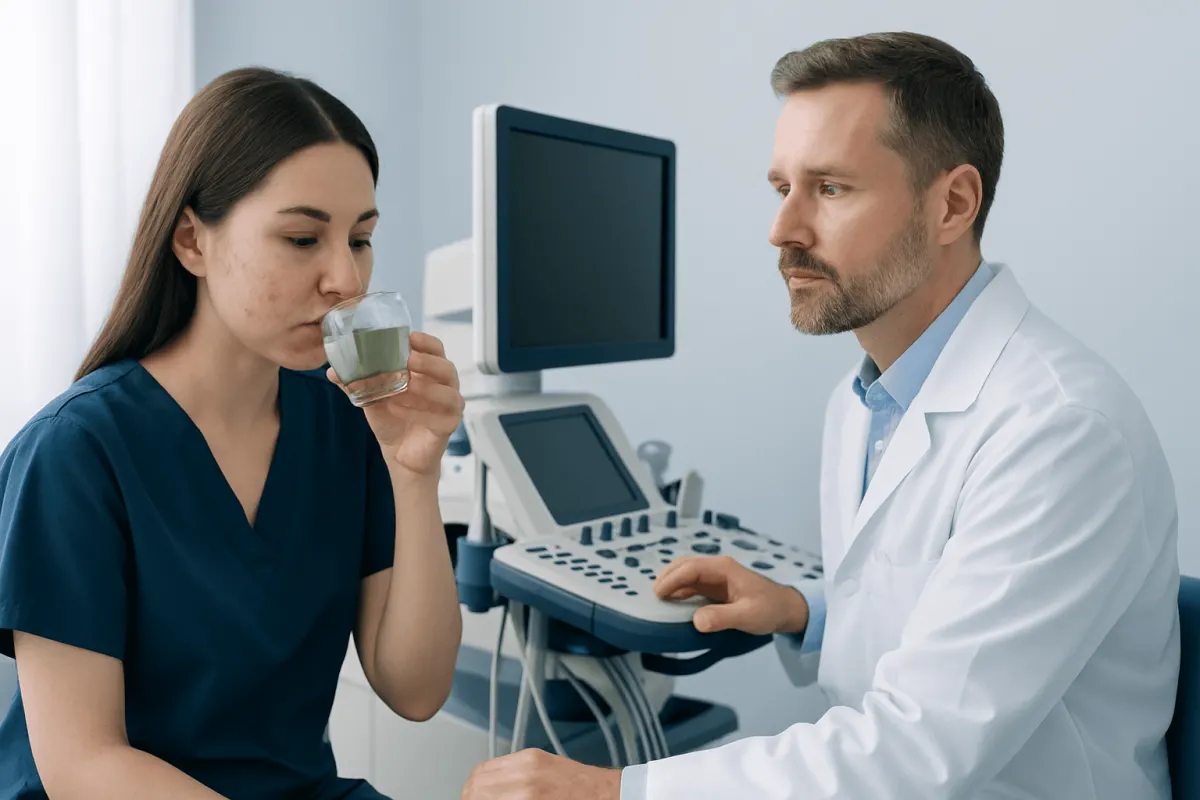
Drinking green tea may be a reasonable, low-risk addition to an acne-friendly routine, but current evidence does not show that it reliably clears acne on its own. Acne is a medical skin condition with several causes, and proven skin treatments remain the main approach for persistent or bothersome breakouts.
Drink Green Tea Acne: the evidence-based answer
For people asking whether they can drink green tea for acne, the practical answer is that unsweetened green tea may fit into a healthy routine, but it should not be expected to treat or cure acne. Green tea contains plant compounds with antioxidant and anti-inflammatory activity, yet clinical research has not established that drinking a particular amount consistently reduces breakouts.
Acne develops when pores become blocked with oil and dead skin cells, while inflammation and skin bacteria also contribute. Hormones, genetics, certain medicines, cosmetics, stress, and diet patterns can influence acne for some people. Because these factors vary, a single beverage is unlikely to produce the same result for everyone.
Green tea can be enjoyed as a beverage if it is well tolerated, preferably without added sugar or high-calorie syrups. It is best viewed as a supportive lifestyle choice alongside gentle skincare and treatments recommended by a qualified clinician, rather than as a replacement for them.
Why green tea is being studied for skin health
Green tea is made from the leaves of Camellia sinensis and contains polyphenols called catechins. Epigallocatechin gallate, often called EGCG, is one of the most studied catechins. Laboratory research suggests that these compounds may influence inflammatory pathways, oxidative stress, and sebum, the natural oil produced by the skin.
These findings are biologically interesting because inflammation and excess sebum are involved in many forms of acne. However, effects seen in laboratory studies do not necessarily predict what will happen when a person drinks tea. Digestion, absorption, the amount consumed, and individual differences all affect how plant compounds behave in the body.
Some research has also explored green tea extracts or green tea applied directly to the skin. These are different interventions from drinking brewed tea. A concentrated supplement may contain far more catechins than a cup of tea, and a topical product delivers ingredients to the skin rather than through the digestive system. Results from one approach should not be assumed to apply to another.
What clinical studies can and cannot tell patients

Small clinical studies have examined green tea preparations in people with acne, and some have suggested modest improvements in inflammatory lesions or oiliness. The evidence is not strong enough to conclude that drinking green tea is an effective acne treatment. Studies vary in their product type, dose, duration, participant characteristics, and the way acne outcomes are measured.
Research involving topical green tea formulations is somewhat more common than research on green tea drinks. Even there, findings are mixed, and products are not standardized. A topical product marketed with green tea may also include other active or inactive ingredients that affect the result or irritate sensitive skin.
For patients, the important distinction is between a potentially helpful habit and a proven treatment. Treatments with stronger evidence for acne include appropriate use of topical retinoids, benzoyl peroxide, azelaic acid, selected antibiotics, hormonal approaches for eligible patients, and oral isotretinoin for some severe cases. The right option depends on acne type, severity, medical history, pregnancy plans, and risk of scarring.
It may help to think of green tea as one small part of overall wellbeing, not as a test of whether acne is being managed correctly. If someone chooses to drink it, they should continue any prescribed acne treatment unless their clinician advises otherwise.
How to include green tea sensibly
Plain brewed green tea is generally a sensible choice for most adults who already tolerate caffeine. Choosing it unsweetened avoids the added sugars found in many bottled teas, café drinks, flavored powders, and syrups. Hydration, regular meals, sleep, and a balanced eating pattern are more useful foundations for general health than relying on any single food or drink.
There is no established amount of green tea to drink for acne. More is not necessarily better. Green tea naturally contains caffeine, although amounts vary by preparation. Caffeine may cause jitteriness, palpitations, reflux symptoms, anxiety, or sleep disruption in sensitive individuals. Poor sleep and stress can also make it harder for some people to manage their skin and overall health.
It is wise to avoid using high-dose green tea extract supplements for acne without medical advice. Concentrated extracts are not equivalent to brewed tea and have been associated, in rare cases, with liver injury. People who are pregnant or breastfeeding, have liver disease, are sensitive to caffeine, or take regular medicines should ask a doctor or pharmacist about whether green tea or supplements are appropriate.
- Choose freshly brewed or unsweetened green tea rather than sweetened beverages.
- Do not use green tea to delay effective acne care.
- Pay attention to sleep, stomach symptoms, and caffeine sensitivity.
- Seek professional advice before taking concentrated green tea supplements.
Building an acne-friendly routine beyond diet
A simple, consistent skincare routine is often more important than adding special foods or beverages. Washing the face gently up to twice daily and after heavy sweating can remove excess oil and surface debris. Scrubbing, harsh toners, and frequent product changes may irritate the skin and make acne appear more inflamed.
Using non-comedogenic, fragrance-free products can help reduce the chance that cosmetics, sunscreen, or moisturizers contribute to clogged pores. A moisturizer is still useful for oily or acne-prone skin, particularly when using drying acne treatments. Daily broad-spectrum sunscreen also helps protect skin and may reduce the visibility of post-acne dark marks over time.
Diet is not the sole cause of acne. Some people notice that high-glycemic foods or certain dairy products seem to worsen their acne, but responses differ and broad food restriction is rarely necessary. Rather than eliminating multiple foods without guidance, patients can focus on a varied eating pattern and discuss any clear, repeatable food-related pattern with a clinician or registered dietitian.
A person who has regular breakouts can benefit from learning about acne and its treatment options. Treatment should be tailored to the pattern of lesions, such as blackheads, whiteheads, inflamed bumps, nodules, or acne that leaves scars.
When to seek medical care
Medical advice is appropriate when acne is painful, deep, widespread, leaving scars or dark marks, or affecting confidence, mood, school, work, or social life. Early treatment can reduce the risk of long-lasting scarring. A dermatologist can also distinguish acne from conditions that can look similar, such as folliculitis, rosacea, or medication-related eruptions.
Patients should arrange an appointment if over-the-counter treatment has not helped after several weeks of consistent use, or if skin irritation makes treatment difficult to continue. Acne that begins suddenly or is accompanied by irregular periods, excess facial hair, scalp hair thinning, or other hormonal symptoms may also merit medical assessment.
Urgent care is needed for signs of a severe allergic reaction after a skincare product or supplement, including trouble breathing, swelling of the lips or face, or widespread hives. Severe acne itself is not usually an emergency, but rapidly worsening painful nodules should be assessed promptly.
Acıbadem Health Point’s multidisciplinary specialists and JCI-accredited hospitals assess and treat acne and related skin concerns for international patients. A clinician can help create a realistic plan that considers skin type, acne severity, prior treatment, and personal health needs.
A realistic way to track results
Acne naturally fluctuates, so it can be difficult to know whether green tea, a new cleanser, stress, menstrual cycles, or another change is responsible for improvement or worsening. If a person wants to see whether a lifestyle adjustment is helpful, it is best to change only one or two things at a time while keeping the main skincare routine stable.
Taking photographs in similar lighting every few weeks and noting the number of inflamed spots can provide a more reliable impression than checking the skin closely every day. Most acne treatments require consistent use and time before benefits are clear. Frequent switching can increase irritation and make results harder to interpret.
Green tea is not a cure, but it can be an enjoyable unsweetened drink for many people. The most effective acne strategy remains one based on evidence-supported skin treatment, gentle daily care, and timely medical guidance when acne persists or is causing distress.
Frequently asked questions
01Can drinking green tea clear acne?
Drinking green tea has not been proven to clear acne. It may be a healthy unsweetened beverage choice, but evidence for a meaningful acne benefit from drinking it is limited. Proven acne treatments and a consistent skincare routine are more reliable.
02How much green tea should someone drink for acne?
There is no established amount of green tea for acne treatment. People who enjoy it can drink a moderate amount that does not disturb sleep or cause stomach symptoms, anxiety, or palpitations. High-dose green tea extracts should not be used for acne without medical advice.
03Is topical green tea better than drinking green tea for acne?
Topical green tea has been studied more directly for acne than green tea beverages, but evidence remains mixed. Some products may modestly help inflammation or oiliness, while others may not make a noticeable difference. Patch testing a new product and stopping it if irritation occurs are sensible precautions.
04Can sweetened green tea make acne worse?
Sweetened green tea is not proven to cause acne by itself, but it can add substantial sugar to the diet. Some people with acne may benefit from limiting high-glycemic foods and drinks. Unsweetened tea is generally the simpler choice.
05Does green tea interact with acne medication?
Brewed green tea is usually well tolerated, but caffeine and other compounds can interact with some medicines or health conditions. Concentrated green tea supplements raise greater safety concerns than ordinary tea. A pharmacist or doctor can advise people who take regular medicines or are considering supplements.
06When should acne be treated by a dermatologist?
A dermatologist should assess acne that is painful, cystic, scarring, widespread, persistent despite over-the-counter treatment, or causing emotional distress. Medical treatment can often prevent worsening and reduce the chance of lasting scars or dark marks. Professional care is also helpful when the diagnosis is uncertain.
This article is for general information only and is not a substitute for professional medical advice. Please consult a qualified doctor about your individual situation.
Medical weight-loss options in Turkey — costs & eligibility
JCI-accredited · board-certified surgeons · reply within 24h
Add us as a Preferred Source to see more of our trusted health content across Google Search, AI Overviews and Discover.