Breaking Out: Common Causes and Acne Treatment
Breaking out usually refers to acne: pimples, blackheads, whiteheads, or deeper painful bumps that develop when hair follicles become blocked and inflamed. It is common at every age, and consistent skin care plus appropriate medical treatment can help reduce active breakouts and lower the risk of scarring.
Overview: What Does Breaking Out Mean?
Breaking out most commonly means developing acne. Acne occurs when tiny openings in the skin, called hair follicles or pores, become blocked with oil, dead skin cells and other material. This can lead to whiteheads, blackheads, red pimples, pus-filled spots, or deeper lumps beneath the skin.
Although acne is strongly associated with the teenage years, it can begin or continue well into adulthood. A person may break out occasionally around a menstrual period, during stressful times, after changing cosmetic products, or as a more persistent skin condition. Breakouts are not a sign that someone is unclean, and aggressive washing or scrubbing can make irritation worse.
Most acne is manageable, but treatment is not one-size-fits-all. The right approach depends on the location of breakouts, the types of lesions present, the likelihood of scarring, skin sensitivity, pregnancy plans, medicines being taken and the effect acne is having on daily life.
How Breakouts Can Look and Feel
Acne can appear in several forms at the same time. Blackheads are open clogged pores that look dark because the material in the pore reacts with air, not because of trapped dirt. Whiteheads are closed clogged pores. Papules are small inflamed red bumps, while pustules are inflamed bumps with a visible white or yellow center.
More significant acne may cause nodules or cyst-like lesions. These are deeper, tender lumps that can remain for weeks and have a greater chance of leaving scars or dark marks. They should not be squeezed, picked or pierced, as this can increase inflammation, infection risk and permanent skin changes.
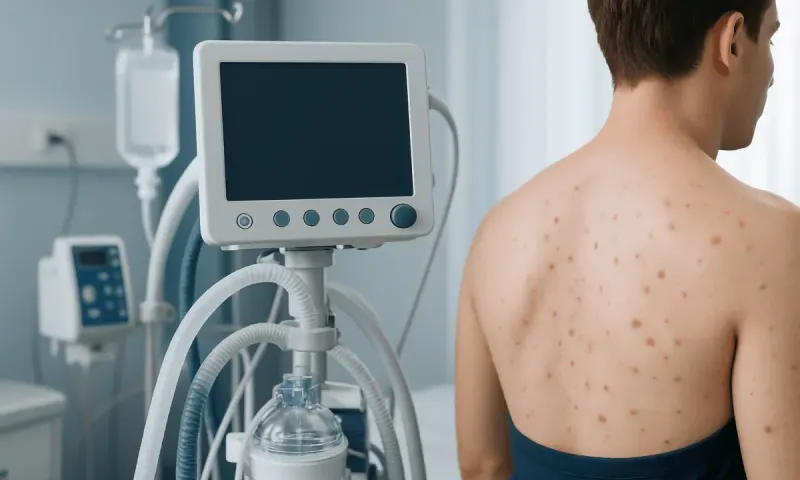
Breakouts most often occur on areas with many oil-producing glands, including the forehead, cheeks, chin, jawline, chest, upper back and shoulders. After a spot heals, some people develop post-inflammatory darkening or redness. These marks are different from true scars, although both may benefit from medical assessment when persistent.
- Comedonal acne: mainly blackheads and whiteheads
- Inflammatory acne: red papules and pustules
- Nodular or cystic acne: deep, painful lesions with a higher scarring risk
- Acne-related marks: temporary discoloration or longer-lasting scars after lesions heal
Why People Break Out: Causes and Triggers
Acne develops through several linked processes. The skin may produce more sebum, or oil; dead skin cells may accumulate within follicles; and inflammation may develop in the blocked area. Cutibacterium acnes, a normal skin bacterium, can contribute to inflammation in some people. Acne is therefore not simply a bacterial infection and is not caused by eating chocolate or having dirty skin.
Hormonal changes are an important influence. During puberty, increased androgen activity can stimulate oil production. Some adults notice breakouts before menstruation, during pregnancy, after stopping or changing hormonal contraception, or in association with conditions that affect hormones. New or worsening acne together with irregular periods, increased facial hair or scalp hair thinning deserves medical evaluation.
External factors can also contribute. Heavy or pore-clogging skin and hair products, oily workplace exposure, tight helmets, masks, chin straps, frequent friction and sweating may worsen acne in susceptible people. Certain medicines, including some corticosteroids, lithium and drugs containing androgen-like hormones, may also be associated with acneiform eruptions.
Stress does not directly cause acne, but it may worsen existing breakouts through hormonal and inflammatory pathways and by disrupting sleep or usual routines. Diet may play a role for some individuals, particularly foods with a high glycemic load, but evidence does not support severe dietary restriction as a universal acne treatment.
How Acne Is Diagnosed
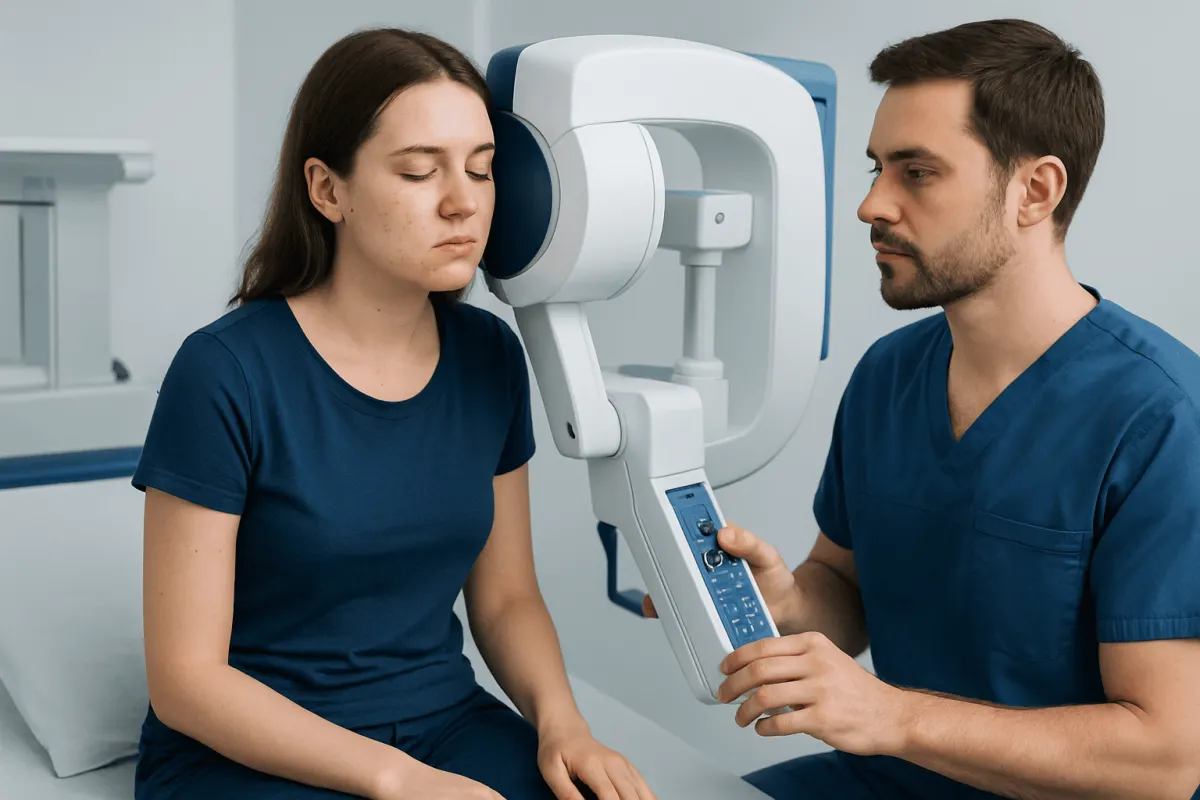
A clinician can usually diagnose acne by examining the skin and discussing symptoms, skin products, medical history and current medicines. There is generally no routine blood test or skin swab needed for typical acne. The clinician may identify whether lesions are mainly clogged pores, inflammation, deep nodules, or a mixture of these.
It is important to distinguish acne from other conditions that can resemble it. Rosacea, folliculitis, perioral dermatitis, allergic or irritant contact dermatitis and ingrown hairs may cause facial or body bumps but require different care. A sudden widespread rash, an intensely itchy eruption, or a breakout that began soon after starting a medicine should be assessed rather than treated as ordinary acne without guidance.
For some adults, especially women with signs of hormone imbalance, a doctor may ask about menstrual patterns, fertility concerns, weight changes or unwanted hair growth. Testing may be considered when symptoms suggest an underlying hormonal condition. Assessment also includes checking for scars, pigment changes and the emotional impact of acne, all of which can influence treatment choices.
Treatment Options for Breakouts
Effective acne care generally combines a simple skin routine with medicines chosen for the severity and type of acne. Improvement is gradual: many treatments need six to eight weeks of consistent use before early benefits are clear, and several months may be needed for fuller control. Starting too many new products at once can cause irritation and make it difficult to tell what is helping.
For mild acne, clinicians often recommend topical treatments that help prevent clogged pores, reduce inflammation or lower bacterial activity. These may include retinoid-based products, benzoyl peroxide, azelaic acid or selected topical antibiotics. Topical antibiotics are usually used alongside another acne treatment, rather than alone, to reduce the chance of antibiotic resistance.
Moderate or more widespread inflammatory acne may require prescription oral medicines for a limited period, alongside topical care. In appropriate patients, hormonal treatment can be useful when breakouts are linked to hormonal fluctuations. Severe nodular acne, acne causing scars, or acne that has not responded to other approaches may be treated with oral isotretinoin under specialist supervision because it requires careful monitoring and has important pregnancy-related safety considerations.
Dermatology procedures may sometimes support medical treatment, particularly for persistent comedones, dark marks or scars. Options can include professional extraction, chemical peels, light-based treatments or scar-focused procedures, but results vary and active acne should usually be controlled first. A dermatologist can explain which options are appropriate for an individual’s skin type and concerns.
Everyday Skin Care and Preventing Future Breakouts
A gentle, consistent routine can support medical treatment and reduce avoidable irritation. The face should be washed with a mild cleanser twice daily and after heavy sweating. Scrubs, cleansing brushes, harsh toners and repeated washing can damage the skin barrier, causing dryness and inflammation that may make acne feel worse.
People prone to acne can choose products labeled non-comedogenic or oil-free, including moisturizers, sunscreen and makeup. Moisturizer remains useful even for oily skin, particularly when using drying acne treatments. Broad-spectrum sunscreen can help prevent acne-related dark marks from becoming more noticeable and protects skin that may be more sensitive during treatment.
It is best to avoid picking, squeezing or repeatedly touching spots. Hair products should be kept away from the forehead and face where possible, and items that rub against the skin, such as phone screens, sports helmets and pillowcases, should be cleaned regularly. Showering and changing out of sweaty clothing after exercise may be helpful for chest and back acne.
A balanced eating pattern, adequate sleep and stress-management habits support overall health and may help some people manage flare patterns. However, acne should not be blamed on a lack of willpower or a single food. If a person believes a particular food is consistently associated with breakouts, they can discuss a safe, balanced trial of dietary changes with a clinician or registered dietitian.
When to Seek Medical Care
Medical advice is recommended for painful deep bumps, cyst-like acne, rapidly worsening breakouts, acne that is leaving scars, or acne that does not improve after a consistent over-the-counter routine. Early treatment of significant inflammatory acne can reduce the risk of long-term scarring and persistent pigment changes.
A person should also speak with a clinician if acne begins suddenly in adulthood, occurs with irregular periods or other hormone-related changes, or appears after a new medication. Pregnant, breastfeeding or planning-to-conceive patients should seek professional advice before using acne medicines, as some treatments are not suitable during pregnancy.
Acne can affect confidence, social comfort and mental well-being at any age. Support is appropriate when breakouts are causing embarrassment, anxiety, low mood, avoidance of activities or distress about appearance. A dermatologist or primary care clinician can provide a structured treatment plan and refer for additional support when needed.
Acıbadem Health Point’s multidisciplinary specialists and JCI-accredited hospitals can assess acne and related skin concerns for international patients, with treatment plans guided by individual clinical needs.
Frequently asked questions
01Is breaking out always acne?
No. Acne is the most common reason for breaking out, but other skin conditions can cause bumps, redness or pustules. Rosacea, folliculitis, contact dermatitis and reactions to medicines can look similar, so persistent or unusual rashes should be assessed by a clinician.
02Why am I suddenly breaking out as an adult?
Adult breakouts may be linked to hormonal changes, stress, new skin or hair products, friction, medicines or an underlying skin condition. Acne around the jawline and lower face can be hormonally influenced in some people. A doctor can help identify possible contributors, particularly if acne is new, severe or accompanied by other hormonal symptoms.
03Does washing the face more often stop breakouts?
Washing gently twice daily is usually enough for most people. Overwashing, scrubbing and using harsh products can irritate the skin barrier and may worsen redness and dryness. A mild cleanser and non-comedogenic moisturizer are generally more helpful than aggressive cleansing.
04How long does acne treatment take to work?
Many acne treatments require six to eight weeks of regular use before noticeable improvement, and fuller results may take several months. Some dryness or mild irritation can occur early with certain topical treatments. A clinician can adjust the plan if treatment is not effective or is difficult to tolerate.
05Can diet cause acne breakouts?
Diet is not the only cause of acne, and restrictive diets are not routinely necessary. Some research suggests that high-glycemic foods may worsen acne for certain people, but responses vary. A balanced diet is preferable, and any major dietary changes should be discussed with a qualified healthcare professional.
06Should acne spots be popped?
Popping or squeezing spots is not recommended, especially for deep or painful lesions. It can push inflammation deeper into the skin, increase the risk of infection and raise the chance of scars or dark marks. Persistent spots can be treated more safely with appropriate skin care and medical advice.
This article is for general information only and is not a substitute for professional medical advice. Please consult a qualified doctor about your individual situation.
Hair transplant in Turkey — costs, graft counts & a free assessment
JCI-accredited · board-certified surgeons · reply within 24h
Add us as a Preferred Source to see more of our trusted health content across Google Search, AI Overviews and Discover.