Can Botox Create a Subtle Eye Lift?
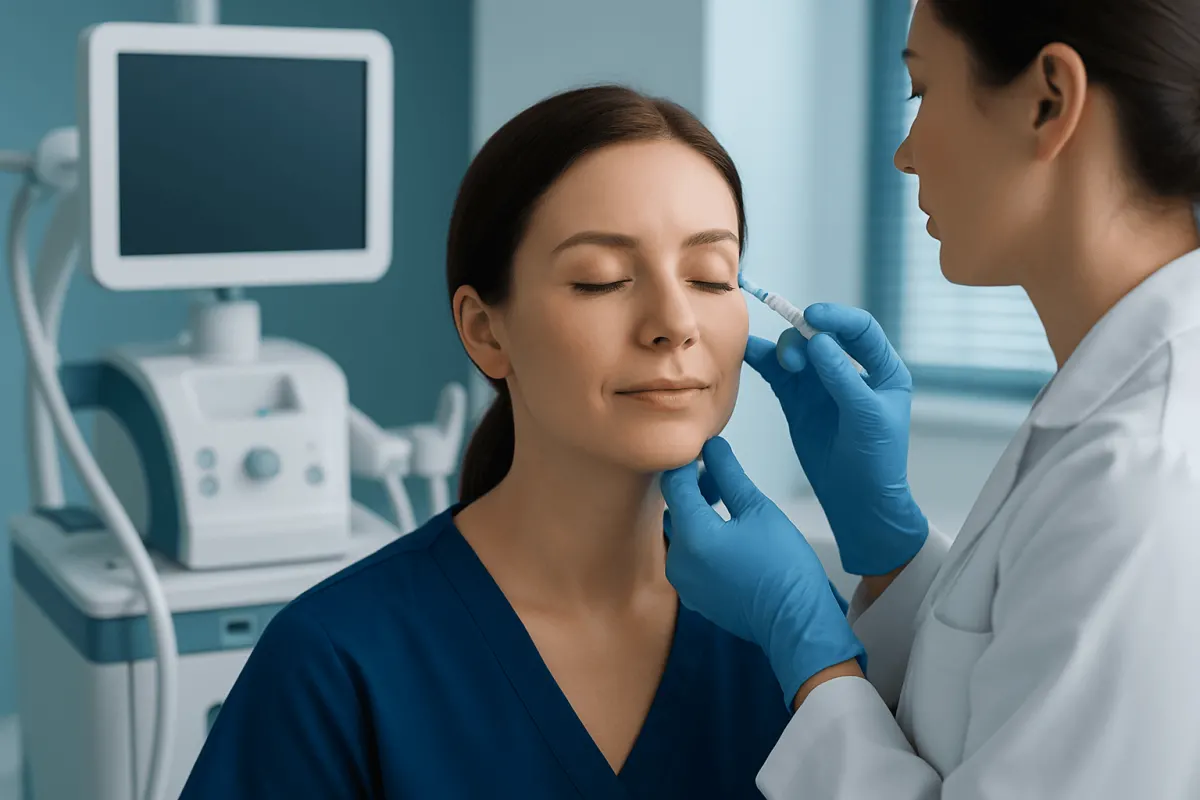
Botox for eye lift is a non-surgical treatment that may create a modest, temporary opening effect around the eyes by relaxing muscles that pull the eyebrows downward. It is best suited to selected people with mild brow descent or outer-eye heaviness, rather than significant loose eyelid skin or a true drooping eyelid.
Overview: What Is Botox for Eye Lift?
Botox for eye lift usually refers to strategically placed botulinum toxin injections that may create a subtle elevation of the outer eyebrow and a more open appearance around the eyes. The treatment works by relaxing selected muscles that pull the brow downward, allowing the opposing forehead muscles to lift the brow slightly. It is often called a chemical brow lift or Botox brow lift.
This approach does not remove loose eyelid skin, repair a weakened eyelid-opening muscle or replace eyelid surgery. The visible change is generally modest and temporary. A clinician should distinguish whether heaviness around the eyes comes from brow position, skin laxity, facial volume changes, an eyelid condition or a combination of factors.
Botulinum toxin is a prescription medicine and should be administered by a qualified, experienced medical professional after an individual assessment. Treatment planning is particularly important around the eyes because small differences in anatomy and injection placement can affect the brow and eyelid position.
How Botox Creates a Subtle Eye-Lifting Effect
The forehead muscle helps raise the eyebrows. Other muscles around the glabella and outer eye area can pull the brow downward or inward during facial expression. When a clinician relaxes carefully selected downward-pulling muscles, the forehead muscle may have relatively greater lifting effect. This can make the upper outer eye area look less crowded in suitable candidates.
The treatment changes muscle activity; it does not tighten skin or physically lift the eyelid. People with deep-set eyes, a naturally low brow, thin skin, marked upper-lid hooding or asymmetrical facial movement may need a more tailored discussion about what Botox can and cannot achieve.
Assessment may include looking at the face at rest and in motion, checking eyebrow position, reviewing previous injections or facial procedures, and evaluating whether eyelid droop affects the visual field. Photographs may help document baseline asymmetry and support realistic expectations.
Who May Be a Candidate for Botox for Eye Lift?

A person may be a reasonable candidate if they have mild outer-brow descent, expression-related heaviness near the eyes, or a wish for a small temporary change without surgery. Good candidates understand that the outcome is subtle, develops gradually and needs repeat treatment to maintain it.
Botox may not be appropriate for people with an existing drooping eyelid, weak eyelid-opening muscles, substantial excess upper-eyelid skin, certain neuromuscular conditions, an active skin infection at the injection site, or known allergy to ingredients in the product. Pregnancy and breastfeeding should be discussed with the treating clinician, as cosmetic treatment is commonly postponed in these situations.
A medical professional should also review medications and supplements, especially those that may increase bruising risk, and ask about previous botulinum toxin treatment. It is important to disclose past eyelid surgery, facial nerve problems, dry-eye symptoms and any history of unwanted effects from injections.
- Possible goals: a modest outer-brow elevation and a refreshed eye-area appearance.
- Goals better addressed differently: significant skin excess, impaired vision from hooded lids, or true eyelid ptosis.
- Key requirement: a face-to-face assessment by a qualified clinician experienced in periocular anatomy.
What Happens During the Procedure?
Before treatment, the clinician discusses the person’s concerns, examines eyebrow and eyelid movement, explains anticipated benefits and limitations, and obtains informed consent. The skin is cleaned, and injection points are selected based on individual anatomy rather than a one-size-fits-all pattern.
Using a very fine needle, the clinician places small amounts of botulinum toxin into targeted facial muscles. The injections usually take only a short time. Discomfort is often brief and may feel like small pinches; topical cooling may be used when appropriate.
Most people return home immediately after the appointment. The clinician may recommend staying upright for several hours, avoiding rubbing or massaging the treated areas, and postponing strenuous exercise, heat exposure and facial treatments for the period advised. Exact aftercare instructions can vary by product, injection sites and medical history.
For people considering other options, an assessment can clarify whether non-surgical injections or blepharoplasty (eyelid surgery) is more likely to address the underlying cause of upper-eye heaviness.
Recovery Timeline, Results, Benefits and Risks
There is typically little downtime after Botox injections. Small red marks, tenderness, mild swelling or bruising can occur at injection sites and often settle within hours to a few days. Makeup may usually be applied once the skin is intact and as advised by the clinician.
Early changes may begin within a few days, while the full result is often clearer at about one to two weeks. A review appointment may be offered to assess symmetry and response. The degree of visible brow lift varies, and some people notice a greater improvement in expression lines than in brow position.
Potential benefits include a temporary, non-surgical and relatively quick approach to selected expression-related concerns around the brow and eyes. Possible side effects include headache, bruising, temporary facial asymmetry, an overly high or uneven brow, dry-eye symptoms, and unintended eyelid or brow drooping. Rarely, an allergic reaction or more widespread muscle effects may occur and require urgent medical attention.
Choosing a properly trained injector, providing a complete medical history and following aftercare advice can help reduce risk, but cannot remove it entirely. It is sensible to avoid relying on Botox as a solution for a new unexplained eyelid change.
When to Seek Medical Care
New, sudden, worsening or one-sided eyelid drooping should be assessed promptly by a doctor, especially if it occurs with double vision, unequal pupils, severe headache, facial weakness, trouble speaking, swallowing difficulty, shortness of breath or weakness elsewhere in the body. These symptoms may not be related to cosmetic concerns and need urgent evaluation.
After Botox, contact the treating clinician promptly if an eyelid becomes noticeably droopy, vision changes occur, significant eye dryness or pain develops, or swelling and redness become progressively worse. Seek urgent care for breathing or swallowing difficulty, generalized weakness, or signs of a severe allergic reaction.
At Acıbadem Health Point, multidisciplinary specialists and JCI-accredited hospitals can assess eyelid and brow concerns and discuss suitable medical or surgical options for international patients. For a persistent droopy eyelid or visual obstruction, an eye specialist or appropriately qualified surgeon can help identify the cause before treatment is chosen.
Will My Droopy Eyelid Go Back to Normal After Botox?
If eyelid drooping occurs as an unintended Botox effect, it is usually temporary and improves as the medicine gradually wears off. Recovery can take several weeks and occasionally longer, depending on the individual, the dose, injection location and baseline eyelid function. A clinician may assess whether prescription eye drops are appropriate in selected cases, but they do not correct every type of droop.
If the eyelid was droopy before Botox, the answer depends on the cause. Botox does not reliably repair true ptosis caused by weakness of the eyelid-opening muscle, nerve-related problems or significant eyelid skin excess. A proper examination is important, particularly when drooping is new or affects vision.
How Long Does Eye Lift Botox Last?
The visible effect of Botox for eye lift commonly lasts about three to four months, although the duration differs between individuals. Muscle strength, metabolism, product used, treatment pattern and previous exposure to botulinum toxin can all influence how long results remain noticeable.
Results fade gradually rather than ending suddenly. Repeat treatment should be planned only after review by the treating clinician; receiving injections too frequently or using excessive doses can increase the chance of an unnatural result or unwanted weakness.
Will Botox Lift My Saggy Eyelids?
Botox can sometimes create a small outer-brow lift that makes the upper eye area appear more open. However, it does not remove or tighten sagging eyelid skin, and it cannot reliably lift an eyelid that is low because of true ptosis. In some people with a low brow or limited forehead muscle reserve, poorly planned treatment may make upper-eye heaviness more noticeable.
When excess skin or structural eyelid changes are the main concern, surgery such as blepharoplasty may provide a more direct and longer-lasting option. The safest choice follows an in-person assessment of the eyelids, eyebrows, vision and overall facial anatomy.
How Long to Wait for Botox After Blepharoplasty?
There is no single waiting period that suits everyone after blepharoplasty. The timing depends on the type of surgery, healing progress, swelling, scar maturation, eyelid position and the surgeon’s assessment. Botox is generally deferred until the operated tissues have healed adequately and the surgeon is satisfied that eyelid and brow function can be evaluated accurately.
People should not schedule cosmetic Botox after eyelid surgery without approval from their operating surgeon. Early injections can complicate assessment of swelling and symmetry, while treatment at the wrong time may affect muscles that are helping compensate for postoperative changes.
Frequently asked questions
01Is Botox for eye lift the same as eyelid surgery?
No. Botox temporarily relaxes selected facial muscles to create a subtle brow-lifting effect in some people. Eyelid surgery addresses structural concerns, such as excess skin or fat, and may be more appropriate for significant eyelid hooding or visual-field obstruction.
02How soon will I see results from Botox for eye lift?
Some change may be noticed within a few days. The effect is usually easier to judge after one to two weeks, when the treated muscles have had time to relax fully.
03Can Botox cause a droopy eyelid?
Yes, temporary eyelid drooping is an uncommon but recognized side effect. It can occur if the medicine affects nearby muscles involved in lifting the eyelid, which is why careful injection planning and an experienced clinician are important.
04Can I exercise after eye lift Botox?
People are often advised to avoid vigorous exercise for a short period after treatment, but specific guidance varies. The treating clinician should provide personalized aftercare instructions based on the injection sites and individual circumstances.
05Is Botox for eye lift painful?
The injections are usually brief and are commonly described as small pinches. Mild tenderness, redness or minor bruising can occur afterward and generally resolves quickly.
06Who should assess a droopy eyelid before cosmetic Botox?
A qualified medical clinician with relevant experience in facial and eye-area anatomy should assess it. An ophthalmologist or oculoplastic specialist may be particularly appropriate when drooping is new, one-sided, affects vision or is associated with other eye or neurological symptoms.
This article is for general information only and is not a substitute for professional medical advice. Please consult a qualified doctor about your individual situation.
Explore treatments in Turkey — costs, top hospitals & a free quote
JCI-accredited · board-certified surgeons · reply within 24h
Add us as a Preferred Source to see more of our trusted health content across Google Search, AI Overviews and Discover.