Eyebrow Lift Price: What Affects the Cost?
Eyebrow lift price depends on the type of lift, the clinician’s expertise, anesthesia and operating-facility fees, geographic location, and whether treatment is cosmetic or medically necessary. A personal consultation is the most reliable way to receive an itemized estimate and discuss possible insurance coverage.
Overview: What Determines Eyebrow Lift Price?
Eyebrow lift price is individualized rather than fixed. The total cost reflects the chosen technique, the complexity of the procedure, the experience of the surgeon, the anesthesia plan, operating-facility fees, preoperative assessments, medications, follow-up appointments and the region where care is provided. For this reason, online eyebrow lift prices, including searches for eyebrow lift price USA, should be viewed as general planning information rather than a personal quote.
An eyebrow lift, also called a brow lift or forehead lift, is a procedure that raises or reshapes a low or descended brow. It may improve a tired, heavy or stern appearance and, in some people, reduce skin heaviness over the upper eyelids. The aim should be a natural brow position that suits the person’s facial proportions rather than an excessively elevated appearance.
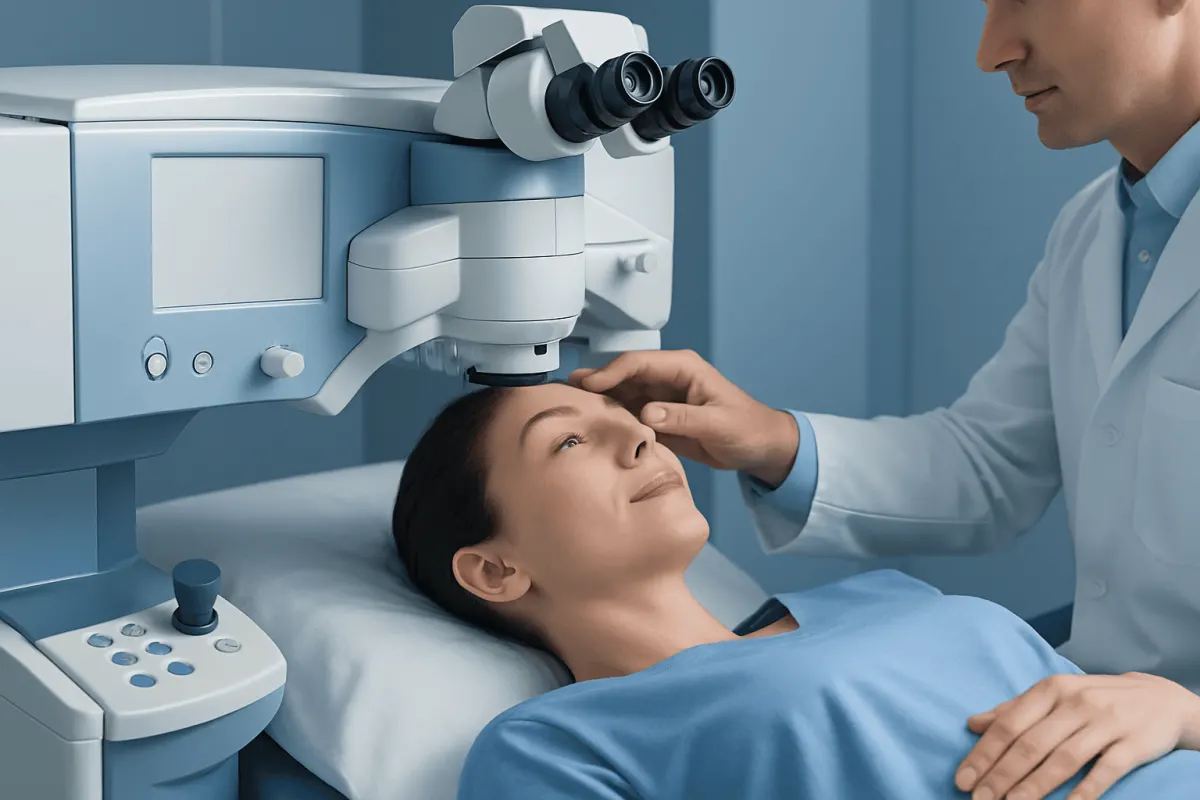
During a consultation, a qualified plastic surgeon evaluates the forehead, brow position, upper eyelids, skin quality, hairline and facial movement. An itemized treatment plan can clarify what is and is not included, how revisions or unexpected care would be handled, and whether a non-surgical option may be appropriate.
How an Eyebrow Lift Works and Who May Be a Candidate
The brow can descend over time because of skin laxity, changes in the forehead tissues and reduced support in the upper face. A brow lift repositions selected layers of the forehead and brow area, then secures them at a more balanced height. Depending on the technique, incisions may be placed within the hair-bearing scalp, at or near the hairline, or in natural forehead creases.
Potential candidates are adults who have a low brow position, brow asymmetry, forehead skin laxity or upper-lid heaviness related partly to brow descent. Good candidates are generally in stable health, do not smoke or are willing to stop nicotine use as advised, and have realistic expectations about scars, recovery and the degree of change possible.
A careful assessment is important because apparent excess upper-eyelid skin may be caused by brow drooping, true eyelid skin excess, or both. In some cases, a brow lift is considered alongside an upper eyelid procedure; the appropriate approach depends on anatomy and functional needs, not on appearance alone.
- Surgical options: endoscopic, temporal, hairline or coronal approaches may be considered according to brow position, forehead height and skin laxity.
- Non-surgical options: carefully placed botulinum toxin injections can create a modest temporary brow elevation in selected people.
- Combined treatment: eyelid surgery, skin resurfacing or other facial procedures may be discussed when clinically suitable.
What Happens During the Procedure

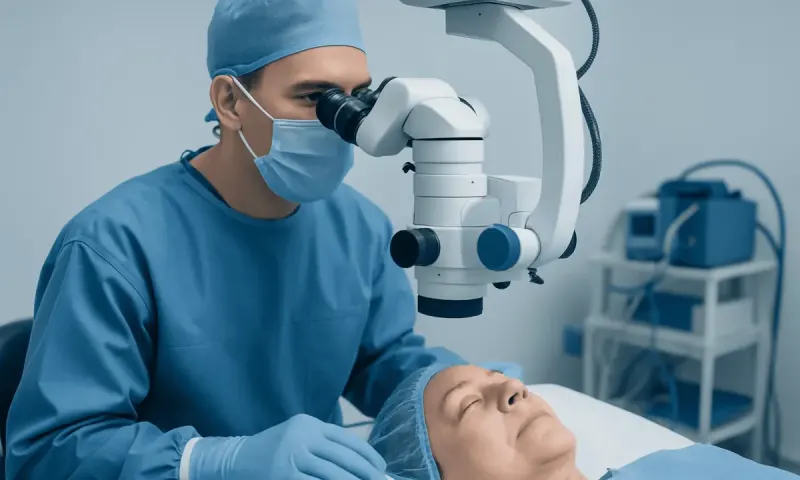
A surgical brow lift begins with preoperative planning, including photographs and markings while the person is upright. The procedure may be performed under general anesthesia or sedation with local anesthesia, depending on the planned technique, health factors and clinical setting. The surgeon then makes carefully positioned incisions and releases or adjusts tissues that pull the brow downward.
In an endoscopic brow lift, several small scalp incisions allow the surgeon to use a camera and specialized instruments. Other methods use a longer incision at the hairline, within the scalp or, less commonly, in a forehead crease. The surgeon raises and secures the brow tissues before closing the incisions. The method is chosen to balance the desired correction with factors such as hairline position, degree of laxity and scar considerations.
A non-surgical approach is different. Botox can relax muscles that pull the outer brow downward, allowing the opposing muscles to create a small lift in some individuals. Eyebrow lift price Botox is usually lower upfront than surgical treatment, but the effect is temporary and repeat treatment is needed. Injectable treatment cannot correct substantial skin excess or significant brow descent in the same way as surgery.
Recovery Timeline, Benefits and Possible Risks
Recovery varies with the technique and the individual. Swelling, bruising, tightness, numbness and mild discomfort are common early effects after surgery. Many people can gradually return to light daily activities after the initial recovery period, while exercise, heavy lifting, bending and other activities that increase blood pressure are usually restricted until the surgeon confirms healing is progressing well.
Visible bruising and swelling often improve over the following weeks, but subtle swelling, altered sensation and scar maturation can continue to change for several months. Keeping the head elevated when advised, attending follow-up visits, avoiding nicotine and following wound-care instructions can support recovery. The surgical team should provide an individualized timeline for work, driving, hair care and exercise.
Possible benefits include a more open upper-face appearance, improved brow symmetry where feasible and relief of brow-related upper-eyelid heaviness. As with any operation, risks can include bleeding, infection, fluid collection, unfavorable scarring, hairline changes, temporary or persistent numbness, asymmetry, injury to nerves affecting forehead movement, anesthetic complications and dissatisfaction with the aesthetic result. A consultation should include a clear discussion of these possibilities and how they are managed.
How to Get Insurance to Pay for an Eyebrow Lift?
Insurance generally does not cover an eyebrow lift performed solely to change appearance. Coverage may be considered when brow drooping causes a documented functional problem, such as obstruction of the upper visual field, and when the policy’s medical-necessity criteria are met. Requirements differ among insurers and plans, so prior authorization is often necessary.
To explore coverage, the patient can first review the insurance policy and ask the insurer about criteria for brow ptosis repair or functional eyelid-related surgery. The clinician may perform an examination, document symptoms and brow position, take standardized photographs and arrange visual-field testing when appropriate. The submitted records need to demonstrate why the procedure is needed for function rather than cosmetic preference.
Approval is not automatic, and an insurer may approve one part of treatment while excluding other cosmetic components. Patients should request written confirmation of coverage, network status, deductibles, co-insurance and any out-of-pocket responsibilities before scheduling surgery. A surgeon’s office may assist with documentation, but the insurer makes the coverage decision.
Is a Brow Lift Cheaper Than Blepharoplasty?
There is no universal answer because a brow lift and blepharoplasty are different procedures with different goals, techniques and resource needs. Upper blepharoplasty removes or repositions excess upper-eyelid skin and, when appropriate, fat. A brow lift addresses the position of the eyebrow and forehead tissues. The total cost for either procedure can vary substantially according to the surgical plan and care setting.
For some people, eyelid surgery alone may be sufficient. For others, removing upper-eyelid skin without addressing a low brow could create an unnatural result or fail to relieve the main source of heaviness. Combining procedures may increase the immediate overall cost and recovery needs, but it can be clinically appropriate when both brow descent and eyelid skin excess are present.
Comparisons should therefore focus on value and suitability, not only the initial price. A consultation can explain whether one procedure, another procedure or a staged or combined plan is likely to address the person’s concerns safely. Patients should ask for an itemized estimate that identifies professional, anesthesia and facility charges.
What Is the Average Age for a Brow Lift?
There is no single average age that determines whether a person should have a brow lift. People seek assessment at different ages because genetics, skin characteristics, sun exposure, facial anatomy and the strength of forehead muscles all influence when brow descent becomes noticeable. Some younger adults may have naturally low brows, while others do not develop concerns until later adulthood.
Rather than using age alone, surgeons assess whether brow position contributes to symptoms or appearance concerns and whether the person is medically suitable for a procedure. A person’s goals, skin elasticity, hairline, eyelid anatomy and willingness to accept recovery time are also relevant.
For individuals who have early or mild concerns, non-surgical treatment may be discussed as a temporary option. For more substantial descent, surgery may provide a more durable change. The most appropriate timing is a personal clinical decision made after an informed consultation.
Will Medicare Pay for a Brow Lift? When to Seek Medical Care
Medicare does not generally pay for cosmetic brow lifts. It may cover a functional procedure in certain circumstances when it is medically necessary to address documented visual impairment or another covered functional problem, subject to local coverage rules and supporting clinical evidence. People enrolled in Medicare should check their specific plan and confirm any authorization requirements before treatment.
A person should seek medical assessment if a drooping brow or upper eyelid appears to reduce vision, affects driving or reading, causes persistent forehead strain from lifting the brows, or interferes with daily activities. Sudden new eyelid or facial drooping, double vision, difficulty speaking, limb weakness, severe headache or other sudden neurologic symptoms require urgent emergency assessment, as they may have causes unrelated to normal aging.
For international patients, Acıbadem Health Point’s multidisciplinary specialists and JCI-accredited hospitals can assess facial and eyelid concerns and discuss appropriate Glaucoma Treatment Options: Drops, Laser, and Surgery Compared" class="ahp-ilk">treatment options. A consultation should always include a review of health history, medications, prior procedures and individual goals before any decision is made.
Frequently asked questions
01What is included in eyebrow lift price?
The total estimate may include the surgeon’s professional fee, anesthesia, operating-facility services, preoperative evaluation, surgical supplies, medications and follow-up care. What is included varies between practices and countries, so patients should request a written, itemized estimate. They should also ask about costs that may arise if additional care is needed.
02Are eyebrow lift prices lower with Botox than with surgery?
Botox treatment usually has a lower upfront cost than surgery because it is performed without an operating room or general anesthesia. However, its effects are temporary and maintenance injections are needed to sustain results. It also produces a more limited lift and may not be appropriate for significant brow descent.
03How long does a surgical brow lift last?
A surgical brow lift generally produces long-lasting repositioning of the brow, but it does not stop the natural aging process. Skin and soft tissues continue to change over time, and the duration of visible benefit varies by technique, anatomy, lifestyle and skin quality. A surgeon can discuss what is realistic for the individual.
04Can a brow lift improve vision?
It can improve the upper visual field when low brows contribute to functional obstruction. This needs to be assessed through an eye and facial examination and may involve formal visual-field testing. Not every person with brow descent has visual impairment, and outcomes depend on the underlying anatomy.
05Is a brow lift painful?
Discomfort is expected after surgery, but it is usually managed with the postoperative plan provided by the surgical team. People may experience tightness, tenderness, swelling and temporary numbness in the forehead or scalp. Severe or worsening pain, marked swelling, fever or wound concerns should be reported promptly to the treating clinician.
06Can brow lift surgery and blepharoplasty be done together?
Yes, they can be performed together when both low brow position and excess eyelid skin contribute to the concern. Combining procedures may allow a more balanced result, but it also changes the operative plan and recovery considerations. The decision should follow a detailed examination by a qualified surgeon.
This article is for general information only and is not a substitute for professional medical advice. Please consult a qualified doctor about your individual situation.
Hair transplant in Turkey — costs, graft counts & a free assessment
JCI-accredited · board-certified surgeons · reply within 24h
Add us as a Preferred Source to see more of our trusted health content across Google Search, AI Overviews and Discover.