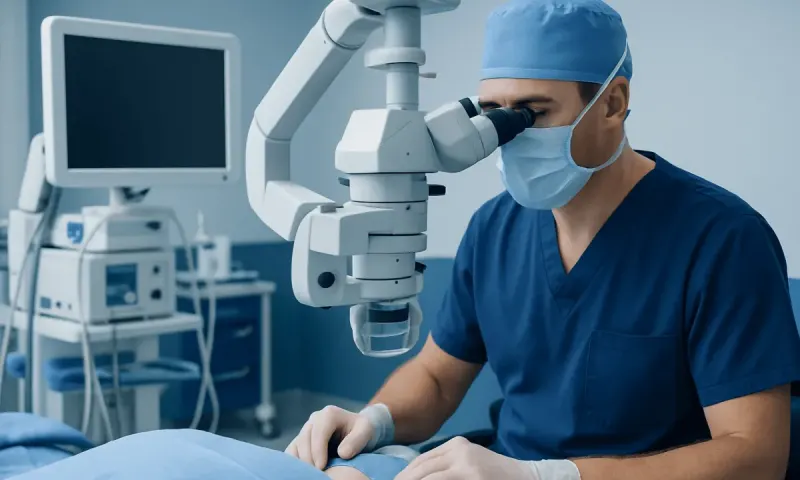
Ocular Prosthesis After Eye Loss: Fitting, Appearance, and Daily Care
An ocular prosthesis, often called an artificial eye, is a custom-made device worn after eye loss to restore appearance and support the natural shape of the eye socket. With proper fitting, regular follow-up, and daily care, many people adapt well and return to usual activities with comfort and confidence.
Overview: What an Ocular Prosthesis Is
An ocular prosthesis is a custom artificial eye worn after the loss of an eye or after surgery that leaves an anophthalmic socket. It is designed to match the person’s remaining eye in color, size, and shape as closely as possible. While it does not restore sight, it can play an important role in appearance, eyelid support, and emotional recovery.
Most modern prostheses are made from medical-grade acrylic. They sit over an orbital implant or within the eye socket, depending on the type of surgery that was performed. The prosthesis moves with the eyelids and may also move to some degree with the socket, helping create a more natural look.
People may need an ocular prosthesis for different reasons, including severe eye injury, painful blind eye, eye tumors, congenital absence or malformation, or complications from disease. In some cases, eye loss follows major trauma, including facial trauma, and care may involve both functional reconstruction and cosmetic rehabilitation.
Who May Need One and What to Expect Emotionally
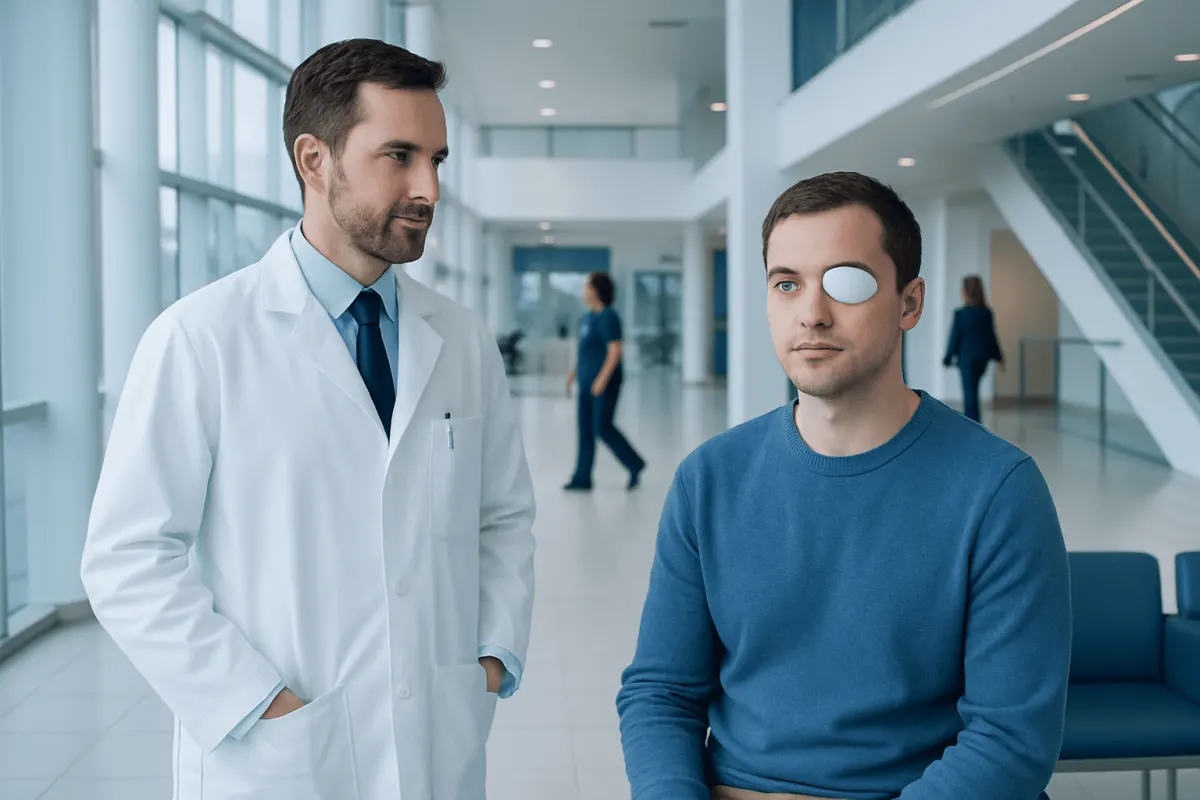
Eye loss can affect more than vision. It can change facial appearance, depth perception, confidence, and day-to-day comfort. For many people, receiving a well-fitted prosthesis is an important step in adjusting physically and emotionally after surgery or trauma.
Some patients are fitted after enucleation, where the whole eye is removed, or evisceration, where the contents of the eye are removed and the outer tissues are preserved. Others may need socket rehabilitation because of scarring, contraction, or birth differences affecting the orbit. Treatment planning often involves specialists in oculoplastic care and reconstructive ophthalmology to support both function and appearance.
Adjustment takes time. It is common to have concerns about how the prosthesis will look, whether others will notice it, and how daily life may change. Clear guidance, realistic expectations, and support from the care team can make the process easier for patients and families.
Fitting Process and How Appearance Is Matched
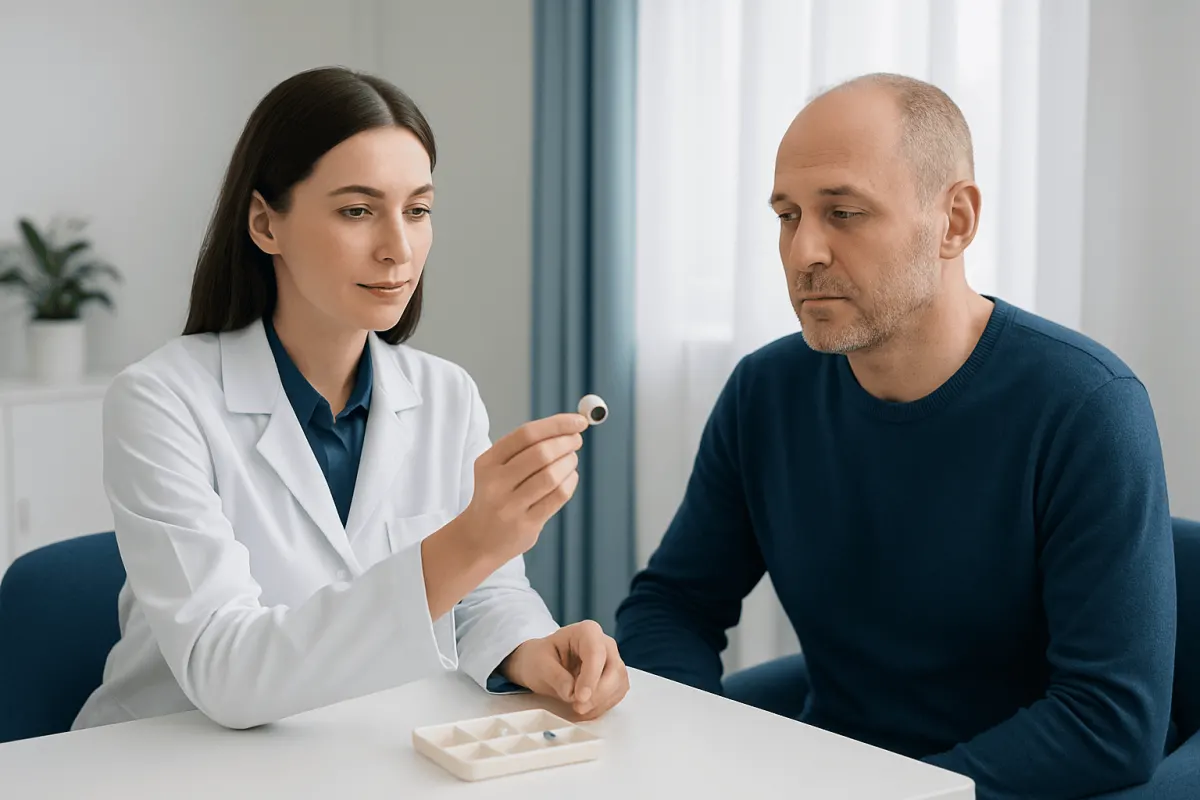
The fitting process usually begins after the socket has healed enough following surgery. A specialist called an ocularist creates a custom prosthesis based on the shape of the socket and the appearance of the healthy eye. The goal is to achieve good comfort, stable positioning, eyelid support, and the most natural appearance possible.
During fitting, an impression or detailed socket assessment may be performed to create the right contour. The ocularist then shapes the prosthesis and hand-paints the iris, sclera, and fine blood vessel details to match the other eye. Small differences can still occur, especially in movement, pupil size in changing light, or if the remaining eye has unique color variations.
A good fit should allow the eyelids to close comfortably and help the prosthesis sit evenly. The prosthesis should not cause ongoing sharp pain or repeated slipping. Some movement is expected, but it may be less than the natural eye, depending on the implant, socket tissues, and muscle function.
- Color matching is usually done in natural or balanced light.
- The shape is adjusted to support the upper and lower eyelids.
- Several visits may be needed for refinement.
- Children often need more frequent refitting as they grow.
Comfort, Daily Function, and Common Symptoms
Many people adapt well to an ocular prosthesis and are able to work, travel, exercise, and take part in social activities. The prosthesis should feel smooth and generally comfortable once the socket has healed and the fit is correct. Some mild discharge can be normal, especially on waking, but symptoms should not be severe or worsening.
Common experiences include temporary dryness, mucus buildup, awareness of the prosthesis in windy or dusty conditions, and reduced depth perception because vision from one eye is no longer present. Patients often learn practical ways to compensate, such as turning the head more fully and taking extra care on stairs, during sports, or when driving if approved by their doctor.
Symptoms that may suggest a problem include increasing redness, persistent discharge, bad odor, pain, bleeding, swelling, or a prosthesis that rotates, falls out, or no longer matches the socket well. These issues may relate to irritation, deposit buildup, socket infection, surface scratching, implant problems, or changes in the surrounding tissues.
Diagnosis, Follow-Up, and When Adjustments Are Needed
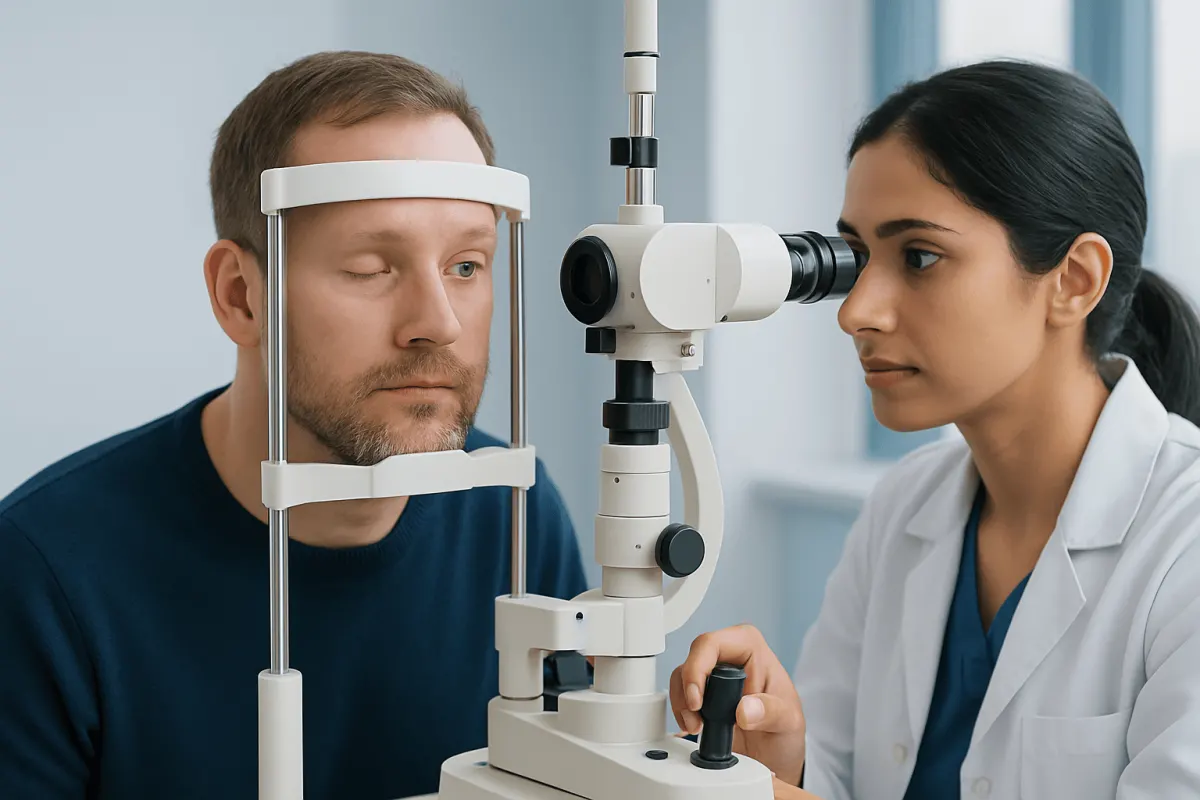
Follow-up care is an important part of long-term success. The ophthalmologist and ocularist evaluate the socket, eyelids, implant position, tear film, and prosthesis surface. They also look for signs of inflammation, allergic reaction, dryness, giant papillary conjunctivitis, or changes in the socket shape.
Over time, the socket can change. Weight loss, scarring, tissue shrinkage, age-related changes, or childhood growth may affect how the prosthesis sits. A person may need polishing, relining, reshaping, or a new prosthesis if the fit becomes poor or the appearance changes. This is not unusual and is part of routine rehabilitation for many patients.
Some patients need additional reconstructive procedures if the socket is too shallow, the eyelids do not close properly, or there is significant scarring. This may be especially relevant after severe injuries, burns, or complex tissue loss. In selected cases, doctors also evaluate related facial conditions when planning reconstruction, such as the effects of burns on surrounding tissues.
Treatment Options Beyond the Prosthesis
An ocular prosthesis is often one part of a broader treatment plan. Before fitting, patients may have surgery to remove a damaged eye, place an orbital implant, or reconstruct the socket. Later, some may benefit from procedures to improve eyelid position, deepen the socket fornices, reduce scar tissue, or improve symmetry between the two sides of the face.
Supportive treatment may also include lubricating drops or ointments recommended by the care team, treatment for inflammation, or management of allergies and blepharitis that can worsen discharge. If there is socket contraction or eyelid malposition, specialists may consider further reconstructive ophthalmology or oculoplastic procedures to help the prosthesis sit better and look more natural.
For congenital differences affecting the orbit and nearby structures, care may be coordinated with other reconstructive specialists. For example, some patients with external ear differences such as microtia may already be familiar with multidisciplinary rehabilitation, where appearance, comfort, and function are all considered together.
Daily Care, Cleaning, and Self-Care Tips
Daily care helps keep the prosthesis comfortable and the socket healthy. Many people do not need to remove the prosthesis every day unless advised to do so. Frequent handling can sometimes irritate the socket. Instead, the recommended routine often focuses on eyelid hygiene, gentle cleaning of discharge, and using lubricants only if prescribed or suggested by the clinician.
When removal is recommended, hands should be washed carefully first. The prosthesis is usually cleaned with the method advised by the ocularist, often using sterile saline or a mild approved cleanser, then rinsed thoroughly before reinsertion. Harsh chemicals, alcohol-based products, abrasive cloths, or very hot water should be avoided because they can damage the polished surface.
Regular professional polishing helps keep the surface smooth and reduces irritation from protein and debris deposits. Patients should also protect the seeing eye by wearing appropriate safety eyewear during sports, home repairs, or work activities. Because the remaining eye is especially important, routine eye examinations for overall eye health should not be neglected.
- Wash hands before touching the prosthesis or eyelids.
- Follow the ocularist’s specific cleaning instructions.
- Do not use household cleaners or abrasive materials.
- Keep scheduled follow-up visits for polishing and fit checks.
- Use protective glasses to safeguard the remaining eye.
When to See a Doctor
Patients should contact a doctor if they have persistent pain, marked redness, swelling, bleeding, fever, sudden increase in discharge, or a prosthesis that no longer fits properly. New symptoms should not be ignored, especially if they develop quickly or interfere with eyelid closure and comfort.
Medical review is also important if the socket appears sunken, the eyelids droop more than before, or the prosthesis repeatedly falls out or turns. These changes can signal socket shrinkage, implant movement, eyelid problems, or surface damage to the prosthesis. Early assessment may prevent further irritation and help restore comfort more quickly.
For international patients needing evaluation and rehabilitation after eye loss, Acıbadem Health Point’s multidisciplinary specialists and JCI-accredited hospitals provide diagnosis and treatment planning, including services related to eye socket reconstruction and ongoing prosthetic follow-up.
Frequently asked questions
01Does an ocular prosthesis restore vision?
No. An ocular prosthesis is designed to restore appearance and support the shape of the eye socket and eyelids, but it does not provide sight. Patients may still need guidance on adapting to vision from one eye.
02How natural does an artificial eye look?
A custom prosthesis can look very natural because it is made to match the other eye in color, shape, and size. However, there may still be small differences in movement, pupil response, or fine details when viewed closely.
03Is wearing an ocular prosthesis painful?
A well-fitted prosthesis should not cause ongoing pain. Mild awareness, some discharge, or temporary irritation can occur, especially early on, but persistent discomfort should be checked by an ophthalmologist or ocularist.
04How often does an ocular prosthesis need to be replaced?
Replacement timing varies from person to person and depends on age, socket changes, wear, and comfort. Some people need periodic polishing and occasional reshaping, while others may need a new prosthesis after several years or sooner if the fit changes.
05Can a person sleep, shower, or exercise with an artificial eye?
Many people can keep the prosthesis in during normal daily activities, including sleeping and showering, if their clinician agrees. Sports and active hobbies are often possible as well, though protective eyewear is especially important to protect the remaining eye.
06What cleaning routine is usually recommended?
The exact routine depends on the patient and the ocularist’s instructions. In general, gentle cleaning, careful hand hygiene, and avoiding harsh products are important, while over-handling the prosthesis may irritate the socket.
07When should someone seek urgent medical advice?
Urgent assessment is recommended for significant pain, increasing redness, swelling, bleeding, fever, or a sudden change in fit. These symptoms can suggest infection, inflammation, or another problem that needs prompt treatment.
This article is for general information only and is not a substitute for professional medical advice. Please consult a qualified doctor about your individual situation.
Explore treatments in Turkey — costs, top hospitals & a free quote
JCI-accredited · board-certified surgeons · reply within 24h
Add us as a Preferred Source to see more of our trusted health content across Google Search, AI Overviews and Discover.