Brow Lift Risks and Complications: What Patients Should Know

Brow lift risks and complications are important to understand before surgery. Most side effects are temporary and expected during healing, while more serious complications are less common and are best reduced through careful planning, skilled surgical care, and good aftercare.
Overview of Brow Lift Risks and Complications
A brow lift, also called a forehead lift, is a cosmetic procedure that raises the brow area and can soften forehead creases or improve a heavy, tired-looking upper face. Like any operation, it has possible risks, expected side effects, and rare complications. Understanding these possibilities helps patients make informed decisions and prepare for recovery with realistic expectations.
Not every post-operative change is a complication. Swelling, bruising, temporary tightness, mild pain, itching, and some numbness are common after a brow lift and are often part of normal healing. These symptoms usually improve gradually over days to weeks, although some sensations such as numbness can take longer to settle.
True complications are problems that go beyond the expected recovery process. These may include infection, bleeding under the skin, wound-healing difficulties, unfavorable scarring, asymmetry, or injury to nerves that affect feeling or facial movement. While these issues are not the usual outcome, patients benefit from discussing them clearly before surgery.
A brow lift may be performed alone or together with other facial procedures depending on the person’s goals and anatomy. In some cases, care overlaps with brow lift surgery planning and specialized eyelid-area assessment such as oculoplastic care when the brow and upper eyelids both contribute to a tired appearance.
Common Side Effects During Recovery
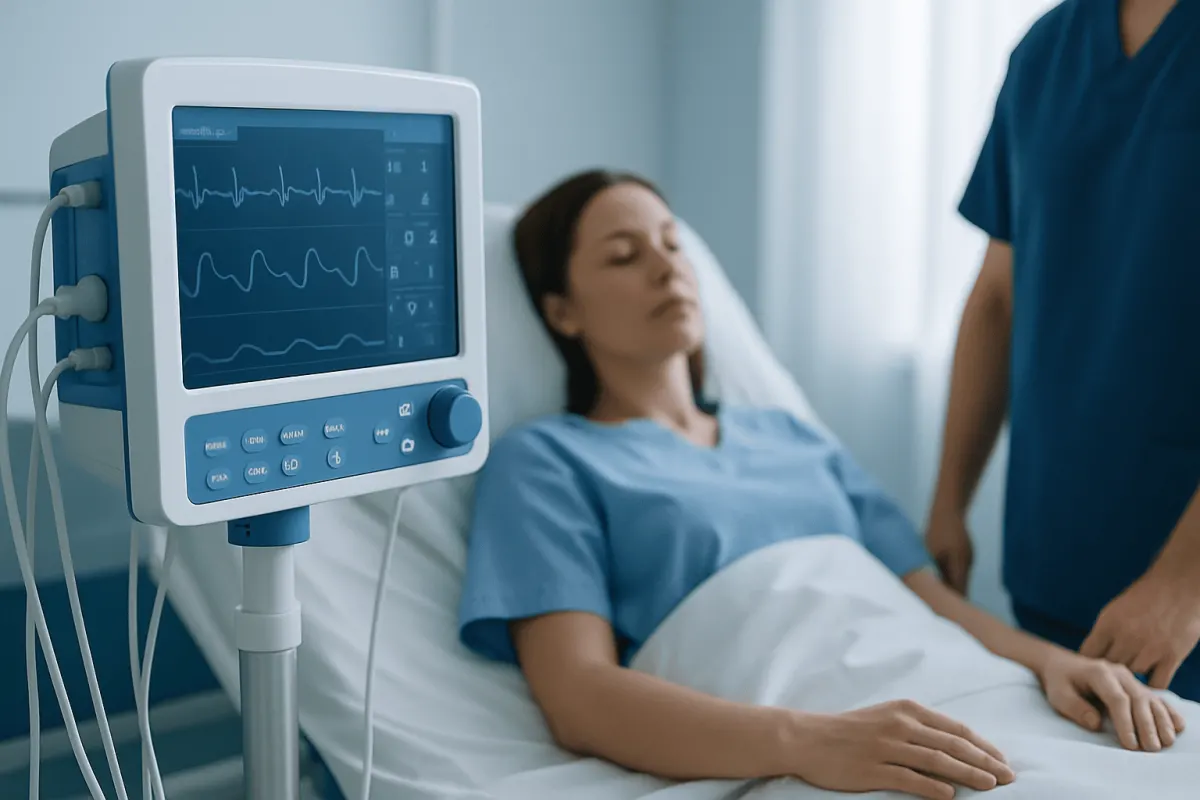
Most patients experience temporary effects that are expected after surgery. Swelling and bruising around the forehead, temples, and sometimes the upper eyelids are very common. The area may also feel tight or heavy at first, especially when raising the eyebrows or making facial expressions.
Numbness or tingling of the scalp and forehead can happen because small sensory nerves are stretched or irritated during surgery. This can feel unusual but often improves over time as healing progresses. Some patients also notice itchiness as the incisions heal, which is typically a normal part of recovery.
Mild to moderate discomfort is common in the first days after surgery and is usually manageable with the surgeon’s recommended pain-control plan. Temporary difficulty sleeping comfortably, sensitivity around the incision lines, and feeling self-conscious about bruising are also common early concerns.
These effects usually improve gradually, not all at once. Recovery speed depends on the surgical technique used, the person’s general health, smoking status, skin quality, and whether other procedures were performed at the same time.
Possible Complications to Know About

Although uncommon, a brow lift can lead to complications that deserve careful discussion. Bleeding can occur during or after surgery and may result in a collection of blood under the skin, called a hematoma. This may cause increasing swelling, pressure, pain, or one side looking more swollen than the other, and it sometimes needs medical attention.
Infection is another possible complication, even though sterile technique and proper wound care reduce the risk. Warning signs may include increasing redness, warmth, pus-like drainage, fever, or worsening pain instead of gradual improvement. Early treatment is important because untreated infection can affect healing and scar quality.
Changes in scar appearance are also possible. Although surgeons usually place incisions carefully to make them less noticeable, some people develop more visible, widened, raised, or thickened scars. Patients with a history of keloid scars or poor scar healing should mention this during consultation because it may affect planning and expectations.
Other possible complications include delayed wound healing, temporary or persistent hair loss near the incision line, brow asymmetry, overcorrection or undercorrection, and the need for revision surgery. In rare cases, deeper tissue injury or unusual healing can change the final cosmetic result more than expected.
Nerve Changes, Eye Concerns, and Functional Issues
The brow and forehead contain important sensory and motor nerves. Temporary numbness of the scalp or forehead is fairly common, but in some cases nerve irritation can last longer than expected. Less commonly, injury to a motor nerve may affect forehead movement or eyebrow elevation, leading to weakness or asymmetry.
Because the brow sits close to the eyes, patients may also worry about vision or eyelid function. A brow lift itself is not intended to treat eye disease, but swelling around the upper face can temporarily affect comfort around the eyes. Dryness, difficulty fully closing the eyelids, or a feeling of tightness may occur in selected cases, especially when multiple procedures are combined.
Rare but important symptoms such as significant vision change, severe eye pain, rapidly increasing swelling, or marked inability to close the eye should be assessed urgently. These are not typical recovery features and need prompt medical evaluation.
Patients who have had previous upper-face surgery, eyelid surgery, or treatment after facial trauma may have more complex anatomy or scar tissue. In such situations, detailed preoperative planning and, when appropriate, support from services such as reconstructive ophthalmology can help clarify risks and goals.
What Increases the Risk of Complications?
Several factors can affect how safely a brow lift is performed and how well a patient heals. Smoking and nicotine exposure are among the most important because they reduce blood flow to tissues and increase the risk of poor wound healing, skin problems, and less favorable scars. Patients are often advised to stop smoking well before and after surgery.
Medical conditions also matter. Uncontrolled high blood pressure can increase bleeding risk, while diabetes and some immune-related conditions may slow healing or increase the chance of infection. A full medication review is important because blood thinners, some anti-inflammatory medicines, certain supplements, and herbal products can affect bleeding and recovery.
Past facial surgery, prior scars, skin quality, hairline pattern, and natural brow asymmetry can all influence results. Sometimes what appears to be a new asymmetry after surgery may partly reflect a preexisting difference that becomes more noticeable during healing. This is one reason careful photographs and preoperative examination are so valuable.
The experience of the surgical team and the appropriateness of the technique are also key. Endoscopic, temporal, or more traditional open approaches each have benefits and trade-offs. The best choice depends on anatomy, goals, hairline position, forehead shape, and whether related procedures are planned, such as aesthetic neck contouring or other facial surgery.
How Surgeons Reduce Brow Lift Risks
Risk reduction begins before the operation. A thorough consultation should include discussion of medical history, allergies, medications, smoking, previous procedures, and personal goals. The surgeon examines brow position, eyelid anatomy, forehead movement, hairline shape, skin elasticity, and facial balance to decide whether a brow lift is appropriate and which technique is most suitable.
Careful patient selection is important. Some concerns that seem to be caused by a low brow may actually be related more to eyelid skin, forehead muscle activity, or differences in facial anatomy. Honest planning helps avoid disappointment and lowers the chance of overcorrection or a result that looks unnatural.
During surgery, sterile technique, careful control of bleeding, precise tissue handling, and thoughtful incision placement all help reduce complications. Surgeons aim to protect nerves, preserve blood supply, and position the brow in a way that suits the person’s age, sex, and facial proportions rather than creating a one-size-fits-all result.
After surgery, clear instructions are essential. Patients are usually advised on incision care, head elevation, activity restrictions, bathing, and when to restart regular exercise or certain medicines. Follow-up visits help the team monitor healing, remove sutures or staples when needed, and address concerns before they become bigger problems.
Self-care After Surgery and Warning Signs
Good self-care supports healing and may lower the risk of complications. Patients should follow the surgeon’s instructions closely, keep the head elevated as advised, avoid strenuous activity until cleared, and protect healing skin from sun exposure. They should also avoid smoking and use only approved products on the incision area.
It is normal for the brow area to look uneven early on because swelling does not always settle evenly. This can be emotionally frustrating, but early appearance is not the final result. Patience is important, and concerns should be discussed at follow-up rather than judged too quickly.
Patients should contact their care team promptly if they notice signs that may suggest a complication. These include:
- Fever or chills
- Increasing redness, warmth, or drainage from incisions
- Sudden or rapidly worsening swelling
- Severe pain not relieved as expected
- New facial weakness or marked asymmetry
- Vision changes, severe eye discomfort, or inability to close an eye fully
Timely communication often allows simpler treatment and greater peace of mind. Near the end of the treatment journey, some patients also benefit from discussing scar care, expected timeline for nerve recovery, and whether any small refinements may be considered after full healing.
When to Seek Specialist Advice
Anyone considering a brow lift should seek an evaluation from a qualified plastic surgeon or facial specialist with experience in upper-face procedures. A good consultation should explain expected benefits, likely recovery, possible alternatives, and the difference between normal healing effects and true complications. Patients should feel comfortable asking about incision placement, scarring, asymmetry, nerve risks, and what follow-up care includes.
People who have prior surgery, complex eyelid concerns, significant brow asymmetry, or a history of difficult scars may need a more tailored treatment plan. In some cases, additional expertise in the brow-eye area can help define the safest and most effective approach. If cosmetic goals need to be balanced with function, careful multidisciplinary review is especially useful.
Medical advice should also be sought if a patient is unsure whether they are a good candidate because of chronic conditions, medications, or smoking. An individualized discussion can identify ways to improve safety before surgery, such as blood pressure control, medication adjustments, or stopping nicotine.
For international patients seeking evaluation and treatment, Acıbadem Health Point offers care through multidisciplinary specialists in JCI-accredited hospitals. The most helpful next step is a thorough consultation focused on anatomy, goals, and safety rather than choosing surgery too quickly.
Frequently asked questions
01What are the most common risks after a brow lift?
The most common short-term issues are swelling, bruising, tightness, numbness, and mild discomfort. These are usually expected parts of healing and tend to improve gradually over time.
02Can a brow lift cause nerve damage?
Temporary changes in feeling, such as numbness or tingling in the forehead or scalp, are relatively common. More significant nerve injury affecting brow movement is less common, but it is an important risk to discuss before surgery.
03Will a brow lift leave visible scars?
All surgery creates scars, but brow lift incisions are usually planned to make scars as discreet as possible. Scar appearance depends on the technique used, skin type, healing patterns, and whether the patient has a history of raised or thick scars.
04How long does brow lift recovery usually take?
Early recovery often takes a few weeks, but subtle swelling and numbness can last longer. Final results may take several months to become clearer as tissues settle and scars mature.
05When should someone worry after brow lift surgery?
Patients should contact their surgeon if they have fever, worsening redness, pus-like drainage, sudden swelling, severe pain, or new facial weakness. Vision changes or severe eye symptoms need urgent medical assessment.
06Can brow lift asymmetry improve on its own?
Yes, mild unevenness early after surgery is often related to swelling and may improve as healing continues. Persistent asymmetry should be assessed by the surgeon after enough time has passed for tissues to settle.
This article is for general information only and is not a substitute for professional medical advice. Please consult a qualified doctor about your individual situation.
Explore treatments in Turkey — costs, top hospitals & a free quote
JCI-accredited · board-certified surgeons · reply within 24h
Add us as a Preferred Source to see more of our trusted health content across Google Search, AI Overviews and Discover.