Breast Augmentation Consultation: Questions to Ask
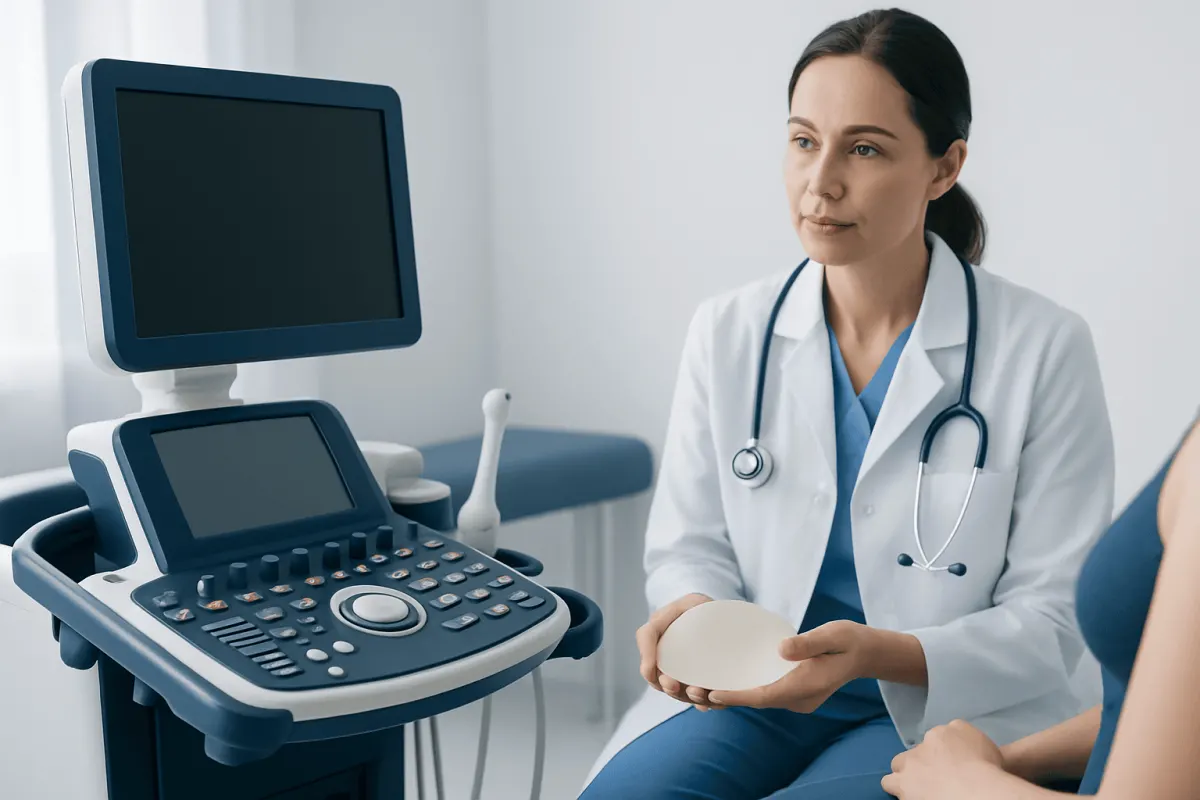
A breast augmentation consultation helps a patient understand whether surgery is suitable, compare implant and surgical options, and prepare for recovery. It is an opportunity to discuss realistic results, safety, personal goals and the follow-up care implants may require.
Breast Augmentation Consultation: What to Expect
A breast augmentation consultation is a planned discussion and clinical assessment that helps a person decide whether breast implants are appropriate and, if so, how surgery can be tailored to their goals. It should explain the procedure, recovery, expected results, possible risks and future follow-up before the person makes a decision.
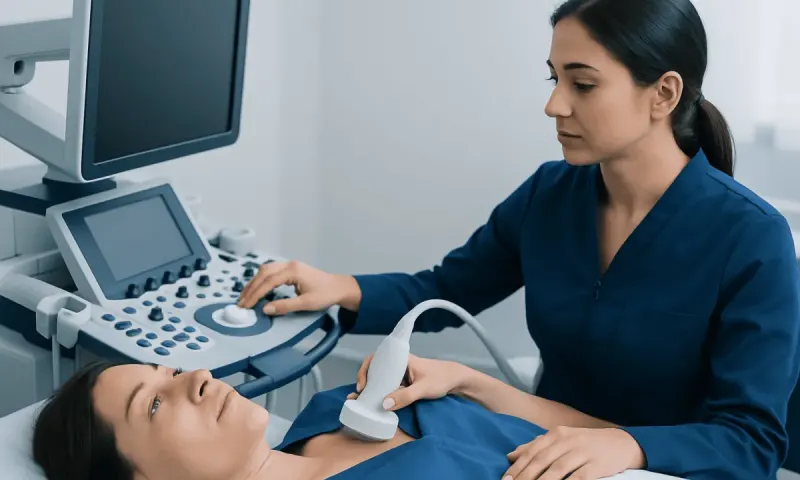
The surgeon will usually ask about general health, previous operations, medicines and supplements, allergies, nicotine use, pregnancies, breastfeeding plans and personal or family breast health history. A private breast examination may include measurements of breast tissue, skin quality, chest wall shape and existing asymmetry, as these factors influence what can be achieved safely.
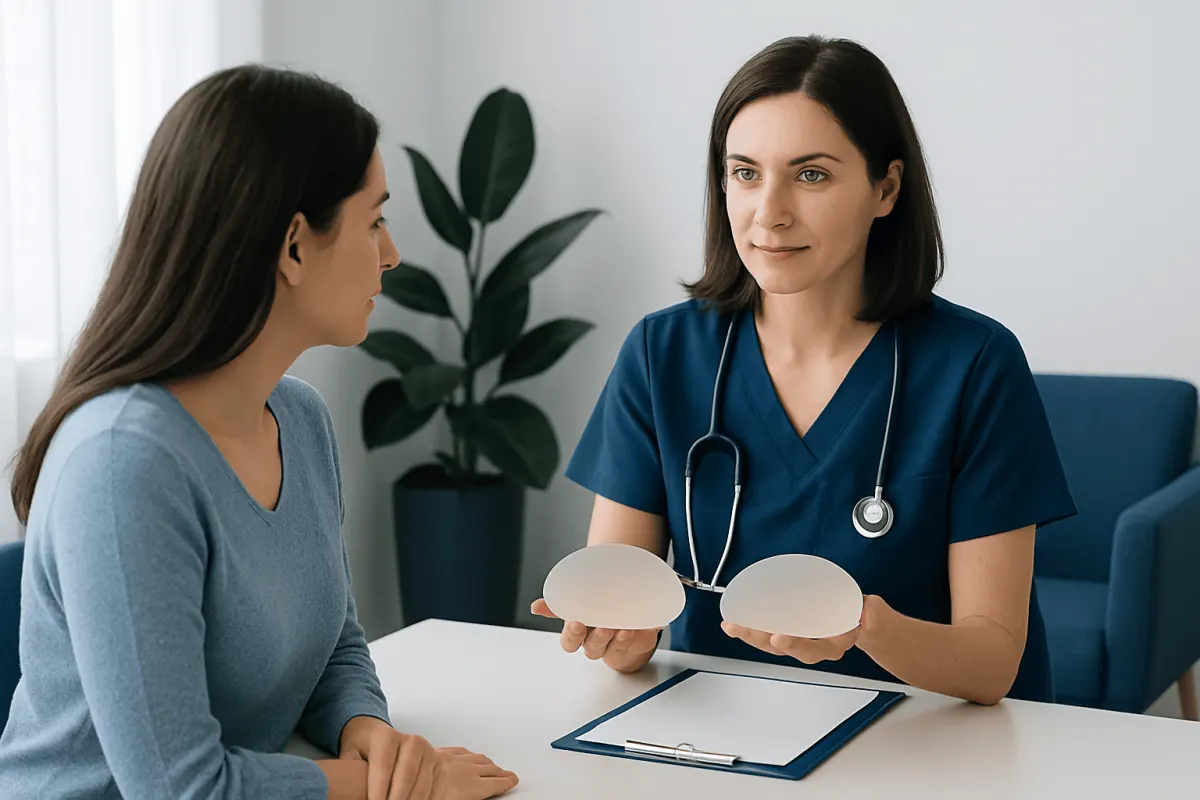
The consultation is also the time to discuss concerns about size, shape, scars, activity restrictions and time away from work or caregiving. Photographs, implant samples or computer-based planning tools may help communicate preferences, but they cannot guarantee an exact outcome. In some situations, the safest plan is to postpone surgery while a health concern, nicotine use or breast screening requirement is addressed.
Candidacy and Choices to Discuss
People considering breast augmentation are generally healthiest when they are at a stable weight, do not have an active infection or uncontrolled medical condition, and have clear, realistic reasons for wanting surgery. A surgeon will also consider whether pregnancy or breastfeeding is planned soon, whether there is an unexplained breast change, and whether body-image concerns would benefit from additional support before proceeding.
Implants may be filled with saline or silicone gel, and they come in different sizes, profiles and shapes. The suitable option depends on the person’s body frame, available breast tissue, desired appearance and the surgeon’s assessment. Implant selection should focus on proportional, achievable goals rather than a particular cup size, which can vary between bra manufacturers.
The consultation also covers incision placement and where the implant sits in relation to the chest muscle. An implant may be positioned above or below the muscle, or using a technique that combines aspects of both, depending on anatomy and goals. If there is significant breast drooping, augmentation alone may not provide a lift; a breast lift may be discussed as a separate or combined procedure.
Patients should ask about breast imaging, future breastfeeding, scar care, the likely need for time off from daily responsibilities and the surgeon’s approach to long-term implant follow-up. Bringing a written list of questions and being open about desired and undesired changes can make the discussion more useful.
How the Breast Augmentation Procedure Works
Breast augmentation is usually performed under general anesthesia and is often planned as same-day surgery, although individual monitoring needs can vary. Before surgery, the surgeon reviews the agreed plan, marks the skin and confirms the implant type, size range and surgical approach with the patient.
- An incision is made, commonly in the breast crease, around the areola or, in selected cases, through the armpit.
- The surgeon creates a carefully sized pocket above or below the chest muscle according to the treatment plan.
- The selected implant is placed, and the surgeon checks breast shape and symmetry while recognizing that natural asymmetry may remain.
- The incision is closed, dressings and a supportive garment may be applied, and the patient is monitored as anesthesia wears off.
The exact method is individualized. The surgeon may adjust the plan if an intraoperative safety issue arises, but major preferences should be clarified during informed consent. Patients should arrange for a responsible adult to take them home and assist during the initial recovery period, according to the surgical team’s instructions.
Recovery Timeline and Expected Results
Recovery differs between individuals and is influenced by the surgical technique, implant placement, pain sensitivity and the demands of daily life. Tightness, pressure, swelling, bruising and tiredness are common early experiences. Prescribed or recommended pain relief should be used only as directed by the surgical team.
- First 1 to 3 days: Discomfort and chest tightness are often most noticeable. Rest, short gentle walks and help at home can be useful.
- First 1 to 2 weeks: Swelling begins to improve, but patients generally avoid strenuous activity, heavy lifting and movements that strain the chest.
- Following weeks: Return to desk-based work and light activities depends on comfort and the surgeon’s advice. More demanding exercise is restarted gradually when cleared.
- Following months: Swelling settles, scars mature and implants gradually assume a more natural position.
Patients should attend scheduled follow-up appointments and follow instructions about showering, wound care, sleeping position, driving and wearing supportive garments. They should not drive while using sedating pain medicine or before they can comfortably perform an emergency stop. Final results take time to develop, and no procedure can ensure perfect symmetry or a specific appearance.
Benefits, Risks and Long-Term Follow-Up
Potential benefits of breast augmentation include increased breast volume, improved breast contour and improved symmetry in selected patients. Some people choose surgery after pregnancy, breastfeeding or weight change, while others have naturally small or uneven breasts. The value of these changes is personal, and the consultation should ensure that expectations are realistic.
As with any operation, breast augmentation has risks. These include anesthesia-related complications, bleeding, infection, delayed wound healing, visible scars, changes in nipple or breast sensation, asymmetry, implant movement, rippling and persistent discomfort. A firm scar capsule can form around an implant, known as capsular contracture, and may cause shape changes or discomfort that sometimes requires further treatment.
Breast implants are not lifetime devices. An implant can rupture, deflate or require removal or replacement over time, and silicone implant rupture may not always cause obvious symptoms. A rare type of lymphoma has been linked primarily with textured breast implants; the surgeon should explain the relevant implant safety information and symptoms that warrant assessment, such as late swelling or a new lump.
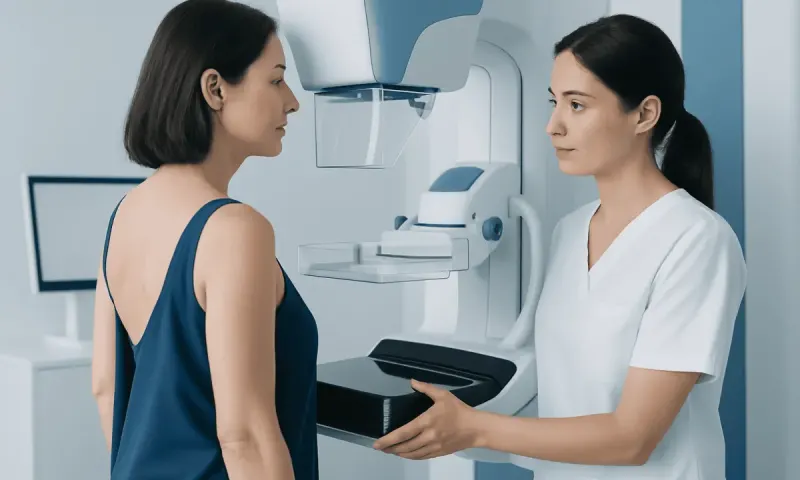
Long-term care includes routine breast health checks and keeping imaging providers informed about implants, as special mammography views may be needed. Follow-up recommendations vary by implant type, personal history and local clinical guidance. Choosing not to proceed, or choosing a different approach, is also a valid outcome of an informed consultation.
Common Practical Questions After Breast Augmentation
How long after consultation do you get breast augmentation?
There is no fixed waiting period. Surgery can be scheduled only after the person has had enough time to consider the decision, complete any required health checks or breast imaging, stop nicotine products as instructed and receive preoperative clearance. Timing also depends on the surgeon’s assessment and operating availability.
What day is the hardest after breast augmentation?
For many people, the first 48 to 72 hours are the most uncomfortable because swelling, tightness and anesthesia-related fatigue are greatest then. However, recovery varies, and some patients find the first night or the first few days more difficult than others. Following the pain-control and activity plan can improve comfort.
Do breast implants look weird at first?
It is common for breasts to appear higher, fuller in the upper area, swollen or somewhat uneven soon after surgery. This early appearance is not the final result, as swelling decreases and implants settle over the following weeks and months. A sudden change in size, severe asymmetry, marked redness or worsening pain should be reported to the surgical team.
How to poop after breast augmentation?
Constipation can occur after anesthesia, reduced movement and some pain medicines. Drinking fluids, eating fiber-rich foods when tolerated and taking short walks can help; a clinician may also recommend a stool softener or laxative if appropriate. Patients should avoid straining and contact their care team if constipation is severe or occurs with abdominal pain, vomiting or inability to keep fluids down.
When to Seek Medical Care
Patients should contact their surgical team promptly for worsening rather than improving pain, a rapidly enlarging breast, increasing redness or warmth, unusual drainage, wound opening, a fever, persistent vomiting or a new breast lump or swelling after recovery. These symptoms do not always indicate a serious problem, but timely assessment can help identify complications early.
Emergency medical care is needed for chest pain, trouble breathing, fainting, coughing blood, severe weakness or one-sided leg pain and swelling. Routine follow-up remains important even when healing appears straightforward. For Myomectomy Recovery for International Patients: The Usual Travel Timeline" class="ahp-ilk">international patients, Acıbadem Health Point’s multidisciplinary specialists at JCI-accredited hospitals can provide breast augmentation assessment, procedure planning and postoperative follow-up support.
Frequently asked questions
01What should a patient bring to a breast augmentation consultation?
Patients should bring a list of medicines, vitamins and supplements, relevant medical records and details of previous breast procedures or imaging. It can also help to bring written questions and examples of general aesthetic preferences, while understanding that another person's result may not be suitable for their anatomy.
02Can breast augmentation correct breast sagging?
Augmentation can restore volume and may improve mild loss of fullness, but it does not reliably correct significant skin laxity or low nipple position. A surgeon may discuss a breast lift if lifting the breast is an important goal.
03What is the difference between silicone and saline implants?
Saline implants have a sterile saltwater filling, while silicone implants contain silicone gel. Both have potential benefits and risks, and the suitable choice depends on anatomy, the desired feel and appearance, available products and the surgeon's recommendation.
04Can breast implants affect mammograms?
Implants can obscure part of the breast tissue on standard mammography images. Patients should tell the imaging center about their implants so trained staff can use appropriate additional views when needed.
05Can someone breastfeed after breast augmentation?
Many people can breastfeed after augmentation, but it cannot be guaranteed. The likelihood may be affected by the incision, surgical technique, existing breast tissue and individual milk production.
06How long do breast implants last?
Breast implants do not have a fixed expiration date, and some remain problem-free for many years. However, they may eventually need removal or replacement because of rupture, capsular contracture, cosmetic changes or other concerns.
This article is for general information only and is not a substitute for professional medical advice. Please consult a qualified doctor about your individual situation.
Explore treatments in Turkey — costs, top hospitals & a free quote
JCI-accredited · board-certified surgeons · reply within 24h
Add us as a Preferred Source to see more of our trusted health content across Google Search, AI Overviews and Discover.