Brain Tumour and Brain Cancer: Diagnosis, Outlook, and Modern Treatment Approaches
Brain tumours and brain cancer require specialist assessment because their effects, cancer Treatment Options: Surgery, Chemo, Radiation & Beyond" class="ahp-ilk">treatment options and outlook vary widely. Modern care combines detailed imaging, tissue-based diagnosis and individualized treatment to control the tumour, preserve neurological function and support quality of life.
Overview: Brain Tumour and Brain Cancer
Brain tumour and brain cancer are terms used for abnormal growths that develop in the brain or nearby structures. A brain tumour may be benign (non-cancerous) or malignant (cancerous). Even a benign tumour can be serious when it grows in a confined area of the skull and affects important brain functions.
Brain cancer may start in the brain, called a primary brain tumour, or reach the brain from a cancer that began elsewhere in the body. Tumours that spread to the brain are called brain metastases or secondary brain tumours. Diagnosis and treatment are individualized, with the aim of safely defining the tumour, relieving symptoms, controlling growth and maintaining quality of life.
There are many tumour types. Examples include gliomas, meningiomas, pituitary tumours, schwannomas and tumours that spread from cancers of the lung, breast, skin, kidney or other organs. Their behavior can range from slow-growing to rapidly progressive, so specialist evaluation is important.
Symptoms and Possible Warning Signs
Symptoms depend mainly on where a tumour is located, how quickly it is growing and whether it increases pressure inside the skull. A brain tumour does not always cause symptoms early, and common symptoms such as headaches are much more often caused by conditions other than a tumour.
Possible symptoms include a new or changing headache pattern, nausea or vomiting that is otherwise unexplained, seizures, blurred or double vision, hearing changes, balance problems, or weakness and numbness on one side of the body. Some people notice difficulties with speech, memory, concentration, personality, mood or everyday tasks.
Symptoms may come on gradually or become more noticeable over time. A healthcare professional can assess the overall pattern, perform a neurological examination and decide whether imaging is needed. Symptoms alone cannot confirm or rule out a brain tumour.
- New seizure, especially in an adult without a prior seizure disorder
- Persistent or progressively worsening headache with neurological symptoms
- New weakness, facial droop, speech difficulty or walking problems
- Unexplained changes in vision, behavior, alertness or cognition
Causes and Risk Factors
For most primary brain tumours, the exact cause is unknown. They are not caused by everyday stress, using mobile phones or a minor head injury. In many cases, there is nothing a person did or did not do that explains why a tumour developed.
Some tumours are linked with inherited genetic conditions, although these account for a small proportion of cases. Previous radiation therapy to the head, particularly at a young age, can increase the later risk of certain brain tumours. A person with a known cancer elsewhere in the body may be at risk of brain metastases, depending on the original cancer type and its stage.
Risk factors do not mean that someone will develop a tumour, and people with a brain tumour often have no known risk factor. Family history, previous treatment and personal medical history should be discussed with a doctor, who may recommend genetic counseling in selected situations.
How Brain Tumours and Brain Cancer Are Diagnosed
Assessment typically begins with a detailed discussion of symptoms and medical history, followed by a neurological examination. This may check strength, sensation, coordination, reflexes, eye movements, speech, memory and balance. The clinical findings help guide the next steps.
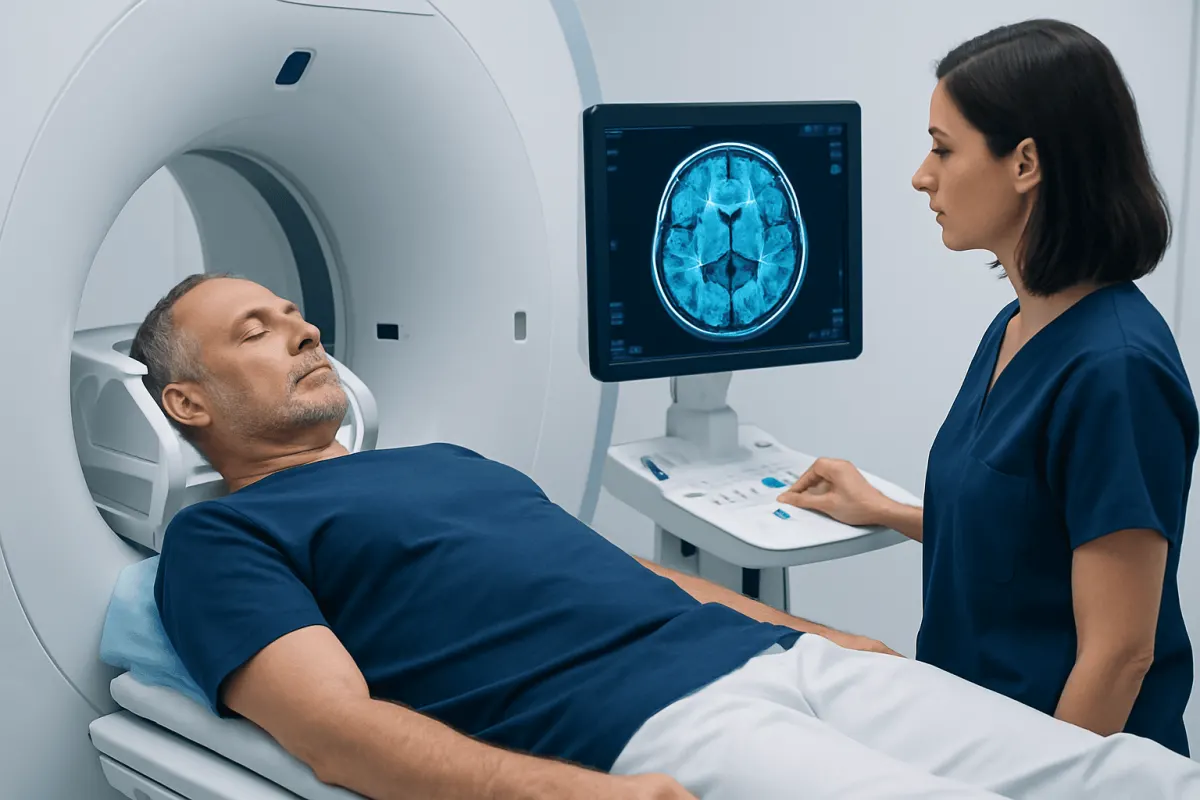
MRI with contrast is often the most informative imaging test for a suspected brain tumour. CT may be used in urgent situations or when MRI is not suitable. Imaging can show a mass and its relationship to surrounding brain structures, but it may not establish the precise tumour type.
For many tumours, a neurosurgeon obtains tissue through a biopsy or surgical removal. A pathologist examines the sample and may perform molecular testing. These results help classify the tumour, estimate its likely behavior and guide treatment choices. For patients with suspected metastases, scans may also be used to identify or reassess cancer elsewhere in the body.
Care is commonly planned through a multidisciplinary team that may include neurosurgeons, neurologists, neuroradiologists, pathologists, medical oncologists, radiation oncologists, rehabilitation specialists and supportive-care professionals.
Modern Treatment Approaches
Treatment is based on the exact diagnosis, size and location of the tumour, symptoms, molecular findings, age, general health and personal priorities. Some slow-growing tumours can be monitored with scheduled MRI scans when immediate treatment is unlikely to offer more benefit than risk. This approach is sometimes called active surveillance.
Surgery may be recommended to remove all or part of a tumour, obtain tissue for diagnosis or reduce pressure on the brain. The safest possible removal is the goal, but complete removal is not always appropriate if a tumour involves areas that control speech, movement, vision or other essential functions. Brain tumour surgery may also be followed by additional treatment.
Radiation therapy uses carefully planned radiation to damage tumour cells. Options may include focused stereotactic radiosurgery for selected small tumours or metastases, fractionated external-beam radiation, and whole-brain radiation therapy in specific circumstances. Radiotherapy is chosen according to the number, size and location of lesions and the wider treatment plan.
Medicines may include chemotherapy, targeted therapy or immunotherapy for selected tumours, particularly when molecular testing identifies an appropriate option. Corticosteroids can reduce swelling around a tumour for some people, and anti-seizure medicines may be used after seizures. Rehabilitation, psychological support and symptom management remain important at every stage of care.
What Is the Average Life Expectancy for Someone With Brain Tumors?
There is no single average life expectancy that applies to everyone with a brain tumour. Some benign or low-grade tumours may be controlled for many years and may not shorten life expectancy significantly after successful treatment or careful monitoring. Other tumours, especially aggressive malignant gliomas, can require intensive treatment and have a more limited outlook.
Doctors consider several factors rather than relying on one number: tumour type and grade, molecular features, its location, whether it can be safely removed, a person’s age and overall health, and how the tumour responds to treatment. The pathology report and follow-up imaging provide more meaningful information than symptoms or scan appearance alone.
It is reasonable to ask the treating team what the diagnosis means for the individual, what treatments are intended to achieve and how prognosis may change over time. Prognosis estimates are based on groups of patients and cannot determine exactly what will happen for one person.
What Is the Life Expectancy for Brain Metastases With Treatment?
Brain metastases are not a single disease, so life expectancy with treatment varies greatly. It is influenced by the type and control of the original cancer, the number and size of brain metastases, whether cancer is present in other parts of the body, neurological symptoms, overall fitness and response to systemic cancer treatment.
Advances in surgery, focused radiation and systemic therapies have improved options for many patients. Some people can have long periods of control, particularly when there are a limited number of metastases and the original cancer responds well to treatment. For others, treatment focuses primarily on relieving symptoms, maintaining independence and supporting comfort.
Specialist teams may discuss surgery, stereotactic radiosurgery, fractionated radiation, medicines that treat the original cancer, or a combination of approaches. Ongoing MRI monitoring helps assess response and detect changes that may require a revised plan.
What Is the Average Life Expectancy After Receiving Whole Brain Radiation Therapy?
Whole-brain radiation therapy is used for selected people with multiple brain metastases, widespread microscopic risk in the brain, or situations where focused radiation is not suitable. Average survival after treatment varies substantially because it is mainly determined by the underlying cancer, the extent of disease, functional status and available systemic treatment options, rather than by radiation therapy alone.
For this reason, a single expected survival figure would be misleading. The oncology team can provide a more individualized discussion after reviewing scans, pathology, symptoms and treatment response. Whole-brain radiation may help control brain metastases and reduce neurological symptoms for some patients, but its potential benefits need to be balanced with possible side effects, including fatigue, hair loss and cognitive changes.
When appropriate, clinicians may use planning approaches designed to limit radiation exposure to memory-related areas of the brain. Supportive care, rehabilitation and regular review of symptoms are central parts of care before, during and after treatment.
What to Do After a Brain Tumor Diagnosis?
After a brain tumour diagnosis, it can help to take one step at a time. The first priority is to understand whether the diagnosis is based on imaging alone or confirmed by tissue testing, what symptoms need immediate treatment, and which specialists will coordinate care. Bringing a family member, friend or written questions to appointments can make discussions easier.
People may wish to ask about the tumour type and grade, whether molecular test results are expected, the purpose of each treatment option, possible effects on daily function, and how treatment decisions will be reviewed. A second opinion from an experienced neuro-oncology or neurosurgery team can be appropriate, especially before major surgery or when treatment options are complex.
Practical support matters. Patients should discuss work, driving, seizure safety, rehabilitation needs, emotional wellbeing and caregiver support with their clinical team. Acıbadem Health Point’s multidisciplinary specialists and JCI-accredited hospitals provide diagnosis and treatment planning for international patients with brain tumours and brain cancer.
When to Seek Medical Care
Medical assessment is advisable for persistent or progressive neurological symptoms, especially a new seizure, worsening headaches accompanied by vomiting, persistent balance difficulty, weakness, numbness, speech changes, unexplained vision changes or notable changes in memory or behavior. These symptoms have many possible causes, but timely assessment helps identify conditions that need treatment.
Emergency care is needed for a first seizure, sudden severe headache unlike previous headaches, loss of consciousness, rapidly worsening confusion, new facial droop, sudden weakness, severe speech difficulty or repeated vomiting with reduced alertness. These can also be signs of stroke or other urgent neurological conditions.
People already diagnosed with a brain tumour should contact their care team promptly if seizures occur, symptoms worsen, new neurological symptoms develop, or treatment side effects become difficult to manage. The team can advise on urgent assessment, medication review and supportive services.
Frequently asked questions
01Is every brain tumour brain cancer?
No. A brain tumour is an abnormal growth in or around the brain, and it may be benign or malignant. However, benign tumours can still need treatment because pressure on nearby brain tissue can affect important functions.
02Can a brain tumour be diagnosed with an MRI alone?
MRI can strongly suggest the presence, size and location of a brain tumour, but it may not identify the exact tumour type. Many people need a biopsy or surgery to obtain tissue for detailed pathology and molecular testing.
03Can brain tumours be cured?
Some brain tumours can be completely removed or controlled long term, particularly certain benign and low-grade tumours. Other tumours are managed as chronic or progressive conditions, with treatment tailored to slow growth, reduce symptoms and preserve quality of life.
04What are brain metastases?
Brain metastases are cancer cells that have spread to the brain from a cancer that began in another part of the body. Treatment considers both the brain lesions and the original cancer, often involving a combination of local and systemic therapies.
05Do headaches usually mean a brain tumour?
No. Headaches are common and are usually caused by conditions other than a brain tumour. A doctor should assess headaches that are new, progressively worsening, associated with seizures, vomiting, weakness, vision changes or other neurological symptoms.
06Can someone drive after a brain tumour diagnosis?
Driving advice depends on symptoms, seizures, vision, cognitive function, treatment and local laws. A person should discuss driving with their treating clinician and follow the regulations that apply where they live.
This article is for general information only and is not a substitute for professional medical advice. Please consult a qualified doctor about your individual situation.
Persistent digestive symptoms? Get evaluated in Turkey
JCI-accredited · board-certified surgeons · reply within 24h
Add us as a Preferred Source to see more of our trusted health content across Google Search, AI Overviews and Discover.