How Does Chemotherapy Work Against Cancer Cells?

Chemotherapy uses powerful medicines that circulate through the body to destroy cancer cells or stop them from dividing. Treatment is individualized, often given in cycles, and may be used alone or alongside surgery, radiation therapy, targeted therapy, immunotherapy, or hormone therapy.
Overview: How Does Chemotherapy Work?
Chemotherapy works by using anti-cancer medicines to kill cancer cells, damage their ability to divide, or stop their growth. Because many cancer cells multiply more quickly than most normal cells, chemotherapy can be effective throughout the body, including against cancer cells that may be too small to see on scans.
Different chemotherapy medicines act at different points in a cell’s life cycle. Some interfere with the cell’s genetic material, while others prevent cells from making the components needed to divide. Treatment may involve one medicine or a combination, selected by an oncology team according to the specific cancer and the aim of care.
Chemotherapy is not one single treatment or one single experience. It may be used to cure cancer, lower the chance that cancer returns after another treatment, shrink a tumor before surgery or radiotherapy, control cancer growth, or relieve cancer-related symptoms. In many cases, it is part of a broader personalized cancer care plan.
Who May Be a Candidate for Chemotherapy?
Doctors consider chemotherapy for many types of blood cancers and solid tumors. Whether it is appropriate depends on factors such as the cancer’s type, location, stage, grade, molecular features, previous treatments, and how quickly it is growing. The intended goal of treatment is equally important: it may be curative, preventive after surgery, preoperative, disease-controlling, or symptom-relieving.
Before treatment begins, the oncology team reviews the person’s general health, daily functioning, nutrition, medicines, allergies, and medical conditions. Blood tests commonly assess blood cell counts and the function of organs that process or remove medicines, including the kidneys and liver. Some chemotherapy regimens also require heart, lung, nerve, or fertility assessments.
Age alone does not determine whether someone can receive chemotherapy. A carefully adjusted plan may be possible for older adults or for people with other health conditions. If standard chemotherapy is unlikely to offer a worthwhile benefit, the care team may discuss alternatives such as surgery, radiation therapy, targeted treatments, immunotherapy, hormone therapy, clinical trials, or supportive care.
The Chemotherapy Process: Step by Step

Planning begins with a discussion of the diagnosis, treatment goal, expected benefits, possible side effects, and practical schedule. The team explains how the medicine will be given and what monitoring is needed. Written instructions, contact numbers, and advice about infection prevention, eating, activity, and medicines are usually provided before the first cycle.
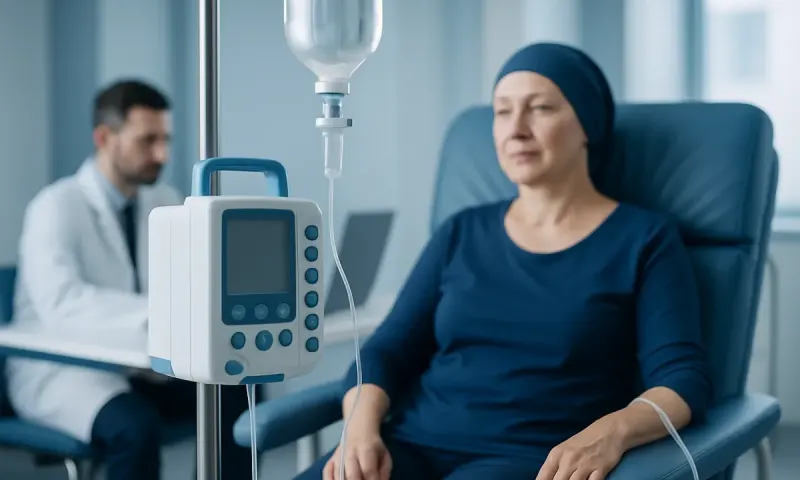
Many chemotherapy medicines are delivered into a vein through a short intravenous cannula, a longer-term central line, or an implanted port. Others are taken by mouth as tablets or capsules, given by injection, or delivered directly to a specific body area in selected situations. An infusion visit can last from a short appointment to several hours, depending on the medicines and any preventive treatments given beforehand.
Treatment is commonly organized into cycles. A cycle includes treatment days followed by a planned rest period that allows healthy tissues, especially the bone marrow, to recover. Before each cycle, clinicians may check symptoms, vital signs, weight, blood tests, and any treatment-related effects. Doses or timing can be adjusted when needed to protect safety without losing sight of the treatment goal.
During treatment, supportive medicines may help prevent nausea, allergic reactions, infection-related complications, or other side effects. Cancer care often includes nurses, medical oncologists, surgeons, radiation oncologists, pharmacists, dietitians, psychologists, and other professionals. This coordinated approach helps address both cancer treatment and day-to-day wellbeing.
Benefits, Risks and Common Side Effects
The main potential benefit of chemotherapy is its ability to treat cancer cells throughout the body. It can reduce the size of a tumor, eliminate microscopic cancer cells after surgery, increase the effectiveness of other treatments, or slow cancer progression. The likely benefit varies by cancer type and treatment setting, so it is important for patients to ask what the planned treatment is intended to achieve.
Because chemotherapy can also affect healthy cells that divide quickly, side effects may occur. Common examples include tiredness, nausea, appetite or taste changes, mouth soreness, hair thinning or hair loss, skin or nail changes, diarrhea or constipation, and temporary lowering of blood cell counts. Not everyone experiences the same effects, and the severity is not a measure of whether treatment is working.
Lower white blood cell counts can increase infection risk, while low red blood cells may contribute to fatigue or breathlessness and low platelets can increase bruising or bleeding. Some medicines can affect nerves, hearing, the heart, lungs, kidneys, liver, or fertility. These risks depend on the specific medicine, dose, and a person’s health, which is why regular monitoring is a central part of treatment.
Most side effects improve after treatment ends, though some can persist or appear later. Patients should tell their team about symptoms early rather than waiting until the next appointment. Effective supportive care, including anti-sickness medicines, nutritional support, pain management, rehabilitation, and counseling, can make treatment more manageable.
How Long Do 4 Rounds of Chemo Take?
Four rounds of chemotherapy can take several weeks to several months because “round” usually means a treatment cycle, not a single day of infusion. Many common regimens are given every two or three weeks, but schedules may be weekly, every four weeks, or arranged differently depending on the cancer and medicines used.
For example, four cycles given every three weeks span about 12 weeks from the first treatment to the start of the fifth cycle, assuming there are no changes. The actual infusion days may be much shorter than the full course, but blood tests, clinic appointments, recovery days, and possible schedule adjustments are all part of the overall timeline.
Delays are sometimes needed if blood counts have not recovered, side effects need treatment, or another health issue arises. This does not automatically mean chemotherapy has failed. The oncology team will explain the expected schedule and update it as treatment progresses.
Is Chemo the Best Way to Fight Cancer?
Chemotherapy is the best option for some cancers and situations, but it is not automatically the best treatment for every person with cancer. The most suitable approach depends on the exact diagnosis, stage, tumor biology, overall health, and the person’s priorities. Some cancers respond particularly well to chemotherapy, while others are more effectively managed with surgery, radiation therapy, targeted medicines, immunotherapy, hormone therapy, or a combination.
For early-stage cancers, chemotherapy may be recommended after surgery to reduce the risk of recurrence or before surgery to shrink a tumor. For cancers that have spread, it may control disease and symptoms, sometimes together with other systemic treatments. In certain slower-growing or highly targeted cancers, chemotherapy may have a smaller role than other therapies.
A multidisciplinary cancer team can help compare the expected benefit and possible burdens of each option. Patients may find it helpful to ask about the purpose of chemotherapy, the alternatives, how success will be assessed, and what changes to the plan might be considered if the cancer does not respond as hoped.
What Organ Is Chemo Hard On?
Chemotherapy does not affect one single organ in the same way for everyone. Different medicines have different safety profiles: some may place more strain on the kidneys or liver, some can affect heart function, and others may cause nerve symptoms, lung effects, bladder irritation, or changes in hearing. The risk is influenced by the medicine used, total exposure, other treatments, and pre-existing health conditions.
The bone marrow is also commonly affected because it produces rapidly dividing blood cells. This may temporarily lower white blood cells, red blood cells, or platelets. Regular blood tests allow the team to identify changes and make timely decisions about treatment timing, supportive medicines, or dose adjustments.
Oncologists select regimens with organ health in mind and may perform baseline tests before treatment. Patients should share a full medication list and mention any history of kidney, liver, heart, lung, nerve, or hearing problems. This information helps the team choose and monitor treatment safely.
Is the First Week of Chemo the Hardest?
The first week of chemotherapy is not always the hardest, but it can feel challenging because it is new and because some side effects begin soon after treatment. Nausea, tiredness, appetite changes, bowel changes, or sleep disruption may occur in the first few days, depending on the regimen. Preventive medicines and early communication with the care team can often reduce these symptoms.
For some people, fatigue accumulates over repeated cycles. For others, low blood counts are most likely later in the cycle, often after the first week, although the timing varies considerably by medicine. Some patients feel relatively well for much of each cycle, while others need more support. There is no single “normal” pattern.
Keeping a simple symptom record can help identify when effects occur and whether they are improving or worsening. It can also help the oncology team tailor symptom-control medicines and practical advice for subsequent cycles.
Recovery, Self-Care and When to Seek Medical Care
Recovery between cycles is an expected part of chemotherapy. Energy, appetite, and blood counts may improve during the rest period, though recovery differs from person to person. Rest balanced with gentle activity as tolerated, regular fluids, adequate nutrition, careful hand hygiene, and following food-safety advice can support wellbeing. Patients should avoid starting vitamins, herbal products, or over-the-counter medicines without checking with their oncology team, as some can interact with cancer treatment.
Patients should contact their oncology team promptly for a fever or chills, signs of infection, sudden shortness of breath, chest pain, confusion, severe weakness, uncontrolled vomiting or diarrhea, inability to drink fluids, unusual bleeding, a painful or swollen infusion site, or any symptom that feels urgent or significantly different. The team will provide specific instructions about temperature thresholds and after-hours care.
Follow-up appointments may include examinations, blood tests, imaging, or other assessments to evaluate response and recovery. If treatment-related effects continue after chemotherapy, rehabilitation and survivorship support may help. Acıbadem Health Point’s multidisciplinary specialists and JCI-accredited hospitals provide diagnosis and cancer treatment planning for international patients.
Frequently asked questions
01Does chemotherapy hurt during treatment?
Chemotherapy itself is usually not painful when given through an intravenous line, although placing a cannula or accessing a port may cause brief discomfort. Some medicines can cause irritation if they leak outside the vein, so patients should report burning, pain, redness, or swelling at the infusion site immediately.
02Can a person work during chemotherapy?
Some people continue working during chemotherapy, particularly with flexible hours or remote arrangements. Others need time away because of fatigue, appointments, infection precautions, or side effects. The ability to work depends on the regimen, cancer type, job demands, and individual recovery.
03How do doctors know whether chemotherapy is working?
Doctors assess response using symptoms, physical examinations, blood tests, tumor markers when appropriate, and imaging scans. The timing of these checks depends on the cancer and treatment plan. Side effects do not indicate whether chemotherapy is effective.
04Will hair always fall out with chemotherapy?
No. Hair loss depends on the specific chemotherapy medicines, doses, and schedule. Some treatments cause complete hair loss, some cause thinning, and others do not usually affect hair. The oncology team can explain what is expected with the planned regimen and discuss supportive options.
05Can chemotherapy cause permanent side effects?
Many chemotherapy side effects are temporary and improve after treatment, but some medicines can cause longer-lasting effects such as nerve symptoms, fertility changes, heart effects, or cognitive concerns. The likelihood varies by medicine and individual risk factors. Monitoring and early reporting of symptoms are important.
06What should a patient ask before starting chemotherapy?
Useful questions include the goal of treatment, the names and schedule of the medicines, expected benefits, likely side effects, and urgent symptoms to report. Patients may also ask about fertility preservation, work and travel, diet, vaccinations, interactions with other medicines, and how treatment response will be evaluated.
This article is for general information only and is not a substitute for professional medical advice. Please consult a qualified doctor about your individual situation.
Oncology care in Turkey — second opinion and treatment plan
JCI-accredited · board-certified surgeons · reply within 24h
Add us as a Preferred Source to see more of our trusted health content across Google Search, AI Overviews and Discover.