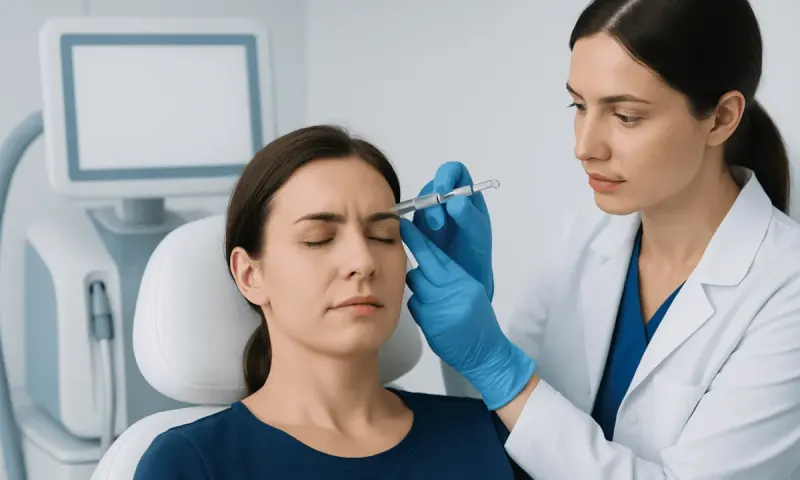
Botox Brow Lift: How Subtle Brow Elevation Works
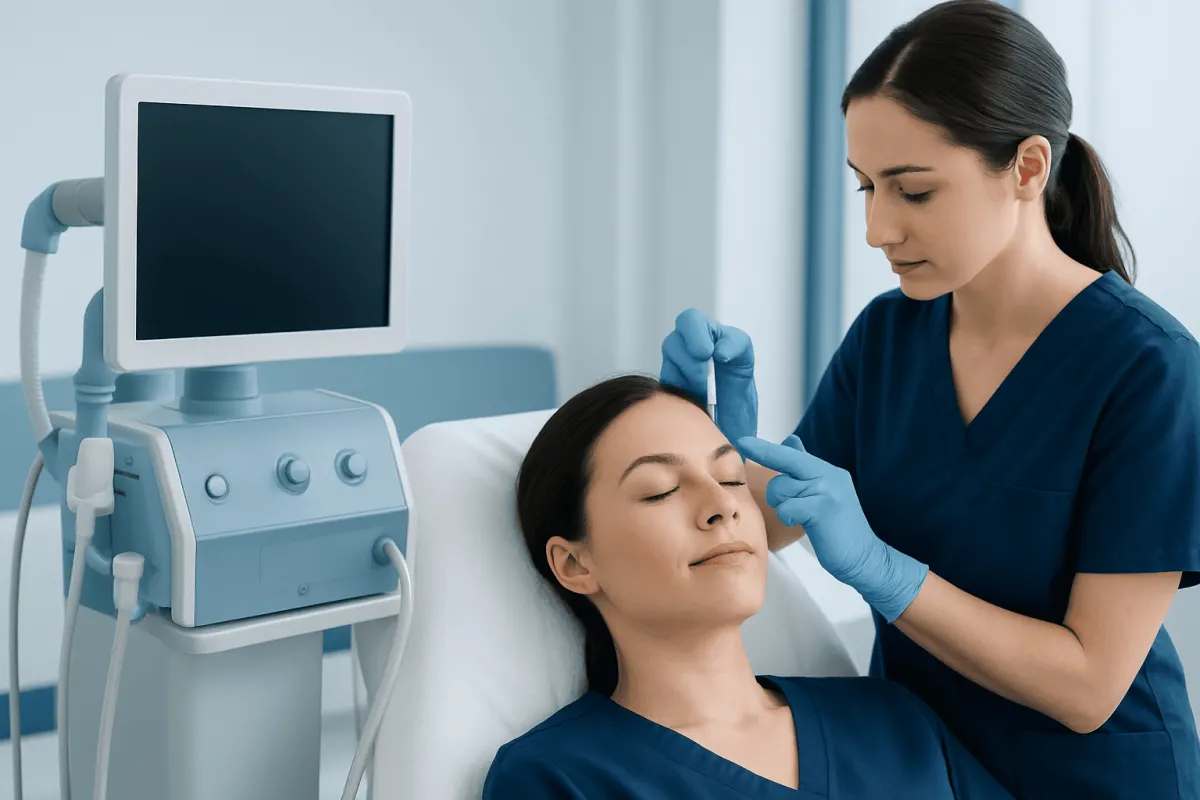
A Botox brow lift is a non-surgical procedure that uses botulinum toxin injections to relax selected muscles that pull the eyebrows downward. It can create a subtle, more open-eyed appearance in suitable candidates, with results that develop gradually and are temporary.
Botox Brow Lift Overview
A Botox brow lift is a minimally invasive cosmetic procedure that uses botulinum toxin injections to relax targeted facial muscles. When the muscles that pull the eyebrows downward are softened, the muscles that elevate the brows can act with less opposition. This may create a small upward movement of the brow, particularly at its outer edge, and make the eye area appear more open.
It is important to understand that this treatment does not reposition the forehead tissues or remove excess eyelid skin. The result is generally subtle and temporary, rather than comparable to a surgical brow lift. It may be considered by people who want a refreshed appearance, mild improvement in outer-brow descent, or softening of frown lines without surgery.
Botulinum toxin is a prescription medicine and should be administered by an appropriately trained, licensed clinician with detailed knowledge of facial anatomy. A consultation helps determine whether a Botox brow lift is likely to meet the person’s goals or whether another approach would be more suitable.
How a Botox Brow Lift Works and Who May Be Suitable
The brow is influenced by several muscles. The frontalis muscle raises the eyebrows, while muscles between and around the eyebrows, including the corrugator, procerus and parts of the orbicularis oculi, can pull the brow down or inward. Strategic injections can reduce the downward pull while preserving enough frontalis activity to maintain a natural expression.
Suitable candidates often have mild brow descent, strong frown or squinting muscles, and realistic expectations about a modest improvement. The clinician will assess brow height, asymmetry, forehead movement, eyelid skin, eye shape and whether the person habitually raises their brows to compensate for heavy upper lids. This assessment is important because relaxing the wrong muscle or using an unsuitable technique may worsen a feeling of eyelid heaviness.
People who are pregnant or breastfeeding are generally advised to postpone cosmetic botulinum toxin treatment because safety has not been established in these circumstances. It may also be unsuitable for people with certain neuromuscular conditions, an infection at the injection site, or a history of allergy to ingredients in the product. Those with prior eyelid or forehead surgery, drooping eyelids, dry-eye symptoms or relevant medicines should discuss these factors during consultation.
- A Botox brow lift is best for a subtle, temporary change.
- It cannot remove significant loose upper-eyelid skin or correct marked brow ptosis.
- For more substantial or lasting repositioning, a surgical assessment may be appropriate.
Botox Brow Lift Procedure: What Happens Step by Step
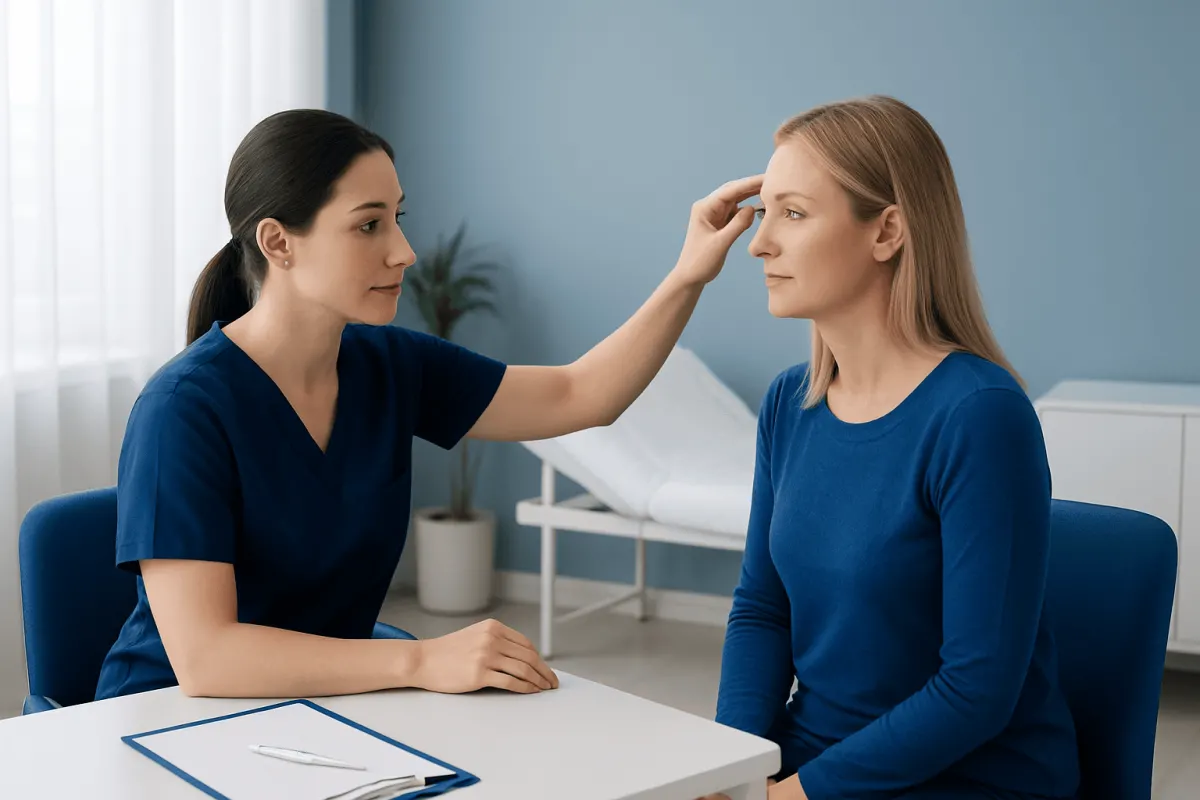
The appointment starts with a consultation and facial examination. The clinician discusses the desired brow shape and degree of lift, reviews medical history and medicines, and observes facial movement at rest and while raising the brows, frowning and squinting. Photographs may be taken for clinical planning and comparison, with the patient’s consent.
The skin is cleaned, and small injections are placed at selected points, commonly around the outer eye area and between the brows. Depending on the treatment plan, the forehead may also be addressed cautiously. The exact injection pattern and amount are individualized; using too much product or weakening the brow-elevating muscle excessively can lead to an unnatural result or a lower brow position.
The injections themselves usually take only a short time. Most people describe brief pinching or stinging rather than significant pain. Topical numbing is not always needed, although comfort measures may be discussed. After treatment, the clinician will provide individualized aftercare advice and explain when to contact the clinic if concerns arise.
For people considering non-surgical facial rejuvenation, Botox treatment should be planned with a qualified clinician rather than selected from a standard injection map. Careful evaluation is especially important around the eyes, where anatomy and muscle balance vary considerably from person to person.
Recovery Timeline, Benefits and Possible Risks
Recovery after a Botox brow lift is usually straightforward. Mild redness, pinpoint bleeding, tenderness or small bumps at the injection sites may occur immediately and typically settle within hours. Bruising can occur, particularly in people who bruise easily or take medicines and supplements that affect bleeding; patients should not stop prescribed medicines without advice from their clinician.
Many clinicians recommend avoiding rubbing or massaging the treated area on the day of treatment. They may also advise avoiding strenuous exercise, prolonged heat exposure and lying flat for a period of time, although aftercare instructions differ by clinician and product. Makeup can often be applied later the same day if the skin is intact and the area is handled gently.
Potential benefits include a more relaxed frown area, a subtly elevated outer brow and a more awake-looking eye area. These benefits should be balanced against possible side effects. Temporary headache, bruising, swelling, uneven brow position, asymmetry, an overly arched brow, eyelid droop or a heavy sensation can occur. These effects are usually temporary but may take weeks to resolve as the medicine wears off.
Rarely, symptoms such as generalized muscle weakness, difficulty swallowing, speaking or breathing, or a severe allergic reaction require urgent medical attention. Such reactions are uncommon in cosmetic use, but patients should seek prompt medical care if they develop concerning symptoms after any botulinum toxin injection.
How long does it take to see results from a Botox brow lift?
Some people begin to notice changes within three to five days, but a Botox brow lift usually develops gradually. The effect is commonly clearer after about one to two weeks, when the treated muscles have relaxed more fully. A clinician may schedule a review if needed, particularly for first-time treatment or if symmetry needs assessment.
Results vary because the visible lift depends on natural brow position, muscle strength, skin elasticity and the placement of injections. The effect commonly lasts several months, after which muscle activity gradually returns. Repeat treatment may maintain the result, but the timing should be decided with the treating clinician rather than following a fixed schedule.
Photographs taken before treatment and at follow-up can help assess subtle changes more accurately than memory alone. A person should avoid judging the final result in the first few days, when there may still be mild swelling or no visible change yet.
Is brow lift recovery painful?
Recovery from a Botox brow lift is not usually painful. During treatment, there may be brief discomfort from the needle, followed by minor tenderness, redness or a mild headache in some people. These symptoms are generally short-lived and do not usually prevent a return to normal daily activities.
If bruising or soreness occurs, a clinician may suggest simple measures such as avoiding pressure on the area and using appropriate comfort care. Any pain medicine should be chosen in line with the person’s health history and the clinician’s advice, especially if they use blood-thinning medicines or have other medical conditions.
Severe pain, increasing swelling, vision changes, marked weakness or symptoms that feel unusual should not be considered routine recovery. The person should contact the treating clinician promptly or seek urgent assessment depending on the symptoms.
Is a brow lift with Botox worth it, and what is the best age?
Whether a brow lift with Botox is worth it depends on the person’s goals and anatomy. It can be worthwhile for someone seeking a modest, temporary improvement in brow position or eye-area openness with no incisions and little downtime. It is less likely to meet expectations when there is substantial excess eyelid skin, significant brow descent or a desire for a dramatic, permanent change.
There is no single best age for a Botox brow lift. Some adults choose it in their late twenties or thirties when facial muscle activity and early lines are their main concerns, while others consider it later for subtle rejuvenation. Suitability is based more on facial anatomy, muscle movement, skin quality, health status and goals than on age alone.
A person who has heavy upper lids, impaired vision from excess skin, pronounced asymmetry or a clearly drooping eyelid may need an assessment for other treatments. Depending on the cause, options can include eyelid surgery or a surgical brow procedure rather than injections alone. The best approach should be selected after an in-person examination.
When to Seek Medical Care
Before treatment, medical advice is important for anyone with a neurological or neuromuscular condition, prior facial surgery, persistent eyelid drooping, eye disease, swallowing or breathing problems, or a history of reactions to botulinum toxin. A clinician should also review all prescription medicines, over-the-counter products and supplements.
After injections, patients should contact their treating clinician if they develop unexpected eyelid drooping, significant asymmetry, persistent headache, worsening swelling, signs of infection or concerns about the result. Urgent medical care is needed for difficulty breathing, swallowing or speaking; widespread weakness; severe allergic symptoms; or sudden visual symptoms.
At Acıbadem Health Point, multidisciplinary specialists in JCI-accredited hospitals can assess facial anatomy and discuss appropriate aesthetic treatment options for international patients. A careful consultation supports informed decisions and helps ensure that expectations remain realistic.
Frequently asked questions
01What is a Botox brow lift?
A Botox brow lift is a non-surgical technique that uses botulinum toxin injections to relax selected muscles that pull the brow downward. This can allow a subtle elevation of the brow, often most noticeable toward the outer eyebrow. It does not provide the same degree or permanence of lift as surgery.
02How long does it take to see results from a Botox brow lift?
Early changes may be noticeable within several days. The full effect is usually easier to assess after one to two weeks, although the timing varies between individuals. Results commonly last for several months before gradually wearing off.
03Is brow lift recovery painful?
Most people experience only brief injection discomfort and minor tenderness, redness or swelling afterward. Normal activities can often resume the same day. Severe pain, visual changes or symptoms that worsen should be assessed promptly by a clinician.
04Is a brow lift with Botox worth it?
It may be a reasonable option for people who want a modest, temporary brow lift without incisions or a long recovery. It is not designed to correct major brow drooping or significant excess eyelid skin. A consultation can clarify whether the likely result matches the person’s goals.
05What is the best age for a Botox brow lift?
There is no fixed best age. The decision depends on facial anatomy, muscle activity, skin characteristics, overall health and personal goals rather than age alone. Adults of different ages may be suitable after an individualized assessment.
06Can Botox for a brow lift cause eyelid drooping?
Temporary eyelid or brow drooping is a possible side effect, especially if product spreads or facial muscle balance is not appropriately considered. It is usually temporary, but it can be distressing and may take time to improve. Choosing an experienced, qualified injector and discussing existing eyelid heaviness can help reduce this risk.
This article is for general information only and is not a substitute for professional medical advice. Please consult a qualified doctor about your individual situation.
Explore treatments in Turkey — costs, top hospitals & a free quote
JCI-accredited · board-certified surgeons · reply within 24h
Add us as a Preferred Source to see more of our trusted health content across Google Search, AI Overviews and Discover.