Botox for Brow Furrows: How It Softens Frown Lines
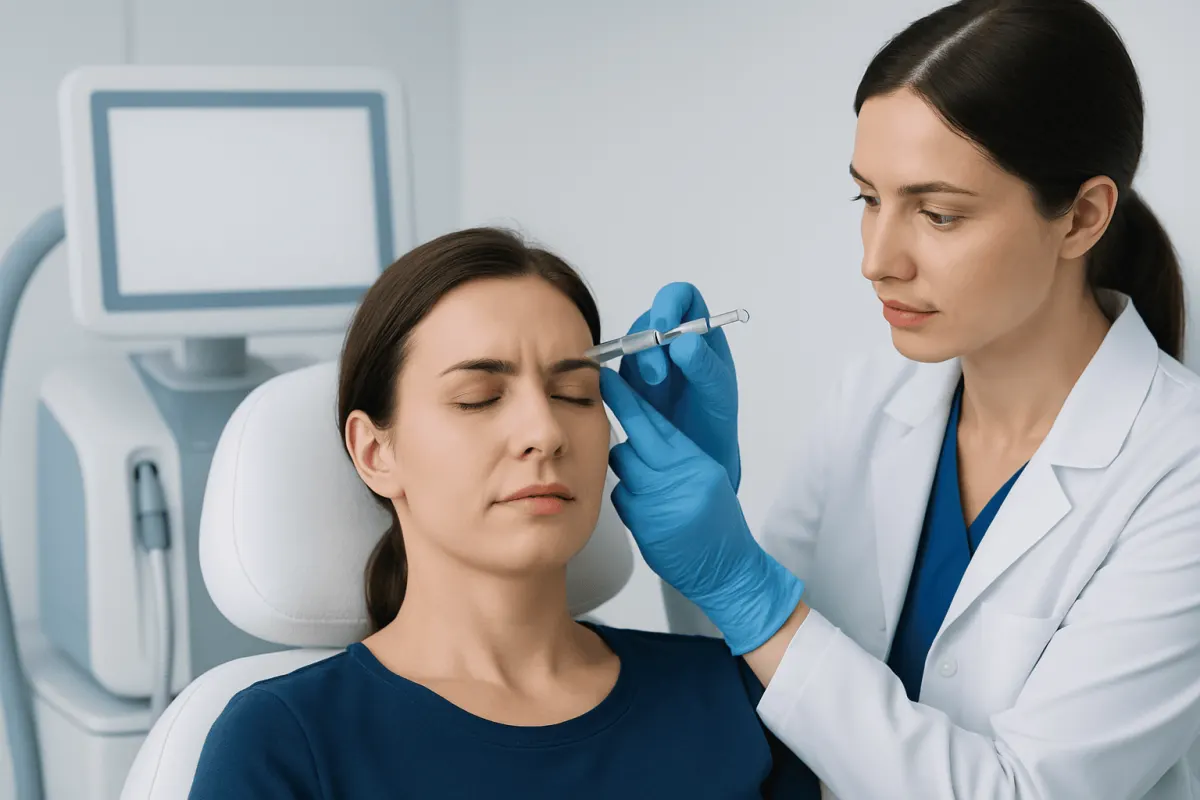
Botox brow furrow treatment uses carefully placed botulinum toxin injections to relax the muscles that create vertical lines between the eyebrows. It is a temporary, non-surgical option that may soften frown lines and, in selected people, create a subtle opening effect around the brows.
Botox Brow Furrow: What It Treats
Botox brow furrow treatment is a minimally invasive cosmetic procedure used to reduce the appearance of frown lines between the eyebrows. These lines, also called glabellar lines or “11 lines,” develop when the muscles in this area repeatedly pull the brows inward and downward during frowning, concentrating or squinting. Botox is a brand name for botulinum toxin type A, a prescription medicine that temporarily reduces nerve signals to selected muscles.
When the responsible muscles relax, the skin over them may look smoother and the brow area can appear less tense. Botox works best on dynamic lines, meaning lines that are most noticeable during facial movement. Lines that remain visible at rest may still improve, but they may not disappear completely because the skin itself has developed a lasting crease.
The goal is not to remove normal facial expression. A skilled clinician considers brow position, eyelid shape, muscle strength and facial symmetry to create a natural-looking result. Treatment plans should be individualized rather than based on a standard pattern of injections.
Can Botox Be Used to Treat Brow Furrows?
Yes. Botox can be used to treat brow furrows by targeting muscles commonly involved in frowning, especially the corrugator and procerus muscles between and above the eyebrows. By temporarily limiting their contraction, it reduces the repeated folding of skin that contributes to glabellar lines.
The procedure generally involves several small injections with a very fine needle. The appointment often includes a consultation, facial movement assessment, skin cleansing and treatment. Most people return to normal daily activities soon afterward, although clinicians may provide specific aftercare instructions based on the injection sites and the person’s health history.
Botox is not appropriate for everyone. A clinician may advise against or delay treatment for people who are pregnant or breastfeeding, have certain neuromuscular conditions, have an infection at the injection area, or have a known allergy to ingredients in the product. It is important to disclose all medicines, supplements, previous facial procedures and health conditions before treatment.
For people with deeper resting lines, an assessment may include discussion of complementary approaches such as skincare, resurfacing procedures or fillers when appropriate. These options address different concerns and should not be treated as interchangeable with muscle-relaxing injections.
What Happens During the Procedure

Before Botox brow furrow treatment, the clinician usually asks the person to frown, raise the eyebrows and relax the face. This helps identify the muscles causing the lines and allows the clinician to assess existing asymmetry, eyelid position and the natural height and movement of the brows. Photographs may be taken for clinical planning and comparison.
The skin is cleaned, and the injections are placed at selected points in the brow and glabellar region. Discomfort is usually brief and often described as a small pinch. A topical numbing product may be considered in some situations, though it is not always needed.
Injection placement matters because the muscles around the forehead, eyelids and brows work together. Treating the wrong area, using too much product or placing it too close to certain muscles can affect brow or eyelid position. This is why treatment should be administered by a licensed professional with appropriate training in facial anatomy and injectable treatments.
A consultation is also a useful time to discuss realistic goals. Botox can soften a furrowed appearance, but it does not change bone structure, remove excess upper-eyelid skin or replace a surgical brow lift when surgery is clinically indicated.
How Soon Can I See Results After a Botox Eyebrow Lift?
After a Botox eyebrow lift, early changes may be noticed within a few days, but the full effect is commonly assessed around 10 to 14 days after treatment. The term “Botox eyebrow lift” usually describes a subtle lifting or opening effect created when selected muscles that pull the brow downward are relaxed. It is not the same as a surgical brow lift.
Results vary because each person’s brow position is influenced by anatomy, skin elasticity, forehead muscle strength and the balance between muscles that raise and lower the eyebrows. Some people notice a fresher or more open appearance around the eyes, while others see primarily a reduction in frown lines. A clinician should avoid promising a particular brow height or shape.
Botox effects are temporary. For many people, benefits gradually lessen over several months as nerve signaling and muscle movement return. Repeat treatment may help maintain results, but timing should be based on clinical assessment rather than treating too frequently.
Recovery, Aftercare and the 4 Hour Rule
Recovery after Botox brow furrow injections is usually straightforward. Small red marks, mild swelling, tenderness or pinpoint bruising can occur at injection sites and generally settle quickly. Makeup may be used according to the treating clinician’s instructions, but rubbing or pressing firmly on the treated area should be avoided during the early recovery period.
What is the 4 hour rule after Botox? The “4 hour rule” is common aftercare advice to remain upright for approximately four hours after injections and avoid lying flat. It is also often paired with avoiding vigorous exercise, massage and facial treatments for a short period. These recommendations are intended to reduce unnecessary pressure or manipulation of the injection area, although exact instructions can differ by clinician and product.
Patients should follow the aftercare plan provided by their injector rather than relying only on general online guidance. It may also be sensible to postpone activities that increase bruising risk, such as intense exercise or alcohol consumption, if advised by the treating professional. People taking anticoagulants or medicines that affect bleeding should not stop them without speaking to the clinician who prescribed them.
It is best not to judge the result immediately after the appointment. Swelling, muscle response and the gradual onset of the medicine can make the early appearance different from the final outcome. If a review is needed, it is commonly planned after enough time has passed for the treatment to take full effect.
What I Wish I Knew Before Botox?
Before Botox, it is helpful to know that results are temporary, gradual and personal. The treatment is designed to relax specific muscles; it does not erase every skin line, correct all facial asymmetry or produce the same result for every face. A conservative first treatment may be appropriate for someone who wants to understand how their muscles respond.
It is also important to choose a qualified medical injector, not simply the most convenient appointment. An experienced clinician evaluates whether the person uses their forehead muscles to help keep the eyelids open, whether the brows are naturally low, and whether there are differences between the two sides of the face. These factors can affect both safety and cosmetic outcome.
People should tell the clinician about prior Botox or other injectable treatments, previous eyelid or brow surgery, allergies, neurological conditions and current medicines. They should also understand potential side effects, including temporary headache, bruising, asymmetry, an unintended change in brow position, or rarely a drooping eyelid. Most side effects are temporary, but prompt communication with the treating clinician is important if concerns arise.
Healthy expectations are especially valuable. A well-planned result often looks like a rested version of the person rather than an expressionless face. At Acıbadem Health Point, multidisciplinary specialists in JCI-accredited hospitals assess and treat aesthetic concerns for international patients, with treatment plans guided by individual anatomy and medical needs.
Maintaining Results and Caring for the Skin
Botox does not stop the skin from aging, but reducing repeated muscle movement may help limit the deepening of dynamic brow furrows while treatment is active. A consistent skincare routine can support overall skin health. Daily broad-spectrum sunscreen, gentle cleansing and moisturizing are practical foundations for protecting skin from sun-related damage and dryness.
People who frequently squint may benefit from checking whether their glasses or contact lens prescription is current. Sunglasses can also reduce sun glare and may help lessen habitual squinting outdoors. Stress management, sleep and avoiding tobacco products can support skin and general health, although they cannot prevent all facial lines.
Follow-up appointments allow the clinician to review movement, symmetry and satisfaction before deciding whether additional treatment is appropriate. Bringing up any concern openly helps the clinician adjust future plans safely. Repeated injections should be based on the person’s needs and not on pressure to maintain a particular appearance.
When to Seek Medical Care
Contact the treating clinician promptly if there is increasing pain, marked swelling, signs of infection, a spreading rash, or an unexpected change in eyelid or brow position. A mild headache or small bruise can occur after injections, but symptoms that are severe, persistent or concerning should be medically assessed.
Urgent medical care is needed for difficulty breathing, swallowing or speaking, generalized muscle weakness, vision changes, or symptoms of a serious allergic reaction such as facial swelling, widespread hives or trouble breathing. These reactions are uncommon, but they require immediate evaluation.
Anyone considering Botox for a brow furrow should arrange a consultation with a qualified clinician rather than attempting treatment through unregulated sources. A medical assessment can help determine whether Botox is suitable and whether another approach would better match the person’s concerns and goals.
Frequently asked questions
01How long does Botox for brow furrows last?
The effect of Botox for brow furrows commonly lasts several months, although duration varies among individuals. Muscle strength, metabolism, treatment history and the amount and placement of product can influence how long the result is noticeable. A clinician can advise on an appropriate follow-up schedule.
02Does Botox for brow furrows hurt?
Most people describe the injections as brief pinches or small stings. The treatment uses a fine needle and is usually completed quickly. Mild tenderness, redness or bruising can occur afterward and generally improves in a short time.
03Can Botox make the eyebrows look uneven?
Temporary unevenness can occur because facial muscles and brow positions are naturally asymmetric in many people. Careful assessment and injection technique help reduce this possibility. If asymmetry develops, the treating clinician should assess it after the medicine has had sufficient time to take effect.
04Can I exercise after Botox brow furrow treatment?
Many clinicians recommend avoiding strenuous exercise for a short period after treatment, often on the day of the procedure. This is part of standard aftercare intended to limit pressure, rubbing and increased blood flow around the injection sites. The individual should follow the specific instructions provided by their clinician.
05Can Botox remove deep lines between the eyebrows?
Botox can soften deep brow furrows when muscle movement contributes to them, but it may not fully remove lines that remain present when the face is relaxed. Deep static creases may need additional skin-focused treatment options. A qualified clinician can explain what degree of improvement is realistic.
06Who should avoid Botox injections?
People with an allergy to the product or its components, an infection at the planned injection site, or certain neuromuscular disorders may not be suitable candidates. Botox is generally avoided during pregnancy and breastfeeding because safety data are limited. A full medical history is necessary before treatment.
This article is for general information only and is not a substitute for professional medical advice. Please consult a qualified doctor about your individual situation.
Explore treatments in Turkey — costs, top hospitals & a free quote
JCI-accredited · board-certified surgeons · reply within 24h
Add us as a Preferred Source to see more of our trusted health content across Google Search, AI Overviews and Discover.