Bone Stage 4 Cancer: Symptoms and Treatment Options

Bone stage 4 cancer is a broad term that usually describes cancer that has spread to the bones from another part of the body, although it can also refer to a primary bone cancer that has spread elsewhere. Treatment is individualized and may help control cancer growth, strengthen bones, reduce pain, and protect daily function.
Overview: What Does Bone Stage 4 Cancer Mean?
The phrase “bone stage 4 cancer” can mean different things, so clarifying the diagnosis is important. Most often, it means that a cancer which started in another organ has spread to one or more bones. This is called bone metastasis or metastatic bone disease. Cancers that commonly spread to bone include breast, prostate, lung, kidney, thyroid, and multiple myeloma, although many cancer types can do so.
Less commonly, the phrase may refer to a primary bone cancer, such as osteosarcoma, chondrosarcoma, or Ewing sarcoma, that is stage IV because it has spread to distant parts of the body. The staging rules differ between cancer types. A person’s oncology team can explain whether the cancer began in bone, where it has spread, and what that means for treatment planning.
Stage IV does not describe one identical situation for every person. Some people have a small number of bone lesions and otherwise stable disease, while others have cancer in several bones or organs. The original cancer type, tumor features, overall health, symptoms, previous treatments, and personal goals all guide care.
Possible Signs and Symptoms
Bone metastases may cause no symptoms at first and can sometimes be found during imaging performed for staging or follow-up. When symptoms occur, the most common is persistent bone pain. It may be felt in the back, hips, ribs, pelvis, arms, or legs, and it can become more noticeable at night or with movement. However, pain has many possible causes, including arthritis and injury, so it does not by itself confirm cancer spread.
Cancer in bone can weaken its structure and raise the risk of a fracture after a minor fall, routine activity, or occasionally no clear injury. A painful or fractured bone can limit movement and independence. Cancer affecting the spine may compress the spinal cord or nerves, potentially causing new back or neck pain, weakness, numbness, difficulty walking, or changes in bladder or bowel function.
Some bone lesions release calcium from bone into the bloodstream, causing high calcium levels. Symptoms can include thirst, frequent urination, constipation, nausea, tiredness, confusion, or drowsiness. These symptoms are not specific to cancer, but they should be assessed promptly, especially in someone with a current or previous Prostate Cancer Diagnosis: Tests and Next Steps" class="ahp-ilk">cancer diagnosis.
How Cancer Reaches the Bones and Who May Be at Risk

Bone metastasis occurs when cancer cells leave the original tumor, travel through blood or lymphatic pathways, and establish growth in bone. The spine, pelvis, ribs, skull, and long bones are frequent sites because they contain active bone marrow and have a rich blood supply. Once cancer cells are present, they can disturb the normal balance between bone breakdown and bone formation.
The main risk factor is having a cancer type that has the potential to spread. Risk may be higher when the original cancer is more advanced, has involved lymph nodes, has returned after treatment, or has biological characteristics associated with more active disease. Still, metastatic spread cannot be predicted from one factor alone, and it is not caused by a person’s activities, diet, or an ordinary injury.
Regular oncology follow-up allows clinicians to review symptoms, examinations, blood tests, and imaging when appropriate. New or changing pain should be discussed rather than assumed to be a normal effect of aging, exercise, or past treatment. Early evaluation can help identify complications before they significantly affect mobility or comfort.
Diagnosis and Assessment
Assessment begins with a detailed history and physical examination. The medical team will ask about pain, mobility, falls, neurological symptoms, appetite, energy levels, and a person’s past cancer diagnosis and treatments. Blood tests may assess blood cell counts, kidney function, liver function, calcium levels, and other markers that may be relevant to the known cancer.
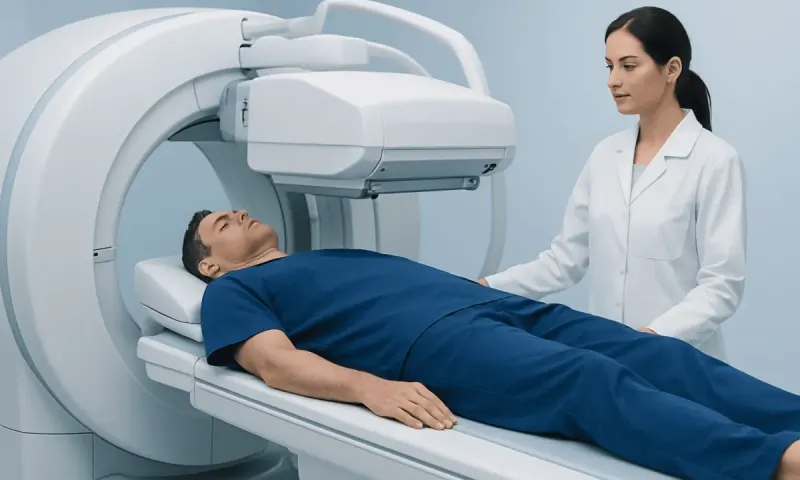
Imaging is central to diagnosis. Depending on the clinical question, doctors may use X-rays, computed tomography (CT), magnetic resonance imaging (MRI), bone scans, positron emission tomography (PET), or combined PET-CT imaging. MRI is particularly useful when spinal cord or nerve compression is suspected, while CT can help evaluate bone strength and guide certain procedures.
A biopsy is sometimes needed, especially if the original cancer is unknown, imaging findings are uncertain, or the lesion could represent a different condition. Pathology testing can identify the cancer type and may assess biomarkers that influence systemic treatment. The team also evaluates fracture risk, whether the spine is stable, and whether urgent treatment is required.
Treatment Options and Supportive Care
Treatment for bone stage 4 cancer aims to manage the cancer throughout the body while also preventing or treating bone-related complications. Systemic treatments circulate through the body and may include chemotherapy, hormone therapy, targeted therapy, immunotherapy, or other medicines selected for the original cancer type and its molecular features. These options may slow cancer growth, shrink lesions, or maintain disease control.
Radiation therapy is commonly used to relieve pain from a specific bone lesion, reduce pressure on nearby structures, or help lower fracture risk in selected situations. Surgery may be considered to stabilize a weakened bone, repair a fracture, remove or support a tumor, or relieve spinal cord compression. Some patients may also be candidates for image-guided procedures such as ablation or cement augmentation, depending on the location and nature of the lesion.
Bone-modifying medicines can reduce the risk of skeletal complications in some people with bone metastases. Doctors consider kidney function, calcium levels, dental health, and the cancer type before recommending these medicines. Pain management, physical therapy, occupational therapy, nutrition support, and palliative care are also important parts of comprehensive treatment. Palliative care focuses on symptom relief and quality of life and can be provided alongside cancer-directed treatment at any stage.
Care is usually coordinated by medical oncologists, radiation oncologists, orthopedic or spine surgeons, radiologists, pathologists, pain specialists, rehabilitation professionals, and nursing teams. Acıbadem Health Point’s multidisciplinary specialists and JCI-accredited hospitals support the diagnosis and treatment of cancer for international patients.
Living With Bone Metastases: Prevention and Self-Care
It is not always possible to prevent cancer from spreading to bone. However, regular follow-up, reporting new symptoms early, and following the treatment plan can help reduce the chance that complications go unnoticed. A clinician may recommend periodic imaging or blood tests based on the original cancer, symptoms, treatment response, and overall clinical situation.
Protecting bone safety is an important practical goal. A doctor or physiotherapist can advise which movements, exercises, lifting activities, or impact sports are appropriate. For people with a weakened bone or spine lesion, avoiding falls and activities that place excessive strain on the affected area may be important. Mobility aids, home safety adjustments, and supportive braces may be helpful for selected individuals.
Balanced meals, enough fluids, sleep, and gentle activity within medical guidance can support strength and wellbeing. People should not begin calcium, vitamin D, herbal products, or over-the-counter pain medicines without checking with their oncology team, since supplements and medicines can affect calcium levels, kidneys, bleeding risk, or cancer treatment. Emotional support from family, counseling services, and cancer support groups can also be valuable.
When to Seek Medical Care
Anyone with a current or past cancer diagnosis should contact their doctor promptly for new, persistent, or worsening bone pain; pain that disrupts sleep; unexplained difficulty walking; or a suspected fracture. The same applies to new fatigue, nausea, constipation, thirst, or confusion that could be related to high calcium levels. Timely assessment does not necessarily mean the symptoms are caused by cancer, but it allows important causes to be ruled out.
Urgent medical care is needed for severe back or neck pain with new leg or arm weakness, numbness, trouble walking, loss of sensation around the buttocks or genitals, or new loss of bladder or bowel control. These symptoms may indicate spinal cord compression and require rapid evaluation. Sudden severe pain after a minor movement or fall may also indicate a fracture.
People without a known cancer diagnosis should arrange medical review for persistent, unexplained bone pain, especially when it is progressive, occurs at night, or is accompanied by unexplained weight loss, marked fatigue, or a new lump. A qualified clinician can determine whether imaging or referral is appropriate and provide clear next steps.
Frequently asked questions
01Is bone stage 4 cancer always terminal?
Stage IV cancer is a serious diagnosis, but it does not mean that the same outcome applies to every person. Many factors influence outlook, including the original cancer type, extent of disease, tumor biology, available treatments, and response to therapy. An oncology team can provide the most meaningful information for an individual situation.
02Is stage 4 bone cancer the same as bone metastases?
Often, people use these terms to refer to cancer that has spread to bone from another organ. However, stage IV primary bone cancer is different because the cancer began in bone and then spread elsewhere. Knowing the site where the cancer started is essential for accurate staging and treatment.
03What is usually the first symptom of cancer spread to bone?
Persistent, localized bone pain is a common symptom, but some people have no symptoms initially. Pain may worsen over time, during movement, or at night. Because bone pain can have many non-cancer causes, medical assessment is needed to determine the reason.
04Can bone metastases be treated?
Yes. Although treatment may not always remove all metastatic cancer, it can often control growth, relieve pain, lower the risk of fractures, and support function. Treatment may combine systemic cancer medicines with radiation, surgery, bone-directed medicines, and supportive care.
05Can cancer spread to bone be cured?
In many cases, bone metastases are managed as an ongoing condition rather than cured completely. However, some people can have long periods of stable disease with treatment. The possibility of long-term control varies substantially according to the cancer type and the person’s response to therapy.
06When is back pain an emergency in someone with cancer?
Back pain needs urgent assessment if it occurs with new weakness, numbness, difficulty walking, loss of bladder or bowel control, or altered sensation around the buttocks or genital area. These symptoms can suggest pressure on the spinal cord or nerves. Emergency evaluation can help prevent lasting neurological problems.
This article is for general information only and is not a substitute for professional medical advice. Please consult a qualified doctor about your individual situation.
Joint and spine care in Turkey — expert assessment & treatment
JCI-accredited · board-certified surgeons · reply within 24h
Add us as a Preferred Source to see more of our trusted health content across Google Search, AI Overviews and Discover.