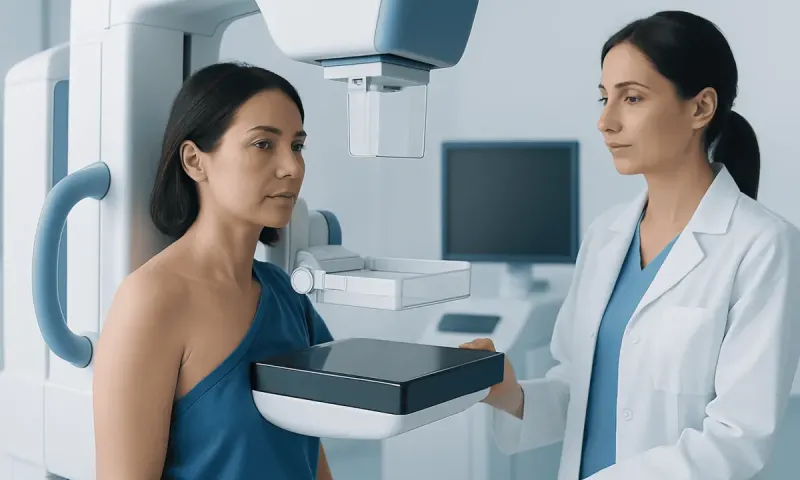
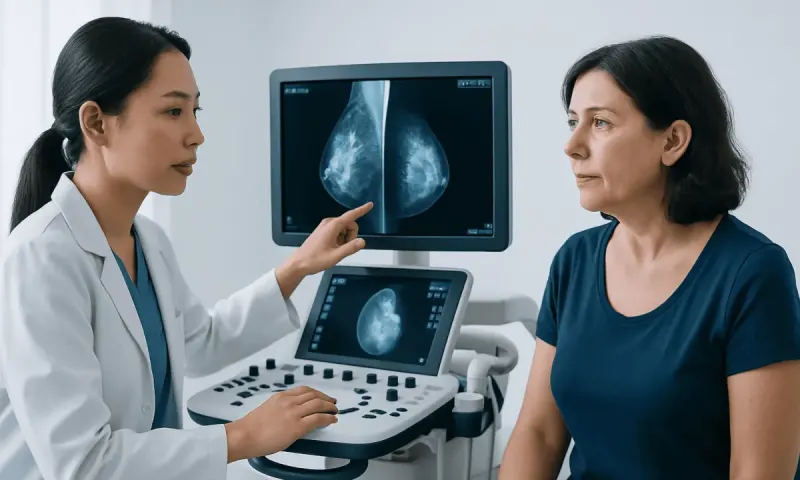
Liver Cancer Survival Rate: Outlook by Stage and Treatment
Liver cancer survival rates describe outcomes in groups of people, not an individual prediction. Outlook varies greatly with the cancer stage, the health of the remaining liver, whether treatment can fully target the tumor, and response to therapy.
Liver cancer survival rate: the answer in context
The liver cancer survival rate varies widely because liver cancer is not one uniform condition. It depends on how far the cancer has spread, whether the tumor can be removed or otherwise treated, the number and size of tumors, and how well the liver is working. A person’s age, general health and response to treatment also matter.
Survival statistics are calculated from large groups and often reflect people treated in earlier years. They are useful for understanding broad patterns, but they cannot say exactly what will happen for an individual. A liver specialist or oncology team can give a more meaningful outlook after reviewing scans, blood tests, liver function and treatment possibilities.
Primary liver cancer most often refers to hepatocellular carcinoma, which begins in liver cells. It differs from cancer that started elsewhere and spread to the liver. The underlying liver condition is particularly important in hepatocellular carcinoma, as many people also have cirrhosis or chronic viral hepatitis.
How stage and liver function shape outlook
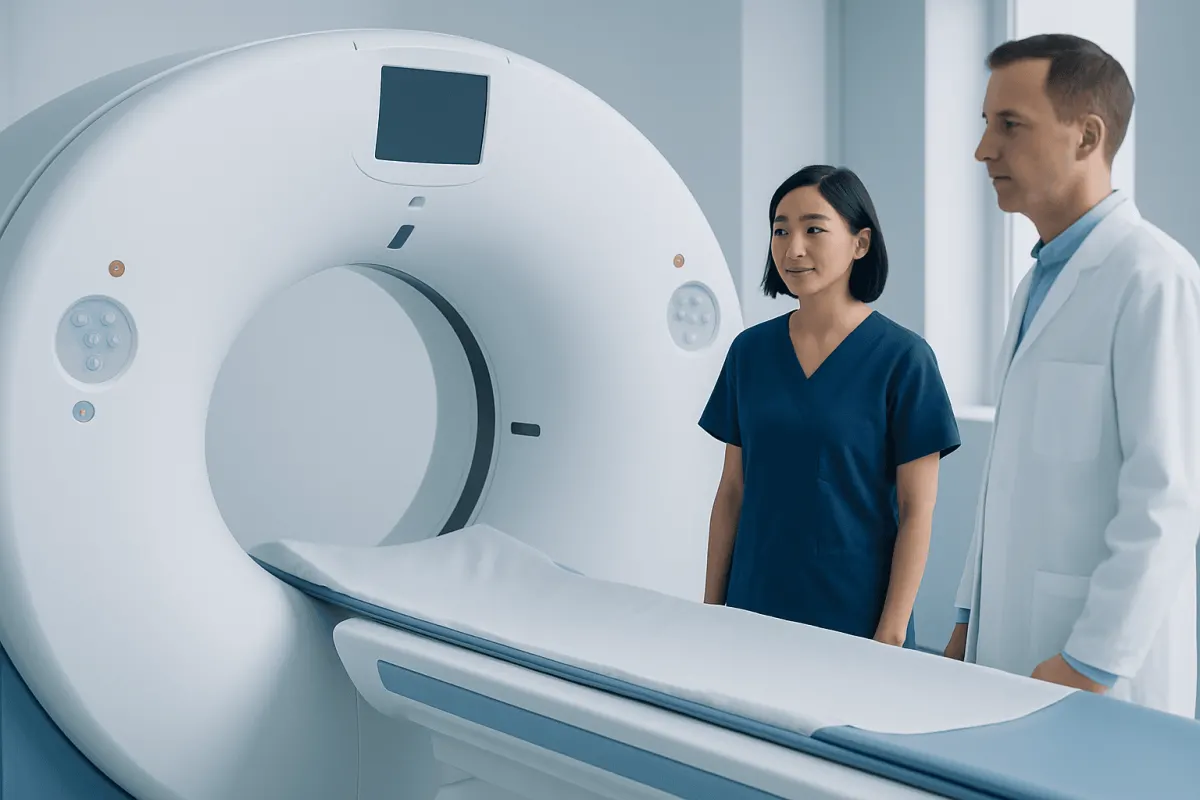
Doctors assess both the cancer and the liver. Imaging such as contrast-enhanced CT or MRI helps show tumor size, number, location, blood-vessel involvement and spread outside the liver. Blood tests help assess liver function, while a person’s daily activity level and other medical conditions are also considered.
Several staging systems may be used. The Barcelona Clinic Liver Cancer system is commonly used because it combines tumor extent, liver function and physical fitness to help guide treatment. TNM staging may also describe the size or number of tumors, vascular invasion, lymph-node involvement and distant spread.
In general, cancers found at an early stage, before they involve major blood vessels or spread beyond the liver, may be treated with curative intent. More advanced disease may still be treatable, but the goals often include controlling tumor growth, preserving liver function and maintaining quality of life. Prognosis can change over time as treatment response and liver health change.
- Tumor factors: size, number, location, vessel invasion and spread.
- Liver factors: cirrhosis severity, portal hypertension and blood-test results.
- Person-specific factors: fitness for treatment, other illnesses and treatment response.
Can you survive liver cancer with treatment?
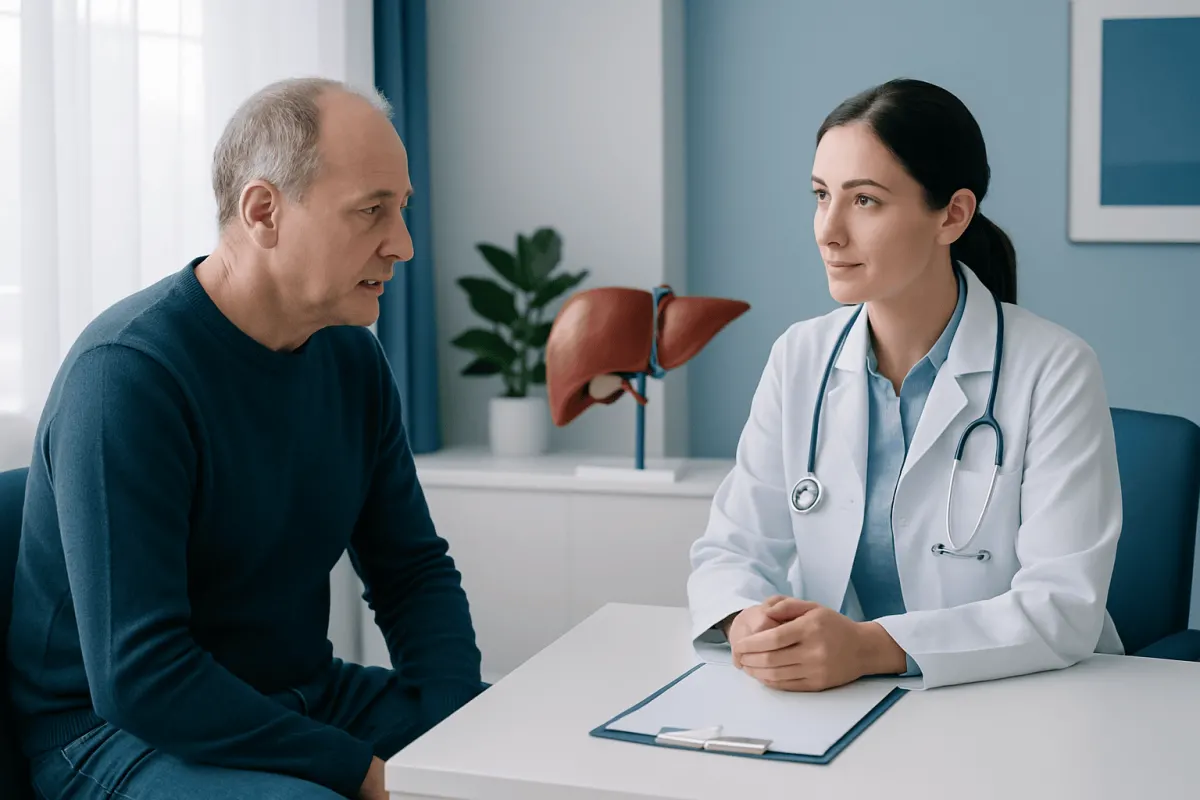
Yes. Some people survive liver cancer for many years, especially when it is diagnosed early and treated with approaches that can eliminate all visible disease. Surgery to remove part of the liver, liver transplantation and tumor ablation may offer a chance of long-term disease control or cure for carefully selected patients.
Even when cure is not currently possible, treatment can be valuable. Liver-directed procedures and medicines can slow cancer growth, reduce symptoms and, for some people, make additional treatment options possible. The best plan is individualized and should consider both the cancer and the condition of the liver.
Care is often planned by a multidisciplinary team that may include hepatologists, liver surgeons, medical oncologists, interventional radiologists, radiation oncologists, transplant specialists and supportive-care clinicians. The relevant diagnosis is discussed in more detail on the liver cancer page.
What is the survival rate for stage 3 liver cancer by age?
There is no single reliable survival rate for stage 3 liver cancer by age alone. “Stage 3” can include different tumor patterns, such as multiple tumors or a tumor involving a major blood vessel, and people within this stage can have very different liver function and treatment options. These differences usually affect outlook more directly than age by itself.
Population-based statistics may group patients by a broad extent of disease rather than by the exact clinical stage used by an individual treatment team. They also may not capture important details such as transplant eligibility, response to immunotherapy, treatment at experienced centers or the severity of cirrhosis. For this reason, online figures should be interpreted cautiously.
Older adults can sometimes receive effective liver cancer treatment when their overall fitness and liver function are suitable. Conversely, younger age does not automatically mean a better prognosis if the cancer is extensive or the liver is significantly damaged. A clinician can explain the likely outlook using the person’s staging information rather than age alone.
Treatment approaches that can influence survival
Treatment may be aimed at cure, durable tumor control or symptom relief, depending on the disease stage and liver reserve. For localized tumors in an adequately functioning liver, options may include surgical resection, thermal ablation or transplantation. Transplantation can treat both the cancer and the damaged liver in selected patients.
For tumors that cannot be removed immediately, liver-directed treatments may be considered. These can include arterial therapies that deliver treatment through the liver’s blood supply, radioembolization, and focused radiation approaches. Some people also receive systemic treatment, such as immunotherapy, targeted medicines or other anticancer drugs, particularly when disease is advanced or has spread.
Plans may change as scans and blood tests are reviewed. In certain situations, treatment can shrink or control tumors enough to allow local therapy later. Discussions about liver transplantation or radioembolization should include potential benefits, limitations, risks and whether the approach fits the individual’s cancer and liver condition.
Supportive care is also active medical care. Managing pain, nutrition, fatigue, fluid retention, itching and emotional distress can improve day-to-day wellbeing during every stage of treatment.
How to live longer with liver cancer?
There is no guaranteed way to live longer with liver cancer, but several practical steps can support treatment and overall health. Attending scheduled appointments, completing recommended scans and blood tests, and reporting new symptoms promptly can help the care team recognize changes early and adjust the plan when needed.
Protecting the remaining liver is important. Patients should avoid alcohol unless their clinician advises otherwise, avoid unprescribed herbal products or supplements that may harm the liver, and check with the treatment team before starting any new medicine. If chronic hepatitis B or C is present, appropriate antiviral evaluation and management may be part of care.
A balanced eating pattern, enough protein and calories when appropriate, gentle physical activity within personal limits, sleep support and help for anxiety or low mood can all be useful. A dietitian, physiotherapist, social worker or palliative-care clinician may offer practical support. Palliative care can be involved alongside cancer treatment and is not limited to end-of-life care.
What size liver tumor is considered large?
There is no universal tumor measurement that defines a “large” liver tumor in every situation. In many clinical discussions, a tumor measuring more than 5 centimeters may be described as large, but size is only one part of the assessment. A smaller tumor in a critical location or involving a blood vessel may be more complex to treat than a larger tumor in another area.
Doctors also consider whether there is one tumor or several, whether tumors are confined to the liver, and whether there is vascular invasion. Treatment decisions therefore should not be based on size alone. A tumor’s relationship to blood vessels, bile ducts and the remaining healthy liver tissue can be equally important.
Some treatment pathways use size thresholds when considering ablation, resection or transplant eligibility. However, criteria vary by treatment type and local clinical guidance. A liver cancer team can explain what a scan result means for a specific person and which options remain appropriate.
When to seek medical care
People with cirrhosis, chronic hepatitis B, chronic hepatitis C or another long-term liver condition should ask their clinician about regular liver cancer surveillance. Surveillance commonly uses liver ultrasound, sometimes with a blood test, at intervals recommended by the treating team. It can identify some cancers before symptoms occur.
A medical review should be arranged for persistent upper-right abdominal discomfort, unexplained weight loss, reduced appetite, increasing tiredness, yellowing of the eyes or skin, a swollen abdomen, or new nausea. These symptoms can have many causes and do not necessarily mean cancer, but they deserve assessment, particularly in someone with known liver disease.
Urgent medical attention is appropriate for severe abdominal pain, vomiting blood, black stools, confusion, fainting, marked sleepiness or rapidly worsening jaundice. These symptoms may indicate a serious liver-related or other medical problem. Acıbadem Health Point’s multidisciplinary specialists and JCI-accredited hospitals evaluate and treat liver cancer for international patients.
Frequently asked questions
01What is the average liver cancer survival rate?
Average survival estimates differ according to the type and stage of liver cancer, liver function, available treatment and the population studied. Broad statistics are not a personal forecast, because an individual’s outcome can be substantially better or worse than the average. A treating specialist can interpret prognosis using current imaging and liver assessments.
02Does early liver cancer have a better prognosis?
In general, early liver cancer has a more favorable outlook because it may be suitable for surgery, ablation or transplantation. These treatments may remove or destroy all detectable cancer in selected patients. Ongoing follow-up remains important because liver cancer can recur, particularly when underlying liver disease persists.
03Can stage 3 liver cancer be treated?
Yes, stage 3 liver cancer can often be treated, although the treatment goals and choices vary. Options may include liver-directed therapies, systemic treatments, radiation approaches and, in selected cases, surgery or transplant-based strategies. The condition of the liver is central to selecting the safest and most effective approach.
04Is a 5 cm liver tumor always serious?
A 5 cm liver tumor requires careful medical assessment, but size alone does not determine how serious it is or which treatment is possible. Location, number of tumors, vessel involvement, spread and liver function all affect management. Imaging and specialist review are needed to interpret the finding accurately.
05Can liver cancer be cured without surgery?
In some selected early cases, local treatments such as thermal ablation may destroy tumors without open surgery. Liver transplantation may also be curative for eligible patients while treating severe underlying liver disease. Whether a non-surgical approach is appropriate depends on the tumor pattern and the health of the liver.
06How often is follow-up needed after liver cancer treatment?
Follow-up schedules vary, but they commonly include regular imaging, blood tests and clinical appointments to monitor for recurrence, treatment effects and liver function. The timing depends on the treatment received and the person’s risk factors. Patients should follow the schedule provided by their oncology and liver team.
This article is for general information only and is not a substitute for professional medical advice. Please consult a qualified doctor about your individual situation.
Oncology care in Turkey — second opinion and treatment plan
JCI-accredited · board-certified surgeons · reply within 24h
Add us as a Preferred Source to see more of our trusted health content across Google Search, AI Overviews and Discover.