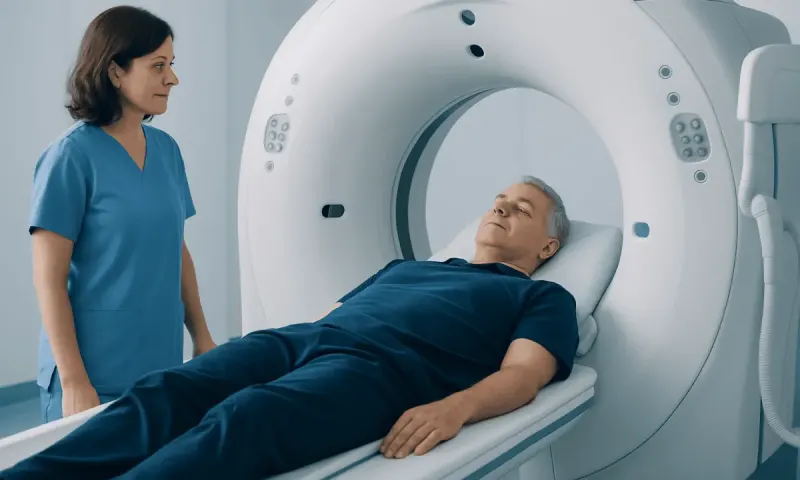
Bone Scintigraphy in Prostate Cancer: What Results Mean
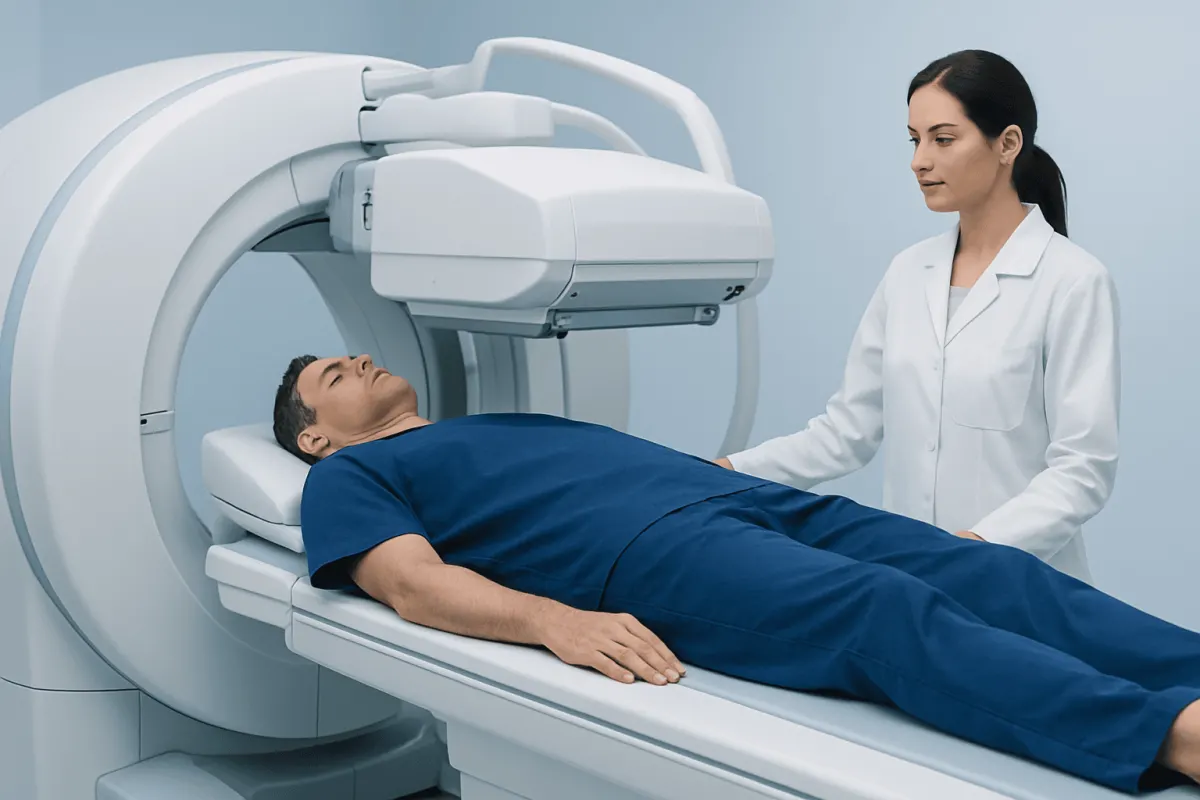
Bone scintigraphy, also called a bone scan, is an imaging test used to look for areas of increased bone activity that may indicate prostate cancer has spread to bone. It is one part of prostate cancer staging and is interpreted alongside PSA results, symptoms, other scans, and sometimes further tests.
Bone scintigraphy for prostate cancer: the answer in brief
Bone scintigraphy for prostate cancer is a nuclear medicine scan that looks for unusual activity in bones. Doctors use it mainly to assess whether prostate cancer may have spread to the skeleton, particularly when the cancer appears more likely to be high risk, has returned after treatment, or is causing symptoms such as persistent bone pain.
The scan does not diagnose prostate cancer on its own, and an abnormal result does not automatically mean cancer has spread. Arthritis, old fractures, infection, and other non-cancerous bone conditions can also cause increased uptake. Results are therefore considered with the person’s PSA level, biopsy findings, medical history, examination, and other imaging.
Most prostate cancers are diagnosed before they have spread. When spread is found, modern treatments can often control the disease, relieve symptoms, protect bone health, and support quality of life.
How a prostate cancer bone scan works
For a bone scintigraphy scan, a small amount of radioactive tracer is injected into a vein. The tracer travels through the bloodstream and collects in areas where bone is repairing itself or has increased activity. A special camera then creates images of the skeleton, usually several hours after the injection.
The radiation exposure is generally low, and the tracer leaves the body naturally over time. Patients are commonly advised to drink fluids after the scan and follow the imaging department’s instructions. The test is usually painless apart from the injection, although it can require lying still for imaging.
A report may describe normal uptake, one or more focal areas of uptake, or widespread abnormal uptake. If the findings are unclear, the care team may recommend targeted X-rays, CT, MRI, or a PET scan to clarify the cause.
- Bone scans are sensitive to bone change but are not completely specific for cancer.
- They may miss very early marrow-based disease before the bone reacts.
- Modern PET imaging can be preferred in some clinical situations where it is available and appropriate.
When is bone scintigraphy used in prostate cancer?

Not every person with prostate cancer needs a bone scan. In people with a low PSA level, low-grade tumour features, and no symptoms suggesting spread, the chance of bone metastases is often low. Avoiding unnecessary imaging can reduce false-positive findings and the worry or additional tests they may cause.
Doctors may consider bone scintigraphy when PSA is substantially elevated, the biopsy shows a more aggressive cancer, clinical staging suggests more extensive disease, or there is bone pain or another symptom that could be related to spread. It may also be used when PSA rises after surgery or radiotherapy, depending on the individual situation and the imaging options available.
PSMA PET/CT is an increasingly important imaging method for staging and recurrence assessment because it can detect prostate cancer cells in lymph nodes, bone, and other sites. However, the best scan depends on the clinical question, access to imaging, previous treatment, PSA level, and local specialist recommendations.
What do bone scan results mean for outlook and treatment?
A normal bone scan means there is no scan evidence of bone metastases at that time. It does not replace routine follow-up, since prostate cancer can change over time and imaging may be repeated if PSA trends, symptoms, or examination findings raise concern.
An abnormal scan requires careful interpretation. A single area of uptake may be due to an old injury or arthritis, while multiple areas in a pattern typical of prostate cancer may be more concerning for bone metastases. Additional imaging can help distinguish cancer from benign causes and determine the extent of disease.
If cancer has spread to bone, treatment planning usually involves a multidisciplinary team. Care may include hormone-based treatment, medicines that directly target cancer cells, radiotherapy for painful or high-risk bone areas, and supportive measures to preserve strength and mobility. The underlying condition is prostate cancer, but treatment is tailored to its stage, biology, previous therapies, symptoms, and the person’s overall health.
What are the newest treatments available for metastatic prostate cancer?
Metastatic prostate cancer is commonly treated with androgen-deprivation therapy, which lowers or blocks the effect of male hormones that stimulate many prostate cancer cells. For many people with newly diagnosed metastatic hormone-sensitive disease, doctors combine hormone treatment with an androgen-receptor pathway inhibitor, chemotherapy in selected cases, or both. These approaches can improve disease control compared with hormone treatment alone for appropriate patients.
When cancer grows despite low testosterone levels, it is called metastatic castration-resistant prostate cancer. Options may include androgen-receptor targeted medicines, chemotherapy, targeted medicines for people with certain inherited or tumour gene changes, immunotherapy for a small group with specific biomarkers, radioligand therapy targeting PSMA in eligible patients, and clinical trials.
Bone-directed care is also important. Radiotherapy can help relieve pain from a bone metastasis and reduce complications in specific areas. Medicines that strengthen bone may be considered in some situations, with dental assessment and monitoring where appropriate. Radiation oncology treatment may be used as part of an individualized plan for local symptom control or disease management.
New treatments are not suitable for everyone, and there is no single best sequence for all patients. A medical oncologist and urologic oncology team can explain expected benefits, side effects, genetic testing, and whether clinical-trial participation is appropriate.
Which lymph nodes does prostate cancer spread to first?
Prostate cancer commonly spreads first to lymph nodes in the pelvis. These may include obturator, internal iliac, external iliac, and presacral lymph nodes. The exact pattern varies because lymphatic drainage from the prostate follows more than one pathway.
With more advanced disease, cancer may involve common iliac nodes and then lymph nodes higher in the abdomen, such as para-aortic nodes. Imaging tests such as PSMA PET/CT, CT, MRI, and occasionally other scans can help evaluate lymph nodes, although very small deposits may not be visible on imaging.
Lymph node involvement does not automatically mean bone spread is present. It is one factor doctors use to determine stage and to discuss treatment, which may combine systemic therapy with prostate-directed radiotherapy or other approaches in selected patients.
Can stage 2 prostate cancer be cured?
Stage 2 prostate cancer is generally confined to the prostate but may be larger, involve more of the gland, or have higher-grade features than stage 1 disease. Many people with stage 2 prostate cancer can be treated with curative intent, particularly when the cancer has not spread outside the prostate.
Potential curative approaches include active surveillance for carefully selected favourable cases, surgery to remove the prostate, and radiotherapy. Some people receiving radiotherapy may also be advised to have a period of hormone treatment, depending on risk features. The choice depends on PSA, Gleason grade group, MRI and staging results, age, other health conditions, and personal priorities.
Follow-up is essential after treatment. PSA testing helps doctors monitor response and detect recurrence early, when further treatment options may still be available.
Does prostate cancer affect walking?
Early and localized prostate cancer usually does not affect walking. Difficulty walking can occur for many reasons, including arthritis, nerve problems, stroke, medication effects, or general loss of strength, so it should not be assumed to be caused by prostate cancer.
In advanced prostate cancer, bone metastases in the spine, hips, pelvis, or legs can cause pain and may affect mobility. Rarely, cancer affecting the spine can compress the spinal cord or nerves, causing weakness, numbness, difficulty walking, or changes in bladder or bowel control. This requires urgent assessment because prompt treatment can help protect nerve function.
Pain management, physiotherapy, mobility support, radiotherapy, and systemic cancer treatment can all have roles when walking is affected. A clinician can identify the cause and recommend safe movement and rehabilitation strategies.
When to seek medical care
Anyone with prostate cancer should contact their clinical team about new, persistent, or worsening bone pain, especially pain in the back, hips, ribs, or pelvis. New fatigue, unintentional weight loss, reduced ability to carry out usual activities, or a significant rise in PSA may also prompt review, although these findings do not by themselves confirm spread.
Urgent medical care is needed for severe or rapidly worsening back pain, new leg weakness, numbness around the groin or buttocks, difficulty walking, or new loss of bladder or bowel control. These symptoms can have several causes, but they need immediate assessment to exclude spinal cord compression.
Acıbadem Health Point’s multidisciplinary specialists in JCI-accredited hospitals support international patients with prostate cancer diagnosis, staging, and individualized treatment planning. A qualified doctor can explain whether bone scintigraphy, PSMA PET/CT, or another investigation is most appropriate for the person’s circumstances.
Frequently asked questions
01Is bone scintigraphy the same as a bone scan?
Yes. Bone scintigraphy is the medical term for a bone scan. It uses a small amount of tracer and a special camera to identify areas of increased bone activity.
02Can a bone scan show prostate cancer spread accurately?
A bone scan can be very useful for detecting bone changes that may be caused by metastases. However, arthritis, fractures, and other benign conditions can look abnormal too, so doctors may use CT, MRI, or PSMA PET/CT to confirm uncertain findings.
03Does a high PSA mean prostate cancer has spread to bone?
No. PSA can rise for several reasons, and a higher result does not by itself prove spread to bone. PSA trends, tumour grade, symptoms, examination findings, and imaging are assessed together.
04Is bone scintigraphy painful or dangerous?
The scan is usually well tolerated and involves an injection followed by imaging. The tracer uses a low level of radiation and is cleared naturally, but patients should tell the imaging team about pregnancy, breastfeeding, allergies, and relevant medical conditions.
05Can bone metastases from prostate cancer be treated?
Yes. Treatment can often control cancer activity, relieve pain, lower the risk of bone complications, and maintain quality of life. Options may include hormone-based medicines, targeted treatments, chemotherapy, radiotherapy, and supportive bone care.
06How long does a prostate cancer bone scan take?
The injection appointment is usually brief, but images are often taken a few hours later to allow the tracer to reach the bones. The imaging itself may take around 30 to 60 minutes, although schedules vary by centre.
This article is for general information only and is not a substitute for professional medical advice. Please consult a qualified doctor about your individual situation.
Joint and spine care in Turkey — expert assessment & treatment
JCI-accredited · board-certified surgeons · reply within 24h
Add us as a Preferred Source to see more of our trusted health content across Google Search, AI Overviews and Discover.