Bladder Pressure: Causes of Lower Abdominal Discomfort
Bladder pressure describes a sensation of fullness, heaviness, or discomfort in the area just above the pubic bone. It can occur when the bladder is full, but persistent or painful pressure may be related to a urinary tract infection, bladder irritation, pelvic floor concerns, constipation, or other conditions that need medical assessment.
What Does Bladder Pressure Mean?
Bladder pressure is a feeling of heaviness, fullness, tightness, or discomfort in the lower central abdomen, usually behind the pubic bone. It may be most noticeable as the bladder fills and improve after urination. However, pressure that continues after emptying the bladder, recurs often, or occurs with pain can signal irritation or another health concern.
The bladder sits in the pelvis near the bowel and reproductive organs. As a result, sensations interpreted as bladder pressure do not always originate in the bladder itself. Constipation, pelvic muscle tension, menstrual or gynecologic conditions, prostate enlargement, and urinary tract conditions can all create similar lower-pelvic discomfort.
The pattern of symptoms provides useful clues. Pressure with burning or a frequent urge to urinate may be related to a urinary infection. Pressure that becomes worse as the bladder fills and is relieved briefly after urinating can occur with bladder pain syndrome. A clinician can help distinguish these possibilities and rule out conditions that require treatment.
Symptoms That May Occur With Bladder Pressure
Bladder pressure may occur on its own or alongside changes in urination. Some people feel a constant urge to pass urine despite producing only a small amount. Others notice discomfort at the end of urination, a sense that the bladder has not emptied fully, or pressure that increases when sitting, walking, or during sexual activity.
Associated symptoms can include:
- Burning, stinging, or pain while urinating
- Needing to urinate more often than usual, including overnight
- Urgency, meaning a sudden difficult-to-delay need to urinate
- Cloudy, unusually strong-smelling, or bloody urine
- Lower abdominal, pelvic, lower-back, or side pain
- Bloating, constipation, vaginal discharge, or changes in menstrual symptoms
Urine leakage can occur if urgency is strong, while difficulty starting urination or a weak stream may suggest incomplete emptying. In men and people with a prostate, pressure combined with a weak stream or repeated nighttime urination may be associated with prostate-related urinary obstruction. These symptoms should be discussed with a qualified healthcare professional rather than self-diagnosed.
Common Causes of Pressure in the Bladder Area

A urinary tract infection (UTI) is a common cause of bladder pressure, particularly when it is accompanied by burning, urgency, or frequent urination. Inflammation of the bladder, known as cystitis, may be caused by bacteria but can also occur from noninfectious irritation. A urine test is important because symptoms alone cannot reliably confirm an infection.
Bladder pain syndrome, also called interstitial cystitis, is a chronic condition involving bladder and pelvic pain or pressure, urinary frequency, and urgency without a typical bacterial infection. Symptoms can vary considerably from one person to another and may flare in response to certain foods, stress, menstruation, or other personal triggers. Assessment often involves excluding other causes first.
Incomplete bladder emptying can also create pressure. Possible contributors include an enlarged prostate, pelvic organ prolapse, nerve-related bladder dysfunction, some medicines, or a blockage such as a urinary stone. Kidney or ureteral stones more commonly cause sharp pain in the side or back, but can cause lower abdominal discomfort when close to the bladder.
Not every case is primarily urinary. Constipation can place pressure on the bladder and increase urinary urgency. Pelvic floor muscle overactivity may cause pressure, pain, and difficulty relaxing to urinate. In women and people with female reproductive organs, conditions such as endometriosis, ovarian cysts, fibroids, pregnancy, or pelvic inflammatory disease may cause pelvic sensations that overlap with bladder symptoms.
Risk Factors and Symptom Triggers
Anyone can experience bladder pressure, but certain circumstances make particular causes more likely. UTIs are more common in women, during pregnancy, after menopause, in people who use a urinary catheter, and in those with diabetes or conditions that affect bladder emptying. Sexual activity can be a trigger for some people, but bladder symptoms are not automatically caused by a sexually transmitted infection.
Drinking too little fluid can make urine concentrated, which may irritate an already sensitive bladder. Conversely, caffeine, alcohol, carbonated beverages, acidic drinks, spicy foods, and artificial sweeteners can worsen urgency or discomfort in some individuals. These are not universal triggers, and unnecessary restrictive diets are not recommended without noticing a clear personal pattern.
Constipation, reduced mobility, obesity, chronic coughing, and heavy lifting can contribute to pelvic floor strain or prolapse-related symptoms. Neurological conditions, previous pelvic surgery, radiation treatment, and certain medications may affect how the bladder stores or releases urine. A complete medication and health history helps clinicians identify relevant contributors.
How Bladder Pressure Is Evaluated
A healthcare professional will usually begin by asking when the pressure started, whether it relates to urination, and which other symptoms are present. Information about fluid intake, bowel habits, sexual health, menstrual history where relevant, pregnancy possibility, previous urinary infections, medications, and medical conditions can all guide the evaluation.
Urinalysis is often the first test. It can detect blood, white blood cells, glucose, and other findings that may suggest infection or another issue. A urine culture may be used to identify bacteria and guide antibiotic treatment when infection is suspected. A pregnancy test may be appropriate for people who could be pregnant and have pelvic pain or urinary symptoms.
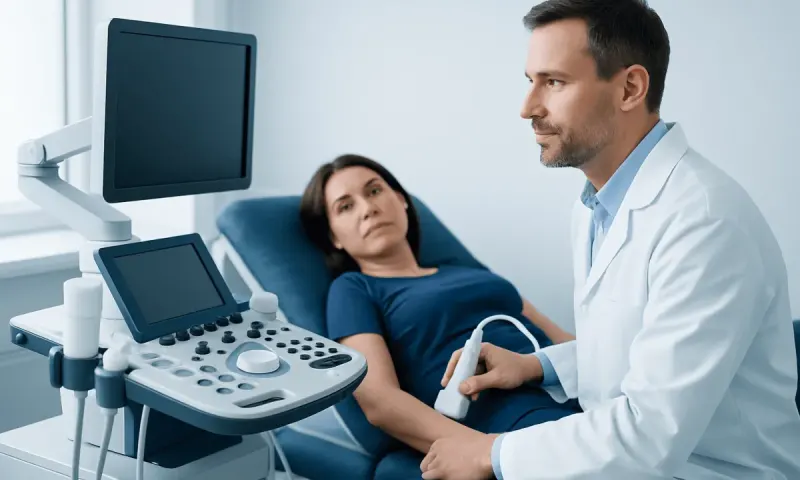
Depending on the findings, a clinician may perform an abdominal or pelvic examination, assess the prostate, or request blood tests. Ultrasound can help assess the kidneys, bladder, urine remaining after voiding, or pelvic organs. In selected cases, specialists may recommend cystoscopy, a procedure that uses a small camera to examine the inside of the bladder, or other imaging studies.
Keeping a short bladder diary before an appointment can be helpful. Recording fluid intake, urination times, approximate urine volumes if practical, urgency episodes, pain levels, foods or drinks, and bowel movements may reveal patterns and support a more focused discussion.
Treatment and Everyday Relief Measures
Treatment depends on the underlying cause. A confirmed bacterial UTI may be treated with antibiotics selected by a clinician. It is important not to use leftover antibiotics or assume that all urinary pressure is an infection, as inappropriate antibiotic use can cause side effects and contribute to antibiotic resistance.
For noninfectious bladder irritation or bladder pain syndrome, care may include identifying symptom triggers, bladder training, pelvic floor physical therapy when muscles are overly tense, pain-management strategies, and medicines prescribed by a specialist when appropriate. If constipation is contributing, improving fiber intake gradually, drinking adequate fluids, staying active, and discussing safe bowel treatments with a clinician may ease pressure.
While waiting for medical advice, people can generally drink water regularly rather than dramatically increasing or restricting fluids. They may also temporarily reduce beverages or foods that clearly worsen symptoms, such as caffeine or alcohol. A warm compress over the lower abdomen may provide comfort for mild cramping, but it should not delay care for severe or worsening symptoms.
Acıbadem Health Point’s multidisciplinary specialists and JCI-accredited hospitals assess urinary and pelvic symptoms for international patients, with care tailored to the individual diagnosis. Persistent symptoms are best managed through a clinician-led plan rather than relying only on home measures.
When to Seek Medical Care
Medical assessment is advisable for bladder pressure that lasts more than a day or two, keeps returning, interferes with daily life, or occurs with painful urination, urgency, frequency, or a change in the urine. Pregnant people, children, older adults, people with diabetes, and individuals with weakened immune systems should seek advice promptly when urinary symptoms develop.
Urgent medical care is needed for fever or chills with urinary symptoms, pain in the side or back near the ribs, nausea or vomiting, visible blood in the urine, severe lower abdominal pain, or an inability to pass urine. These symptoms can sometimes indicate a kidney infection, urinary blockage, or another condition requiring timely treatment.
People should also seek evaluation for unexplained weight loss, a new pelvic mass or swelling, persistent pain after treatment for a presumed UTI, or recurrent infections. Most causes of bladder pressure are manageable, and early assessment helps ensure that treatment is appropriate for the cause.
Frequently asked questions
01Can bladder pressure be caused by a urinary tract infection?
Yes. A urinary tract infection can cause pressure or discomfort in the bladder area, often together with burning while urinating, urgency, and frequent urination. A urine test is usually needed to confirm infection because similar symptoms can occur with noninfectious conditions.
02Why do I feel bladder pressure but cannot urinate much?
This can happen when bladder irritation creates a strong urge to urinate even when there is little urine present. It may occur with infection, bladder pain syndrome, pelvic floor muscle tension, or incomplete bladder emptying. Inability to pass urine at all requires urgent medical care.
03Can constipation cause pressure on the bladder?
Yes. A full bowel can press on the bladder and may contribute to urgency, frequent urination, or lower pelvic pressure. Addressing constipation can improve symptoms for some people, but ongoing bladder symptoms should still be assessed.
04Is bladder pressure normal during pregnancy?
Mild pressure and increased urination are common in pregnancy because the growing uterus places pressure on the bladder. However, burning, fever, worsening pelvic pain, blood in urine, or persistent urgency should be evaluated promptly, as urinary infections need particular attention during pregnancy.
05How can bladder pressure be relieved at home?
Regular hydration, avoiding clearly identified triggers such as caffeine or alcohol, and managing constipation may reduce mild symptoms. A warm compress can sometimes provide short-term comfort. Home care should not replace a medical assessment if symptoms persist, are painful, or are accompanied by fever or blood in the urine.
06Does bladder pressure always mean interstitial cystitis?
No. Bladder pain syndrome, also known as interstitial cystitis, is only one possible cause of bladder pressure. It is usually considered after infections, stones, gynecologic conditions, prostate concerns, and other causes have been evaluated.
This article is for general information only and is not a substitute for professional medical advice. Please consult a qualified doctor about your individual situation.
Persistent digestive symptoms? Get evaluated in Turkey
JCI-accredited · board-certified surgeons · reply within 24h
Add us as a Preferred Source to see more of our trusted health content across Google Search, AI Overviews and Discover.