A Prostate Exam May Include a Rectal Check and a PSA Test

Getting up twice a night to pee, or noticing the stream isn’t what it used to be? Those are the kinds of things that bring people in to have the prostate checked. And for most men, the worry beforehand is bigger than anything that actually happens in the room.
A prostate exam is a medical assessment used to check the prostate gland for enlargement, inflammation, or changes that may need further evaluation. It usually involves a discussion of symptoms and risk. Depending on your age, family history, and overall health, it may also include a digital rectal exam, a PSA blood test, or both.
Overview: what a prostate exam actually means
A prostate exam is a way for a clinician to assess the prostate gland for signs of enlargement, inflammation, tenderness, or other changes. In practice, the term does not always refer to one single procedure. It may mean a review of urinary or sexual symptoms, a digital rectal exam (DRE), a prostate-specific antigen (PSA) blood test, or a combination of these depending on the reason for the visit.
The prostate is a small gland located below the bladder and in front of the rectum. It surrounds part of the urethra, the tube that carries urine out of the body. Because of this location, prostate conditions can affect urination, ejaculation, and pelvic comfort. Common prostate-related concerns include benign enlargement, inflammation, and cancer.
Plenty of people dread this exam, usually because of myths or half-remembered stories. In reality it is quick and straightforward. The point is not to make you uncomfortable, but to gather information that shows whether you need reassurance, monitoring, more testing, or treatment.
Why a prostate exam may be recommended
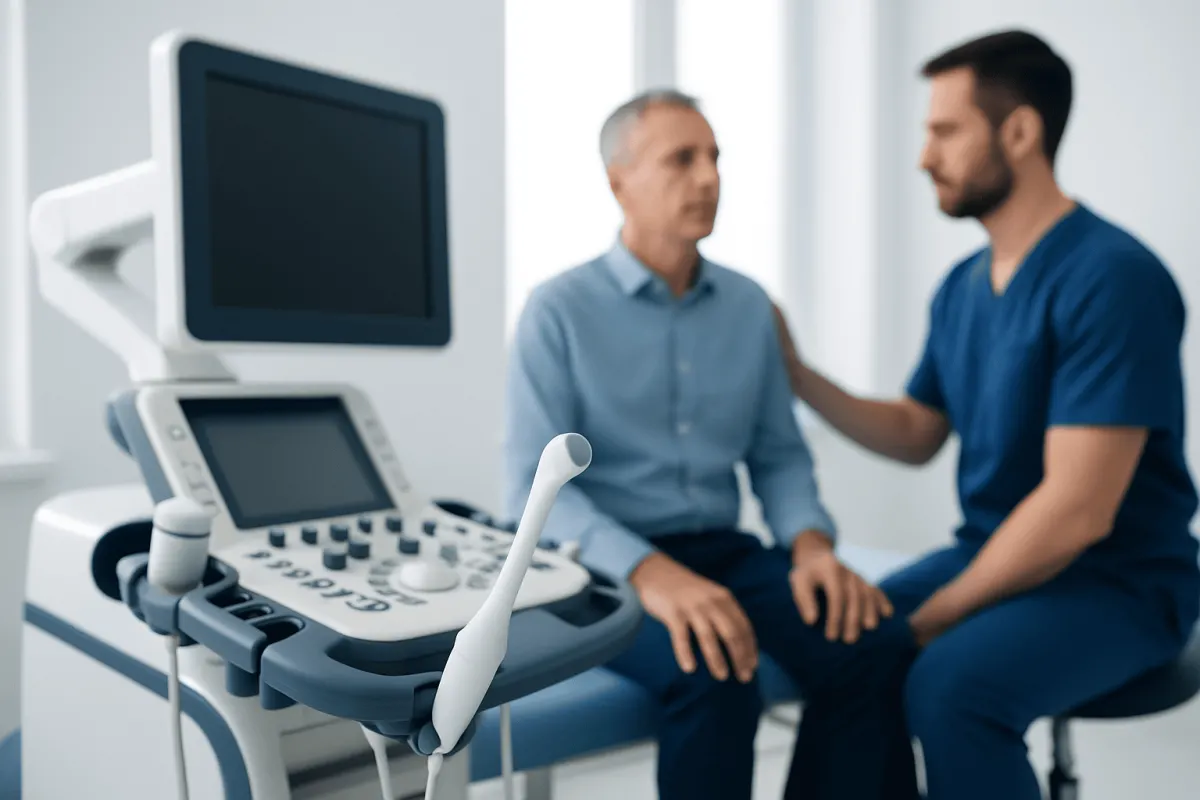
A doctor may recommend a prostate exam for two main reasons: to evaluate symptoms or to discuss screening. Symptoms that may prompt an exam include trouble starting urination, weak urine flow, frequent urination, waking at night to urinate, urgency, pelvic discomfort, blood in the urine or semen, or pain with ejaculation. These symptoms can have several causes, including benign prostatic hyperplasia and infection.
Screening is different from symptom evaluation. Screening means looking for signs of prostate cancer before symptoms appear. Whether screening is appropriate depends on factors such as age, family history, ancestry, overall health, and personal preferences. A doctor may explain the possible benefits and limits of screening before recommending a plan.
The exam may also be part of follow-up care if a person already has a known prostate condition, an elevated PSA result, or previous findings that need monitoring. In these situations, the goal is to track changes over time and decide whether additional tests are needed.
What happens during a prostate exam
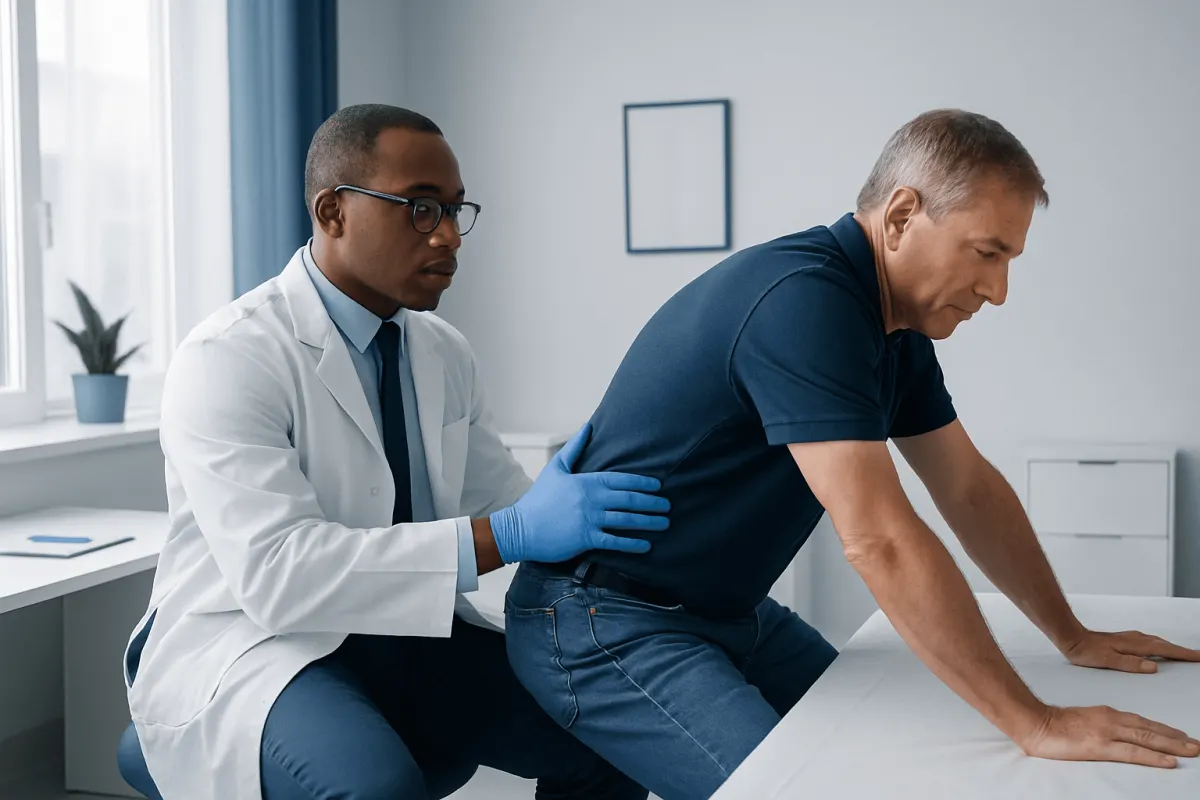
The appointment often begins with a conversation. The doctor may ask about urinary habits, pelvic pain, sexual symptoms, medications, family history, and whether there have been previous PSA results or prostate problems. This history is an important part of the evaluation because symptoms and risk factors help shape the next steps.
If a digital rectal exam is recommended, the clinician gently inserts a gloved, lubricated finger into the rectum to feel the back surface of the prostate. This allows assessment of the gland’s size, shape, and texture. The doctor is checking for enlargement, unusual firmness, asymmetry, or tenderness. The exam usually takes less than a minute.
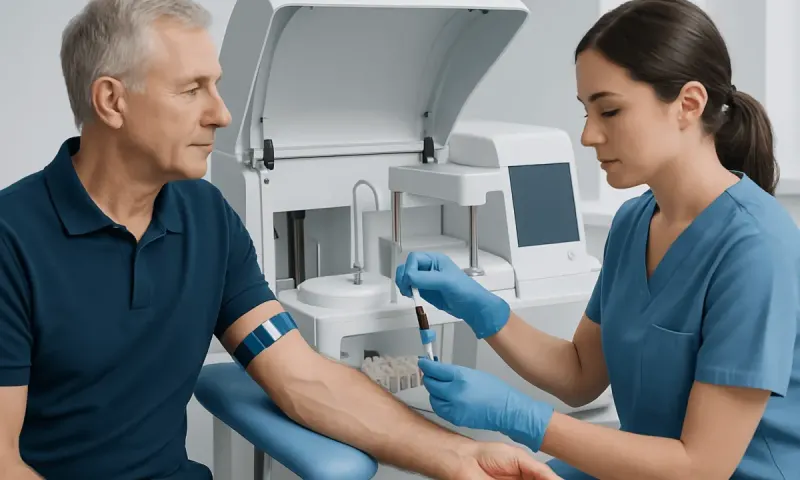
A PSA blood test may be offered on the same day or separately. PSA is a protein made by prostate tissue. Higher levels can occur with prostate cancer, but also with benign enlargement, inflammation, recent ejaculation, or some medical procedures. For this reason, a PSA result is interpreted in context rather than on its own.
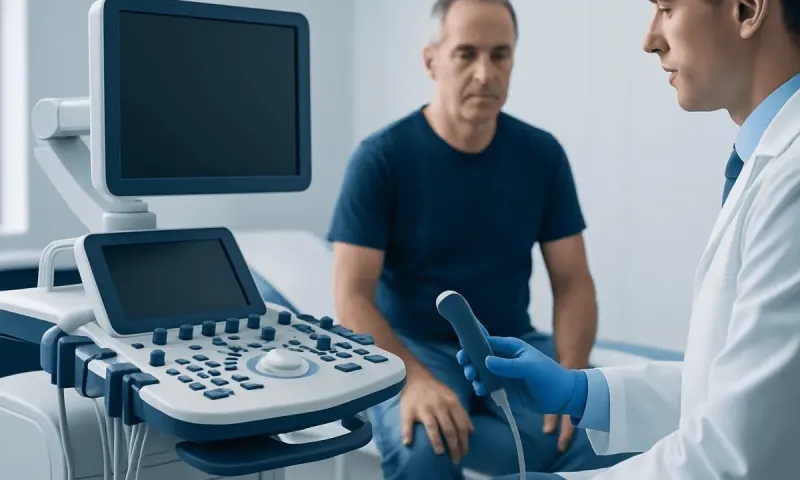
Some people also need additional evaluation such as urine tests, imaging, or referral to a urologist. If symptoms suggest a structural problem or if test results are unclear, the doctor may discuss further assessment through urology care or advanced imaging.
What the exam can and cannot detect
A prostate exam gives useful clues, but it does not answer everything. A digital rectal exam can help detect obvious enlargement, tenderness, or a suspicious hard area on the prostate. However, it cannot identify every prostate problem, and a normal DRE does not completely rule out disease.
The PSA test can also be helpful, especially when viewed over time. Still, PSA is not a definitive cancer test. Some people with elevated PSA do not have cancer, while some with prostate cancer may have PSA levels that are not dramatically raised. This is why many clinicians use PSA as one part of a larger evaluation rather than as a stand-alone answer.
If findings raise concern, the next step may be a repeat PSA test, a urine test, prostate imaging such as MRI, or in selected cases a biopsy. These steps are considered carefully to reduce unnecessary procedures while still identifying significant disease that needs treatment.
Prostate exams are also useful for diagnosing non-cancerous conditions. For example, an enlarged gland may point toward urinary symptoms caused by benign overgrowth, and tenderness may suggest inflammation or infection such as prostatitis.
Understanding results and possible next steps
After the exam, the doctor may say that the prostate feels normal, enlarged, tender, or irregular. A normal exam is reassuring, but it does not always end the evaluation if symptoms are significant or PSA is abnormal. Likewise, an enlarged prostate is often due to a benign condition rather than cancer.
If the PSA level is higher than expected, the doctor may consider age, previous PSA values, medications, recent activity, and symptoms before deciding what to do next. Sometimes the best approach is to repeat the test after a period of time. In other cases, further imaging or referral is more appropriate.
When there is enough concern about possible cancer, the clinician may recommend specialized assessment, which can include prostate cancer treatment planning after diagnostic confirmation. Not everyone with an abnormal exam or PSA needs immediate invasive testing, and many decisions are made through shared discussion between the patient and doctor.
Doctors take it step by step for a reason: the goal is to catch disease that truly matters without putting you through worry or treatment you do not need. Talking openly about what is certain, what is not, and what your options are is part of good prostate care.
Preparation, comfort, and common myths
Many concerns about prostate exams come from myths rather than medical facts. A prostate exam is not a test of masculinity, sexual orientation, or strength. It is a routine clinical assessment used to understand symptoms or discuss cancer screening. Feeling embarrassed is common, but clinicians perform this exam professionally and respectfully.
A digital rectal exam feels odd, and it can be briefly uncomfortable, but it should not be intensely painful. If there is pain, the patient should tell the clinician. Relaxed breathing and following instructions can make the exam easier. For many people, the anticipation is worse than the exam itself.
Preparation is usually simple. The patient may be asked about medicines, especially blood thinners, and whether there has been a recent urinary infection, fever, or prostate procedure. For PSA testing, doctors sometimes advise avoiding certain activities before the blood draw if they might affect the result, but instructions vary based on the situation.
Another common myth is that a prostate exam alone can diagnose cancer. In reality, it can only raise or lower suspicion. Diagnosis usually requires additional evaluation, and many abnormal findings turn out to be non-cancerous.
Who should discuss screening and prevention
There is no single screening rule that fits everyone. In general, people with a prostate should talk with a doctor about screening at an age that reflects their personal risk. Those with a strong family history of prostate cancer or certain inherited risks may need this conversation earlier than others. The choice to screen should include discussion of potential benefits, false-positive results, overdiagnosis, and follow-up testing.
Although no lifestyle step can fully prevent prostate disease, general health habits support urinary and prostate health. These include regular physical activity, maintaining a healthy weight, avoiding smoking, limiting excessive alcohol, and seeking timely care for urinary symptoms or infections. Good management of long-term conditions such as diabetes can also support overall urologic health.
For people with ongoing urinary symptoms, self-care does not replace medical evaluation. A clinician can determine whether symptoms are more consistent with enlargement, infection, irritation, medication effects, or another condition. If needed, patients may be referred for tests or tailored management through specialist urology evaluation.
Some patients prefer to be assessed where several specialties work side by side. When prostate symptoms or findings need a closer look, Acıbadem Health Point offers diagnosis and treatment for international patients through multidisciplinary specialists and JCI-accredited hospitals.
When to seek medical care
A person should seek medical care if they develop persistent urinary symptoms, blood in the urine or semen, pelvic pain, painful urination, fever with urinary symptoms, or new difficulty emptying the bladder. These symptoms do not always mean a serious condition, but they do deserve professional assessment.
Prompt medical attention is especially important for severe pain, inability to urinate, fever with chills, or sudden worsening of urinary obstruction. These symptoms can suggest acute infection or urinary retention, which may require urgent treatment.
Even without symptoms, it is reasonable to schedule a routine discussion if there are questions about prostate cancer screening, a strong family history of prostate cancer, or anxiety about changing urinary habits. A qualified doctor can explain whether a prostate exam, PSA test, or watchful monitoring is the most appropriate next step.
Frequently asked questions
01Is a prostate exam the same as a PSA test?
No. A prostate exam may include a digital rectal exam, a PSA blood test, or both. The two tests provide different kinds of information and are often interpreted together with symptoms and medical history.
02How long does a prostate exam take?
The digital rectal portion usually takes less than a minute. The overall appointment may take longer because the doctor will also ask about symptoms, family history, and whether further testing is needed.
03Does a prostate exam hurt?
Most people describe it as uncomfortable or awkward rather than painful. If the prostate is inflamed or there is another issue causing tenderness, the exam may be more uncomfortable, and the patient should tell the clinician.
04Can a normal prostate exam rule out prostate cancer?
No. A normal exam is reassuring, but it cannot detect every cancer. If there are other concerns, such as symptoms or an abnormal PSA level, the doctor may still recommend further evaluation.
05At what age should someone start discussing prostate screening?
There is no one age that applies to everyone. The best time depends on personal risk factors such as family history, ancestry, and overall health, so screening decisions are usually made in discussion with a doctor.
06What can cause an elevated PSA besides cancer?
PSA can rise because of benign prostate enlargement, inflammation, infection, recent ejaculation, or certain procedures involving the prostate or urinary tract. That is why an elevated PSA does not automatically mean cancer.
This article is for general information only and is not a substitute for professional medical advice. Please consult a qualified doctor about your individual situation.
Oncology care in Turkey — second opinion and treatment plan
JCI-accredited · board-certified surgeons · reply within 24h
Add us as a Preferred Source to see more of our trusted health content across Google Search, AI Overviews and Discover.