Biopsy Price: Costs, Coverage, and Key Variables
Biopsy price is not one fixed amount: the final bill can depend on the body area tested, the technique used, laboratory analysis, imaging guidance, anesthesia and insurance benefits. Asking for an itemized estimate in advance helps patients understand expected out-of-pocket costs and plan for care.
Biopsy Price: What Determines the Final Cost?
A biopsy price varies because a biopsy is not a single, standard procedure. It involves taking cells or tissue from an area of concern so a pathologist can examine it under a microscope or perform other laboratory tests. The type of biopsy, the body site, the setting where it is performed and the tests requested all influence the final cost.
Patients may receive more than one bill. Charges can include the clinician’s professional fee, a hospital or outpatient facility fee, imaging guidance, local or general anesthesia, pathology interpretation and specialized laboratory testing. Rather than relying on a general online price, patients should ask the care provider and insurer for a personalized, itemized estimate.
Clinicians recommend biopsies when symptoms, examination findings, imaging or screening tests identify an abnormality that needs clarification. A biopsy can help diagnose cancer, infection, inflammation, autoimmune disease and some noncancerous conditions. It does not automatically mean that cancer is suspected or confirmed.
How a Biopsy Works and Who May Need One
A biopsy works by collecting a representative sample from the area being assessed. The sample may consist of a few cells, a small core of tissue, a piece of skin, fluid or, less commonly, a larger surgical specimen. A pathology specialist evaluates the material and provides a report to the clinician who ordered the test.
Biopsies are considered when a result is likely to change diagnosis, monitoring or treatment. For example, a clinician may investigate a suspicious skin lesion, breast lump, enlarged lymph node, lung nodule, digestive tract abnormality, persistent inflammation or an unusual laboratory finding. The most appropriate approach depends on the location, size and accessibility of the area.
Not everyone needs a biopsy immediately. In some situations, repeat imaging, observation, blood tests or a less invasive test may be appropriate. The care team weighs the expected benefit of a clear tissue diagnosis against possible procedure risks, the person’s overall health and whether the result will guide a decision.
What Happens During a Biopsy?

Before the procedure, the clinician reviews medical history, current medicines, allergies and bleeding risk. Patients should specifically mention blood-thinning medicines, diabetes medicines, supplements and any prior reactions to anesthesia. They should not stop prescribed medication unless the clinician who manages it advises them to do so.
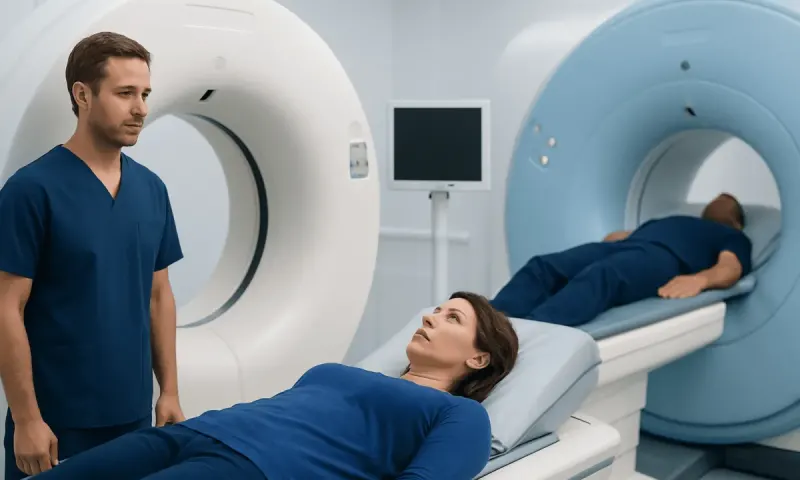
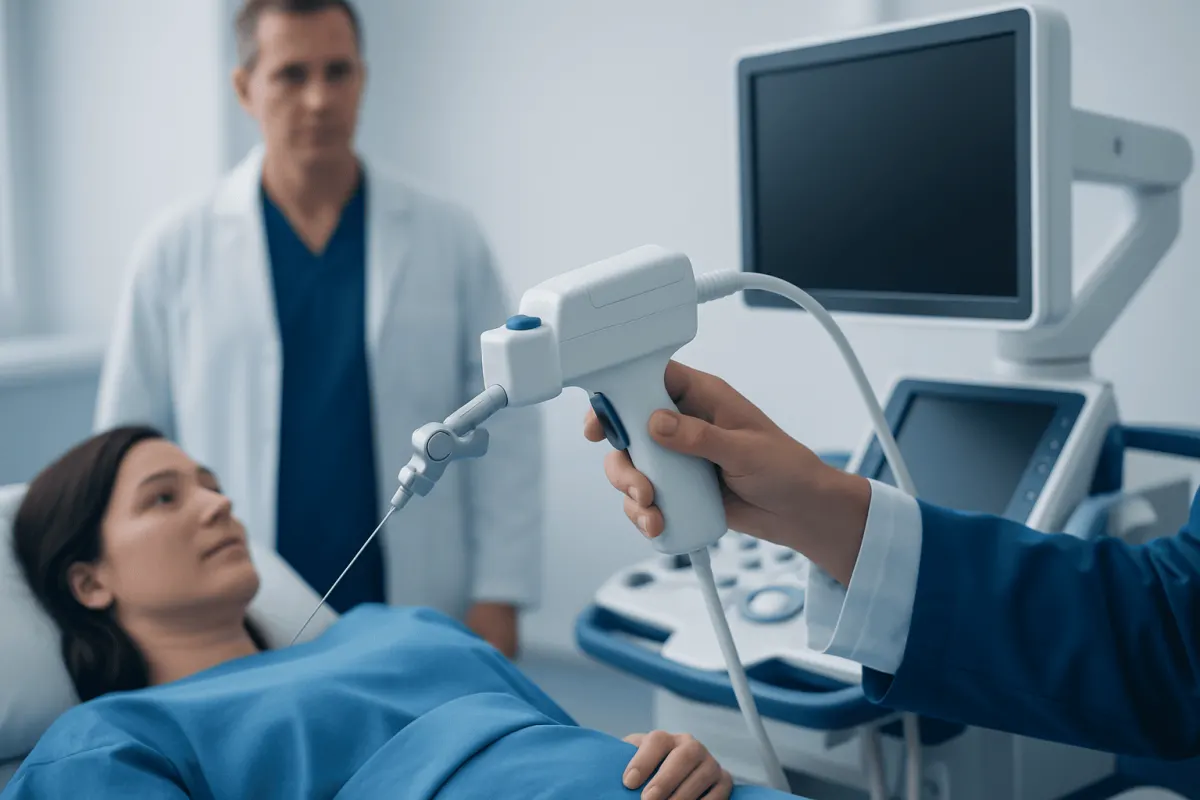
Many biopsies are completed with local anesthetic, which numbs the area while the person remains awake. Depending on the body site, the clinician may use a fine needle, core needle, small punch instrument, endoscope or surgical incision. Ultrasound, CT, MRI or other imaging may guide a needle to a deeper target accurately.
The sample is placed in a laboratory container and sent for pathology. Some procedures take only a short time, while others require preparation, sedation, imaging or observation afterward. If sedation or general anesthesia is used, patients usually need someone to take them home and may need to avoid driving or important decisions until the effects have worn off.
- Ask what type of biopsy is planned and why it is the best option.
- Confirm whether imaging guidance, sedation, pathology and facility charges may be billed separately.
- Ask how and when results will be communicated, including who to contact if they are delayed.
How Much Does a Biopsy Usually Cost With Insurance?
With insurance, the amount a patient pays for a biopsy depends on the individual policy rather than on the biopsy alone. If the procedure is medically necessary and provided according to plan rules, insurance may pay a portion of covered services after any deductible is met. The patient may still owe a copayment, coinsurance, deductible amount or charges for services that are not covered.
Network status is particularly important. A biopsy performed by an in-network clinician can still involve a separate pathology laboratory, radiology group, anesthesiology provider or facility. Patients can ask whether each expected provider and laboratory is in network and whether prior authorization or a referral is required.
For the clearest estimate, patients can contact their insurer with the planned procedure details and the provider’s billing codes, when available. They may ask what is covered, whether preauthorization is needed, how much of the deductible remains and what their estimated responsibility could be. An estimate is helpful for planning but can change if additional tests or care become necessary.
How Much Should a Biopsy Cost?
There is no single amount that a biopsy “should” cost because the procedures range from a simple skin sample in a clinic to a complex, image-guided biopsy in a hospital setting. The technical method, organ involved, need for sedation, use of imaging and the number of pathology tests can all substantially affect the total charge.
A fair comparison looks at the complete episode of care, not only the procedure fee. Patients should request an itemized written estimate that separates clinician, facility, imaging, anesthesia and pathology services. They can also ask whether specialized testing might be recommended after the initial pathology review, since this may add to the overall bill.
For people paying directly, it is reasonable to ask about self-pay estimates, payment policies and whether a lower-cost appropriate outpatient setting is available. Cost should not be the only consideration: the selected facility and clinical team should have the expertise and equipment needed for the planned biopsy and any follow-up care.
How Much Does Medicare Pay for a Biopsy?
Medicare may cover a biopsy when it is medically necessary to evaluate a symptom, abnormal finding or suspected condition. The precise payment and the patient’s share are not fixed; they depend on the type of biopsy, where it is done, whether providers accept Medicare assignment and whether the person has Original Medicare, a Medicare Advantage plan or supplemental coverage.
Under Original Medicare, outpatient clinician services and facility-based services may be covered under different parts of Medicare. Deductibles and coinsurance may apply. A Medicare Advantage plan must provide Medicare-covered services but can have its own network, referral and prior-authorization requirements, so members should check plan-specific rules before the procedure.
Patients can request an estimate from the ordering clinician or facility and contact Medicare or their plan for coverage information. They should also ask whether the pathology laboratory and any imaging or anesthesia services are expected to bill separately. Coverage information does not replace a medical discussion about whether the biopsy is needed.
Recovery, Benefits and Possible Risks
Recovery depends on the biopsy type and location. After a simple skin or needle biopsy, mild soreness, bruising, minor bleeding or swelling may last for a few days. The care team provides instructions about wound care, bathing, activity, pain relief and when any bandage or stitches should be removed. Following these instructions supports uncomplicated healing.
The main benefit of a biopsy is diagnostic clarity. Tissue findings can distinguish between different conditions, identify whether abnormal cells are present and help clinicians select the most suitable next steps. In many cases, a benign or noncancerous result can also provide reassurance and prevent unnecessary treatment.
Possible risks include bleeding, infection, pain, bruising, scarring and, depending on the organ or technique, injury to nearby structures. Serious complications are uncommon but vary by procedure. Patients should promptly contact their healthcare team for worsening pain, fever, spreading redness, persistent bleeding, drainage, shortness of breath or other symptoms specified in their discharge instructions.
Is a Biopsy 100% Accurate?
No biopsy is 100% accurate, although biopsy results are often highly informative. Accuracy can be affected by whether the sample includes the abnormal area, the size and quality of the sample, changes within different parts of a lesion and the laboratory methods used. Results are interpreted alongside symptoms, examination findings and imaging.
Sometimes a report is inconclusive, does not match imaging findings or shows changes that require more testing. In these circumstances, the clinical team may recommend a repeat biopsy, a different biopsy technique, additional pathology tests, follow-up imaging or review by another pathology specialist. This is a careful approach to reaching the most reliable diagnosis possible.
Patients should ask what their result means, whether it matches the original concern and what follow-up is recommended. At Acıbadem Health Point, multidisciplinary specialists and JCI-accredited hospitals support international patients with diagnostic assessment and treatment planning when a biopsy is indicated.
When to Seek Medical Care
People should arrange medical assessment for a new or changing lump, persistent unexplained bleeding, a skin lesion that changes in size or appearance, ongoing difficulty swallowing, unexplained weight loss, a persistent cough, or any other symptom their clinician has advised should be reviewed. These symptoms have many possible causes, and early evaluation helps determine whether tests such as imaging or biopsy are appropriate.
After a biopsy, urgent medical advice is appropriate for severe or persistent bleeding, fever, increasing redness or swelling around the site, pus-like drainage, rapidly worsening pain, fainting, trouble breathing or chest pain. For a life-threatening emergency, patients should contact local emergency services.
Patients should not delay follow-up if they have not received expected biopsy results. Contacting the ordering clinician allows the team to confirm that the pathology report was received, explain the findings and discuss the next appropriate step.
Frequently asked questions
01Why can one biopsy lead to several bills?
A biopsy can involve multiple services that are billed separately, such as the procedure itself, facility use, imaging guidance, anesthesia and pathology analysis. The number of bills depends on where the biopsy is performed and which specialists or laboratories are involved. Asking for an itemized estimate beforehand can make these components clearer.
02Does insurance need prior authorization for a biopsy?
Some health plans require prior authorization, a referral or use of a specific facility for certain biopsy procedures. Requirements vary by plan, biopsy type and location of care. The ordering clinician’s office and the insurance company can help confirm the requirements before scheduling.
03How long do biopsy results take?
Timing varies according to the sample type, laboratory workload and whether specialized testing is needed. Some routine results may be available within several days, while more complex evaluations can take longer. The ordering clinician should explain when to expect the result and how it will be shared.
04Can a biopsy make cancer spread?
For standard diagnostic biopsies, the risk of spreading cancer through the biopsy pathway is considered very low. Clinicians use established techniques designed to obtain needed tissue safely. The potential diagnostic benefit generally outweighs this uncommon concern when a biopsy is recommended.
05Can a person ask for a second opinion on biopsy results?
Yes. A person may ask for the pathology slides or tissue samples to be reviewed by another qualified pathologist, particularly when results are unusual, unclear or likely to affect major treatment decisions. The treating clinician can explain how this process works and whether additional testing may be useful.
06What should a patient ask before scheduling a biopsy?
Useful questions include why the biopsy is recommended, which technique will be used, how to prepare, what recovery to expect and when results will be ready. It is also appropriate to ask for an itemized cost estimate, insurance authorization details and confirmation of network status for the facility, pathology laboratory and other expected providers.
This article is for general information only and is not a substitute for professional medical advice. Please consult a qualified doctor about your individual situation.
Oncology care in Turkey — second opinion and treatment plan
JCI-accredited · board-certified surgeons · reply within 24h
Add us as a Preferred Source to see more of our trusted health content across Google Search, AI Overviews and Discover.