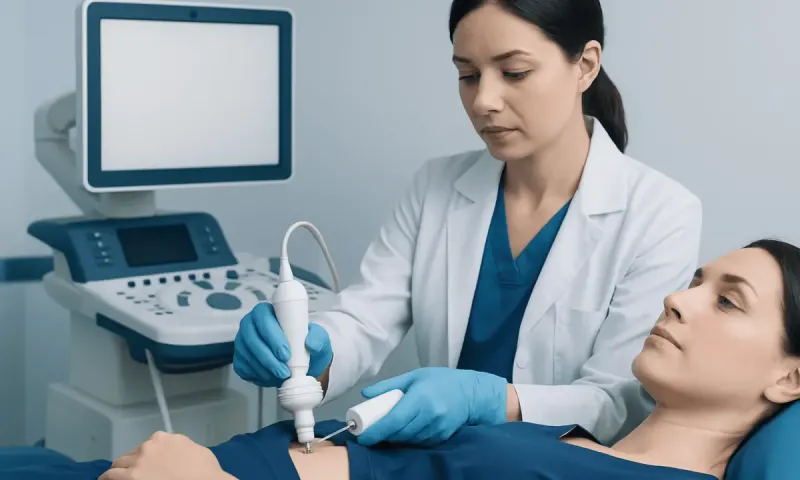
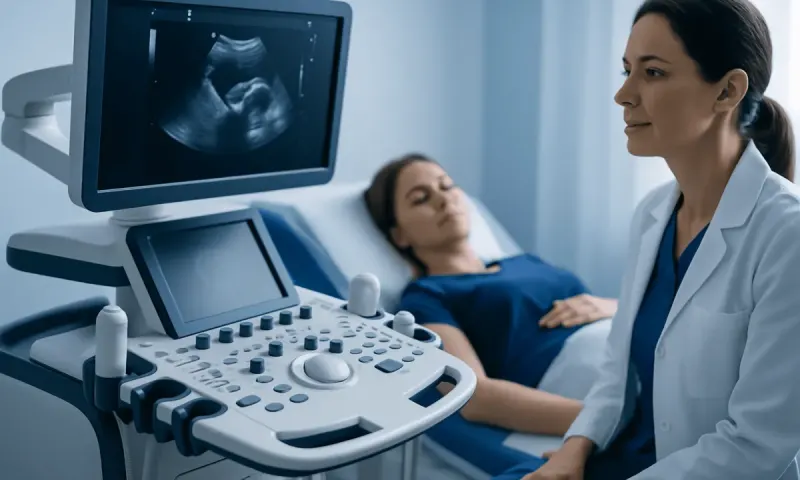
A Biopsy Samples Tissue to Explain an Abnormal Finding

Waiting to find out what a lump or an unusual scan result actually means can be one of the most unsettling parts of medicine. A biopsy is often how you get that answer. Your doctor removes a small sample of cells or tissue so it can be examined under a microscope — to clarify an abnormal finding, confirm or rule out disease, and help choose the most appropriate treatment.
What a biopsy is and why it is done
A biopsy is a procedure in which a doctor removes a small sample of tissue, cells, or fluid from the body for laboratory examination. In most cases, the goal is to understand what an abnormal lump, skin change, image finding, or lab result means. A pathologist studies the sample under a microscope and may use additional tests to look for inflammation, infection, benign growths, or cancer.
Biopsies are often recommended when imaging tests such as ultrasound, mammography, CT, or MRI show an area that needs closer evaluation. They may also be used after a physical examination finds a suspicious lump, swollen lymph node, mole, or sore that does not heal. In some situations, a biopsy helps assess the extent of a known disease or shows how well treatment is working.
Many people hear the word biopsy and immediately think of cancer, but that is only part of the picture. A biopsy can also help diagnose infections, autoimmune diseases, liver disease, kidney disease, skin conditions, bowel disorders, and other illnesses. Think of it less as a diagnosis in itself and more as the tool that lets your doctor make one accurately.
Common types of biopsy
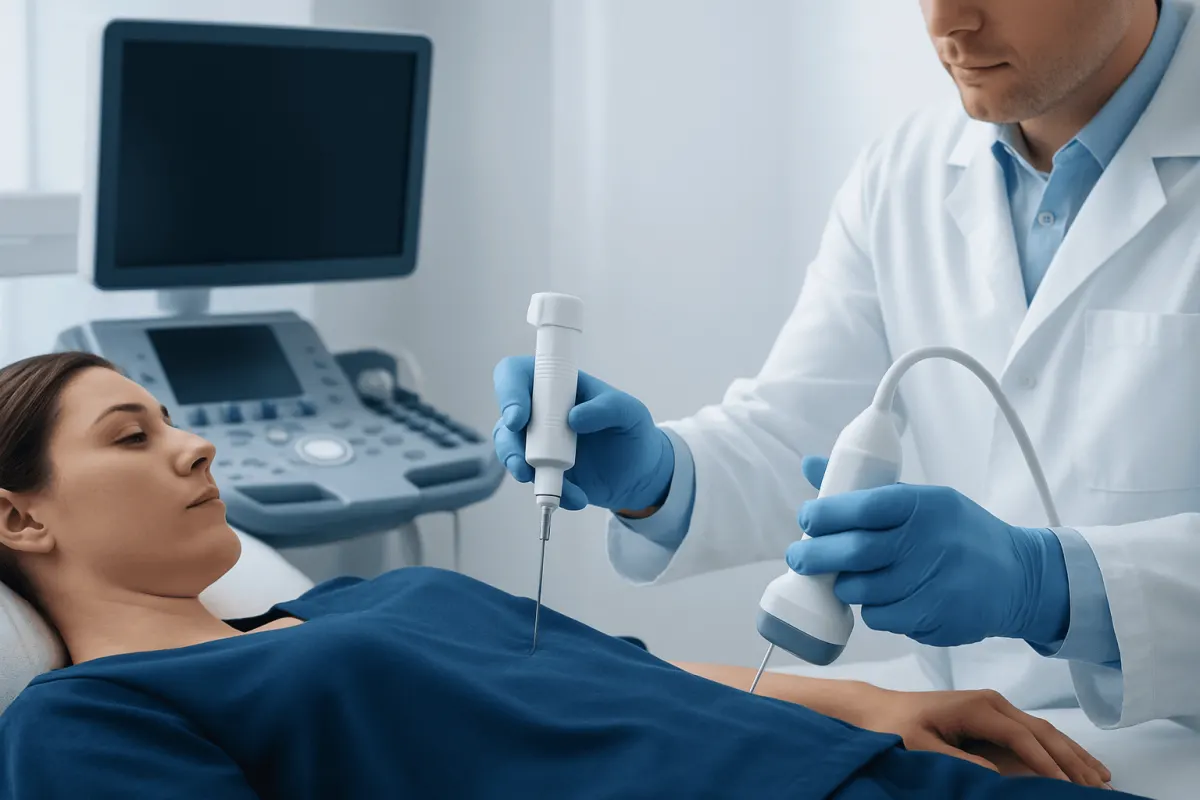
There are several types of biopsy, and the most suitable one depends on the part of the body being examined. A needle biopsy uses a thin or hollow needle to remove cells or a small core of tissue. It is commonly used for the breast, thyroid, lymph nodes, liver, prostate, or other deeper structures, often with ultrasound or CT guidance to improve accuracy.
A skin biopsy removes a small piece of skin or an entire visible lesion. An endoscopic biopsy uses a flexible camera tube passed into the digestive tract, bladder, lungs, or other hollow organs to collect tissue from inside the body. Surgical biopsy may be used when a larger sample is needed or when the abnormal area is difficult to reach with a needle. This can be incisional, meaning part of the area is removed, or excisional, meaning the whole lump or lesion is removed.
Some biopsies are linked to specific organs or conditions. For example, a doctor may recommend a biopsy after tests raise concern about breast cancer or a suspicious thyroid nodule. Depending on the situation, related procedures may include breast biopsy or thyroid biopsy to obtain tissue safely and precisely.
- Fine-needle aspiration: removes cells or fluid
- Core needle biopsy: removes a small cylinder of tissue
- Skin biopsy: removes a skin sample
- Endoscopic biopsy: collects tissue from inside an organ
- Surgical biopsy: removes part or all of an abnormal area
- Bone marrow biopsy: samples marrow, usually from the hip bone
How doctors decide if a biopsy is needed
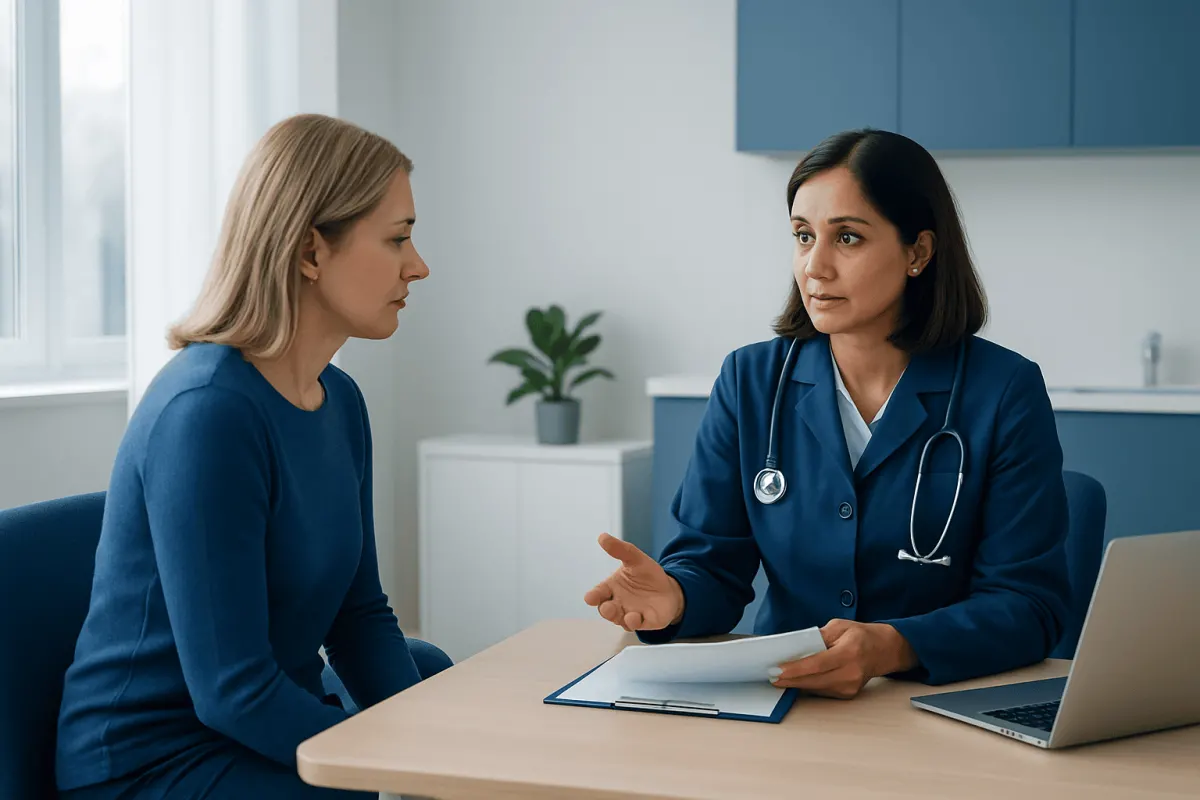
Not every abnormal finding needs a biopsy. The decision usually depends on your symptoms, age, family history, physical examination findings, blood tests, and imaging results. Sometimes the chance of a harmless cause is high enough that watching the area over time makes more sense than sampling tissue right away.
When a biopsy is advised, it is usually because the sample is likely to give important information that cannot be obtained reliably in another way. For example, scans can show size, shape, and location, but they often cannot confirm whether tissue is benign, inflamed, infected, or malignant. A biopsy can provide that detail and help avoid both under-treatment and unnecessary treatment.
The doctor also considers safety and practicality. The biopsy method is chosen to balance the need for a clear diagnosis with the least invasive approach possible. If the area is close to important structures or difficult to access, image guidance, sedation, or a surgical approach may be recommended. For some patients, underlying conditions such as bleeding disorders or use of blood thinners may affect timing or technique.
What to expect before, during, and after the procedure
Preparation depends on the type of biopsy. Before the procedure, the healthcare team usually reviews medical history, allergies, regular medications, and any bleeding risk. Some people may need to stop certain medicines temporarily, especially blood-thinning medication, but this should only be done under medical guidance. Instructions may also include whether to eat or drink beforehand and whether someone should accompany the patient home.
During the biopsy, the area is cleaned and numbed if local anesthesia is being used. Some biopsies are completed in a clinic within a short time, while others take place in an endoscopy suite, radiology department, or operating room. Patients often feel pressure, brief stinging from the anesthetic, or mild discomfort, but severe pain is uncommon. Imaging guidance may be used to direct the needle or instrument accurately.
After the biopsy, a small dressing may be placed over the site. Mild soreness, bruising, or a small amount of bleeding can happen for a short time. Most people can return to normal activities fairly soon, although heavy lifting, strenuous exercise, or bathing restrictions may apply for a day or two depending on the procedure. Clear aftercare instructions are important, including how to monitor the site and when to seek help.
In more complex cases, biopsy may be part of a wider diagnostic pathway involving specialists in imaging, surgery, pathology, and oncology. At centers such as Acıbadem Health Point, multidisciplinary specialists and JCI-accredited hospitals diagnose and treat patients who need biopsy as part of their evaluation, including for concerns related to lung cancer or other conditions.
Biopsy risks, side effects, and safety
Biopsy is generally considered safe, especially when it is planned carefully and performed by experienced clinicians. The most common side effects are temporary pain, bruising, swelling, and minor bleeding at the biopsy site. These usually improve within a few days and can often be managed with rest and the care instructions provided.
Less commonly, a biopsy can lead to infection, more significant bleeding, damage to nearby structures, or a reaction to anesthesia or sedation. The exact risk depends on the location of the biopsy and the patient’s overall health. For example, a lung biopsy may carry a risk of air leaking around the lung, while a liver or kidney biopsy may need closer monitoring for bleeding.
Doctors reduce these risks by reviewing medications, checking blood clotting when needed, using sterile technique, and selecting imaging guidance or the least invasive route when appropriate. Patients should report fever, increasing redness, worsening pain, persistent bleeding, shortness of breath, chest pain, or any symptom that seems unusual after the procedure. Prompt communication with the care team helps address complications early if they arise.
Understanding biopsy results
Biopsy results are usually prepared by a pathologist, a doctor who specializes in diagnosing disease by examining tissue. Results may take a few days or longer depending on the type of sample and whether special stains, molecular tests, or second opinions are needed. The wait can be stressful, but in many cases that extra time is what makes the interpretation as accurate as possible.
The report may describe the tissue as normal, benign, inflamed, infected, precancerous, or malignant. If cancer is present, the report may include the cancer type, grade, receptor status, margins, or other features that help guide treatment. Not every result gives a final answer immediately; sometimes the sample is insufficient, unclear, or needs additional testing.
A biopsy result should always be discussed in the context of symptoms, physical examination, and imaging. A benign biopsy can be reassuring, but follow-up may still be advised if the finding and the biopsy result do not fully match. If cancer is diagnosed, the next steps may involve staging tests and treatment planning, which can include procedures such as bronchoscopy or other targeted evaluations depending on the organ involved.
Aftercare, self-care, and when to seek medical care
Most biopsy sites heal without difficulty. Good aftercare usually includes keeping the area clean and dry as instructed, avoiding rubbing or heavy strain, and taking medications only as recommended by the healthcare team. If discomfort is present, patients should follow the advice given for pain relief rather than self-medicating with products that might increase bleeding risk.
Honestly, waiting for results is often the hardest part. It helps to ask in advance when the results are expected, who will explain them, and what the possible next steps could be. Write your questions down, and if you can, bring a family member or friend to follow-up appointments — it makes the conversation easier to take in.
Medical care should be sought promptly if there is heavy bleeding, fever, pus, a rapidly enlarging bruise, severe pain, fainting, chest pain, trouble breathing, or new weakness after a biopsy. Patients should also contact their doctor if the dressing becomes soaked, the wound opens, or the biopsy site looks increasingly red or swollen instead of gradually improving. If a biopsy was done because of a suspicious growth, ongoing monitoring may still be important even when the initial result is not serious.
Depending on the body area and findings, further evaluation may involve related specialist procedures. For digestive symptoms or abnormal imaging, a doctor may recommend colonoscopy to inspect the bowel and obtain tissue when needed. The best plan depends on the individual patient and should be made with a qualified doctor.
Frequently asked questions
01Is a biopsy the same as surgery?
Not always. Many biopsies are minimally invasive procedures done with a needle, endoscope, or small skin instrument rather than a full operation. Some biopsies are surgical, especially when a larger sample or complete removal of a lesion is needed.
02Does a biopsy mean cancer is likely?
No. A biopsy is used to clarify an abnormal finding, and many biopsy results are benign or show inflammation, infection, or other non-cancerous conditions. It is a diagnostic tool that helps doctors know what is present rather than assume the worst.
03How painful is a biopsy?
Most people feel brief stinging from the anesthetic and pressure or mild discomfort during the procedure. Some soreness or bruising afterward is common, but severe pain is not typical. The care team can explain what level of discomfort to expect for the specific biopsy type.
04How long do biopsy results take?
Timing varies depending on the tissue type and whether extra tests are needed. Some results are available within a few days, while others take longer if special staining, molecular analysis, or expert review is required. Patients can ask when to expect the report and how it will be communicated.
05Can a biopsy spread cancer?
This is a common concern, but biopsy is a standard and important part of cancer diagnosis, and clinically significant spreading from a biopsy is considered very uncommon. Doctors choose techniques designed to obtain tissue safely while minimizing risks. In most cases, the benefit of an accurate diagnosis clearly outweighs this concern.
06What happens if the biopsy is inconclusive?
An inconclusive result means the sample did not provide a clear answer. The doctor may recommend repeat biopsy, a different biopsy method, additional imaging, or follow-up over time. The next step depends on how suspicious the finding is and whether symptoms are changing.
This article is for general information only and is not a substitute for professional medical advice. Please consult a qualified doctor about your individual situation.
Persistent digestive symptoms? Get evaluated in Turkey
JCI-accredited · board-certified surgeons · reply within 24h
Add us as a Preferred Source to see more of our trusted health content across Google Search, AI Overviews and Discover.