How Long Do Biopsy Results Take?
Biopsy results often take several days to one week, although specialised testing can extend the timeline to two weeks or longer. The wait depends on where the sample was taken, the type of biopsy, and whether the laboratory needs additional tests to reach an accurate diagnosis.
How long do biopsy results take?
Biopsy results commonly take several days to one week. Some results may be ready sooner, while samples that need special stains, genetic or molecular testing, expert review, or further processing can take two weeks or longer. The clinician who requested the biopsy can explain the expected timeframe for the specific test.
A biopsy is a procedure that removes a small sample of cells, tissue, or sometimes fluid for laboratory examination. It may be performed to investigate a lump, skin change, unusual imaging result, persistent symptom, or abnormal screening test. Although cancer is one possible reason for a biopsy, many biopsies identify non-cancerous conditions such as inflammation, infection, benign growths, or harmless tissue changes.
Waiting for results can feel difficult. A longer turnaround does not by itself mean that the result is serious. Often, it simply means the pathologist is completing additional checks needed to provide the most reliable report.
How a biopsy works and who may need one
During a biopsy, a clinician collects a sample from an area that needs closer assessment. The sample is sent to a pathology laboratory, where a pathologist prepares thin sections and examines the cells and tissue under a microscope. The report may describe whether tissue is normal, inflamed, infected, benign, precancerous, or cancerous.
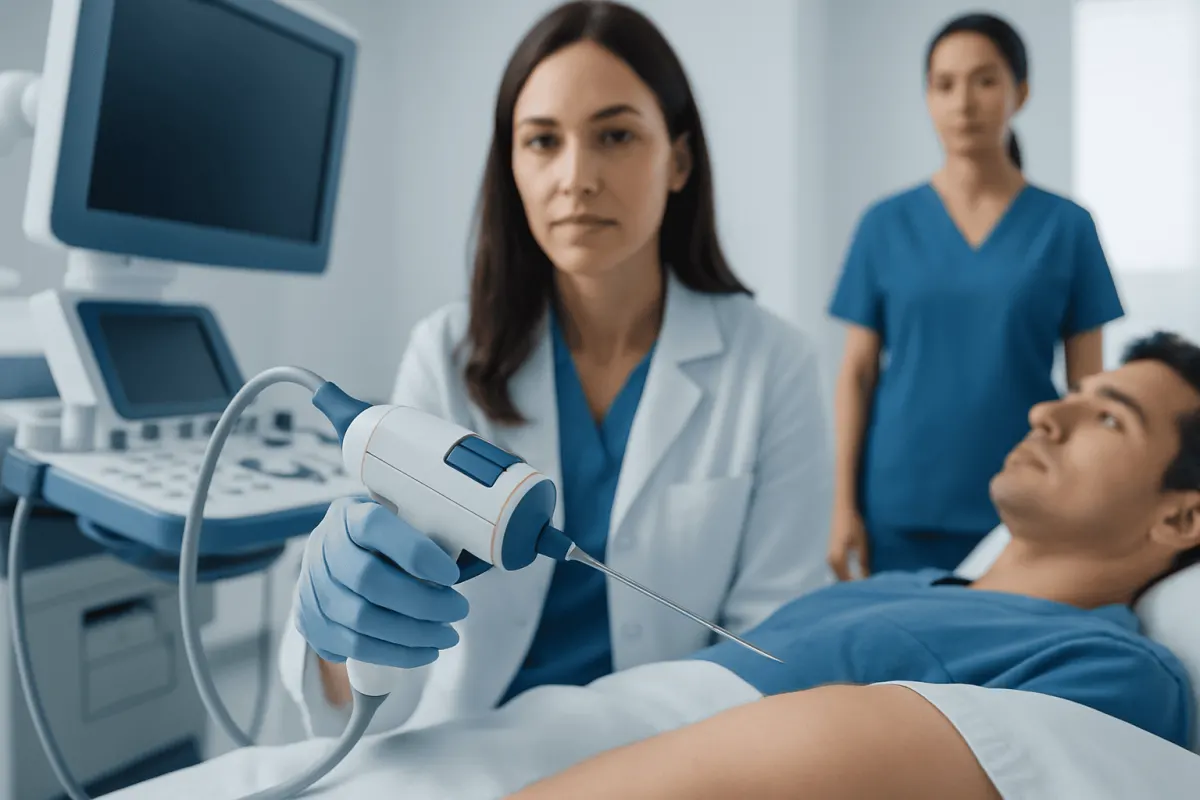
The method is chosen according to the body area and the information needed. Common approaches include a needle biopsy guided by ultrasound, CT, or MRI; a skin shave, punch, or excision biopsy; an endoscopic biopsy from the digestive or respiratory tract; and a surgical biopsy. A person may be considered for biopsy when examination, imaging, laboratory testing, or screening identifies an abnormality that cannot be diagnosed confidently in another way.
Before the procedure, the healthcare team reviews medical history, medicines, allergies, and bleeding risk. People should tell their clinician about blood-thinning medication, diabetes medicines, pregnancy, implanted devices, or previous problems with anaesthesia. They should only stop or change medicines when the prescribing clinician advises them to do so.
What happens during the biopsy procedure?
Preparation depends on the biopsy type. Some simple skin or needle biopsies are performed with local anaesthetic, meaning the person is awake but the area is numbed. Endoscopic, deeper needle, or surgical biopsies may involve sedation, regional anaesthesia, or general anaesthesia. Fasting instructions may be necessary when sedation or anaesthesia is planned.
For an image-guided needle biopsy, the clinician cleans the skin, gives local anaesthetic, and uses imaging to guide the needle into the target area. Several small samples may be collected. For an endoscopic procedure, a flexible instrument with a camera is passed through a natural opening, such as the mouth or rectum, and small instruments collect tissue samples. A surgical biopsy involves making a small incision to remove part or all of an abnormal area.
After collection, the sample is labelled and transported to pathology. It is typically preserved, embedded in wax, sliced into very thin sections, stained, and examined. The pathologist may request additional laboratory studies if the first examination raises questions that need clarification.
- Potential benefit: a biopsy can provide information that helps guide monitoring, treatment, or further testing.
- Possible risks: discomfort, bruising, minor bleeding, swelling, infection, or a reaction to sedation or anaesthesia.
- Less common concerns: risks vary by the organ sampled and are discussed during consent.
Why can biopsy results take longer?
Pathology is a careful, multi-step process rather than a single laboratory measurement. Routine microscopic review may be sufficient for some samples, but others require extra preparation or tests. Tissue that is difficult to interpret may also be reviewed by a specialist pathologist or discussed with the wider clinical team.
Additional studies can include special stains to identify cell types or infection, immunohistochemistry to look for certain proteins, microbiology tests, flow cytometry for some blood and lymph disorders, and molecular testing for genetic changes. These tests can help classify a condition more precisely and may influence treatment choices, especially in cancer care.
Practical factors may also affect timing, including sample transport, weekends or public holidays, laboratory workload, or the need to obtain a second opinion. If the sample is too small or does not adequately represent the area of concern, the clinician may recommend a repeat biopsy. This is not necessarily a sign of a serious diagnosis; it means a clear answer requires more tissue.
Recovery timeline and caring for the biopsy site
Recovery is usually brief after a superficial skin or needle biopsy. Mild tenderness, bruising, or a small amount of spotting can occur for a few days. The clinician may apply a dressing, adhesive strips, or stitches, depending on the procedure. Written aftercare instructions should be followed because restrictions differ for skin, breast, liver, lung, prostate, bowel, and surgical biopsies.
In general, keeping the area clean and dry as instructed, avoiding strenuous activity for the advised period, and using clinician-approved pain relief can support healing. People who have received sedation or general anaesthesia usually need someone to take them home and should avoid driving, alcohol, important decisions, or operating machinery for the time specified by their care team.
Most people can return to normal daily activities promptly, but this depends on the biopsy location and method. Stitches may need removal at a follow-up appointment, while some are dissolvable. The clinician should provide guidance on bathing, exercise, work, and when to expect a result.
Do biopsy results take longer if it's cancer?
They can, but not always. A sample that appears suspicious for cancer may need additional testing to identify the exact cancer type, grade, cell markers, or genetic features. These details are important because they can affect the recommended treatment plan, so the laboratory may take extra time to ensure the findings are accurate.
However, a longer wait does not indicate cancer. Non-cancerous samples can also need special stains, cultures, molecular tests, or review by another pathologist. Conversely, some cancer diagnoses can be identified relatively quickly when the tissue appearance is clear.
The treating clinician is the best source of updates. If the estimated reporting date has passed, it is reasonable to contact the clinic and ask whether the pathology report is available or still undergoing further analysis.
Do biopsy results show up on MyChart?
Biopsy reports may appear in MyChart or another patient portal, but this depends on the healthcare organisation’s policy, local regulations, and how the result is released. In some systems, patients can see the report as soon as it is finalised. In others, the clinician reviews it first and discusses it with the patient before portal release.
Pathology reports often use technical terms and may not provide the full clinical context. A result can also include descriptions that are not a final diagnosis until additional tests are complete. For these reasons, patients are encouraged to discuss the report with the clinician who ordered the biopsy rather than trying to interpret it alone.
If a report is visible online and raises concern, contacting the healthcare team can help arrange a timely explanation. The care team can clarify what the result means, whether further tests are needed, and what the next steps will be.
Can a doctor tell what stage cancer from a biopsy?
A biopsy can often confirm whether cancer is present and identify the cancer type. It may also provide information about grade, which describes how abnormal the cells look and can offer clues about how quickly a cancer may behave. In some cancers, specialised testing on the biopsy sample helps guide treatment decisions.
However, a biopsy alone usually cannot determine the full cancer stage. Staging commonly combines the pathology result with physical examination, imaging tests, blood tests, and sometimes surgery or sampling of lymph nodes. Stage generally describes the size or local extent of the cancer and whether it has spread to lymph nodes or other parts of the body.
Once all relevant information is available, the clinical team explains the stage, outlook, and treatment options in a personalised way. Cancer care may involve several specialties, including surgery, medical oncology, radiation oncology, radiology, pathology, and supportive care services.
What happens after a biopsy confirms cancer?
After a biopsy confirms cancer, the clinician arranges a discussion to explain the pathology findings in clear terms. Further tests are often needed to determine the cancer’s extent and stage. Depending on the type of cancer, these may include imaging scans, blood tests, additional pathology studies, or evaluation of lymph nodes.
The results are then considered by an appropriate multidisciplinary team. Treatment may involve active monitoring for selected low-risk cancers, surgery, radiotherapy, systemic treatments such as chemotherapy, targeted therapy, immunotherapy, hormone therapy, or a combination of approaches. The recommended plan depends on the specific cancer type, stage, tumour biology, general health, and the person’s preferences.
It can be helpful to bring a trusted relative or friend to appointments, write down questions, and request a copy of the pathology report. A second pathology or treatment opinion may also be appropriate in some situations. Acıbadem Health Point’s multidisciplinary specialists and JCI-accredited hospitals support international patients through diagnosis and treatment planning.
When to seek medical care
People should contact the healthcare team promptly if they develop increasing redness, warmth, swelling, drainage, fever, worsening pain, or bleeding that does not stop with the instructions provided after the biopsy. Shortness of breath, chest pain, fainting, severe weakness, or other sudden symptoms after a procedure require urgent medical assessment.
Medical advice is also appropriate if the biopsy wound opens, the dressing becomes heavily soaked with blood, or symptoms persist longer than expected. People should not wait for their planned results appointment if they are concerned about recovery.
For results, patients can contact the ordering clinician if they have not heard back by the expected date. The clinician can explain whether the report is final, whether extra testing is underway, and whether an appointment is needed to discuss the findings.
Frequently asked questions
01How long do biopsy results take after a needle biopsy?
Many needle biopsy results are available within several days to one week. The timing depends on the organ sampled, the laboratory process, and whether additional tests are needed. The clinic performing the procedure can give the most relevant estimate.
02Can biopsy results come back the same day?
Some rapid assessments may be available on the same day in selected situations, but a final pathology report usually takes longer. Tissue commonly needs processing, staining, and detailed review before the result is confirmed. Additional tests can extend the timeline.
03Does a biopsy always mean cancer is suspected?
No. A biopsy may be used to investigate many conditions, including infection, inflammation, autoimmune disease, benign lumps, skin disorders, and abnormal screening results. It is a diagnostic tool used when examining tissue can provide a clearer answer.
04What does an inconclusive biopsy result mean?
An inconclusive result means the sample did not provide enough information for a definite diagnosis. This can happen if there are too few cells, the tissue is difficult to interpret, or the sample did not capture the abnormal area. The clinician may recommend further testing, monitoring, or another biopsy.
05Will a doctor call with biopsy results?
Healthcare teams use different systems for communicating results. Some call patients, some arrange an appointment, and some release reports through a patient portal with follow-up from a clinician. Patients should ask before leaving the procedure how and when results will be shared.
06How painful is a biopsy recovery?
Many people experience mild soreness, bruising, or tenderness after a biopsy, especially during the first few days. The amount of discomfort varies with the biopsy site and technique. Severe or worsening pain should be discussed with the healthcare team.
This article is for general information only and is not a substitute for professional medical advice. Please consult a qualified doctor about your individual situation.
Oncology care in Turkey — second opinion and treatment plan
JCI-accredited · board-certified surgeons · reply within 24h
Add us as a Preferred Source to see more of our trusted health content across Google Search, AI Overviews and Discover.