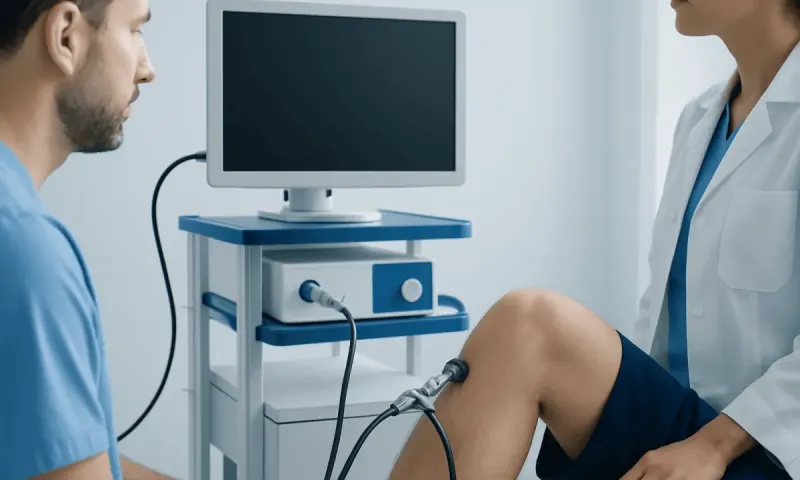
Areflexia: Causes of Absent Reflexes
Areflexia means that a reflex is absent when a clinician tests it, such as the knee-jerk or ankle reflex. It is a clinical sign rather than a diagnosis, and its significance depends on which reflexes are affected, whether symptoms began suddenly, and the person’s overall neurological examination.
Overview: What Is Areflexia?
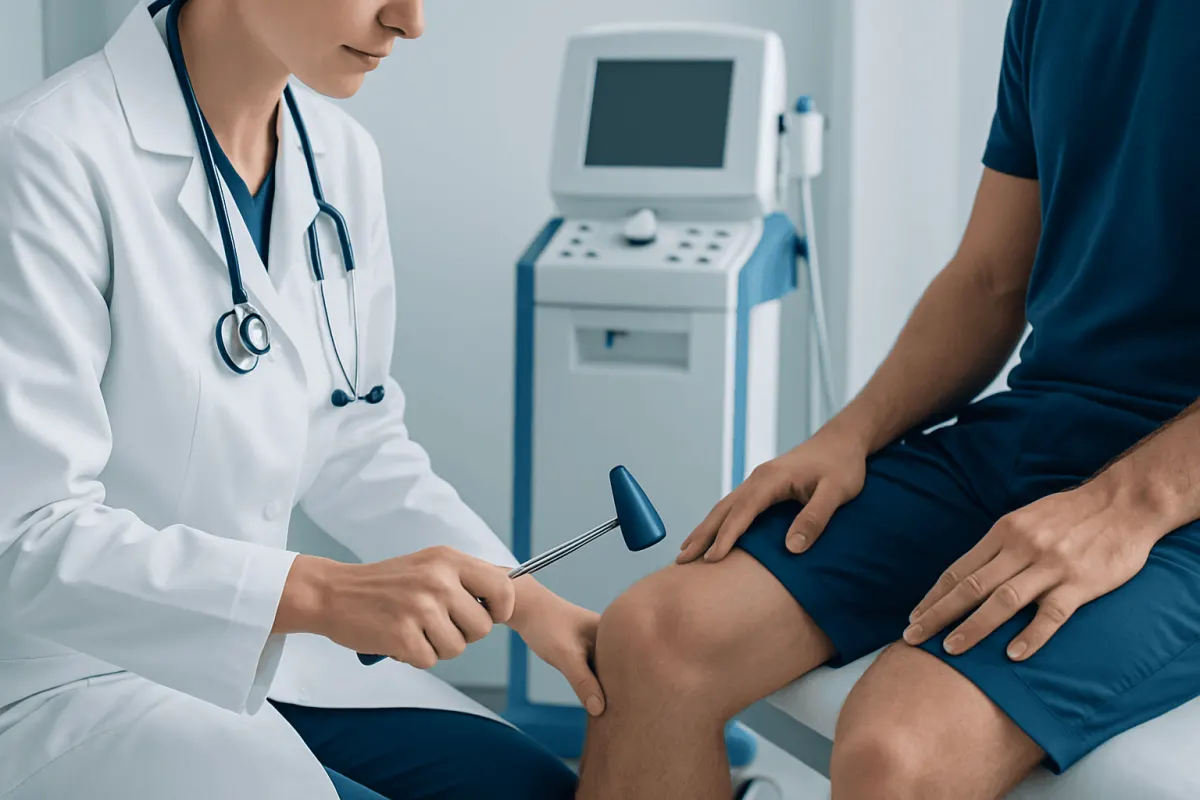
Areflexia is the absence of a reflex that would normally occur automatically in response to a stimulus. The term is most often used when a clinician taps a tendon with a reflex hammer and does not see the expected muscle movement. For example, tapping below the kneecap normally causes the lower leg to extend slightly; if this response is absent, the knee reflex may be described as absent.
Reflexes involve a rapid communication pathway between a sensory nerve, the spinal cord, and a motor nerve that activates a muscle. Areflexia may occur when any part of this pathway is affected. It can involve a single reflex, such as an ankle reflex after a local nerve injury, or multiple reflexes throughout the body. It is a finding that helps doctors narrow down possible causes, not a condition on its own.
Some people have naturally reduced reflexes without an important health problem, particularly with aging or when muscles are very relaxed during testing. However, newly absent reflexes, widespread areflexia, or absent reflexes accompanied by weakness, sensory changes, pain, or balance difficulties should be assessed by a qualified clinician.
How Reflexes Are Tested and What Changes May Mean
Deep tendon reflexes are tested by gently tapping a tendon with a small rubber hammer. Commonly checked reflexes include the biceps reflex at the elbow, triceps reflex above the elbow, knee reflex, and ankle reflex. The clinician compares the right and left sides and considers the person’s muscle strength, sensation, coordination, walking pattern, and medical history.
Doctors may describe reflexes as reduced, absent, normal, brisk, or very brisk. Reduced or absent reflexes often point toward a problem affecting peripheral nerves, nerve roots, the neuromuscular system, or the lower motor neuron pathway. In contrast, unusually brisk reflexes can occur with conditions affecting certain pathways in the brain or spinal cord. These patterns are guides, not conclusions; reflex findings always need to be interpreted in context.
Areflexia can be localized or generalized. Localized loss may affect one limb or one nerve distribution, while generalized areflexia means many reflexes are absent. A sudden change is generally more clinically important than a long-standing, stable finding. Children and adults may both have absent reflexes, although the possible causes and evaluation can differ by age.
Symptoms That May Occur Alongside Areflexia

Areflexia itself is usually not felt by the individual. It is noticed during an examination. The symptoms that lead someone to seek care depend on the underlying cause and may include muscle weakness, tingling, numbness, burning discomfort, cramps, shooting pain, poor balance, or difficulty walking. Some people notice that their feet feel less responsive or that they stumble more easily.
When peripheral nerves are involved, symptoms may begin in the toes and feet and gradually move upward. This pattern can occur in some forms of peripheral neuropathy. When a spinal nerve root is irritated or compressed, symptoms may be more localized, such as back or neck pain that travels into an arm or leg along with weakness or altered sensation.
In some inflammatory nerve disorders, weakness and loss of reflexes may develop over days or weeks. Rarely, symptoms can progress to involve facial muscles, swallowing, breathing, or the nerves that regulate heart rate and blood pressure. These features require prompt medical attention because timely monitoring and treatment can be important.
- Weakness that makes climbing stairs, standing, gripping, or lifting difficult
- Numbness, pins-and-needles sensations, burning pain, or reduced awareness of touch
- Unsteadiness, falls, or a changed walking pattern
- New back or neck pain with pain, weakness, or sensory symptoms in a limb
- Difficulty swallowing, speaking, breathing, or controlling bladder or bowel function
Causes and Risk Factors
Areflexia has many possible causes. Peripheral neuropathy is a broad term for damage to nerves outside the brain and spinal cord and is a common reason for reduced ankle reflexes. Diabetes is one possible cause of peripheral neuropathy. Other contributors can include alcohol-related nerve damage, vitamin deficiencies, kidney disease, thyroid disorders, autoimmune conditions, infections, certain medicines, and exposure to toxins.
Inflammatory disorders of the peripheral nerves can also cause areflexia. Guillain-Barré syndrome is an uncommon immune-mediated condition that often causes progressive weakness and absent reflexes, sometimes after an infection. Chronic inflammatory demyelinating polyneuropathy may produce a slower progression of weakness, numbness, and reduced reflexes over a longer period. These conditions need specialist evaluation because treatment may help limit disability and support recovery.
Other causes include injury or compression of a nerve or nerve root, such as a disc-related problem in the spine; trauma; severe muscle or nerve disease; and some inherited neurological conditions. Areflexia may also be seen temporarily during profound illness or after medications that affect nerve signaling. Risk factors vary by cause, so a person’s medical conditions, family history, occupational exposures, recent illness, diet, alcohol use, and medication list are all relevant to assessment.
How Areflexia Is Diagnosed
Diagnosis begins with a careful history and neurological examination. A doctor will ask when symptoms started, whether they are worsening, whether there was a recent infection or injury, and whether there are problems with sensation, balance, pain, bladder function, breathing, or daily activities. They will test reflexes in several locations and assess muscle power, tone, sensation, coordination, and gait.
Further tests depend on the suspected cause. Blood tests may look for diabetes, vitamin deficiencies, thyroid dysfunction, inflammation, kidney or liver problems, or other metabolic contributors. Nerve conduction studies and electromyography, often called EMG, can evaluate how nerves carry electrical signals and how muscles respond. These tests may help distinguish neuropathy, nerve-root problems, and muscle disorders.
Magnetic resonance imaging may be recommended if a spinal cord, nerve-root, or structural problem is suspected. In selected cases, a lumbar puncture can examine cerebrospinal fluid, particularly when an inflammatory nerve disorder is being considered. Genetic testing or specialized antibody testing may be appropriate for a smaller number of people. The goal is to identify a treatable cause while also assessing whether symptoms could progress quickly.
Treatment Options and Everyday Support
There is no single treatment for areflexia because treatment is directed at the underlying condition. If testing identifies a vitamin deficiency, thyroid disorder, diabetes-related nerve damage, medication effect, infection, or nerve compression, managing that cause may improve symptoms or help prevent further nerve injury. A clinician should guide any changes to prescribed medicines or supplements.
Immune-mediated nerve disorders may require hospital monitoring and treatments that modify immune activity, depending on the diagnosis and severity. People with significant weakness may also benefit from physical therapy, occupational therapy, mobility support, pain management, and measures to prevent falls. Rehabilitation can help maintain joint movement, improve strength safely, and support independence during recovery.
Self-care is supportive rather than a replacement for medical assessment. Keeping follow-up appointments, controlling long-term conditions such as diabetes, limiting alcohol when advised, eating a balanced diet, and protecting numb feet or hands from burns and injuries can be helpful. Supportive footwear, home fall-prevention measures, and an individualized activity plan may also be recommended when balance or muscle strength is affected.
Acıbadem Health Point’s multidisciplinary specialists and JCI-accredited hospitals evaluate neurological symptoms such as areflexia for international patients, with testing and treatment plans tailored to the suspected cause.
When to Seek Medical Care
Medical review is appropriate for new or unexplained absent reflexes, particularly when they occur with numbness, pain, weakness, repeated falls, or a change in walking. A primary care doctor or neurologist can decide whether further neurological testing is needed. It is especially important not to assume that gradual tingling or reduced sensation is simply part of aging.
Urgent medical assessment is needed if weakness is rapidly progressing over hours or days, spreads from the legs upward, or occurs with new facial weakness, trouble swallowing, shortness of breath, or difficulty speaking. Emergency care is also important for severe back pain with new leg weakness, numbness around the groin or buttocks, or loss of bladder or bowel control, as these symptoms can indicate a serious spinal nerve problem.
People with known diabetes, autoimmune disease, cancer treatment exposure, kidney disease, or a family history of neurological disorders should mention these factors during evaluation. Early assessment can help identify reversible contributors and ensure that conditions needing prompt treatment are recognized without delay.
Frequently asked questions
01Is areflexia always serious?
No. An absent reflex can sometimes be a normal individual finding, especially if it is long-standing and there are no other neurological symptoms. However, new, widespread, or unevenly absent reflexes should be evaluated, particularly when weakness, numbness, pain, or balance problems are present.
02Can areflexia be reversed?
Whether reflexes return depends on the cause and the extent of nerve injury. Some causes, such as certain nutritional, metabolic, medication-related, or inflammatory problems, may improve with appropriate treatment. In other cases, reflex loss may persist even when symptoms and function improve.
03What is the difference between areflexia and hyporeflexia?
Areflexia means a reflex is absent. Hyporeflexia means a reflex is present but weaker than expected. Both findings can suggest changes in the peripheral nerves, nerve roots, or related reflex pathways, but neither diagnosis should be made from one reflex alone.
04Can diabetes cause absent reflexes?
Yes. Long-standing diabetes can contribute to peripheral neuropathy, which may reduce or eliminate ankle reflexes and can also cause numbness, tingling, burning discomfort, or reduced sensation in the feet. Good diabetes management and foot care are important, but any new neurological symptoms still need clinical review.
05Does Guillain-Barré syndrome cause areflexia?
Guillain-Barré syndrome commonly causes reduced or absent reflexes along with progressive weakness and sometimes tingling sensations. Symptoms may worsen over days to weeks and can affect breathing or swallowing in severe cases. Anyone with rapidly increasing weakness or breathing difficulty should seek urgent medical care.
06Which doctor treats areflexia?
A primary care doctor can perform an initial assessment and arrange tests or referrals. A neurologist is often involved when areflexia is new, widespread, unexplained, or accompanied by weakness, sensory symptoms, or suspected nerve or spinal disease. Other specialists may participate depending on the identified cause.
This article is for general information only and is not a substitute for professional medical advice. Please consult a qualified doctor about your individual situation.
Joint and spine care in Turkey — expert assessment & treatment
JCI-accredited · board-certified surgeons · reply within 24h
Add us as a Preferred Source to see more of our trusted health content across Google Search, AI Overviews and Discover.