Bed Bound Care: Preventing Complications and Aiding Mobility
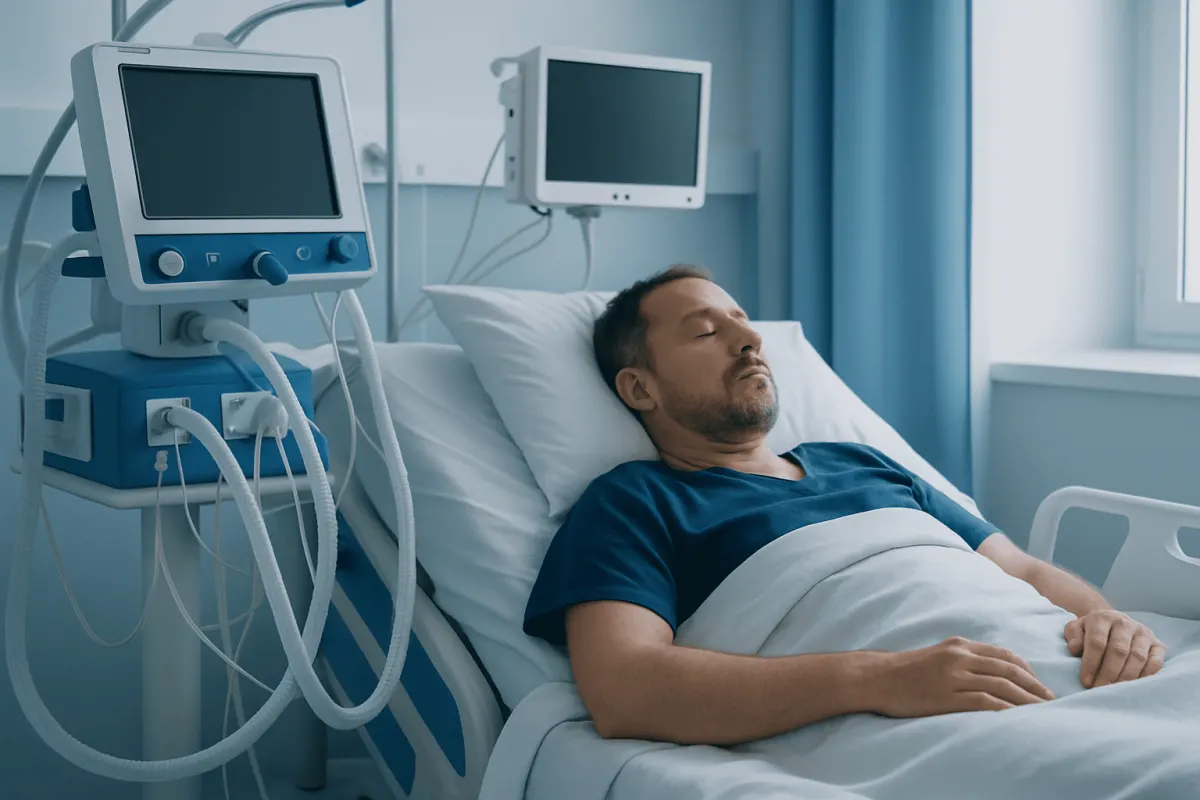
Being bed bound means a person is unable to get out of bed independently or safely for much of the day because of illness, injury, disability or severe weakness. It is not a diagnosis itself, but prolonged immobility can affect skin, muscles, breathing, circulation, mood and independence, making early assessment and supportive care important.
What Does Bed Bound Mean?
Bed bound describes a situation in which a person must stay in bed for most or all of the day and cannot transfer, sit, stand or walk safely without substantial help. This may be temporary, such as after a serious illness or surgery, or long term when a health condition causes lasting loss of strength, balance, movement or awareness.
Being bed bound is different from choosing to rest for a day or following short-term medical advice to limit activity. It usually reflects a meaningful change in function. The person may still be able to communicate, eat, participate in decisions and do certain activities in bed, but they need a care plan that protects health and preserves as much independence as possible.
The underlying reason should always be assessed. In many cases, treating the cause and beginning safe rehabilitation can improve function. When recovery is limited, care can still reduce discomfort, prevent avoidable complications and support dignity and quality of life.
Why a Person May Become Bed Bound
Bed-bound status can develop suddenly or gradually. A stroke, major fracture, severe infection, spinal cord injury or surgery may cause an abrupt reduction in mobility. Conditions that affect the brain, nerves, muscles, heart or lungs may lead to progressive weakness, fatigue or difficulty coordinating movement.
Common contributors include severe arthritis, chronic pain, advanced heart or lung disease, dementia, Parkinsonian conditions, multiple sclerosis, frailty and complications of diabetes. A person may also become less mobile after a prolonged hospital stay because of deconditioning, which is a loss of muscle strength and physical capacity during inactivity. Stroke is one example of a condition that may affect movement, sensation and the ability to transfer safely.
Mobility can also be affected by medicines that cause drowsiness, low blood pressure or confusion; poor vision; fear of falling; depression; inadequate nutrition; and an unsafe home environment. Often, several factors are present at the same time. A clinical review helps distinguish a potentially reversible problem from a more permanent limitation.
How Prolonged Bed Rest Affects the Body

Without regular movement, muscles can weaken and joints may become stiff. This can make repositioning and eventual standing more difficult. Reduced weight-bearing may also contribute to bone loss over time, particularly in older adults and people with other risk factors for osteoporosis.
Constant pressure on areas such as the heels, ankles, hips, tailbone, shoulder blades and back of the head can reduce blood flow to the skin. This may lead to pressure injuries, sometimes called pressure sores or bedsores. Moisture from sweat or incontinence, friction during transfers and poor nutrition can increase this risk.
Immobility can slow bowel movement, contributing to constipation, and may affect bladder emptying. It can also reduce deep breathing and coughing, which may allow mucus to collect in the lungs. Blood flow in the legs can become slower, increasing the risk of deep vein thrombosis, a clot that may become serious if it travels to the lungs.
Emotional and social effects are important as well. A bed-bound person may experience loneliness, disrupted sleep, frustration, low mood or loss of confidence. Care should address comfort, communication, meaningful activities and emotional wellbeing alongside physical needs.
Assessment and Planning for Bed-Bound Care
A clinician will look for the medical reason for reduced mobility and assess whether urgent treatment is needed. The review may include strength, sensation, balance, cognition, pain, nutrition, hydration, continence, medicines, skin condition and the person’s ability to move or communicate. Blood tests, imaging or other investigations may be considered depending on the suspected cause.
Care planning should be individualized. Some people may benefit from an active rehabilitation program aimed at improving transfers, sitting balance, standing or walking. Others may need a longer-term plan focused on comfort, preventing complications and supporting caregivers. A physiotherapist, occupational therapist, nurse, physician, dietitian and social worker may all have useful roles.
Goals should be realistic and meaningful to the individual. For one person, this may be walking a short distance with an aid. For another, it may mean sitting out of bed safely, reducing pain, being able to feed themselves, or communicating needs reliably. Physical therapy and rehabilitation can help identify safe movement strategies and appropriate exercises.
Caregivers should receive practical instruction before attempting transfers or complex repositioning. Incorrect lifting can injure both the patient and caregiver. Equipment such as transfer aids, supportive cushions, adjustable beds or mobility devices may be recommended after professional assessment.
Daily Measures to Reduce Complications
Regular position changes are among the most important protective measures. The appropriate schedule varies with the person’s skin condition, ability to move, comfort, mattress type and clinical needs. A nurse or therapist can advise on safe positioning and on using pillows or pressure-relieving supports to protect vulnerable areas, especially the heels and tailbone.
Skin should be checked daily for redness, warmth, discoloration, blisters, broken skin or areas that remain sore after pressure is relieved. Keep skin clean and dry, manage moisture promptly and avoid dragging the person across sheets. A pressure-relieving mattress may be useful for people at elevated risk, but it does not replace routine skin care and repositioning.
Movement should be encouraged within safe limits. This may include assisted turning, sitting upright for meals, range-of-motion exercises, ankle movements, supported transfers or short periods in a chair. The correct activity level depends on the underlying condition, recent surgery, fracture precautions and overall stability, so it should be discussed with the care team.
Adequate fluids, protein, energy, vitamins and minerals support skin health, muscle maintenance and recovery. Constipation prevention may involve fluids, fiber when appropriate, regular toileting routines and clinician-guided medicines. People with swallowing difficulties should be assessed before changing food or fluid textures to reduce choking and aspiration risk.
- Keep frequently used items, a call device and water within safe reach.
- Use a written care routine for medicines, meals, repositioning, skin checks and toileting.
- Encourage conversation, daylight exposure, enjoyable activities and contact with family or friends.
- Ask a clinician whether compression, blood-clot prevention medicine or other measures are appropriate; these are not suitable for everyone.
When to Seek Medical Care
Medical advice should be sought promptly when a person has new or worsening weakness, a sudden decline in alertness, confusion, severe pain, repeated falls during transfers or a major change in their ability to eat, drink, urinate or pass stool. These changes may signal an infection, medicine effect, dehydration, neurological problem or another condition that needs assessment.
Urgent medical care is needed for chest pain, sudden shortness of breath, coughing blood, fainting, new one-sided weakness, facial drooping, speech difficulty or sudden severe confusion. These symptoms can have serious causes and should not be managed at home without immediate professional guidance.
A clinician should also review any persistent skin redness, darkening, blistering, open wound, drainage, fever or increasing tenderness. Early treatment of a pressure injury is usually simpler than treatment after deeper tissue damage has developed. Wound care may be needed for pressure injuries or other complex skin wounds.
Supporting Recovery, Comfort and Caregivers
Recovery from being bed bound varies greatly. Improvement may occur when reversible causes such as infection, pain, malnutrition, medication effects or deconditioning are addressed. Progress is often gradual, and small gains—such as improved sitting tolerance or the ability to assist with a transfer—can make daily life safer and more comfortable.
Caregivers should not manage alone when demands become overwhelming. Home nursing, rehabilitation services, respite care, community resources and training in safe transfers can reduce strain. It is also helpful to discuss advance care preferences, communication needs and symptom management when a condition is advanced or unlikely to improve.
At Acıbadem Health Point, multidisciplinary specialists and JCI-accredited hospitals assess the medical causes of reduced mobility and coordinate rehabilitation, nursing and supportive care for international patients. The most appropriate plan depends on the person’s diagnosis, goals, home support and overall health.
Regular follow-up allows the care plan to change as needs change. Even when someone remains bed bound, attentive care, prevention and clear communication can help maintain comfort, safety and personal dignity.
Frequently asked questions
01Is being bed bound permanent?
Not always. Some people are temporarily bed bound during recovery from illness, injury, surgery or severe weakness and may regain function with treatment and rehabilitation. Others have long-term mobility limitations, but supportive care can still improve comfort, safety and daily quality of life.
02How often should a bed-bound person be repositioned?
There is no single schedule that is correct for every person. Repositioning needs depend on skin condition, comfort, ability to move independently, medical conditions and the support surface being used. A nurse or other qualified clinician can provide an individualized plan.
03What are the first signs of a pressure injury?
Early signs may include persistent redness, darkened or discolored skin, warmth, swelling, tenderness or pain over a bony area. The skin may remain intact at first, especially in early stages. Any concerning change should be reported promptly, because early action can prevent worsening.
04Can bed rest cause blood clots?
Long periods of immobility can slow blood flow in the legs and increase the risk of deep vein thrombosis, particularly when other risk factors are present. Symptoms can include one-sided leg swelling, pain, warmth or redness, although clots may not always cause obvious symptoms. Sudden breathlessness or chest pain requires urgent medical care.
05How can family caregivers help without causing injury?
Caregivers can help by following professional guidance on positioning, transfers, skin care, hydration and medication routines. They should avoid lifting a person alone if it is unsafe and should ask about transfer equipment or home support services. Caregiver wellbeing matters too, and breaks or respite support may be needed.
06Should a bed-bound person do exercises?
Many people can benefit from safe, individualized movement such as assisted range-of-motion exercises, breathing exercises or supported sitting. However, the correct activities depend on the diagnosis, pain level, surgical precautions and fracture risk. A physiotherapist or physician should advise on an appropriate plan.
This article is for general information only and is not a substitute for professional medical advice. Please consult a qualified doctor about your individual situation.
Joint and spine care in Turkey — expert assessment & treatment
JCI-accredited · board-certified surgeons · reply within 24h
Add us as a Preferred Source to see more of our trusted health content across Google Search, AI Overviews and Discover.