

Are Teeth Bones? Structure, Differences and Dental Care
- 9 min read
- Published November 29, 2026
Key Takeaways
- Teeth are not bones; they are made of enamel, dentin, cementum, and pulp rather than living bone tissue.
- Bones can remodel and heal differently from teeth, while tooth enamel cannot regenerate once lost.
- Teeth and bones share some minerals, which is one reason they can be confused, but they serve different roles in the body.
- Good daily oral hygiene, fluoride exposure, and regular dental checkups help protect tooth structure over time.
- Persistent tooth pain, swelling, sensitivity, or trauma should be assessed by a dentist rather than ignored.
Teeth are often mistaken for bones, but they are separate structures with different tissue makeup, function, and repair patterns. Understanding that difference can make dental care feel more practical and help people know what to expect if a tooth becomes damaged or painful.
Overview
People often ask, “Are teeth bones?” because both are hard, white, and built to withstand everyday pressure. The short answer is no: teeth are not bones. They are specialized dental structures designed for biting, chewing, and speech, while bones are part of the body’s supporting skeleton.
The confusion is understandable. Teeth and bones both contain minerals, especially calcium and phosphate, and both are important for the body’s overall structure. But under the surface, they are built very differently. Bone is living tissue that can remodel throughout life, while teeth have layers with distinct jobs, including a very hard outer covering called enamel.
For patients planning dental care from another country, this difference matters in practical ways. A cracked tooth, worn enamel, or deep cavity does not behave like a broken bone. The treatment approach is usually focused on preserving tooth structure, relieving pain, and preventing infection rather than “setting” the tooth in the same way a fracture is treated.
How Teeth Are Built

Tooth anatomy is more layered than many people realize. The visible crown is coated with enamel, the hardest substance in the human body, which protects the tooth from chewing forces and temperature changes. Beneath enamel is dentin, a less hard but still strong layer that supports the tooth and carries sensitivity more directly toward the inside.
At the center of the tooth is the pulp, which contains nerves, blood vessels, and connective tissue. This living tissue helps nourish the tooth during development and is often the source of pain when inflammation or decay reaches deeper layers. The root is covered by cementum, which helps anchor the tooth to the jaw through the periodontal ligament.
That anchoring system is another major difference from bone. Teeth are held in place by a suspension-like ligament, allowing slight movement during chewing. Bone, by contrast, is integrated into a broader skeletal framework and remodels as the body changes, adapts to stress, or heals after injury.
- Enamel: protective outer shell
- Dentin: supportive inner layer
- Pulp: living core with nerves and blood supply
- Cementum: covers the root surface
- Periodontal ligament: connects tooth to jawbone
Why Teeth and Bones Get Compared
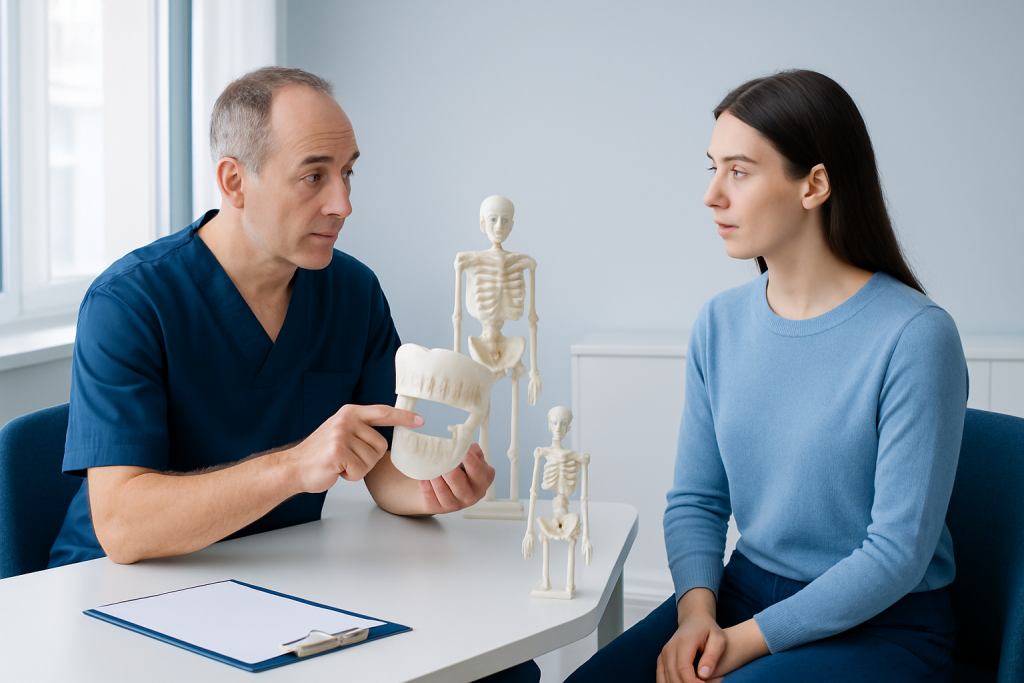
Teeth and bones share a few visible and chemical similarities, which is why the comparison comes up so often. Both are rich in minerals, and both become stronger with good nutrition and healthy development. They also can be affected by aging, systemic illness, and poor dietary habits, although the patterns are not the same.
The big structural difference is that bone is living tissue that constantly reshapes itself. It can heal after fractures, adapt to mechanical stress, and respond to hormones and minerals throughout life. Teeth are more limited: once enamel is lost, the body does not naturally grow it back in the same way it repairs bone.
This is why early dental attention is so valuable. A small cavity may be managed conservatively, but once decay reaches deeper layers, treatment becomes more involved. Patients who travel for care often benefit from this clarity because it helps them understand why dentists recommend prompt evaluation rather than waiting for symptoms to pass on their own.
Symptoms and Signs of Tooth Problems
Since teeth are not bones, tooth problems often show up differently from skeletal injuries. Pain may be the first clue, but other signs can appear before a tooth hurts. Sensitivity to cold, heat, sweets, or biting pressure may suggest enamel wear, a cavity, a crack, or gum-related concerns.
Changes in appearance can also be important. Dark spots, visible chips, rough edges, swelling of the gums, bad breath that does not improve, or a tooth that feels loose should all be taken seriously. Some dental problems progress quietly, especially in the early stages, which is why routine examinations matter even when there is no obvious discomfort.
In more advanced situations, infection can lead to throbbing pain, facial swelling, fever, or difficulty opening the mouth. These symptoms need timely dental assessment. A patient traveling internationally should not assume they must wait until they return home if symptoms are active; dental clinics can often provide evaluation and stabilization before travel plans are affected further.
Causes and Risk Factors
Tooth damage develops from several common causes. The most frequent is dental decay, which occurs when bacteria in plaque produce acids that weaken enamel. Repeated acid exposure, frequent snacking on sugary foods, dry mouth, and inconsistent brushing can all increase the risk.
Other factors include grinding or clenching, which can wear down teeth or cause cracks, and trauma from falls, sports injuries, or biting into hard objects. Gum disease can also affect the structures that support teeth, making them feel loose or sensitive. Some medications, medical conditions, and tobacco use may further raise the risk of oral problems.
Children, older adults, and people with orthodontic appliances, restorations, or reduced saliva flow may need extra attention. For international patients, it can help to bring a list of medications, prior dental procedures, and any imaging already done at home. That information gives the dentist a clearer picture and can streamline the first consultation.
Diagnosis
Dental diagnosis starts with a clinical examination. A dentist looks at the teeth, gums, bite, and surrounding soft tissues, then asks about symptoms, timing, eating habits, and any history of injury. Small changes in the tooth surface or gum line can reveal problems that are not obvious to the patient yet.
X-rays are often used to look beneath the surface. They help identify cavities between teeth, root problems, bone loss around the teeth, impacted teeth, and changes that may not be visible during the exam. In some situations, additional imaging or a more detailed assessment is needed, especially when planning treatment for complex damage or infection.
For patients arriving from abroad, a good dental workup may include reviewing previous records, scans, and treatment notes. That can prevent unnecessary repetition and help the team choose the most appropriate next step. The goal is not just to name the problem, but to understand how deeply it has affected tooth structure and the tissues around it.
Treatment Options
Treatment depends on what part of the tooth is involved. Early decay may be managed with fluoride guidance, improved cleaning, and a filling. If damage is more advanced, options can include inlays, onlays, crowns, or root canal treatment when the pulp is inflamed or infected. In cases where a tooth cannot be saved, extraction may be recommended, followed by a replacement plan.
Cracks and wear are addressed according to severity. Some teeth need only close monitoring, while others benefit from a crown or other protective restoration. If gum disease is contributing to looseness or discomfort, treatment may include professional cleaning below the gum line and ongoing periodontal care. Pain relief and infection control are also important parts of care when needed.
There is no treatment that turns a tooth into a bone or makes enamel regrow fully on its own. Instead, dentistry focuses on preserving as much natural tooth structure as possible and restoring function in a durable, comfortable way. For international patients, treatment planning may also consider timing, follow-up options, and whether a full plan should be completed during one stay or staged over several visits.
Prevention and Self-care
Protecting teeth starts with simple daily habits. Brushing twice a day with fluoride toothpaste, cleaning between the teeth once daily, and limiting frequent sugar exposure can reduce the risk of decay. Drinking water regularly and avoiding tobacco also support oral health.
For people who grind their teeth, a dentist may suggest a night guard. Those with dry mouth may need targeted advice, because saliva helps protect enamel and neutralize acids. Regular checkups are equally important, since many dental problems are easier to manage before they become painful or widespread.
Practical prevention tips include:
- Brush gently but thoroughly for two minutes
- Clean between teeth with floss or interdental brushes
- Use fluoride toothpaste as recommended by a dentist
- Limit frequent snacking and sugary drinks
- Wear a mouthguard for sports if advised
When traveling for care, it is sensible to carry a basic oral hygiene kit and continue the routine that was recommended at the clinic. After treatment, following the dentist’s instructions closely helps protect restorations and supports smooth healing.
When to See a Dentist
A dentist should be seen for persistent tooth pain, sensitivity that does not settle, swelling, visible damage, or any tooth that feels loose or changes position. Sudden pain after a blow to the mouth also deserves prompt attention, even if the tooth looks intact from the outside.
Professional evaluation is especially important if there is fever, facial swelling, pus, trouble swallowing, or difficulty opening the mouth. These signs can point to infection or deeper inflammation that should not be delayed. Even when symptoms seem mild, a dental exam can prevent a small issue from becoming a larger one.
For international patients, seeking care earlier rather than later can make treatment simpler and travel less disruptive. Acibadem Health Point’s multidisciplinary specialists and JCI-accredited hospitals diagnose and treat dental conditions for international patients with coordinated, patient-centered care.
Frequently asked questions
01Are teeth considered bones?
No. Teeth are not bones, although both contain minerals and are hard structures in the body. Teeth have enamel, dentin, pulp, and cementum, while bones are living tissue that remodels over time.
02Why do teeth and bones seem similar?
They can look alike because both are white, hard, and mineral-rich. Even so, they serve different jobs and respond differently to injury and disease.
03Can tooth enamel grow back like bone?
No. Enamel cannot fully regenerate once it is lost. A dentist can help protect weakened enamel and restore damaged teeth with appropriate treatment.
04Is a tooth crack the same as a bone fracture?
Not exactly. A cracked tooth is treated based on where the crack is and how deep it goes, while a broken bone is managed according to skeletal healing principles. A dentist uses exam findings and imaging to decide the right approach.
05What should someone do if a tooth hurts after an injury?
A dental exam should be arranged as soon as possible. Pain, swelling, or a change in the tooth’s position can signal damage that needs prompt care.
06Do dentists treat teeth and jawbones together?
Yes, often they do. Teeth, gums, and jawbone all work as one system, so dental care may address the tooth itself and the supporting bone around it.
This article is for general information only and is not a substitute for professional medical advice. Please consult a qualified doctor about your individual situation.
Joint and spine care in Turkey — expert assessment & treatment
JCI-accredited · board-certified surgeons · reply within 24h
Add us as a Preferred Source to see more of our trusted health content across Google Search, AI Overviews and Discover.
More from the Health Library



How can we help you today?
Meet an Acibadem specialist by secure video, before you travel.
Book a video visit