Turkey Dental Clinics: Choosing Safe, Licensed Care
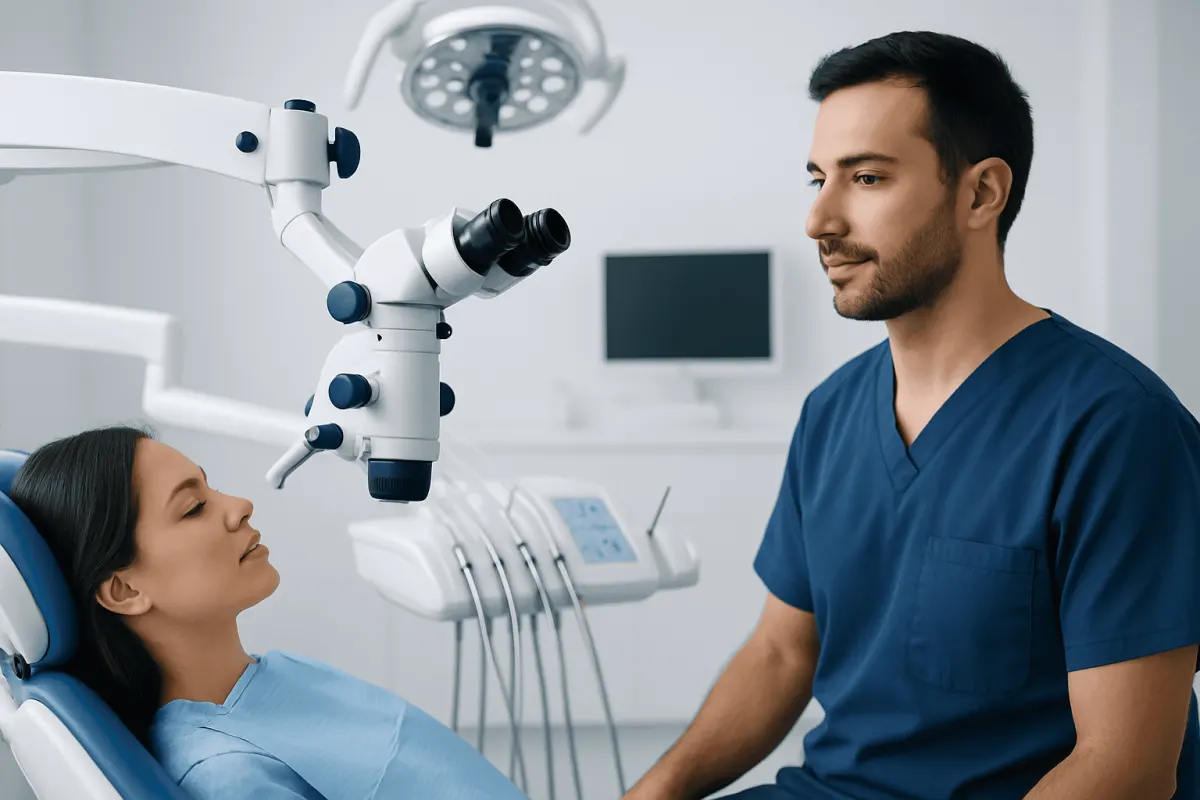
A Turkey dental clinic may offer treatments ranging from routine restorations to implants and cosmetic dentistry. Safe, satisfactory results depend on an individual assessment, an appropriately qualified dental team, high-quality materials, transparent planning and realistic time for recovery and follow-up.
Turkey Dental Clinic: What Patients Can Expect
A turkey dental clinic may provide preventive, restorative, endodontic, periodontal, implant and cosmetic dental care for local and international patients. A turkey dental procedure should not be selected from photographs or a standard package alone: the appropriate option depends on the person’s oral health, bite, gum condition, remaining tooth structure and long-term goals.
Before treatment, a responsible clinic should take a medical and dental history, examine the mouth and gums, and use appropriate imaging. This process helps the dentist identify concerns such as decay, gum disease, infection, tooth cracks, bone loss or bite problems that may change the treatment plan. Patients should receive an explanation of alternatives, likely benefits, limitations, possible complications and expected maintenance.
Common reasons for travelling for dental care include access to multidisciplinary services and the ability to coordinate several appointments. However, treatment remains healthcare rather than a holiday activity. A so-called turkey dental resort experience should never replace adequate clinical assessment, informed consent, infection prevention, professional supervision and time to recover.
Planning a Turkey Dental Appointment
A turkey dental appointment often starts remotely with photographs, previous X-rays and a description of symptoms or goals. These preliminary materials can help the clinic advise whether travel may be suitable, but they cannot replace an in-person examination. The final plan may change after the dentist assesses the teeth, gums, bite and diagnostic images in person.
Patients benefit from asking for a written plan that names each proposed procedure, explains whether healthy tooth structure would be altered, identifies the materials to be used and outlines the anticipated number of visits. It should also describe what happens if unexpected decay, infection, gum disease or insufficient bone support is found during treatment.
It is sensible to share relevant health information, including allergies, pregnancy, diabetes, bleeding disorders, immune conditions, heart conditions and all medicines or supplements. Some people need their physician or specialist involved before invasive treatment. A patient should not feel pressured to make a rapid decision or proceed with irreversible work without understanding the alternatives.
- Ask who will perform each part of care and what their qualifications are.
- Request information about sterilization, imaging, anesthesia and dental laboratory processes.
- Confirm how records, X-rays and treatment summaries will be provided for future dentists.
- Discuss aftercare, urgent contact arrangements and the likely need for review after returning home.
How safe is it to get dental work done in Turkey?

Dental work in Turkey can be safe when it is delivered by licensed, appropriately trained clinicians in a regulated setting with robust infection-control practices and patient-centered planning. Safety is not determined by destination alone. It depends on the individual clinic, the complexity of treatment, the quality of diagnostic assessment, materials, laboratory work, anesthesia practices and the availability of follow-up care.
Patients should verify professional registration and clinic accreditation where applicable, ask about the dentist’s experience with the proposed procedure, and ensure that the plan addresses existing gum disease or infection before cosmetic changes are made. For extensive treatment, an opinion from a dentist at home may be helpful, especially if the proposal involves removing healthy teeth or placing many crowns.
Every dental procedure has potential risks. These can include temporary pain or sensitivity, bleeding, infection, damage to nearby tissues, bite changes, restoration failure or the need for further treatment. A careful evaluation and clear aftercare instructions reduce avoidable risks, but no clinic can guarantee a particular outcome.
Procedures Commonly Considered by International Patients
International patients may seek professional cleaning, fillings, crowns, bridges, veneers, root canal treatment, gum care or dental implants. The best choice is based on clinical need. For example, a damaged tooth may be restored with a filling or crown when appropriate; extracting it and replacing it with an implant is not automatically the best option.
A turkey dental root canal treats infection or inflammation inside a tooth. It is usually followed by a permanent restoration, often a crown for a heavily weakened back tooth. Root canal treatment may require more than one visit, particularly when infection is present, and the tooth should be reassessed if pain, swelling or biting discomfort persists.
Implants replace missing tooth roots and require adequate bone, healthy gums and careful planning around the bite. The implant generally needs time to integrate with bone before the final crown is placed, so patients should understand whether the proposed treatment uses a temporary tooth, an immediate restoration or a staged approach. For more information about tooth replacement options, patients can explore dental implant treatment.
Cosmetic treatment, including whitening or veneers, should preserve healthy teeth whenever possible and should not overlook underlying decay, gum inflammation or tooth grinding. A protective night guard may be recommended for people who clench or grind their teeth, as heavy forces can damage natural teeth and restorations.
Recovery, Results and Follow-Up
Recovery depends on the procedure. After a filling, cleaning or simple crown preparation, many people can return to normal activities quickly, although short-term sensitivity is possible. After extraction, gum surgery or implant placement, swelling, bruising, tenderness and dietary adjustments may last longer. The dentist should provide tailored instructions about pain relief, oral hygiene, eating, smoking, alcohol and physical activity.
Patients should avoid judging final appearance or comfort too soon after invasive treatment. Swelling can temporarily affect the smile, and new crowns or bridges may need bite adjustments. Long-term results also depend on daily brushing with fluoride toothpaste, cleaning between teeth, regular dental reviews and managing gum disease or tooth grinding.
Before leaving, patients should receive copies of clinical notes, imaging, the names of restorative materials and implants used, and aftercare guidance in a format that can be shared with a dentist at home. A clear plan for communication matters because treatment can occasionally need adjustment after travel.
Acıbadem Health Point’s multidisciplinary specialists and JCI-accredited hospitals can assess and treat dental concerns for international patients, with care plans based on clinical findings and appropriate follow-up needs.
Is it worth going to Turkey for dental treatment?
Whether travel is worthwhile is a personal and clinical decision. It may be reasonable for a person who has a clearly defined treatment need, has selected a qualified clinic after careful research and can allow sufficient time for appointments and follow-up. It may be less suitable when urgent treatment is needed, health conditions are unstable, a complex plan cannot be safely completed within the available time or reliable follow-up is unlikely.
Patients should consider the full practical picture rather than focusing on a single factor. This includes travel time, recovery needs, time away from work, the possibility of additional visits, future maintenance, insurance coverage and access to a dentist at home if concerns develop. For procedures with long biological healing periods, a staged plan may be safer and more realistic than attempting to finish all treatment during one short trip.
When reading turkey dental implant clinic reviews, patients should look beyond ratings and before-and-after images. More useful details include whether the reviewer describes diagnosis, alternatives, communication, treatment timing, complications, aftercare and longer-term comfort. Reviews cannot confirm whether a treatment plan is medically appropriate for another person.
How long do you have to stay in Turkey to get your teeth done?
The required stay varies substantially according to the treatment. A consultation, hygiene visit, simple filling or some crown work may be completed over a short stay, while more extensive rehabilitation can take longer. Laboratory-made restorations require time for design, fabrication, fitting and adjustments, and the exact schedule should be confirmed only after assessment.
Implant care often involves stages separated by healing time. In some cases, implant placement and a temporary restoration can be planned during one visit, with the final crown fitted after healing during a later visit. Bone grafting, gum treatment, active infection or complex bite concerns can extend the overall timeline.
Patients should avoid scheduling return travel immediately after surgical procedures without discussing this with the treating dentist. It is wise to build in time for a review, bite adjustments or management of unexpected swelling. The clinic should explain what care is appropriate locally and what should be arranged after returning home.
When to Seek Medical Care
After dental treatment, mild discomfort or short-lived sensitivity can be expected with some procedures. Prompt dental assessment is important if pain becomes severe or worsens, swelling increases, bleeding does not settle, fever develops, a rash or breathing difficulty occurs, or there is trouble swallowing or opening the mouth. Breathing difficulty or rapidly spreading swelling requires urgent emergency care.
A dentist should also review a loose crown, bridge or implant restoration, a changed bite that makes chewing difficult, persistent numbness, a bad taste with drainage, or pain that returns after initially improving. Do not attempt to glue a restoration back at home, adjust it yourself or take leftover antibiotics without professional advice.
For prevention, patients should attend routine dental examinations, maintain effective home cleaning, limit frequent sugary foods and drinks, and avoid tobacco. People with bleeding gums, persistent bad breath, loose teeth or recurrent dental infections should seek assessment before planning elective cosmetic treatment.
Frequently asked questions
01What should a patient check before choosing a Turkey dental clinic?
A patient should check that the clinic and dentists are appropriately licensed and ask who will perform each stage of care. They should request a written treatment plan, details of materials, diagnostic imaging, infection-control practices, payment terms and arrangements for follow-up after returning home.
02Can a dentist provide a final treatment plan before travel?
A remote review can provide preliminary guidance, but a final plan usually requires an in-person examination and appropriate X-rays or scans. Findings such as decay, gum disease, infection, bone loss or bite problems may alter the proposed treatment.
03Are dental implants completed in one trip?
Some parts of implant treatment can be completed during one visit, but final restorations often require healing time before placement. The exact schedule depends on bone quality, gum health, whether teeth need extraction, the need for grafting and the type of restoration planned.
04What foods are suitable after dental surgery?
After surgery, patients are commonly advised to choose soft foods and avoid chewing directly on the treated area until the dentist says it is safe. Very hot foods and drinks, alcohol, smoking and hard or crunchy foods may interfere with healing, depending on the procedure.
05How can patients arrange follow-up after returning home?
Before travelling, patients should ask for a complete treatment summary, imaging and information about all materials used. They should also identify a local dentist who can provide routine maintenance or urgent assessment if needed, while understanding that further treatment may involve separate fees.
06Do veneers or crowns need maintenance?
Yes. Veneers and crowns require daily brushing, cleaning between teeth and regular dental reviews, just like natural teeth. They can chip, loosen, develop leakage at the edges or be affected by gum disease and tooth grinding, so they may need adjustment or replacement over time.
This article is for general information only and is not a substitute for professional medical advice. Please consult a qualified doctor about your individual situation.
Explore treatments in Turkey — costs, top hospitals & a free quote
JCI-accredited · board-certified surgeons · reply within 24h
Add us as a Preferred Source to see more of our trusted health content across Google Search, AI Overviews and Discover.