Yellow Teeth: Causes and Treatment

Key Takeaways
- Yellow teeth are not always a sign of poor hygiene; natural enamel wear and genetics can also play a role.
- Surface stains from food, drinks, smoking, and some medications are common causes of tooth yellowing.
- A dentist can tell whether the colour change is on the surface or linked to deeper tooth structure or decay.
- Professional whitening may help some people, but not every type of discoloration responds the same way.
- Good daily oral care and regular dental check-ups help reduce staining and support long-term dental health.
Yellow colour of teeth is common and often has more than one cause, from surface staining to natural enamel thinning. A dentist can help identify why teeth look yellow and suggest the safest way to improve their appearance and oral health.
Overview
Yellow colour of teeth is a frequent concern, and it can appear gradually rather than all at once. For many people, the change is a mix of surface staining and the natural shade of the tooth beneath the enamel.
Teeth are not meant to be paper-white. The outer enamel layer is slightly translucent, so the warmer, more yellow tone of the inner dentin can show through, especially as enamel becomes thinner with age or wear.
Because the cause is not always obvious, the first useful step is not guessing from appearance alone. A dental examination can help separate harmless staining from changes that need treatment, such as decay, enamel damage, or internal discoloration.
Symptoms
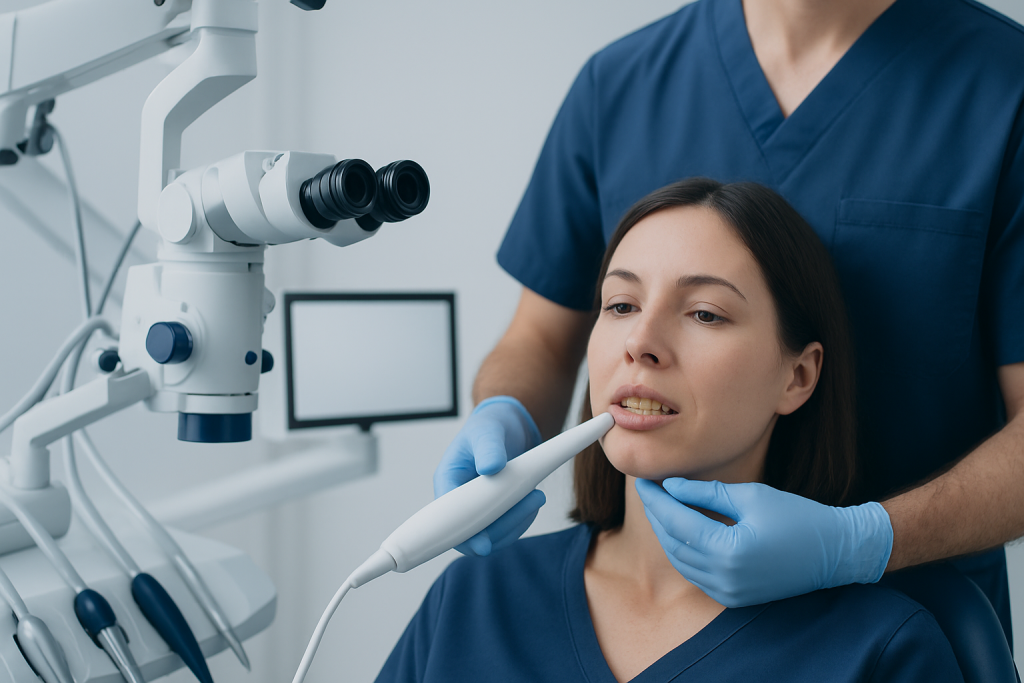
The main sign is a noticeable yellow tone on one tooth, several teeth, or the full smile. The colour may look evenly yellow, or it may appear patchy with darker areas near the gum line or along the edges of the teeth.
Some people also notice that the teeth look more yellow in certain light, after coffee or tea, or in photos. Others may see yellowing together with roughness, sensitivity, or visible buildup near the gums.
- Yellowing that develops slowly over time
- Stains that are more obvious on the front teeth
- Colour changes that persist after brushing
- Sensitivity to hot, cold, or sweet foods in some cases
- Visible plaque or tartar near the gum line
If the colour change is sudden, limited to one tooth, or accompanied by pain, swelling, or dark spots, it deserves a closer look from a dentist.
Causes & Risk Factors

Many everyday habits contribute to yellow colour of teeth. Coffee, black tea, red wine, cola, curry, soy sauce, berries, and tobacco can leave pigments on the enamel surface over time. If plaque is not removed regularly, stains can settle more easily.
Another common reason is enamel thinning. As the protective outer layer wears down naturally with age, the yellow dentin underneath becomes more visible. Some people also have naturally thinner or less opaque enamel, which can make teeth appear more yellow even with good hygiene.
Other causes may include:
- Certain medications, including some that affect tooth development or cause staining
- Excessive fluoride exposure during childhood
- Tooth trauma, which may change the internal colour of a tooth
- Poor oral hygiene leading to plaque and tartar buildup
- Untreated cavities or old dental restorations that alter appearance
Risk is often higher when several factors overlap, such as frequent staining drinks, smoking, and inconsistent dental cleanings. In international patients, long gaps between routine dental visits can also allow staining and tartar to build up unnoticed.
Diagnosis
A dentist usually starts by looking at the pattern of discoloration, asking about diet, oral hygiene, smoking, medications, and past dental treatment. This history helps distinguish external stains from changes inside the tooth.
The examination may include checking for plaque, tartar, decay, enamel wear, gum disease, or damage from trauma. In some cases, dental X-rays are needed to look for problems hidden beneath the surface.
It is also important to identify whether the colour is stable or changing. A single discoloured tooth, for example, may point to a different issue than a general yellow tone across the smile. That distinction matters because treatment is not the same for every type of discoloration.
Treatment Options
Treatment depends on why the teeth look yellow. If the colour is mainly from surface stains, professional cleaning may remove buildup and improve brightness before any whitening is considered. This is often the safest starting point.
Whitening treatments can be helpful for many people with extrinsic stains or mild internal discoloration. Options may include dentist-supervised whitening trays, in-office whitening, or carefully selected home products recommended by a dentist. The right choice depends on the tooth structure, dental history, and sensitivity level.
When yellowing is caused by enamel loss, trauma, medication-related changes, or a deeply discoloured tooth, whitening alone may not be enough. In those situations, a dentist might discuss bonding, veneers, or other restorative options to improve appearance while protecting tooth health.
Before treatment, a dentist may also address cavities, gum disease, or heavy tartar so that cosmetic care is built on a healthy foundation. This is especially important for patients planning dental care during a short international stay, when the treatment plan needs to be efficient and well sequenced.
Prevention & Self-care
Daily habits make a real difference. Brushing twice a day with fluoride toothpaste, cleaning between teeth, and keeping up with regular dental check-ups help reduce plaque and limit stain buildup.
Practical choices can also protect the natural shade of teeth. Rinsing with water after coffee, tea, or wine, using a straw for certain drinks when appropriate, and reducing tobacco use can all help slow staining. Gentle, consistent care is usually better than trying abrasive home methods that may wear enamel.
Helpful self-care steps include:
- Brush gently with a soft-bristled toothbrush
- Floss or use interdental cleaners daily
- Keep professional cleanings on schedule
- Limit frequent sipping of staining drinks throughout the day
- Ask a dentist before using over-the-counter whitening products
For people traveling from abroad, planning dental review before or after a trip can help keep oral care continuous and make follow-up easier if whitening or restorative treatment is started.
When to See a Doctor
A dental visit is a good idea if yellowing is new, uneven, or bothersome despite good home care. It is also wise to seek advice if the teeth are sensitive, rough, chipped, or accompanied by bleeding gums or bad breath.
Prompt evaluation is especially important when only one tooth changes colour, because that may signal trauma, infection, or another local problem. The same applies if there is pain, swelling, or a dark spot that seems to be spreading.
People considering whitening should speak with a dentist first, particularly if they have crowns, fillings, gum disease, or sensitive teeth. A professional can explain what results are realistic and which treatment is safest for the specific situation. Acibadem Health Point’s multidisciplinary specialists and JCI-accredited hospitals diagnose and treat dental concerns for international patients, with care planned around both treatment and follow-up needs.
Frequently asked questions
01Is yellow colour of teeth always a sign of poor brushing?
No. While plaque and surface stains can make teeth look yellow, natural enamel thinning and genetics can also play a role. Good brushing helps, but it does not change every cause of discoloration.
02Can whitening toothpaste fix yellow teeth?
Whitening toothpaste may help with mild surface stains, but it usually cannot change deep discoloration or the natural colour of dentin. A dentist can advise whether a stronger or different treatment is more appropriate.
03Why do teeth look more yellow with age?
As enamel slowly wears down over time, the yellow dentin underneath becomes more visible. Stains from food, drinks, and tobacco may also build up over the years.
04Are home whitening kits safe for everyone?
Not always. Some people have sensitivity, gum problems, crowns, or other dental issues that should be assessed before whitening is used. A dentist can help choose a safer option and reduce unwanted side effects.
05Can one yellow tooth be serious?
A single yellow tooth can sometimes be harmless, but it may also point to trauma, internal discoloration, or decay. It is best to have it checked so the cause is clear.
06How long does it take to improve yellow teeth?
That depends on the cause and the chosen treatment. Surface stains may improve quickly after cleaning, while deeper discoloration may need a longer treatment plan or a restorative approach.
This article is for general information only and is not a substitute for professional medical advice. Please consult a qualified doctor about your individual situation.
Explore treatments in Turkey — costs, top hospitals & a free quote
JCI-accredited · board-certified surgeons · reply within 24h
Add us as a Preferred Source to see more of our trusted health content across Google Search, AI Overviews and Discover.