

Are Styes Contagious? How They Spread and How to Prevent Them
- 8 min read
- Published November 29, 2026
Key Takeaways
- A stye is usually caused by bacteria blocking or infecting an eyelid oil gland or eyelash follicle.
- A stye itself is not typically very contagious, but the bacteria behind it can spread through touch or shared items.
- Warm compresses, gentle lid hygiene, and avoiding squeezing are the main early-care steps.
- Frequent styes may point to blepharitis, skin conditions, or other factors that need medical review.
- Medical attention is wise if swelling worsens, vision changes occur, or the stye does not improve within a reasonable time.
A stye is a common, usually short-lived eyelid infection that can be uncomfortable but is typically easy to manage with proper eye care. It is not usually considered highly contagious, though the bacteria involved can spread through close contact or shared hygiene items in some situations.
Overview
When someone asks, “Is stye communicable?” the most precise answer is that a stye is not usually treated like a highly contagious illness. A stye is a small, localized infection or inflammation of an eyelid gland, often caused by common skin bacteria, especially Staphylococcus species.
Because the problem is confined to the eyelid, people do not generally “catch” a stye from being near someone who has one in the same way they might catch a cold. Still, the bacteria involved can move from hands, towels, makeup, contact lenses, or other shared items, which is why careful hygiene matters.
For international patients planning care abroad, this topic often comes up when eye redness appears suddenly during travel. Understanding what is and is not contagious can help reduce worry, guide safe self-care, and clarify when an eye specialist should review the eyelid in person.
Symptoms
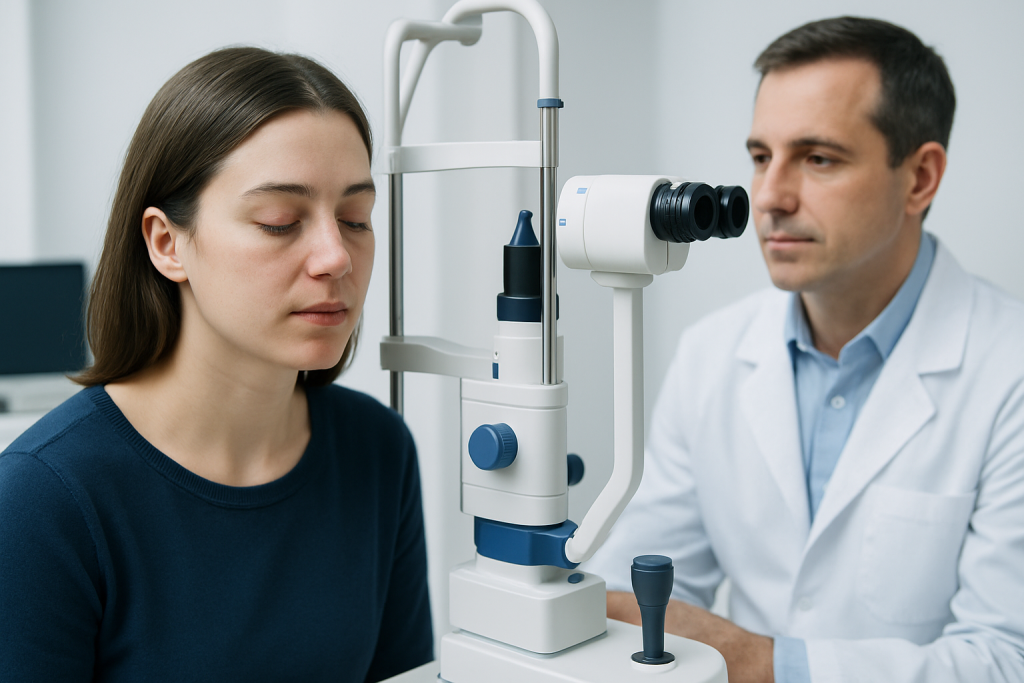
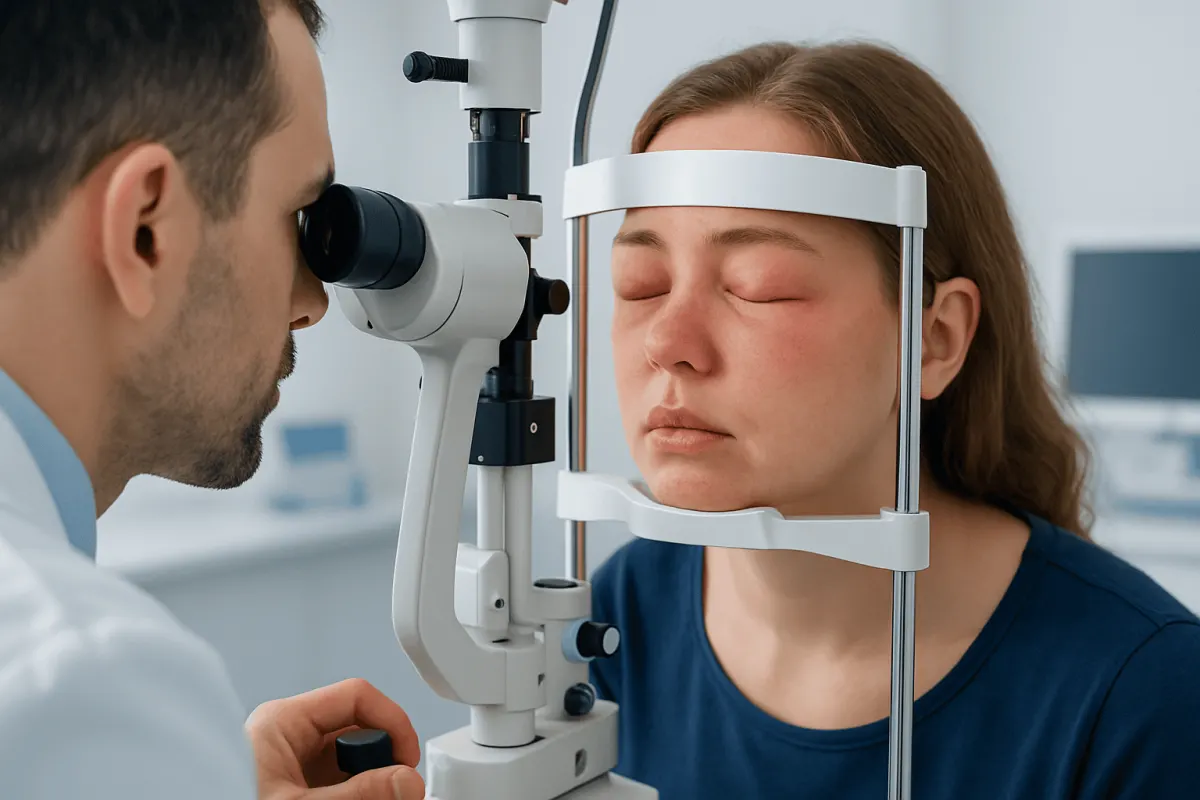
A stye usually starts as a tender bump near the edge of the eyelid. It may look like a small pimple or swollen red spot, and it often becomes more noticeable over a day or two. The area can feel sore, itchy, warm, or irritated, especially when blinking.
Some people notice tearing, a gritty sensation, light sensitivity, or crusting around the eyelid. If the swelling is larger, the eyelid may look puffy or feel heavy, and the eye can appear red even though the infection is on the lid rather than the eye itself.
Common features may include:
- Localized eyelid tenderness
- A red or yellowish bump at the lash line or within the lid
- Swelling of part of the eyelid
- Watery eyes or mild irritation
- Crusting, especially after sleep
If the bump is firm, less painful, and lingers longer, it may be a chalazion rather than a stye. A specialist can help distinguish the two, since the management approach is slightly different.
Causes & Risk Factors

Most styes develop when an oil gland in the eyelid or a lash follicle becomes blocked and then infected. The body responds with inflammation, which creates the familiar swollen, tender lump. In many cases, everyday skin bacteria are enough to trigger the process once the gland opening is blocked.
Certain habits and conditions make styes more likely. These include touching or rubbing the eyes frequently, not removing eye makeup properly, using old or contaminated cosmetics, wearing contact lenses with imperfect hygiene, or having blepharitis, rosacea, or seborrheic skin conditions. Stress and poor sleep may not directly cause a stye, but they can make skin and eyelid care harder to maintain.
Risk may also rise when someone has had styes before, since the eyelid margin can remain prone to blockage and irritation. In this sense, repeated styes are often less about “catching” the problem from another person and more about the eyelid environment and hygiene patterns that let bacteria thrive.
Diagnosis
Doctors usually diagnose a stye by examining the eyelid and asking about the symptoms, their timing, and whether the person has had similar episodes before. In many cases, no special test is needed because the appearance is distinctive.
An eye specialist may also check whether the lump is actually a chalazion, an infected tear duct issue, blepharitis, or another eyelid condition. This is especially important if the swelling is diffuse rather than focal, if the eyelid is very red, or if the pain is spreading beyond the bump itself.
For patients seeking care while traveling or after arriving in a new country, an in-person exam is helpful because eyelid problems can be difficult to judge from a photo alone. A careful evaluation supports the right treatment and helps rule out rarer but more serious causes of eyelid swelling.
Treatment Options
Most styes improve with conservative care. Warm compresses are often the first step because heat helps soften the blocked material and encourages natural drainage. The compress should be gentle and comfortable rather than hot, and it is usually applied several times a day for short periods.
Keeping the eyelid clean is also important. A doctor may recommend gentle lid hygiene, and in some cases an antibiotic ointment or drops may be used if the infection seems more significant or if the stye is not settling. Oral antibiotics are less common, but they may be considered when infection extends beyond the lid margin or when there is surrounding skin involvement.
What should generally be avoided is squeezing, popping, or trying to lance the stye at home. That can push bacteria deeper, increase swelling, and delay healing. If a stye becomes recurrent or does not improve, an eye doctor may need to drain it or investigate the underlying cause.
Prevention & Self-care
Prevention starts with reducing transfer of bacteria to and from the eyelids. Washing hands regularly, avoiding eye rubbing, and not sharing towels, pillowcases, or eye makeup are simple but effective habits. Makeup should be replaced if it is old or contaminated, and contact lenses should be cleaned and stored exactly as recommended.
People who are prone to styes often benefit from regular eyelid hygiene, especially if blepharitis is present. That may include gentle lid cleansing and careful removal of debris along the lash line. If a person has rosacea or oily skin, managing the skin condition can also help keep the eyelid margins calmer.
When traveling, a few practical steps can reduce the chance of flare-ups:
- Pack personal eye products instead of borrowing them
- Carry clean tissues or cotton pads for gentle lid care
- Replace contact lens solutions as advised
- Avoid applying eye makeup over irritated lids
These routines do not guarantee prevention, but they can lower the chance of irritation and bacterial spread, especially during busy travel schedules when hygiene habits are easy to overlook.
When to See a Doctor
Medical review is appropriate if a stye becomes very swollen, spreads across the eyelid, or is accompanied by fever, significant pain, or vision changes. These features may suggest that the infection is affecting nearby tissues and needs prompt assessment.
A doctor should also be consulted if the lump lasts longer than expected, keeps coming back, or appears in the same location repeatedly. Recurrent eyelid lumps sometimes point to chronic eyelid inflammation, a blocked gland, or another issue that needs targeted treatment.
Anyone who wears contact lenses and develops a painful red eyelid should be more cautious, because eye surface irritation and infection can sometimes occur together. When in doubt, an eye specialist can clarify whether the problem is a simple stye, a chalazion, or something that needs more active treatment.
For international patients, Acibadem Health Point offers multidisciplinary specialists and JCI-accredited hospitals that diagnose and treat eye conditions, including styes, for patients traveling from abroad. A timely consultation can provide reassurance, a clear treatment plan, and follow-up guidance before returning home.
Frequently asked questions
01Is a stye communicable to other people?
A stye itself is not usually considered highly contagious. However, the bacteria that contribute to it can be transferred through hands, towels, makeup, or other shared items, so good hygiene is important.
02Can I touch someone with a stye and catch it?
Ordinary close contact is not typically how styes spread. The greater risk comes from touching infected secretions and then touching your own eyes without washing hands.
03Should a stye be popped to make it go away faster?
No, it is best not to squeeze or pop a stye at home. That can worsen inflammation, spread bacteria, and delay healing; warm compresses are safer first-line care.
04How long does a stye usually last?
Many styes improve within several days to a couple of weeks with proper care. If it is not improving or keeps returning, an eye doctor should evaluate it.
05What is the difference between a stye and a chalazion?
A stye is usually tender, red, and more likely to involve infection, while a chalazion is often firmer and less painful. A clinician can tell the difference on examination.
06Can contact lenses make a stye worse?
Contact lens use can irritate the eye area if hygiene is not careful, and lenses should usually be avoided until the eyelid heals. A doctor can advise when it is safe to restart them.
This article is for general information only and is not a substitute for professional medical advice. Please consult a qualified doctor about your individual situation.
Explore treatments in Turkey — costs, top hospitals & a free quote
JCI-accredited · board-certified surgeons · reply within 24h
Add us as a Preferred Source to see more of our trusted health content across Google Search, AI Overviews and Discover.

How can we help you today?
Meet an Acibadem specialist by secure video, before you travel.
Book a video visit