How to Relieve Burning, Watery Eyes Safely

Burning watery eyes are often caused by temporary irritation, allergies, dry eye disease, or exposure to wind, smoke, screens, and contact lenses. Relief usually begins with gentle eye care and identifying the trigger, while severe pain, light sensitivity, injury, or vision changes should be assessed promptly by an eye doctor.
Overview: How to Cure Burning Watery Eyes
How to cure burning watery eyes depends on what is irritating the eye surface. In many cases, the symptom is temporary and improves by rinsing away an irritant, taking a break from screens or contact lenses, using preservative-free lubricating eye drops, and avoiding known allergy triggers. However, there is no single treatment that is right for every cause, so persistent or recurrent symptoms are best evaluated by an eye care professional.
Tears protect the eyes by washing away dust, supporting clear vision, and keeping the surface of the eye moist. When the eye becomes dry, inflamed, or exposed to an irritant, it may produce extra watery tears as a protective reflex. This means that watery eyes can sometimes be a sign of dryness, rather than excess tear production.
Most mild symptoms are not dangerous, especially when they occur after wind exposure, prolonged screen use, smoke, or seasonal allergies. Still, burning and tearing accompanied by significant pain, reduced vision, a chemical splash, an eye injury, or difficulty keeping the eye open needs prompt medical assessment.
Why Eyes Can Burn and Water at the Same Time
The front surface of the eye is covered by a thin tear film made of oil, water, and mucus. Each layer has a role in keeping tears stable. If this tear film evaporates too quickly or does not spread evenly, the eye surface can become irritated. The nervous system then signals the tear glands to release a large amount of reflex tears, which may spill over the eyelids but do not adequately correct the underlying dryness.
Environmental factors can also disrupt the eye surface. Wind, air conditioning, heating, cigarette smoke, dust, pool chlorine, cosmetic products, and air pollution may cause short-lived burning and watering. Long periods of reading, driving, or digital screen use can contribute because people naturally blink less often during focused tasks.
The pattern of symptoms can offer useful clues. Itching commonly points toward allergy, while a gritty or sandy feeling may occur with dry eyes or eyelid inflammation. Thick discharge and eyelids stuck together on waking can occur with some eye infections. A feeling that something is trapped in the eye may indicate a foreign body, a scratch on the cornea, or a contact lens-related problem.
Common Causes and Risk Factors

Dry eye disease is one of the most frequent explanations for burning, stinging, fluctuating vision, and watery eyes. It becomes more likely with increasing age, hormonal changes, certain medicines, autoimmune conditions, previous eye surgery, and long screen sessions. Contact lens use, especially when lenses are worn for too long or are not cleaned as directed, can further irritate a dry eye surface.
Eye allergies, also called <a href="https://acibademhealthpoint.com/diseases/allergic-conjunctivitis/”>allergic conjunctivitis, may cause itching, redness, swelling, burning, and clear tearing. Common triggers include pollen, dust mites, mold, and animal dander. Both eyes are often affected, although symptoms may be worse on one side. Rubbing the eyes can temporarily feel soothing but can increase inflammation and discomfort.
Other possible causes include viral or bacterial conjunctivitis, eyelid inflammation known as blepharitis, blocked tear drainage, ingrown eyelashes, and exposure to irritant substances. Less commonly, burning eyes can result from a corneal abrasion, corneal infection, inflammation inside the eye, or another condition that requires prompt specialist care. People who wear contact lenses should take new redness, pain, or light sensitivity particularly seriously because corneal infections need early treatment.
- Wind, smoke, dust, chlorine, and air conditioning
- Seasonal or indoor allergies
- Dry eye disease and reduced blinking during screen use
- Cosmetics, facial cleansers, or eye products that irritate the eye
- Contact lens overuse, poor fit, or poor lens hygiene
- Eyelid inflammation, infection, or tear drainage problems
Safe Steps for Relief at Home
For mild symptoms without warning signs, the first step is to remove or avoid the likely trigger. Moving away from smoke or wind, taking a screen break, and blinking fully can help restore comfort. If dust, makeup, or another non-chemical irritant may be present, the eye can be gently rinsed with clean water or sterile saline. Hands should be washed before touching the eye area.
Preservative-free artificial tears may soothe dryness and dilute irritants. A cool, clean compress over closed eyelids can be helpful for allergy-related itching and puffiness. For dry, crusted eyelids, a warm compress and gentle eyelid hygiene may be more appropriate. A pharmacist or clinician can advise on suitable allergy eye drops when allergies are suspected, particularly for people who are pregnant, have glaucoma, or use other eye medicines.
It is sensible to stop wearing contact lenses until the eye feels fully normal and a clinician has advised that it is safe to restart them if symptoms were substantial. Contact lenses should never be rinsed or stored in tap water. Redness-relieving drops that constrict blood vessels may make eyes look less red for a short time, but regular use can cause rebound redness and does not treat the underlying problem.
People should not use leftover antibiotic, steroid, or anesthetic eye drops without medical advice. Steroid drops can worsen some infections and may raise eye pressure when used inappropriately. Pain-numbing drops are not safe for home use because they can mask injury and delay healing.
How a Doctor Identifies the Cause
An eye doctor will usually begin by asking when the burning and tearing started, whether one or both eyes are affected, and whether there is itching, discharge, pain, light sensitivity, blurred vision, or recent exposure to an irritant. Information about contact lens wear, current medicines, allergies, eye surgery, and general health conditions can also be important.
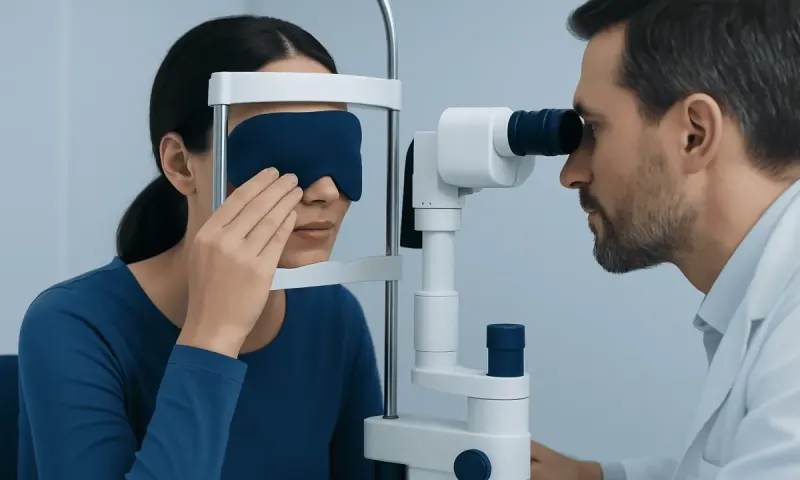
The examination may include checking visual acuity, looking at the eyelids and eye surface, and assessing how tears are produced and drain away. Fluorescein dye, a harmless dye placed in the eye, can highlight dry areas, scratches, ulcers, or other corneal changes under a blue light. The clinician may also turn the upper eyelid gently to check for a trapped particle.
Testing is not always needed for a brief, mild episode. If symptoms persist, recur, or are more severe, the findings help distinguish dry eye disease, allergy, infection, eyelid disease, or problems with tear drainage. Treatment can then be directed at the cause rather than only suppressing the tearing.
Treatment Options and Ongoing Eye Care
When dry eye disease is responsible, treatment may include regular lubricating drops, gels or ointments at night in selected cases, eyelid care, and adjustments to environmental or screen habits. A clinician may recommend additional treatments if symptoms are persistent, such as therapies targeting eyelid oil glands or prescription medicines that reduce eye surface inflammation. The best approach depends on the type and severity of dry eye.
Allergy-related symptoms are usually managed by reducing exposure to the trigger where practical and using appropriate anti-allergy treatments. Infectious conjunctivitis may need different management depending on whether it is viral, bacterial, or related to another cause. Antibiotics do not help viral infections or allergies, so they should be used only when prescribed.
Eyelid inflammation often improves with consistent warm compresses and lid hygiene, while a blocked tear duct or eyelash problem may need an eye specialist’s care. If a foreign body, corneal scratch, or contact lens complication is suspected, treatment focuses on protecting the cornea and preventing infection. Acıbadem Health Point’s multidisciplinary specialists and JCI-accredited hospitals can assess and treat eye conditions for international patients when specialist evaluation is needed.
For long-term comfort, people can follow the 20-20-20 approach during close visual work: every 20 minutes, look about 20 feet away for 20 seconds and blink several times. Using a humidifier in dry indoor spaces, directing fans away from the face, wearing protective eyewear outdoors, and maintaining good contact lens hygiene may also reduce future episodes.
When to Seek Medical Care
Medical review is appropriate when burning and watery eyes do not improve after a few days of simple measures, keep returning, interfere with daily activities, or occur alongside persistent redness, discharge, swollen eyelids, or a sensation of something in the eye. An optometrist or ophthalmologist can identify causes that are not obvious from symptoms alone and recommend targeted treatment.
Urgent same-day care is important for severe eye pain, decreased or suddenly blurred vision, marked sensitivity to light, an eye injury, a chemical splash, inability to open the eye, or a visible object embedded in the eye. Following a chemical exposure, the eye should be rinsed immediately with clean running water for at least 15 minutes while arranging urgent medical help; contact lenses should be removed during rinsing if they come out easily.
Contact lens wearers should seek prompt care for a painful red eye, light sensitivity, discharge, or reduced vision, even if symptoms seem mild at first. These features can occasionally signal a corneal infection, which requires timely assessment to protect sight.
Frequently asked questions
01What is the fastest way to relieve burning watery eyes?
For mild irritation, stop exposure to the suspected trigger, avoid rubbing the eyes, and use preservative-free lubricating drops. A cool compress can help when itching or allergy symptoms are present. Remove contact lenses and do not wear them again until symptoms have settled or a clinician has advised it is safe.
02Can dry eyes really cause watery eyes?
Yes. When the eye surface is dry or unstable, it can become irritated and trigger a burst of reflex tears. These tears may overflow, but they may not contain the balanced oil, water, and mucus layers needed to keep the eye comfortably lubricated.
03Are burning watery eyes usually caused by allergies?
Allergies are a common cause, particularly when itching, clear tearing, sneezing, or nasal symptoms occur at the same time. However, dry eye disease, irritants, eyelid inflammation, and infections can cause similar symptoms. A clinician can help distinguish these causes if symptoms continue.
04Should eye drops be used for red, burning eyes?
Artificial tears are generally useful for mild dryness and irritation. It is best to avoid frequent use of drops marketed only to remove redness, as they can lead to rebound redness. Antibiotic or steroid drops should only be used after assessment and prescription by a qualified clinician.
05When are watery burning eyes an emergency?
Urgent assessment is needed if there is severe pain, vision loss or new blurring, strong light sensitivity, injury, chemical exposure, or a suspected object in the eye. A painful red eye in a contact lens wearer also needs prompt medical attention. These symptoms may indicate a problem involving the cornea or deeper structures of the eye.
06How long should burning watery eyes last?
Symptoms from a minor irritant may improve within hours after the trigger is removed. Allergy or dry eye symptoms can last longer and may recur until they are managed consistently. If symptoms persist beyond a few days, worsen, or return often, an eye examination is advisable.
This article is for general information only and is not a substitute for professional medical advice. Please consult a qualified doctor about your individual situation.
Explore treatments in Turkey — costs, top hospitals & a free quote
JCI-accredited · board-certified surgeons · reply within 24h
Add us as a Preferred Source to see more of our trusted health content across Google Search, AI Overviews and Discover.