Eyelid Pain When Blinking: Causes and Warning Signs
Eyelid pain when blinking commonly happens when the eyelid edge, lashes, tear film, or eye surface is irritated. Minor causes often improve with gentle care, but worsening pain, significant swelling, light sensitivity, vision changes, or an eye injury should be assessed promptly by an eye care professional.
What eyelid pain when blinking can mean
Eyelid pain when blinking usually means that movement of the lid is rubbing against an irritated area. The source may be the eyelid skin or edge, an eyelash follicle, the glands that make the oily part of tears, or the clear surface of the eye called the cornea. Pain may feel like tenderness of the lid, a scratchy sensation, burning, or the feeling that something is caught in the eye.
Many cases are related to temporary irritation, dry eye, or a blocked eyelid gland and are not dangerous. However, blinking pain is different from ordinary tired eyes when it is intense, persists, or occurs with notable redness, discharge, swelling, light sensitivity, or blurred vision. These features may point to an eye-surface problem or infection that needs an examination.
It can be helpful to notice whether the discomfort is in one eye or both, whether there is a visible bump, and whether pain is felt on the lid itself or deeper in the eye. This information can help an ophthalmologist or optometrist identify the likely cause and recommend appropriate treatment.
Common triggers: from dry eye to a blocked eyelid gland
Dry eye is a frequent trigger for discomfort during blinking. Tears normally create a smooth protective layer over the eye. When this layer is unstable or insufficient, blinking may feel rough or burning. Dry air, air conditioning, prolonged screen use, smoke, wind, certain medicines, aging, and some health conditions can contribute. Symptoms may include grittiness, fluctuating vision, watering, or discomfort that becomes worse later in the day.
Blepharitis is inflammation along the eyelid margins, often associated with skin conditions, bacteria normally present on the skin, or dysfunction of the oil-producing meibomian glands. It may cause crusting at the lashes, itching, redness, burning, and eyelids that feel sore when they close. Blepharitis is often recurring, but regular lid care can help control symptoms.
A stye, also called a hordeolum, is a tender, red lump caused by inflammation or infection around an eyelash follicle or eyelid gland. It may be painful before a clear bump is visible. A chalazion is another type of eyelid lump caused by a blocked oil gland; it is often less painful than a stye but can become tender if inflamed.
Other common triggers include an inward-growing eyelash, eye makeup or skin-care irritation, seasonal allergies, rubbing the eyes, and a tiny particle trapped beneath the lid. Contact lenses can also cause pain if they are damaged, worn too long, used with poor hygiene, or worn while the eye is dry or inflamed.
Less common causes that need closer attention

Sometimes painful blinking is caused by a problem on the eye surface rather than the eyelid alone. A corneal abrasion is a scratch on the cornea that can occur after rubbing the eye, contact lens trauma, or exposure to dust or debris. It commonly causes a strong foreign-body sensation, tearing, redness, and sensitivity to light. Because the cornea is sensitive, even a small injury can be quite painful.
Conjunctivitis, commonly known as pink eye, may cause redness, irritation, tearing, or discharge. Viral forms often occur with cold-like symptoms and can spread easily. Bacterial conjunctivitis may produce thicker discharge, while allergic conjunctivitis more often causes intense itching in both eyes. An examination is useful when the cause is unclear, symptoms are significant, or contact lenses are involved.
Infection of the tissues around the eye can cause increasing eyelid redness and swelling. Preseptal cellulitis affects the eyelid and surrounding skin, whereas orbital cellulitis is a more serious infection involving deeper tissues around the eye. Pain when moving the eye, reduced vision, fever, bulging of the eye, or difficulty opening the eye are warning signs requiring urgent medical assessment.
Rarely, repeated pain in a particular area can be related to eyelid skin disorders, nerve-related pain, or a persistent eyelid lesion. A lump that does not resolve, repeatedly returns in the same place, bleeds, loses eyelashes, or changes in appearance should be checked by an ophthalmologist.
Clues that can help identify the cause
The pattern of symptoms offers useful clues, although it cannot replace an eye examination. A focal, tender bump near the eyelashes suggests a stye. Crusting, oily flakes, and irritation affecting both eyelid margins are more consistent with blepharitis. Burning, grittiness, and symptoms that worsen with screens or dry environments may suggest dry eye.
A sensation of something sharp in the eye, especially after gardening, cleaning, sports, or working with dust, may indicate a foreign body or scratch. Pain accompanied by marked redness, light sensitivity, or blurred vision is more concerning for corneal involvement, inflammation inside the eye, or another condition that should be assessed without delay.
Discharge can also be informative. Clear tearing may occur with dryness, irritation, allergies, or a scratch. Thick or sticky discharge can occur with infection, although discharge alone does not identify the cause. Itching is more typical of allergies than of a stye or corneal injury.
People who wear contact lenses should take painful blinking seriously, particularly if there is a red eye or reduced vision. Contact lens use increases the risk of corneal infection, which needs prompt diagnosis and prescription treatment to protect vision.
How clinicians assess painful blinking
An eye care clinician will usually ask when the pain began, whether it affects one or both eyes, and whether there has been an injury, illness, new cosmetic product, or contact lens use. They may ask about discharge, itching, light sensitivity, vision changes, and previous episodes. It is useful to bring contact lens details and any eye drops currently being used.
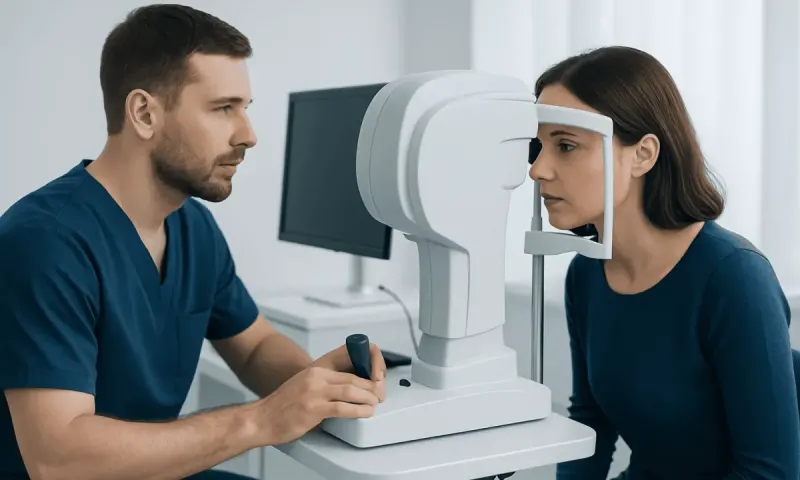
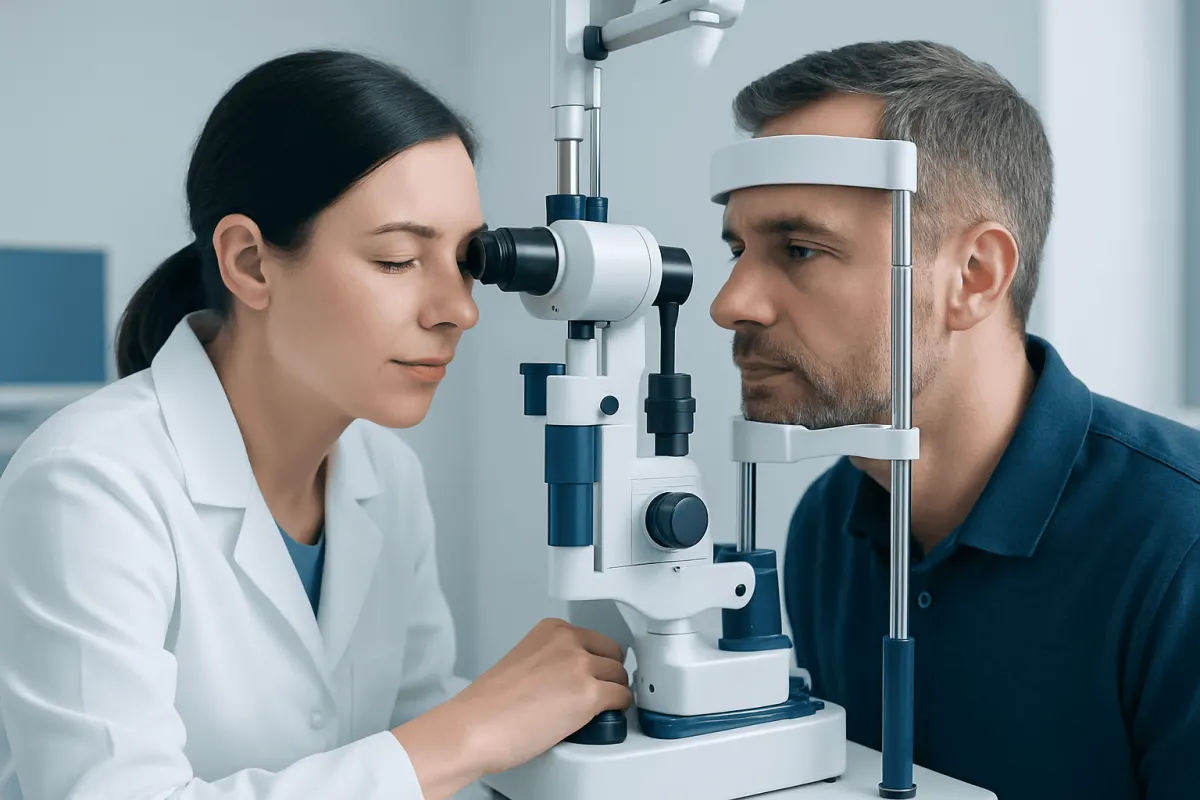
The examination may include checking visual acuity, looking at the eyelid skin and lashes, and assessing eye movements and pupil reactions. The clinician may gently turn the upper eyelid to look for a trapped particle. A slit-lamp examination provides a magnified view of the eyelid margins, tear film, conjunctiva, and cornea.
Fluorescein dye may be placed in the eye to reveal a scratch, foreign body, or areas where the corneal surface is damaged. This test is quick and generally causes little discomfort. If infection is suspected, further testing is occasionally needed, especially for severe, recurrent, or contact lens-related symptoms.
Safe self-care and treatment options
For mild eyelid discomfort without vision changes or severe redness, avoiding eye rubbing is an important first step. Hands should be washed before touching the eye area, and eye makeup and contact lenses should be paused until symptoms have settled or a clinician advises that they can be resumed. Preservative-free lubricating eye drops may help dryness or a mild gritty sensation, but they do not treat every cause of pain.
A clean warm compress placed over a closed eyelid for several minutes can help soften blocked oil gland secretions and ease discomfort from a stye or meibomian gland dysfunction. Gentle eyelid cleansing may be recommended for blepharitis. The eyelid should not be squeezed, punctured, or aggressively scrubbed, as this can worsen inflammation or spread infection.
Treatment depends on the underlying cause. Clinicians may recommend targeted lid hygiene, lubricating drops, allergy management, or prescription medicine when appropriate. A corneal scratch, suspected infection, or significant inflammation may require urgent eye-specific treatment. Antibiotic drops or ointments should only be used when prescribed, as they are not helpful for every type of red or painful eye.
Reducing screen-related dryness may also help: taking regular visual breaks, blinking deliberately, staying hydrated, and limiting direct airflow from fans or vents. Acıbadem Health Point’s multidisciplinary specialists and JCI-accredited hospitals can assess persistent eye symptoms and coordinate care for international patients when needed.
When to seek medical care
Medical advice should be sought within a short time if eyelid pain lasts more than a few days, keeps returning, or is associated with a growing lump, persistent crusting, discharge, or swelling. An eye professional should also assess symptoms in anyone who wears contact lenses and develops a painful red eye, as prompt treatment may be important.
Urgent assessment is needed for severe eye pain, sudden or worsening vision changes, pronounced light sensitivity, inability to keep the eye open, pain with eye movement, fever with eyelid swelling, or an eye that appears to bulge. These symptoms can indicate a problem beyond simple eyelid irritation.
Emergency care is appropriate after chemical exposure, a penetrating eye injury, or high-speed trauma such as metal or glass injury. The eye should be rinsed immediately with clean running water after chemical exposure while urgent help is arranged. Do not attempt to remove an embedded object or apply pressure to an injured eye.
Frequently asked questions
01Why does my eyelid hurt only when I blink?
Blinking moves the eyelid over the eye surface, so pain may occur when there is a tender eyelid gland, irritated lash line, dry eye, or small scratch on the cornea. A trapped eyelash or particle can also cause pain mainly during blinking. If the sensation is sharp, persistent, or associated with light sensitivity or blurred vision, an eye examination is advisable.
02Can dry eyes cause eyelid pain when blinking?
Yes. When the tear film does not adequately lubricate the eye, blinking can feel rough, burning, or scratchy. Dry eye may be more noticeable after screen use, in air-conditioned rooms, or in windy conditions. Lubricating drops may help, but persistent symptoms should be discussed with an eye care professional.
03How can a person tell the difference between a stye and a chalazion?
A stye is usually a painful, red, tender bump near the eyelashes and may develop relatively quickly. A chalazion is typically a firmer, deeper eyelid lump caused by a blocked oil gland and is often less painful. Both should be assessed if they persist, recur, or affect vision.
04Should contact lenses be worn when blinking is painful?
Contact lenses should be removed when there is eye pain, redness, discharge, or reduced vision. Continuing to wear lenses can worsen irritation and may delay recognition of a corneal infection. Lenses should not be worn again until symptoms resolve and an eye professional confirms it is safe, particularly if infection is suspected.
05Is it safe to use warm compresses for eyelid pain?
A clean, comfortably warm compress can be useful for mild stye-related tenderness or blocked eyelid glands. It should not be hot enough to burn the skin, and the eyelid should not be squeezed afterward. Increasing swelling, spreading redness, fever, or worsening pain needs medical evaluation rather than continued home care alone.
06When is eyelid pain when blinking an emergency?
It is an emergency when it follows chemical exposure or a serious injury, or when it occurs with sudden vision loss, severe pain, marked light sensitivity, fever, eye bulging, or difficulty moving the eye. These symptoms may signal a serious injury or infection. Prompt emergency assessment helps protect eye health and vision.
This article is for general information only and is not a substitute for professional medical advice. Please consult a qualified doctor about your individual situation.
Hair transplant in Turkey — costs, graft counts & a free assessment
JCI-accredited · board-certified surgeons · reply within 24h
Add us as a Preferred Source to see more of our trusted health content across Google Search, AI Overviews and Discover.