Aortic Aneurysm: Symptoms, Causes and Treatment

Key Takeaways
- An aortic aneurysm is a weakened, widened area in the aorta that may develop in the chest or abdomen.
- Small aneurysms often cause no symptoms, so they are sometimes discovered during scans done for another reason.
- Smoking, high blood pressure, older age, and certain inherited conditions can raise the risk.
- Diagnosis usually relies on imaging such as ultrasound, CT, MRI, or echocardiography depending on the aneurysm’s location.
- Treatment may involve careful monitoring, blood pressure control, lifestyle changes, or surgery when the aneurysm is large or growing.
- Sudden severe chest, back, abdominal, or leg pain needs urgent medical attention because it can signal a rupture or dissection.
An aortic aneurysm is a bulge in the aorta, the body’s main artery, that can grow quietly over time. Many people have no symptoms until the aneurysm is found on imaging, which is why knowing the risk factors and warning signs matters.
Overview
An aortic aneurysm is a localized widening of the aorta, the large artery that carries blood from the heart to the rest of the body. When the wall of this vessel becomes weakened, it can stretch and form a bulge. The condition may involve the abdominal aorta, which runs through the belly, or the thoracic aorta, which passes through the chest.
What makes this condition important is not only its size, but also its behavior over time. Some aneurysms remain stable for years, while others enlarge gradually and need closer follow-up. In international-patient care, this often means coordinating imaging, specialist review, and a clear plan that can continue safely after the person returns home.
Many aortic aneurysms are found before they cause symptoms. That is helpful, because timely monitoring or treatment can lower the chance of serious complications. A calm, step-by-step approach is usually the best way to think about this diagnosis.
Symptoms

Small aortic aneurysms often do not cause any noticeable symptoms. For that reason, a person may feel entirely well and still have an aneurysm that is slowly changing. This is one reason imaging findings are so important in deciding next steps.
When symptoms do appear, they depend on the aneurysm’s location and size. An abdominal aortic aneurysm may cause a deep, persistent pain in the abdomen, back, or side, or a sense of pulsation in the belly. A thoracic aortic aneurysm may lead to chest pain, back pain, hoarseness, cough, or shortness of breath if nearby structures are affected.
Some symptoms suggest an emergency rather than a routine appointment. Sudden, severe chest, back, abdominal, or leg pain; fainting; dizziness; or signs of shock can occur if an aneurysm leaks, ruptures, or is associated with an aortic dissection. These symptoms need immediate medical care.
Causes & Risk Factors
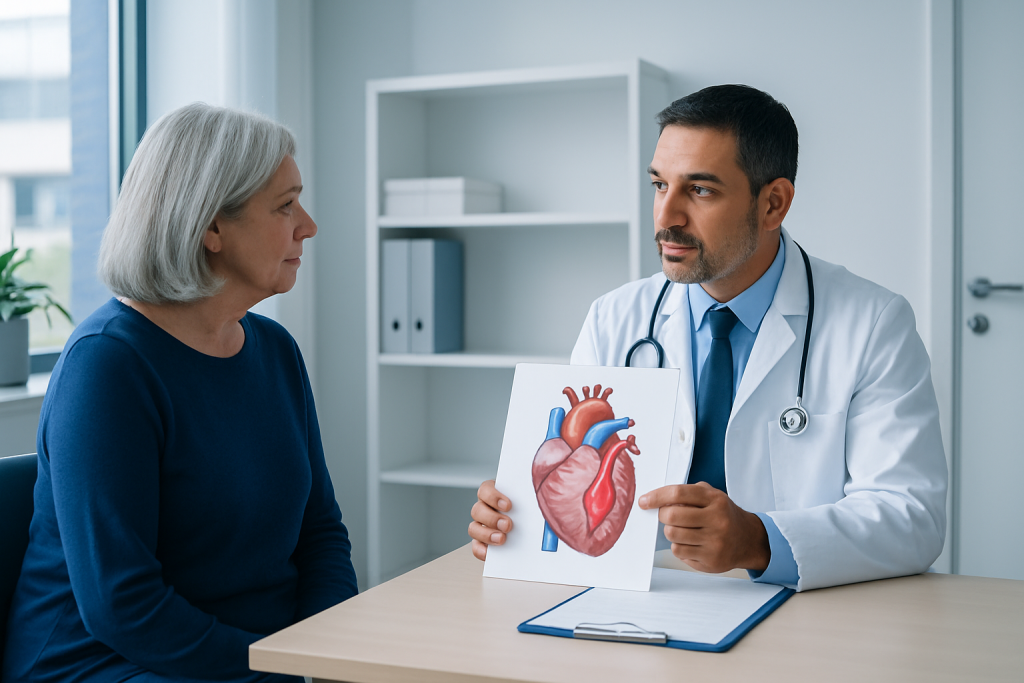
An aneurysm develops when the aortic wall loses strength over time. That weakening can be related to atherosclerosis, long-term high blood pressure, inherited connective tissue conditions, inflammation, or injury to the vessel wall. In many people, there is no single cause that explains it fully.
Certain factors make an aneurysm more likely. These include older age, smoking, hypertension, a family history of aortic aneurysm, male sex, and a history of other blood vessel disease. Some inherited conditions, such as Marfan syndrome, Loeys-Dietz syndrome, or vascular Ehlers-Danlos syndrome, can also increase risk, especially for thoracic aneurysms.
Risk does not mean certainty. Many people with one or more risk factors never develop an aneurysm, while others without obvious risk factors still do. What matters most is whether the aorta has already changed and whether it is growing.
Diagnosis
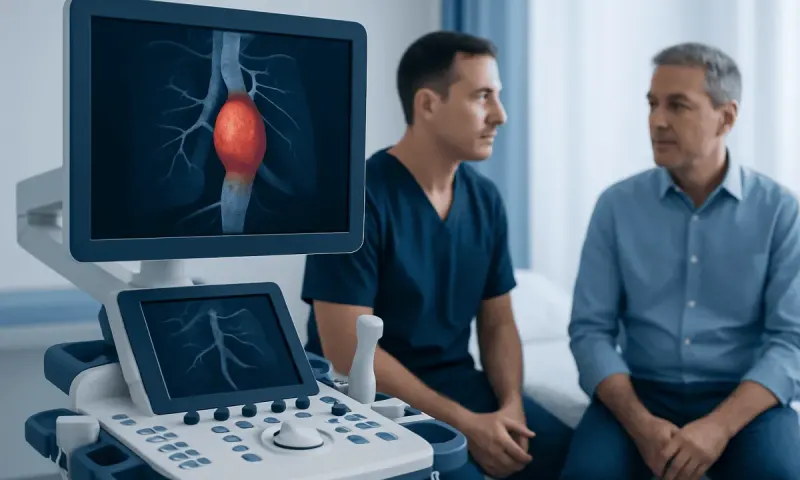
Diagnosis often begins when a clinician notices a risk factor, hears a murmur, feels an abdominal pulsation, or sees an unexpected finding on another scan. From there, imaging is used to learn the aneurysm’s exact location, size, and shape. These details guide the treatment plan more than the name of the condition alone.
Ultrasound is commonly used for abdominal aortic aneurysms because it is simple and does not involve radiation. CT angiography gives detailed information about the aorta and is especially helpful when surgeons are planning treatment. MRI may be used in some situations, particularly when repeated imaging is needed or CT is less suitable. Echocardiography can help assess the ascending aorta near the heart.
Doctors may also review blood pressure, cholesterol, smoking history, family history, and symptoms. In some cases, genetic evaluation is considered, especially when aneurysm occurs at a younger age or there are signs of an inherited aortic disorder.
Treatment Options
Treatment depends on the aneurysm’s size, growth rate, location, and the person’s overall health. Not every aneurysm needs an operation right away. Some are best managed with scheduled surveillance, blood pressure control, smoking cessation, and treatment of other cardiovascular risk factors.
When an aneurysm becomes large, grows quickly, causes symptoms, or has a higher risk of rupture, repair may be recommended. For abdominal aneurysms, this may involve open surgery or endovascular aneurysm repair, depending on anatomy and the individual’s condition. Thoracic aneurysms may also be treated with open repair or, in selected cases, stent-based endovascular techniques.
The choice of treatment is highly individualized. For an international patient, planning also includes coordinating preoperative imaging, anesthetic assessment, language support when needed, and a follow-up schedule that can be shared with the home-country physician. The goal is not only successful treatment, but also a smooth recovery plan that is realistic after travel.
Prevention & Self-care
Not every aneurysm can be prevented, especially when genes or anatomy play a major role. Even so, lifestyle and medical management can reduce strain on the aorta and support overall vascular health. These measures are particularly important for people who already have an aneurysm being monitored over time.
Helpful self-care steps include quitting smoking, keeping blood pressure under control, following a heart-healthy diet, staying physically active in ways approved by a clinician, and taking prescribed medicines consistently. People with a known aneurysm are usually advised to avoid sudden heavy lifting or intense strain unless their specialist says otherwise.
- Attend all scheduled imaging follow-ups, even if symptoms are absent.
- Bring a written list of medications and previous scans when seeking care abroad.
- Ask the care team which activities are safe during travel and recovery.
- Seek urgent help if new severe pain or fainting occurs.
Good self-care is less about dramatic restrictions and more about consistency. Small, steady habits can make follow-up safer and help clinicians detect change early.
When to See a Doctor
A person should see a doctor if they have risk factors for aortic aneurysm and have not been evaluated, especially if they are older, smoke, have high blood pressure, or have a family history of aneurysm or sudden aortic disease. A planned appointment is also appropriate if an aneurysm has already been found and follow-up imaging is due.
Immediate medical attention is needed for sudden severe chest, back, abdominal, groin, or leg pain; fainting; severe dizziness; breathlessness with pain; or any symptom that suggests the aneurysm may have leaked or ruptured. These are emergency warning signs and should not wait for a routine visit.
People traveling internationally for care should seek a center that can review their prior imaging, explain the findings clearly, and coordinate next steps before and after the trip. Acibadem Health Point’s multidisciplinary specialists and JCI-accredited hospitals diagnose and treat aortic aneurysm for international patients, with attention to both medical planning and continuity of care.
Frequently asked questions
01What is the difference between an abdominal and thoracic aortic aneurysm?
An abdominal aortic aneurysm forms in the part of the aorta that runs through the belly, while a thoracic aortic aneurysm forms in the chest. The symptoms, imaging tests, and treatment planning can differ based on location. Both types deserve careful follow-up because size and growth rate influence risk.
02Can an aortic aneurysm cause no symptoms?
Yes, many aortic aneurysms cause no symptoms at all, especially when they are small. They are often found during imaging done for another reason or through screening in higher-risk groups. That is why regular follow-up can be so important.
03How is an aortic aneurysm usually monitored?
Monitoring is typically done with imaging at intervals chosen by the clinician based on aneurysm size and location. Ultrasound, CT, MRI, or echocardiography may be used depending on the part of the aorta involved. The key is to track whether the aneurysm is staying stable or changing over time.
04Does every aortic aneurysm need surgery?
No, not every aneurysm needs surgery. Smaller, stable aneurysms are often observed while risk factors are managed. Surgery is usually considered when the aneurysm becomes large, grows quickly, or causes symptoms, but the final decision depends on the individual situation.
05What should a person do if sudden severe pain starts?
Sudden severe pain in the chest, back, abdomen, groin, or leg should be treated as an emergency. The person should seek urgent medical help right away, especially if the pain comes with fainting, weakness, or breathlessness. Quick evaluation is important because these symptoms can signal a dangerous aortic event.
06Can lifestyle changes help if an aneurysm has already been found?
Yes, lifestyle changes can help reduce stress on the aorta and support cardiovascular health. Stopping smoking, controlling blood pressure, and following the clinician’s advice about activity and follow-up are especially valuable. These steps do not replace medical monitoring, but they do work alongside it.
This article is for general information only and is not a substitute for professional medical advice. Please consult a qualified doctor about your individual situation.
Joint and spine care in Turkey — expert assessment & treatment
JCI-accredited · board-certified surgeons · reply within 24h
Add us as a Preferred Source to see more of our trusted health content across Google Search, AI Overviews and Discover.