Atherosclerosis: Diagnosis, Outlook, and Modern Treatment Approaches

You can’t feel plaque building up in your arteries. It happens quietly, over years — cholesterol, fat, and inflammatory material collecting inside the artery walls, slowly narrowing the space blood has to move through. That’s atherosclerosis.
The good news? Modern care can catch it early. By diagnosing the disease before it causes trouble, controlling your risk factors, and using medicines or procedures when needed, doctors can lower your chance of heart attack, stroke, and other complications.
Overview: what atherosclerosis is and why it matters
Atherosclerosis is a condition in which plaque builds up inside the walls of arteries. This plaque is made of cholesterol, fat, inflammatory cells, calcium, and scar-like material. Over time, it can make arteries narrower and less flexible, limiting blood flow to important organs such as the heart, brain, kidneys, and legs.
You may have heard it called “hardening of the arteries.” People use the two terms interchangeably, but atherosclerosis refers specifically to plaque forming in artery walls. It usually develops slowly, over years — and because there are often no symptoms at first, many people don’t know they have it until it causes chest pain, a stroke, leg pain when walking, or another circulation problem.
Here’s the encouraging part: catch it early and treat it consistently, and the outlook often improves. We can’t always fully reverse plaque, but we can stabilize it, slow its growth, improve blood flow, and cut the risk of serious events. That’s why long-term prevention and follow-up matter so much.
How atherosclerosis affects the body
Arteries normally have a smooth inner lining that helps blood move easily. Atherosclerosis begins when that lining becomes irritated or damaged, often because of high cholesterol, high blood pressure, smoking, diabetes, or chronic inflammation. Low-density lipoprotein, often called LDL or “bad” cholesterol, can enter the artery wall and trigger an inflammatory response.
As the plaque grows, the artery becomes narrower. In some cases, blood flow decreases gradually and causes symptoms during activity, such as chest discomfort or leg cramping when walking. In other cases, a plaque can suddenly rupture. When this happens, a blood clot may form on its surface and quickly block the artery, causing a heart attack, stroke, or acute limb ischemia.
Atherosclerosis can affect different parts of the body in different ways:
- Coronary arteries: may lead to angina or heart attack.
- Carotid or brain arteries: may lead to transient ischemic attack or stroke.
- Peripheral arteries: may cause leg pain, poor wound healing, or cold feet.
- Renal arteries: may contribute to high blood pressure or reduced kidney function.
Symptoms and possible warning signs

Atherosclerosis can stay silent for a long time. Symptoms usually show up only when an artery has become significantly narrowed or blood flow is suddenly blocked. And because the warning signs depend on which arteries are involved, the condition can look very different from one person to the next.
When the heart’s arteries are affected, symptoms may include chest pressure, tightness, or discomfort during exertion, shortness of breath, unusual fatigue, or symptoms of a heart attack. When arteries supplying the brain are affected, a person may have sudden weakness, facial drooping, trouble speaking, loss of balance, or temporary vision changes. These symptoms need urgent medical evaluation.
In the legs, atherosclerosis can cause pain, heaviness, or cramping in the calf, thigh, or buttock during walking that improves with rest. Some people notice coldness in one foot, slow-healing sores, or changes in skin color. Severe or advanced disease may cause pain even at rest.
Because atherosclerosis is closely related to other vascular conditions, a doctor may also evaluate for problems such as carotid artery disease or coronary artery disease when symptoms suggest these areas are involved.
Causes and risk factors
Atherosclerosis does not have one single cause. It develops through a combination of cholesterol buildup, inflammation, injury to the artery lining, and abnormal clotting activity. The process is influenced by both inherited traits and everyday health factors, which means some risks cannot be changed while others can be improved.
Important risk factors include high LDL cholesterol, low HDL cholesterol, high blood pressure, diabetes, smoking, obesity, chronic kidney disease, physical inactivity, and an eating pattern high in saturated fats, trans fats, and highly processed foods. Age also plays a role, and risk increases over time. A family history of early heart or vascular disease can suggest inherited susceptibility.
Other factors may contribute as well, including chronic stress, poor sleep, and inflammatory conditions. Men may develop atherosclerosis earlier in life on average, but women’s risk rises after menopause. Rather than looking at one risk factor alone, doctors usually assess the person’s overall cardiovascular risk profile to guide prevention and treatment decisions.
How atherosclerosis is diagnosed
Diagnosis begins with a medical history and physical examination. A doctor asks about symptoms, smoking, blood pressure, cholesterol, diabetes, family history, and exercise tolerance. During the examination, the doctor may listen for abnormal sounds over arteries, check pulses in the legs and feet, and look for signs of reduced circulation.
Blood tests are commonly used to assess cholesterol levels, blood sugar, kidney function, and other risk markers. Depending on the symptoms and the arteries that may be involved, additional tests can help show whether blood flow is limited or plaque is present.
Common diagnostic tests may include:
- Electrocardiogram and stress testing: to evaluate possible reduced blood flow to the heart.
- Echocardiography: to assess heart function.
- Ultrasound: such as carotid ultrasound or leg artery Doppler studies.
- Ankle-brachial index: a simple comparison of blood pressure in the ankle and arm to screen for peripheral artery disease.
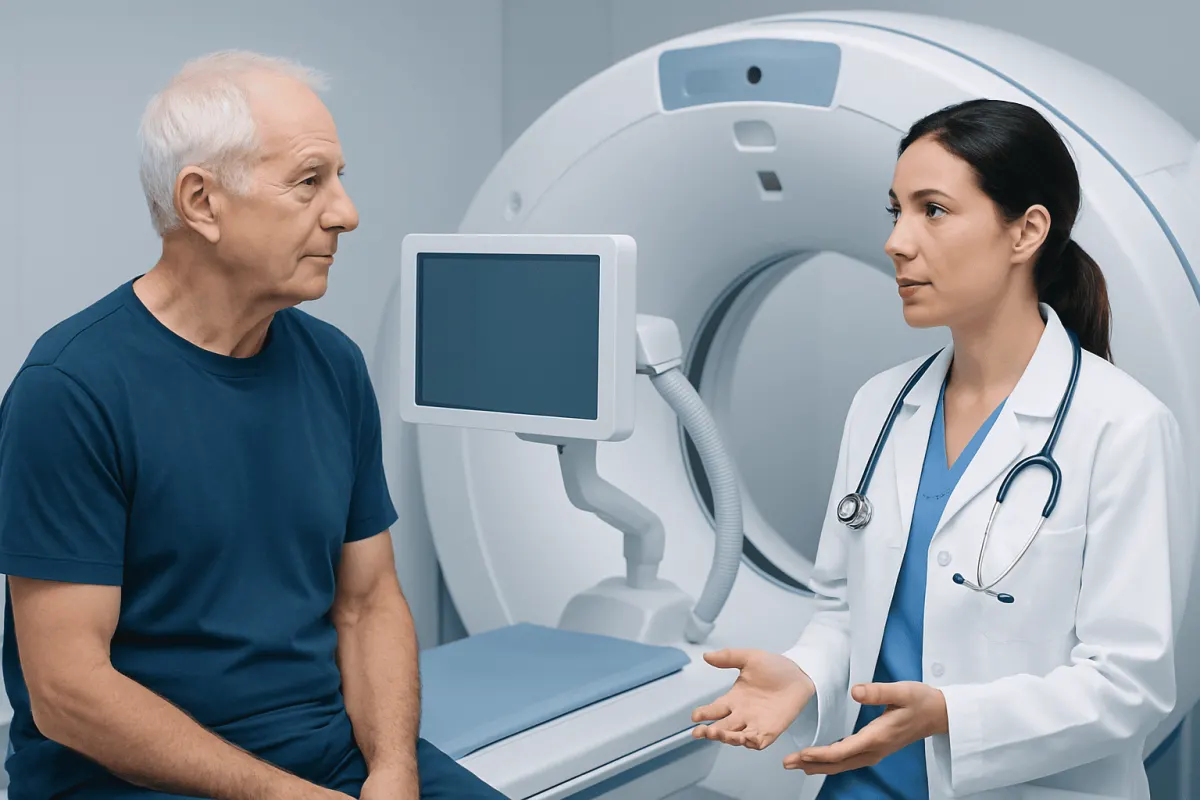
- CT angiography or MR angiography: to visualize arteries in detail.
- Coronary angiography: an invasive test used when precise information is needed, often before or during treatment.
Which test is right for you depends on your symptoms, your risk level, and your medical history. Not everyone needs advanced imaging. Often, the single most important step is simply recognizing your risk early — and starting treatment before a severe blockage develops.
Modern treatment approaches and long-term outlook
Treatment for atherosclerosis focuses on three goals: lowering the chance of heart attack or stroke, relieving symptoms, and improving long-term circulation. For most people, treatment starts with lifestyle changes and medicines. These steps can stabilize plaque and reduce the likelihood that it will rupture and form a dangerous clot.
Medications may include cholesterol-lowering therapy, medicines to control blood pressure, treatment for diabetes, and antiplatelet medicines for selected patients. The exact treatment plan depends on the arteries involved, the severity of disease, and whether the person has already had a cardiovascular event. Ongoing follow-up is important because treatment usually needs adjustment over time.
Some people need procedures to restore blood flow. In coronary artery disease, a doctor may recommend coronary angiography to define blockages more clearly and guide treatment. Depending on the findings, options can include angioplasty and stenting or coronary artery bypass surgery. In selected vascular cases outside the heart, endovascular or surgical treatments may also be considered.
The outlook varies from person to person. It depends on how widespread the disease is, which organs are affected, and how well risk factors are controlled. Many people live well for years with atherosclerosis when they stop smoking, take prescribed medication consistently, stay active, and attend regular medical review. For international patients who need coordinated evaluation and treatment, Acıbadem Health Point’s multidisciplinary specialists and JCI-accredited hospitals care for atherosclerosis and related cardiovascular conditions.
Prevention, self-care, and when to seek medical care
Whether you’re trying to avoid atherosclerosis or keep it from getting worse, prevention and self-care sit at the heart of it. There are no quick fixes here — the steps that work are steady habits that protect your arteries over time. Your doctor can help you build a plan that fits your age, symptoms, and overall risk.
Helpful measures include stopping tobacco use, following a heart-healthy eating pattern rich in vegetables, fruits, whole grains, legumes, and healthier fats, being physically active most days of the week, maintaining a healthy weight, and getting treatment for high blood pressure, diabetes, and high cholesterol. Good sleep, stress management, and regular checkups also support long-term cardiovascular health.
A person should seek prompt medical care for new chest pain, pressure, or shortness of breath with exertion; pain in the legs when walking that is getting worse; or wounds on the feet or legs that do not heal. Urgent or emergency care is needed for symptoms of heart attack or stroke, such as severe chest discomfort, sudden weakness on one side, trouble speaking, sudden confusion, or sudden vision loss.
No symptoms? You may still want to talk to a doctor about your risk if you have diabetes, high blood pressure, high cholesterol, a smoking history, kidney disease, or a strong family history of early cardiovascular disease. The sooner you’re assessed, the sooner prevention can start — and the better your long-term outlook.
Frequently asked questions
01Can atherosclerosis be reversed?
Atherosclerosis is usually considered a chronic condition that can be slowed and stabilized rather than completely erased. In some cases, intensive risk-factor control may reduce plaque burden modestly, but the main goal is to make plaque less dangerous and improve blood flow. Lifestyle changes and medication are both important.
02What is the difference between atherosclerosis and arteriosclerosis?
Arteriosclerosis is a broader term that means the arteries have become thickened or stiff. Atherosclerosis is a specific type of arteriosclerosis caused by plaque buildup inside the artery wall. In everyday conversation, people often use the terms interchangeably, but they are not exactly the same.
03Does atherosclerosis always cause symptoms?
No. Atherosclerosis often develops silently for many years and may not cause symptoms until blood flow is reduced or a plaque ruptures. That is why regular assessment of blood pressure, cholesterol, blood sugar, and other risk factors is so important.
04Who is most at risk for atherosclerosis?
Risk is higher in people with high cholesterol, high blood pressure, diabetes, smoking history, obesity, kidney disease, and a family history of early cardiovascular disease. Risk also increases with age. Often, it is the combination of several factors rather than one alone that matters most.
05How is atherosclerosis treated if there is no severe blockage?
When there is no critical blockage, treatment usually focuses on reducing cardiovascular risk. This often includes a heart-healthy lifestyle, cholesterol-lowering medication, blood pressure control, diabetes management, and sometimes antiplatelet therapy depending on the situation. Regular follow-up helps monitor progress and adjust care.
06When is surgery or a procedure needed for atherosclerosis?
A procedure may be recommended if symptoms are significant, blood flow is severely limited, or there is a high-risk blockage in an important artery. The decision depends on the location of disease, the severity of narrowing, the person’s overall health, and whether medication alone is enough. A specialist explains the risks and benefits of each option.
This article is for general information only and is not a substitute for professional medical advice. Please consult a qualified doctor about your individual situation.
Heart care in Turkey — expert evaluation and treatment
JCI-accredited · board-certified surgeons · reply within 24h
Add us as a Preferred Source to see more of our trusted health content across Google Search, AI Overviews and Discover.