Aortic Dissection: Symptoms, Causes and Treatment

Key Takeaways
- Aortic dissection occurs when a tear forms in the inner wall of the aorta and blood separates the layers of the vessel.
- Sudden, severe chest, back, or abdominal pain is a common warning sign, but symptoms can vary.
- High blood pressure, certain connective tissue disorders, and aortic aneurysm are important risk factors.
- Diagnosis usually involves urgent imaging such as CT, echocardiography, or MRI.
- Treatment may include medicines, surgery, or both, depending on where the dissection occurs and how stable the person is.
Aortic dissection is a medical emergency that happens when a tear develops in the inner layer of the aorta, the body’s main artery. Prompt recognition and treatment can be life-saving, and recovery often depends on careful follow-up and blood pressure control.
Overview
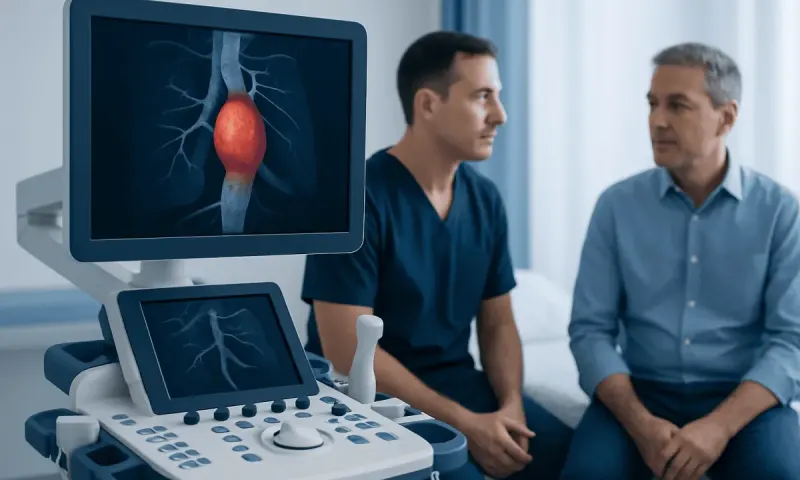
The aorta is the largest artery in the body, carrying blood from the heart to the rest of the organs. In an aortic dissection, the inner lining of this vessel tears and blood enters the wall of the artery, creating a false channel that can block normal blood flow or cause the vessel to rupture.
This condition is time-sensitive and should be treated as an emergency. The first hours matter because the aorta supplies the heart, brain, kidneys, and other organs, so any interruption can quickly affect several body systems at once.
For international patients, the path to care often begins with a sudden symptom during travel, at home, or while already abroad. Knowing what aortic dissection is can help a person recognize that urgent evaluation is needed rather than waiting to see if the pain settles on its own.
Symptoms
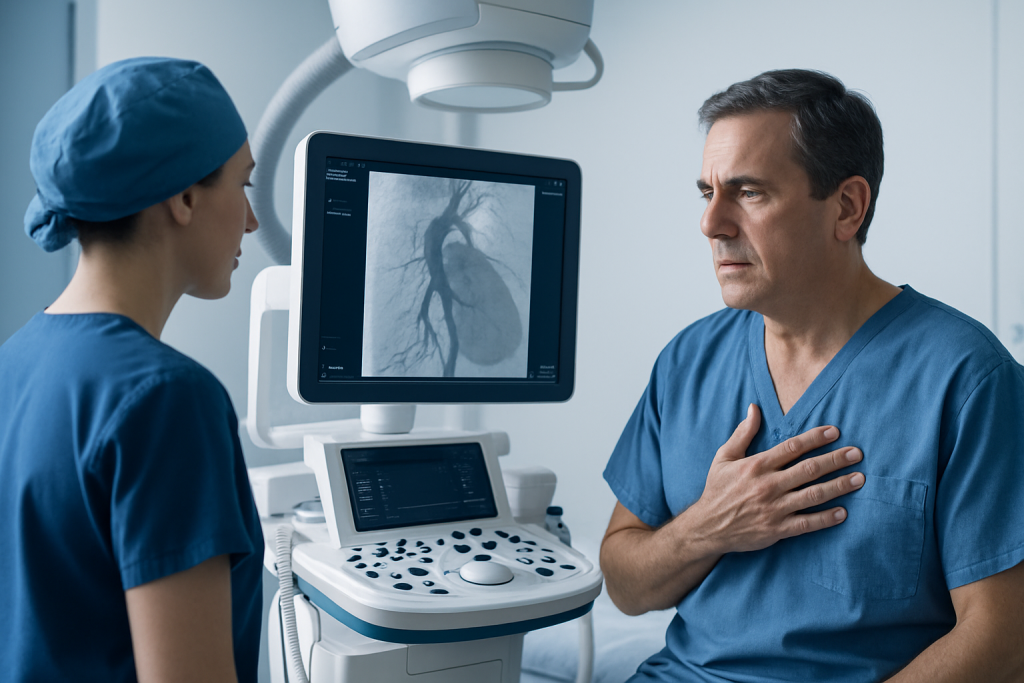
The most familiar symptom is abrupt, intense pain that may be described as tearing, ripping, stabbing, or sharp. It often starts in the chest or upper back, but it can also be felt in the neck, jaw, abdomen, or between the shoulder blades.
Not every person has the same pattern. Some people develop shortness of breath, fainting, sweating, nausea, weakness, or signs that blood flow to an arm or leg is reduced. If the dissection affects vessels going to the brain, confusion, vision changes, or stroke-like symptoms may appear.
Symptoms can change as the condition evolves, which is one reason emergency teams treat it seriously even when the picture is not classic. A person should not try to drive, rest it off, or use home remedies if the pain is sudden and severe.
- Sudden chest, back, or abdominal pain
- Shortness of breath
- Fainting or near-fainting
- Unequal pulses or blood pressure in the arms
- Stroke-like symptoms such as weakness or speech changes
Causes & Risk Factors

An aortic dissection usually develops when the aortic wall is weakened over time and then exposed to strong pressure from blood flow. The immediate tear may happen in a previously normal artery, but more often there is an underlying condition that makes the wall more vulnerable.
High blood pressure is the most common risk factor, especially when it has been present for years or is poorly controlled. Other important contributors include aortic aneurysm, a bicuspid aortic valve, connective tissue disorders such as Marfan syndrome or Ehlers-Danlos syndrome, and a family history of aortic disease.
Some dissections are linked to chest trauma, pregnancy, certain medical procedures, or stimulant drug use. Age, male sex, smoking, and long-standing vascular disease can also increase risk, although the condition can occur in people who do not fit a typical profile.
When a doctor reviews risk, the goal is not to assign blame but to identify why the artery may have been stressed and what other blood vessels might also need attention. That broader view matters because aortic disease can involve more than one segment of the aorta.
Diagnosis
Because an aortic dissection can progress quickly, diagnosis is usually made in an emergency setting. Clinicians begin with a physical examination, blood pressure checks in both arms, and a careful review of symptoms and risk factors.
Imaging is central. A CT angiogram is commonly used because it can show the tear and the extent of the dissection clearly and quickly. Depending on the situation, transesophageal echocardiography or MRI may be used, especially when more detail is needed or contrast CT is not ideal.
Doctors may also order an electrocardiogram and blood tests to look for other causes of chest pain and to assess organ function. These tests do not replace imaging, but they help the team understand whether the heart, kidneys, or other organs are already affected.
For people traveling for care, early sharing of prior imaging, medication lists, and blood pressure history can save valuable time. Hospitals that coordinate emergency imaging and specialist review can shorten the interval between arrival and treatment planning.
Treatment Options
Treatment depends on where the dissection is located and whether there is a risk of rupture or organ damage. The two broad patterns are dissections involving the ascending aorta, which usually need urgent surgery, and those limited to the descending aorta, which may sometimes be managed medically if the person is stable.
Initial treatment often focuses on lowering blood pressure and reducing the force of the heartbeat so that stress on the aorta is minimized. This is typically done in a monitored hospital setting. Pain control is also important because severe pain can increase strain on the cardiovascular system.
Surgery may involve repairing or replacing the affected section of the aorta, sometimes with a graft. In selected cases, endovascular repair using a stent graft may be considered, especially for dissections in the descending aorta. The choice depends on anatomy, stability, and the team’s assessment of risk.
After the urgent phase, ongoing care usually includes medicines to keep blood pressure controlled, follow-up imaging, and surveillance for later aortic changes. Recovery planning is especially important for international patients, who may need coordination between the treating team and their doctor back home.
- Hospital monitoring and blood pressure control
- Open surgical repair for high-risk or ascending aortic dissections
- Endovascular repair in selected cases
- Long-term medication and imaging follow-up
Prevention & Self-care
Not every aortic dissection can be prevented, but risk can often be reduced by protecting the aorta over time. Blood pressure control is one of the most important steps, especially for people who already know they have hypertension or aortic enlargement.
Self-care also means taking prescribed medicines consistently, keeping scheduled follow-up appointments, and reporting new symptoms promptly. People with known aortic disease may be advised to avoid heavy straining, intense isometric lifting, or activities that cause sudden spikes in blood pressure.
For those with a family history or a known connective tissue disorder, planned surveillance can detect changes before an emergency develops. In international care settings, it is helpful to leave with a clear written plan that includes medication names, activity guidance, and the timing of the next scan or cardiology review.
- Monitor blood pressure as advised by a clinician
- Take heart and blood pressure medicines regularly
- Avoid smoking and address cardiovascular risk factors
- Keep follow-up imaging appointments
- Seek prompt help for sudden chest, back, or abdominal pain
When to See a Doctor
Aortic dissection requires immediate emergency evaluation. A person should call emergency services or go to the nearest emergency department right away if they have sudden severe chest, back, or abdominal pain, especially if it is accompanied by fainting, shortness of breath, weakness, or stroke-like symptoms.
People with known aneurysm, connective tissue disease, or a history of aortic surgery should be especially cautious about new pain. Even if symptoms improve, they still need urgent assessment because the condition can remain dangerous after the pain changes.
After treatment, follow-up with a cardiologist or vascular specialist is important to watch for blood pressure changes and later aortic enlargement. Acibadem Health Point’s multidisciplinary specialists and JCI-accredited hospitals diagnose and treat this condition for international patients, while also helping coordinate the next steps of care across borders.
For travelers, carrying discharge summaries and imaging reports in a simple, organized file can make the return home and ongoing care smoother. The aim is steady continuity, not repeated testing for its own sake.
Recovery and Long-Term Outlook
Recovery depends on the part of the aorta involved, whether surgery was required, and whether any organs were affected before treatment began. Many people need a period of rest, monitored rehabilitation, and careful medication adjustment after leaving the hospital.
Long-term follow-up is usually lifelong because the aorta remains a vessel that deserves surveillance. Repeat imaging may be recommended at intervals determined by the treating team, along with regular checks of blood pressure and symptoms.
The emotional side of recovery is also real. After a sudden cardiac emergency, some people feel anxious about traveling, exercising, or sleeping normally again. A clear follow-up plan, familiar instructions, and access to a responsive specialist can make that transition less stressful.
Living With Aortic Disease
Some people recover from an aortic dissection and return to an active life, but usually with a few important boundaries. The goal is to reduce strain on the aorta while preserving good quality of life, which often means focusing on moderate activity, stable blood pressure, and regular medical review.
When the condition is known, it helps to keep a concise record of symptoms, medications, imaging dates, and emergency contacts. This is particularly useful for patients who divide time between countries or who may need future care outside the original treating center.
The most reassuring approach is a coordinated one: understand the diagnosis, follow the plan, and treat new symptoms as urgent. With that structure in place, many patients are able to manage aortic disease with confidence and clarity.
Frequently asked questions
01Is aortic dissection the same as an aneurysm?
No. An aneurysm is an abnormal bulge or widening of the aorta, while a dissection is a tear in the inner wall that allows blood to split the wall layers. An aneurysm can increase the risk of dissection, but the two conditions are not the same.
02Can the symptoms be mild at first?
Yes, sometimes they can be less dramatic than expected, which is why any sudden chest, back, or abdominal pain deserves urgent attention. Symptoms may also shift as the condition progresses, so waiting to see what happens is not safe.
03What kind of doctor treats aortic dissection?
Care is usually led by emergency physicians, cardiologists, cardiothoracic surgeons, and sometimes vascular surgeons. After the emergency phase, long-term follow-up is often shared between a cardiology team and primary care doctor.
04Will everyone need surgery?
No. Dissections involving the ascending aorta usually require surgery, but some dissections in the descending aorta can be treated first with close monitoring and medicine if the person is stable. The treatment plan depends on anatomy, symptoms, and the risk of complications.
05Can a person fly after treatment?
Travel plans should be discussed with the treating doctor, because timing depends on recovery, blood pressure control, and follow-up needs. Many patients can travel later, but they should have clear instructions, medication access, and copies of their medical records.
06What should family members do if they suspect it?
They should call emergency services immediately and avoid giving the person food, drink, or driving them long distances unless instructed by emergency dispatch. Staying calm, noting the time symptoms began, and sharing the person’s medical history can help the team act quickly.
This article is for general information only and is not a substitute for professional medical advice. Please consult a qualified doctor about your individual situation.
Persistent digestive symptoms? Get evaluated in Turkey
JCI-accredited · board-certified surgeons · reply within 24h
Add us as a Preferred Source to see more of our trusted health content across Google Search, AI Overviews and Discover.