How the Aorta Works and the Diseases That Affect It

Every heartbeat sends blood through one vessel first: the aorta. It is the largest artery in your body and the main channel carrying oxygen-rich blood from your heart to everywhere else. Knowing what the aorta does, where it sits, and what can go wrong helps you spot symptoms early and get the right care when it matters.
Overview: what the aorta is and why it matters
The aorta is the largest artery in the body. It begins at the heart, receives oxygen-rich blood from the left ventricle, and distributes that blood through branches that supply the brain, arms, chest, abdomen, and legs. In simple terms, it is the body’s main highway for blood flow.
The aorta isn’t one straight tube — it has several segments. It starts as the ascending aorta, curves as the aortic arch, continues through the chest as the descending thoracic aorta, and then passes into the abdomen as the abdominal aorta. Each section has an important role because major arteries branch from it to nourish organs and tissues throughout the body.
When the aorta is healthy, its strong elastic wall helps maintain steady blood flow with each heartbeat. Problems can develop if the wall weakens, tears, narrows, or becomes inflamed. These changes may affect circulation and, in some cases, can become serious if they are not diagnosed and managed appropriately.
How the aorta works in everyday circulation

Each time the heart contracts, blood is pushed through the aortic valve into the aorta. The aortic wall stretches slightly to accommodate this surge and then recoils, helping keep blood moving forward even between heartbeats. This natural elasticity supports stable circulation throughout the body.
The ascending aorta carries blood just after it leaves the heart. The coronary arteries, which supply the heart muscle itself, arise near this section. The arch then gives rise to arteries that carry blood to the head, neck, and arms. The descending thoracic and abdominal portions continue downward, sending branches to the spinal cord, digestive organs, kidneys, and lower limbs.
Because the aorta is central to circulation, diseases affecting it can influence many body systems. For example, reduced blood flow may affect organ function, while a structural problem in the aortic wall may cause pain or increase the risk of complications. That’s why, when we suspect aortic disease, imaging and careful follow-up matter so much.
Common aortic conditions and what they mean

Several different disorders can affect the aorta. One of the best known is an aortic aneurysm, which means a portion of the aorta has become enlarged or bulged because the wall has weakened. Aneurysms can occur in the chest or abdomen and may remain silent for a long time before being discovered on an ultrasound, CT scan, or other imaging test. More information may be found in aortic aneurysm resources.
Another important condition is aortic dissection. This happens when a tear develops in the inner layer of the aortic wall, allowing blood to track between the layers. It is a medical emergency and usually causes sudden severe pain. Depending on the location, it may affect blood flow to the heart, brain, kidneys, intestines, or legs. Related information is available on aortic dissection.
Other aortic problems include congenital narrowing of the aorta, called coarctation; inflammatory disorders such as aortitis; and changes linked to connective tissue disorders like Marfan syndrome or Loeys-Dietz syndrome. The aorta can also be affected when the aortic valve is diseased, especially if the ascending aorta becomes enlarged alongside valve abnormalities.
- Aneurysm: abnormal widening of the aorta
- Dissection: tear within the aortic wall
- Coarctation: narrowing present from birth
- Aortitis: inflammation of the aorta
- Genetic aortopathy: inherited conditions affecting aortic strength
Symptoms and warning signs
Aortic symptoms vary depending on the type, location, and severity of the problem. Many aneurysms cause no symptoms in the early stages. They may be found incidentally during tests for another reason. When symptoms do occur, they can include deep chest pain, upper back pain, abdominal discomfort, a pulsing feeling in the abdomen, or shortness of breath.
Aortic dissection more often causes sudden and intense symptoms. People may describe severe chest or back pain that feels sharp, tearing, or migrating. Some also have fainting, weakness, shortness of breath, sweating, stroke-like symptoms, or pain in the abdomen or legs if blood flow is reduced to those areas.
Symptoms related to the aortic valve and the first part of the aorta can overlap with other heart conditions. These may include fatigue, breathlessness with activity, dizziness, or chest pressure. Because the aorta is close to many important structures, some people develop hoarseness, trouble swallowing, or cough when an enlarged section presses on nearby tissues.
Keep in mind that chest, back, or abdominal pain has many possible causes. Still, if you get sudden severe pain — especially with fainting, shortness of breath, or neurological symptoms — don’t wait it out at home. Get checked urgently.
Causes and risk factors
Aortic disease can develop for several reasons. Aging is a common factor because the artery wall naturally changes over time. High blood pressure is especially important because it increases stress on the aortic wall and can contribute to enlargement, tearing, or faster progression of existing disease.
Smoking is a major risk factor, particularly for abdominal aortic aneurysm. High cholesterol, atherosclerosis, and a history of cardiovascular disease can also affect the aorta. In some people, the main risk comes from inherited connective tissue disorders or a strong family history of aneurysm or dissection.
Congenital heart and vessel abnormalities may increase lifelong risk. Infections and inflammatory diseases are less common causes but can weaken or inflame the aortic wall. Trauma, including a major motor vehicle injury, can also damage the aorta. In most people, several risk factors add up — it’s rarely one cause acting alone.
- High blood pressure
- Smoking history
- Older age
- Family history of aortic disease
- Connective tissue disorders
- Bicuspid aortic valve or other congenital conditions
- Atherosclerosis
- Previous cardiovascular disease
How doctors diagnose aortic problems
Diagnosis starts with a medical history and physical examination. A clinician asks about pain, fainting, family history, smoking, blood pressure, and prior heart or vascular conditions. On examination, they may listen for heart murmurs, compare blood pressure between arms, or look for signs of reduced circulation.
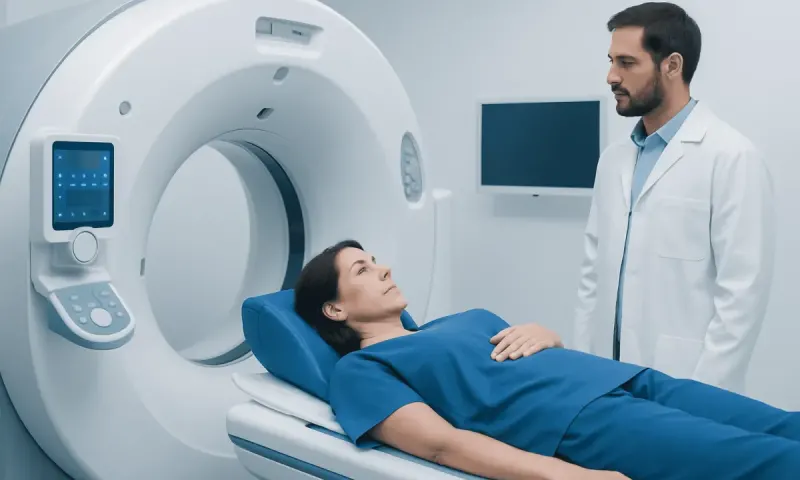
Imaging is the key to confirming aortic disease. Ultrasound is commonly used to screen for abdominal aneurysm. Echocardiography can assess the heart, aortic valve, and the first portion of the aorta. CT angiography and MR angiography provide detailed pictures of the aorta and are especially useful when a dissection, aneurysm, or other structural abnormality is suspected. In some cases, cardiac MRI helps evaluate the aorta and nearby heart structures without ionizing radiation.
Additional tests may include blood work, electrocardiography, and sometimes chest X-ray, depending on symptoms. The point isn’t just to confirm the aorta is affected — we also need to know exactly where the problem is, how big it is, its shape, and how urgent it is, so treatment can be planned safely.
People with a family history or known genetic syndromes may need regular surveillance imaging even if they feel well. Monitoring over time helps doctors see whether the aorta is stable or enlarging and when intervention might become advisable.
Treatment options and ongoing care
Treatment depends on the exact diagnosis. Small or stable aneurysms may be managed with regular imaging, blood pressure control, cholesterol management when appropriate, and lifestyle changes such as quitting smoking. Doctors often focus on reducing strain on the aortic wall and lowering the risk of enlargement or complications.
Urgent treatment is needed for some conditions, especially acute aortic dissection, rupture, or rapidly expanding aneurysm. Depending on the location, treatment may involve emergency surgery or minimally invasive endovascular repair. For certain patients, doctors may consider aortic aneurysm treatment or endovascular aneurysm repair as part of a broader vascular care plan.
If disease affects the aortic root or aortic valve, management may also involve heart surgery. This can include repair or replacement of the valve and treatment of the enlarged aortic segment. In carefully selected cases, aortic valve replacement may be part of treatment when valve disease and aortic enlargement occur together.
Follow-up care is part of the treatment itself, not an afterthought. Even after successful repair, patients often need regular imaging, blood pressure checks, medication review, and guidance about exercise and long-term cardiovascular health. Near the end of the care journey, some patients also seek coordinated evaluation at centers such as Acıbadem Health Point, where multidisciplinary specialists in JCI-accredited hospitals diagnose and treat aortic conditions for international patients.
Prevention, self-care, and when to seek medical care
You can’t prevent every aortic condition — especially the ones tied to genetics or how you were born. But everyday habits can still lower your risk and protect your vessels over time. These include keeping blood pressure in a healthy range, avoiding tobacco, staying physically active within a doctor’s advice, managing cholesterol and diabetes, and attending follow-up visits if an aortic condition is already known.
People with a family history of aneurysm, dissection, sudden unexplained death, or inherited connective tissue disorders should tell their doctor. In some situations, screening or periodic imaging is recommended even if there are no symptoms. Pregnant people with known aortic disease or connective tissue disorders also need careful specialist guidance because the cardiovascular system changes during pregnancy.
Medical care should be sought promptly for new chest, back, or abdominal pain that is severe, sudden, or unusual. Emergency evaluation is especially important if pain occurs with fainting, shortness of breath, weakness, trouble speaking, leg pain, or signs of poor circulation. Aortic emergencies are rare — but when they happen, minutes count.
For non-emergency concerns, a doctor should be consulted for ongoing high blood pressure, a strong family history, unexplained pulsating abdominal sensation, or symptoms that keep returning. Early assessment can help clarify whether the aorta is involved and what follow-up, if any, is needed.
Frequently asked questions
01What does the aorta do?
The aorta carries oxygen-rich blood from the heart to the rest of the body. It is the main artery, and its branches supply the brain, arms, organs, and legs.
02Where is the aorta located?
The aorta begins at the top of the heart, arches through the chest, and continues down into the abdomen. It is usually described in sections: ascending aorta, aortic arch, thoracic aorta, and abdominal aorta.
03Can aortic disease have no symptoms?
Yes. Some aortic aneurysms and other aortic changes cause no symptoms at first and are found during imaging done for another reason. This is one reason follow-up and screening may be advised for people at higher risk.
04Is sudden back or chest pain always related to the aorta?
No. Sudden chest or back pain has many possible causes, including muscle strain, lung conditions, digestive problems, and heart disease. However, severe or unusual pain should be evaluated urgently because aortic dissection and other serious conditions need prompt treatment.
05Who is more likely to develop an aortic aneurysm?
Risk is higher in older adults, people with high blood pressure, smokers, and those with a family history of aortic disease. Certain inherited connective tissue disorders and congenital heart or vessel differences also increase risk.
06How is an aortic problem diagnosed?
Doctors usually use imaging tests to diagnose the aorta. Depending on the situation, this may include ultrasound, echocardiography, CT angiography, or MRI, along with a medical history and physical examination.
07Can people live well with aortic disease?
Many people can live well with aortic disease when it is diagnosed, monitored, and treated appropriately. Care often includes blood pressure control, healthy lifestyle habits, regular imaging, and intervention when needed.
This article is for general information only and is not a substitute for professional medical advice. Please consult a qualified doctor about your individual situation.
Joint and spine care in Turkey — expert assessment & treatment
JCI-accredited · board-certified surgeons · reply within 24h
Add us as a Preferred Source to see more of our trusted health content across Google Search, AI Overviews and Discover.