Heart Problem Diseases: Symptoms, Causes, and Treatment Options

A tight chest on the stairs. A heartbeat that suddenly races for no reason. Ankles that look puffier than they did last month. These are the kinds of everyday moments that make people wonder whether their heart is okay — and sometimes, they should.
Heart problem diseases cover a broad group of conditions that affect how your heart pumps blood, beats, or supplies oxygen to your body. Common symptoms include chest discomfort, shortness of breath, fatigue, swelling, or palpitations. What treatment looks like depends on the specific heart condition and how severe it is.
Overview: What heart problem diseases mean
Heart problem diseases are conditions that affect the heart’s structure or function. They may involve the coronary arteries that feed the heart muscle, the electrical system that controls heart rhythm, the valves that direct blood flow, or the heart muscle itself. Some develop gradually over many years, while others appear suddenly and need urgent care.
This broad term includes coronary artery disease, arrhythmias, heart failure, cardiomyopathy, valve disease, congenital heart disease, and inflammatory conditions affecting the heart. Because these disorders differ, the symptoms, tests, and treatment plans also differ. A person may have one condition or several at the same time.
When most people hear “heart disease,” they picture blocked arteries. But the picture is wider than that. A damaged valve can leave you breathless and tired even when your arteries are open, and an irregular heartbeat can cause dizziness or fainting without any chest pain at all. Knowing which type of heart problem you have is what points to the right treatment and follow-up.
Common types and how they can affect the body

One of the most common forms is coronary artery disease, in which fatty deposits narrow the arteries that supply the heart. This can reduce blood flow and cause chest discomfort, especially during activity or stress. In some people, a sudden blockage can lead to a heart attack. If you want more detail on this specific condition, take a look at our page on coronary artery disease.
Heart rhythm problems, also called arrhythmias, happen when the electrical signals that control the heartbeat become too fast, too slow, or irregular. Some are harmless, while others can affect blood flow and increase the risk of complications. Valve disease changes the way blood moves through the heart, and the heart may need to work harder to maintain circulation.
Heart failure does not mean the heart has stopped. It means the heart cannot pump blood as effectively as the body needs. This can cause shortness of breath, tiredness, swelling, and reduced exercise tolerance. Cardiomyopathy refers to disease of the heart muscle itself, which can make the heart weak, stiff, or enlarged. Congenital heart disease is present from birth and ranges from mild defects to more complex structural problems.
Symptoms of heart problem diseases

Symptoms depend on the type of heart condition, how advanced it is, and whether it is affecting blood flow to the lungs, brain, or other organs. Some people notice only mild fatigue or reduced stamina at first. Others develop more obvious warning signs such as chest pain, palpitations, dizziness, or swelling in the feet and ankles.
Possible symptoms include:
- Chest pressure, tightness, heaviness, or pain
- Shortness of breath during activity or at rest
- Unusual tiredness or reduced ability to exercise
- Fast, slow, or irregular heartbeat
- Dizziness, near-fainting, or fainting
- Swelling in the legs, ankles, feet, or abdomen
- Persistent cough, especially when lying flat
- Bluish lips or fingertips in some severe or congenital conditions
Symptoms are not always dramatic. Women, older adults, and people with diabetes may have subtler signs such as nausea, back or jaw discomfort, unusual fatigue, or breathlessness rather than classic chest pain. Some rhythm problems come and go, which can make them harder to recognize without medical testing.
Take any sudden or severe symptom seriously. Chest pain with sweating, shortness of breath, nausea, or pain spreading to the arm, jaw, neck, or back needs urgent evaluation — don’t wait it out. The same goes for sudden weakness, trouble speaking, or facial drooping, which may point to a stroke related to a heart or vascular problem.
Causes and risk factors
Heart problem diseases arise from a mix of inherited, lifestyle, and medical factors. Atherosclerosis, the gradual buildup of fatty plaques in arteries, is a major cause of coronary artery disease. High blood pressure can strain the heart and blood vessels over time. Infections, autoimmune disease, metabolic disorders, and aging can also affect the heart muscle, valves, or lining.
Common risk factors include smoking, high cholesterol, diabetes, obesity, physical inactivity, unhealthy diet, chronic stress, and poor sleep. Some people are born with structural heart problems, while others develop heart disease because of long-standing conditions such as kidney disease or untreated hypertension. Family history can increase risk, especially if close relatives developed heart disease at a younger age.
Risk factors rarely act alone. Diabetes plus high blood pressure plus smoking, for example, puts far more strain on the heart and arteries than any one of them by itself. Here’s the encouraging part: many of these risks can be improved with medical guidance and steady lifestyle changes — even though you can’t change your family history.
How doctors diagnose heart problem diseases
Diagnosis starts with a careful medical history and physical examination. A doctor will ask about symptoms, when they occur, what makes them better or worse, and whether there is a family history of heart disease. Blood pressure, pulse, oxygen level, heart sounds, and signs of fluid retention may provide important clues.
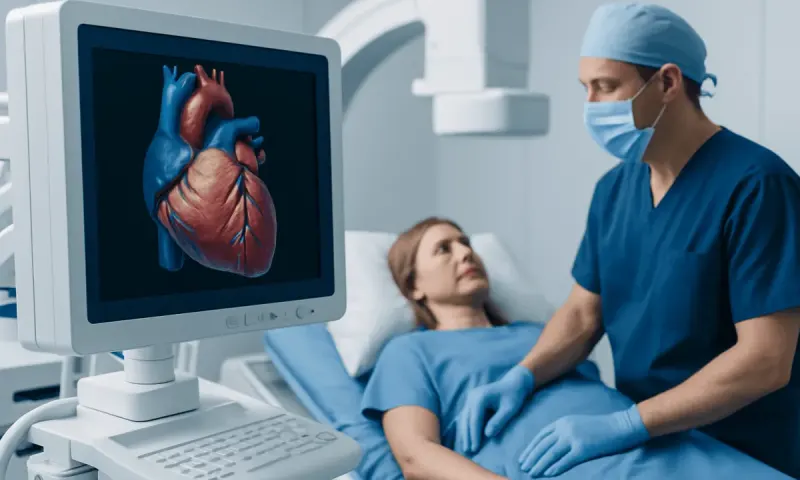
Tests are chosen based on the suspected problem. An electrocardiogram records the heart’s electrical activity and may show rhythm problems or signs of reduced blood supply. Blood tests can help detect heart muscle injury, inflammation, cholesterol abnormalities, or other conditions affecting the heart. An echocardiogram uses ultrasound to assess the heart’s chambers, valves, pumping strength, and blood flow.
Further testing may include stress tests, Holter monitoring, chest imaging, CT coronary angiography, cardiac MRI, or cardiac catheterization. In some cases, invasive angiography is used to look directly at the coronary arteries and guide treatment. Advanced imaging and cardiac check-up services can help clarify diagnosis when symptoms are persistent or risk is high.
The point of all this testing isn’t just to confirm that something is wrong with your heart. It’s to pin down exactly which problem you have and how serious it is — because that’s what lets your care team recommend the safest, most effective treatment for you.
Treatment options and long-term management
Treatment depends on the exact diagnosis, symptom burden, overall health, and presence of complications. Lifestyle changes are important for nearly all heart problem diseases. These may include stopping smoking, improving diet quality, staying physically active within safe limits, managing weight, reducing salt when advised, and taking medicines exactly as prescribed.
Medications may be used to lower blood pressure, reduce cholesterol, prevent blood clots, control fluid buildup, relieve chest pain, or regulate heart rhythm. For some people, procedures are needed to improve blood flow or correct a structural problem. Narrowed coronary arteries may be treated with coronary angiography and angioplasty, while certain rhythm disorders may benefit from cardiac ablation.
Surgery may be recommended if medications or minimally invasive procedures are not enough. Examples include bypass surgery, valve repair or replacement, congenital heart repair, or implantation of pacemakers and defibrillators. In selected cases, ongoing care by a multidisciplinary team is especially important because heart disease often overlaps with diabetes, kidney disease, or vascular disease.
Recovery and long-term outlook vary from person to person. Some heart conditions can be controlled very well with monitoring and treatment; others need lifelong follow-up. Some international patients choose centers such as Acıbadem Health Point, where multidisciplinary specialists in JCI-accredited hospitals diagnose and treat a wide range of heart conditions. Whatever the setting, the plan that helps most is one built around you and reviewed regularly over time.
Prevention and self-care
Not every heart problem can be prevented, but many can be delayed or made less severe. Prevention starts with identifying personal risk factors early. Regular blood pressure, cholesterol, and blood sugar checks can detect silent problems before they damage the heart. People with known risk factors benefit from routine follow-up and a practical prevention plan they can maintain.
Helpful self-care steps include:
- Not smoking and avoiding secondhand smoke
- Choosing a balanced diet rich in vegetables, fruits, whole grains, legumes, and healthy fats
- Limiting highly processed foods, excess salt, and added sugars
- Being physically active most days, if approved by a doctor
- Maintaining a healthy weight
- Managing diabetes, blood pressure, and cholesterol
- Getting enough sleep and addressing sleep apnea if present
- Reducing long-term stress in realistic ways
People who already have heart disease should not stop medicines or change activity levels without medical advice. Monitoring symptoms, keeping follow-up appointments, and reporting new swelling, breathlessness, or palpitations can help prevent complications. Vaccinations, especially when recommended for older adults or those with chronic illness, may also support overall health by reducing strain from severe infections.
When to seek medical care
Book a routine appointment if you notice ongoing fatigue, reduced exercise tolerance, mild swelling, occasional palpitations, or if heart disease runs in your family. These symptoms don’t always mean something serious — but if they are new, persistent, or getting worse, they deserve a look. Catching a problem early usually makes treatment simpler and more effective.
Urgent medical care is needed for chest pain or pressure lasting more than a few minutes, severe shortness of breath, fainting, sudden confusion, or symptoms that suggest a heart attack or stroke. Fast evaluation is also important for a very rapid or very slow heartbeat, especially if it is accompanied by dizziness, weakness, or chest discomfort.
People with previously diagnosed heart disease should seek prompt advice if symptoms suddenly change. Examples include needing more pillows to breathe at night, rapid weight gain from fluid retention, a significant drop in exercise capacity, or new swelling in the legs. If there is any doubt, it is safest to contact a qualified doctor or emergency services.
Frequently asked questions
01What are heart problem diseases?
Heart problem diseases are conditions that affect the heart’s arteries, rhythm, valves, muscle, or structure. They include common disorders such as coronary artery disease, heart failure, arrhythmias, and valve disease.
02What are the first signs of a heart problem?
Early signs can include chest discomfort, shortness of breath, unusual tiredness, dizziness, swelling in the legs, or a racing or irregular heartbeat. Some people have mild or vague symptoms at first, so persistent changes should be discussed with a doctor.
03Can heart problem diseases occur without chest pain?
Yes. Not all heart conditions cause chest pain, and some people may have fatigue, breathlessness, palpitations, nausea, or fainting instead. This is especially important in women, older adults, and people with diabetes, who may have less typical symptoms.
04Are heart problem diseases preventable?
Some are partly preventable, especially those linked to smoking, high blood pressure, high cholesterol, diabetes, obesity, and inactivity. Others, such as congenital heart disease or certain inherited cardiomyopathies, may not be preventable but can still benefit from early diagnosis and follow-up.
05How are heart problem diseases treated?
Treatment depends on the specific condition and may include lifestyle changes, medicines, monitoring, minimally invasive procedures, or surgery. The main goals are to relieve symptoms, improve heart function, reduce complications, and support long-term health.
06When should someone worry about heart symptoms?
Sudden chest pain, severe breathlessness, fainting, or signs of stroke need urgent medical attention. Ongoing fatigue, mild swelling, or repeated palpitations are not always emergencies, but they should still be evaluated by a qualified healthcare professional.
This article is for general information only and is not a substitute for professional medical advice. Please consult a qualified doctor about your individual situation.
Heart care in Turkey — expert evaluation and treatment
JCI-accredited · board-certified surgeons · reply within 24h
Add us as a Preferred Source to see more of our trusted health content across Google Search, AI Overviews and Discover.