Am I a Candidate for a TAVI or TAVR Procedure?
A person may be a candidate for TAVI/TAVR if they have severe aortic stenosis and a specialist heart team believes a catheter-based valve replacement is suitable for their anatomy, health needs and treatment goals. Eligibility is individualized and requires detailed testing rather than being determined by age alone.
Am I a Candidate for TAVI/TAVR Procedure?
A person may be a candidate for TAVI/TAVR if they have severe narrowing of the aortic valve, called aortic stenosis, and a specialist heart team finds that a catheter-based valve replacement is appropriate. The decision depends on symptoms, heart tests, valve and blood-vessel anatomy, age, other health conditions, and the likely benefits and risks of TAVI/TAVR compared with open-heart surgery or monitoring.
TAVI means transcatheter aortic valve implantation, while TAVR means transcatheter aortic valve replacement. They describe the same treatment. It is designed to replace a diseased aortic valve without the large chest incision used in conventional surgical aortic valve replacement.
The most reliable way to determine eligibility is a structured pre-assessment with a cardiologist and cardiac surgeon. Patients can ask their care team for a TAVI/TAVR eligibility assessment or complete a pre-evaluation form where available, bringing recent echocardiogram reports, scans, medication lists and medical records.
What TAVI/TAVR Treats and How It Works
The aortic valve controls blood flow from the heart into the body’s main artery, the aorta. With aortic stenosis, the valve becomes stiff and narrow, making the heart work harder to pump blood forward. The condition may progress gradually and can eventually lead to breathlessness, chest discomfort, tiredness, dizziness, fainting, fluid retention or reduced ability to be active.
During TAVI/TAVR, the doctor places a replacement valve inside the narrowed native valve. The new valve is mounted on a catheter, a thin flexible tube. In most cases, it is guided through an artery in the groin to the heart; other access routes may be considered when groin access is not suitable. Once deployed, the new valve opens and supports blood flow while the old valve is pressed aside.
TAVI/TAVR is not simply a less invasive option for every valve problem. It is primarily used for severe aortic stenosis, not for all forms of aortic valve leakage or mild-to-moderate narrowing. For a broader overview of planning and treatment, see TAVI/TAVR procedure information.
Who May Be Eligible: Key TAVI/TAVR Criteria

Severe aortic stenosis is the central eligibility criterion. This is usually confirmed by echocardiography, an ultrasound scan of the heart that measures valve opening, blood-flow speed and pressure changes across the valve. Symptoms are important, but some people with severe stenosis and no obvious symptoms may also need treatment if testing shows that the heart is under strain or heart function is declining.
A heart team considers whether TAVI/TAVR is likely to improve symptoms, daily function, quality of life or survival. The team also assesses whether the person is well enough to benefit from the procedure and whether another treatment approach would better meet their needs. Advanced frailty, severe irreversible illness or conditions that substantially limit expected benefit may affect the recommendation.
- Confirmed severe aortic stenosis on heart imaging
- Symptoms such as exertional breathlessness, chest pain, fainting or reduced exercise tolerance, or evidence that severe stenosis is affecting heart function
- An aortic valve size and shape suitable for a transcatheter valve
- Blood vessels that can safely accommodate the catheter, or an alternative access route when appropriate
- A balance of risks and benefits that supports TAVI/TAVR over surgery or careful follow-up
- Ability to participate in follow-up care, including medication review and valve surveillance
Older age alone does not automatically determine candidacy. TAVI/TAVR may be considered across different age groups, but younger patients may be more likely to discuss surgical valve replacement because valve durability, future procedures and the best lifelong valve strategy need careful consideration.
Pre-Assessment: Tests the Heart Team Uses
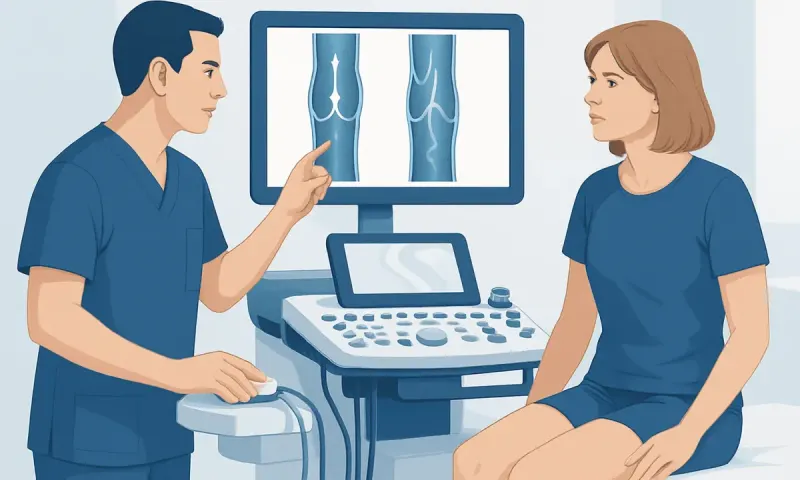
TAVI/TAVR planning is detailed because every person’s valve and circulation are different. The assessment commonly begins with a medical history, physical examination, review of symptoms and an echocardiogram. The team may also arrange blood tests, an electrocardiogram and tests of kidney and lung function when clinically needed.
A specialized CT scan is often used to measure the aortic valve, aorta and arteries in the pelvis and legs. These measurements help the team select an appropriate valve size and decide whether the femoral artery in the groin is a safe access route. Coronary artery assessment may also be needed to identify significant narrowing in the heart arteries that could affect procedural planning.
The decision is generally made by a multidisciplinary heart team, often including interventional cardiologists, cardiac surgeons, imaging specialists, anesthesiology professionals and specialist nurses. They compare TAVI/TAVR with surgical aortic valve replacement and, in selected situations, continued monitoring or symptom-focused care. Patients should be encouraged to ask why a particular option is recommended, what alternatives exist and what follow-up will involve.
What Happens During the Procedure and Recovery
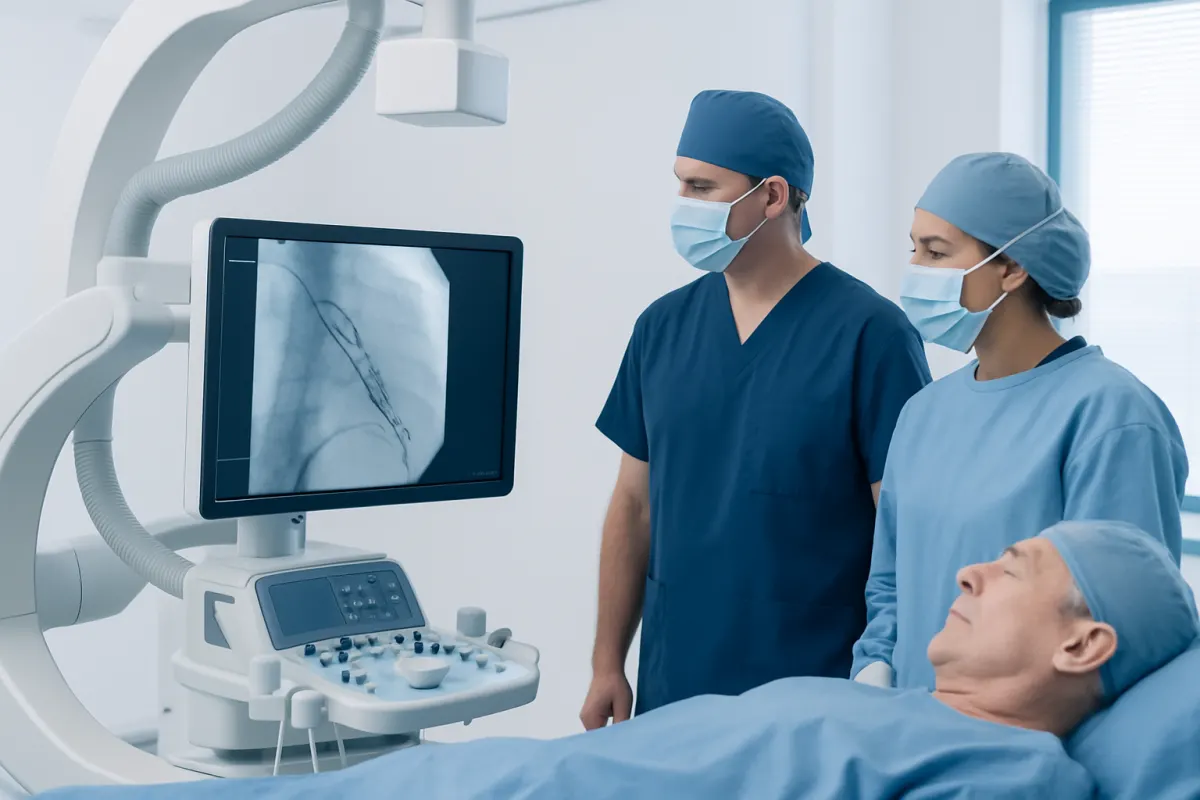
TAVI/TAVR is usually performed in a specialized cardiac catheterization laboratory or hybrid operating room. Sedation or general anesthesia may be used depending on the person’s health, the access route and local clinical practice. The team inserts the catheter, commonly through the groin artery, guides the replacement valve to the heart using imaging, and deploys it in the diseased aortic valve.
Afterward, patients are monitored closely for heart rhythm changes, bleeding, blood-pressure changes and the function of the new valve. The length of hospital stay varies, but many people are able to leave hospital sooner than after open-heart surgery when recovery is uncomplicated. The clinical team provides individualized guidance on walking, wound care, driving, work, medicines and cardiac rehabilitation.
During the first weeks, mild tiredness or soreness around the access site can occur. Energy and activity levels often improve gradually as the heart adapts to better valve function. Follow-up visits and echocardiograms are important to confirm that the valve is working well and to manage long-term cardiovascular health.
Benefits, Risks and Important Limitations
For appropriately selected patients with severe aortic stenosis, TAVI/TAVR can improve blood flow through the aortic valve and may reduce symptoms such as breathlessness, chest discomfort and limited exercise capacity. Its less invasive approach can mean a smaller incision and potentially faster early recovery than open surgical valve replacement. However, outcomes vary with the person’s overall health and the cause of their symptoms.
Like all heart procedures, TAVI/TAVR has risks. These can include bleeding, damage to blood vessels, stroke, heart rhythm disturbances, kidney problems, infection, leakage around the new valve, and a need for a permanent pacemaker. Rarely, emergency surgery or additional procedures may be required. The care team explains the individual likelihood and significance of these risks before treatment.
TAVI/TAVR valves also require long-term monitoring. The best choice of valve procedure should account for the person’s current condition and anticipated future care. Treatment decisions should not be based solely on convenience or recovery time; durable benefit, safety and patient preferences are all essential parts of shared decision-making.
Living Well While Awaiting Assessment
People being evaluated for aortic stenosis should continue regular medical care and take prescribed medicines exactly as directed. Medicines can help manage related conditions such as high blood pressure, fluid retention, irregular heart rhythm or coronary artery disease, but they do not reverse severe aortic valve narrowing. Medication changes should only be made with a clinician’s advice.
It can be helpful to track symptoms, including breathlessness during ordinary activities, chest pressure, dizziness, fainting episodes, ankle swelling and changes in exercise tolerance. Patients should avoid pushing through symptoms during strenuous activity and should discuss safe activity levels with their cardiologist. Heart-healthy habits, including not smoking, balanced eating and management of diabetes or blood pressure, support overall cardiovascular health.
Acıbadem Health Point’s multidisciplinary cardiac specialists and JCI-accredited hospitals evaluate and treat aortic valve disease for international patients, including patients being considered for TAVI/TAVR. A pre-assessment can help clarify whether the procedure is anatomically and clinically suitable.
When to Seek Medical Care
Anyone with known or suspected aortic stenosis should arrange a cardiology review if they develop new or worsening breathlessness, reduced stamina, chest discomfort, dizziness, fainting, palpitations or swelling in the legs. These symptoms can have several causes, but prompt assessment is important when a heart valve problem is possible.
Emergency medical care is needed for severe or persistent chest pain, sudden severe breathlessness, fainting, signs of stroke such as facial drooping or difficulty speaking, or a rapid deterioration in general condition. People should not drive themselves to emergency care if they feel faint, severely unwell or have concerning chest symptoms.
Regular follow-up is particularly important for people who have been told they have moderate or severe aortic stenosis, even when they feel well. Imaging can identify changes in valve severity or heart function before symptoms become obvious.
Frequently asked questions
01Is TAVI/TAVR only for people who cannot have open-heart surgery?
No. TAVI/TAVR was initially used mainly for people considered at high risk for surgical valve replacement, but it is now considered for a wider range of patients with severe aortic stenosis. The most suitable approach still depends on individual anatomy, age, overall health, valve characteristics and long-term treatment planning.
02What tests determine whether I qualify for TAVI/TAVR?
An echocardiogram confirms the severity of aortic stenosis and evaluates heart function. CT imaging is commonly used to measure the valve and blood vessels, while additional tests may assess heart rhythm, coronary arteries, kidneys, lungs and general fitness for treatment.
03Can I have TAVI/TAVR if I have no symptoms?
Some people without noticeable symptoms may still be considered for valve replacement when severe stenosis is affecting heart function or testing suggests a high risk of progression. Decisions in this situation are individualized and should be made with a specialist heart team.
04How long does recovery after TAVI/TAVR take?
Recovery varies according to overall health, procedural complexity and whether complications occur. Many patients begin walking soon after the procedure and leave hospital within a relatively short time, but full return to usual activities should follow the personalized plan provided by the treating team.
05Will I need blood-thinning medicine after TAVI/TAVR?
Many patients need antiplatelet or anticoagulant medication after TAVI/TAVR, but the exact regimen depends on their bleeding risk, heart rhythm and other medical conditions. The treating cardiologist will provide an individualized medication plan and should be consulted before stopping any medicine.
06Is TAVI/TAVR permanent?
The replacement valve is intended to provide long-term function, but no valve lasts forever. Regular clinical follow-up and echocardiograms are needed to monitor valve performance and plan future care if necessary.
This article is for general information only and is not a substitute for professional medical advice. Please consult a qualified doctor about your individual situation.
Heart care in Turkey — expert evaluation and treatment
JCI-accredited · board-certified surgeons · reply within 24h
Add us as a Preferred Source to see more of our trusted health content across Google Search, AI Overviews and Discover.