Bunion Surgery Recovery Time: When Can You Walk?

Bunion surgery recovery time commonly involves several weeks of protected walking, followed by a gradual return to comfortable shoes and usual activities. The exact timeline depends on the procedure performed, the extent of the deformity, overall health, and how closely aftercare instructions are followed.
Overview: What Is Bunion Surgery Recovery Time?
Bunion surgery recovery time is commonly around 6 to 12 weeks before many people can resume routine daily activities, although the foot may continue to swell and settle for 6 to 12 months. Recovery is not identical for everyone: it depends on whether the surgeon removes a bony prominence, realigns the metatarsal bone, fuses a joint, or performs a combination of procedures.
A bunion is a bony prominence at the base of the big toe, usually caused by the big toe gradually leaning toward the second toe. Surgery aims to reduce pain, improve alignment, and help footwear fit more comfortably. It is generally considered when symptoms remain limiting despite appropriate non-surgical care, rather than for appearance alone.
The surgeon provides the most reliable individual timetable because weight-bearing instructions vary considerably between procedures. Following the recommended use of a surgical shoe, boot, crutches, or knee scooter is important to protect bone and soft-tissue healing.
How Can I Get Rid of My Bunion?
A bunion cannot be permanently removed with exercises, splints, or footwear changes alone because these measures do not reverse the underlying bone alignment. However, non-surgical treatment can often reduce pressure, pain, and irritation. Helpful measures may include wide, deep toe-box shoes, cushioned pads, toe spacers, orthotic insoles when appropriate, activity adjustments, and clinician-advised pain relief.
Surgery is the only way to correct the structural deformity. There are several operations, and the best option depends on the degree of misalignment, joint condition, foot shape, age, activity needs, and other health factors. A foot and ankle specialist can assess whether non-surgical care remains suitable or whether an operation is likely to offer meaningful benefit.
Even after successful surgery, comfortable supportive shoes remain important. Footwear that compresses the forefoot may aggravate symptoms or contribute to recurrence over time.
What Is the Main Cause of Bunions?
The main cause of bunions is a combination of inherited foot structure and forces that gradually shift the big toe toward the smaller toes. Many people have a family tendency toward foot shapes or joint mechanics that make a bunion more likely. A bunion is therefore not simply caused by one type of shoe.
Narrow, pointed, or high-heeled footwear can crowd the toes and worsen discomfort or make an existing deformity progress more noticeably. Other contributing factors can include flat feet, loose joints, inflammatory arthritis such as rheumatoid arthritis, previous foot injury, and conditions that affect muscle or nerve balance.
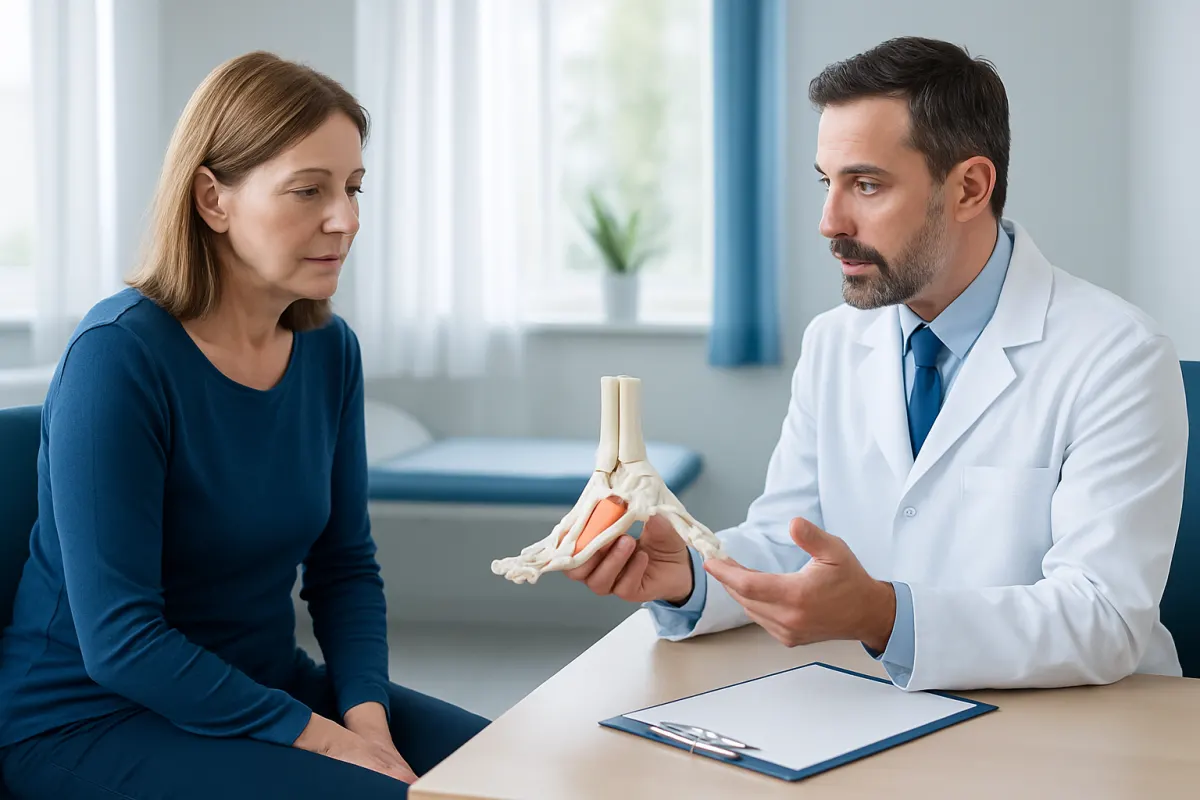
An assessment usually includes examining how the person stands and walks, checking the skin and circulation, and evaluating the big-toe joint. Weight-bearing foot X-rays help show the alignment of the bones and assist with treatment planning.
What Age Do Bunions Usually Start?
Bunions can develop at almost any age. They are often first noticed in adulthood, and their frequency increases with age as joint and soft-tissue changes accumulate. Some people, however, develop juvenile or adolescent bunions during the teenage years, particularly when there is a strong family tendency.
In younger people, the shape and alignment of the foot may be the main contributor. In adults, symptoms may become more noticeable after years of pressure from footwear, changes in activity, arthritis, pregnancy-related ligament changes, or other factors affecting the feet.
Age alone does not determine whether surgery is appropriate. Clinicians consider pain, functional limitations, deformity progression, joint damage, overall health, and the likely ability to follow the recovery plan.
How Bunion Surgery Works and Who May Be a Candidate
Bunion operations are designed to address the underlying alignment problem, not just shave the visible bump. Depending on the case, the surgeon may remove excess bone, release or rebalance tight soft tissues, cut and reposition a bone (osteotomy), stabilize it with screws or plates, or fuse a joint when arthritis or severe instability is present.
A person may be a candidate for surgery when bunion pain interferes with walking, work, exercise, or wearing ordinary shoes despite well-fitted footwear and other conservative measures. Recurrent skin irritation, pressure sores, transfer pain under the smaller toes, progressive deformity, or arthritis-related symptoms may also influence the decision.
Before surgery, the clinician reviews medical history, medicines, allergies, circulation, smoking status, and conditions such as diabetes or osteoporosis that can affect wound or bone healing. Smoking and nicotine exposure can substantially impair healing, so stopping before and after surgery is commonly advised.
The operation is usually performed with regional or general anesthesia, depending on the planned procedure and patient needs. It may be a day procedure, but the choice of setting and anesthetic plan is individualized.
What Happens During the Procedure?
After anesthesia is provided, the surgeon makes one or more incisions around the big-toe joint. The procedure may involve reshaping bone, correcting the angle of the first metatarsal and big toe, and balancing ligaments or tendons that influence joint position. If bone is repositioned, small screws, plates, or other fixation devices may be used to hold it in place while it heals.
The wound is closed and covered with a dressing that helps support the corrected position. The foot may be placed in a rigid surgical shoe, boot, cast, or splint. Some procedures permit carefully protected heel weight-bearing soon after surgery, while others require a period without weight on the foot.
Patients should arrange support for transport home and early daily tasks. The foot is often elevated frequently in the first days, and driving should not resume until it is safe to control the vehicle, no longer affected by sedating medicines, and approved by the treating clinician.
Bunion Surgery Recovery: A Week-by-Week Timeline
Days 1 to 7: Pain, throbbing, and swelling are expected, especially when the foot is lowered. Elevating the foot above heart level when resting, using prescribed or clinician-recommended pain relief, and keeping the dressing clean and dry can help. Walking is limited and must follow the surgeon’s instructions; some patients may bear weight only through the heel, while others should avoid weight-bearing completely.
Weeks 2 to 3: A follow-up appointment often includes a wound check and, when appropriate, removal of stitches. Swelling and bruising generally begin to ease, although the foot may still feel tight. The surgical shoe, boot, cast, or mobility aid remains necessary for many people. The dressing should not be changed independently unless the care team has instructed this.
Weeks 4 to 6: Bone and soft tissues are continuing to heal. Follow-up X-rays may be used to review alignment and healing. Some patients begin a gradual increase in protected walking or gentle range-of-motion exercises; others need longer protection, especially after a fusion or more extensive correction. Activity should increase only with clinical guidance.
Weeks 6 to 12: Many people transition toward a roomy, supportive shoe when the surgeon confirms it is safe. Low-impact activities and normal household tasks can often increase gradually, but prolonged standing may still cause swelling. High-impact exercise, running, and sport usually require a longer, individualized return plan.
Months 3 to 12: Residual swelling, stiffness, and sensitivity around the incision can continue to improve slowly. The final foot shape and comfort in a wider variety of shoes may not be apparent for many months. Attending scheduled reviews helps identify delayed healing, recurrence, or footwear issues early.
Benefits, Risks, Self-Care and When to Seek Medical Care
Potential benefits of bunion surgery include less pain, improved big-toe alignment, better tolerance of footwear, and improved walking comfort. No procedure can promise complete symptom relief or prevent every future foot problem. Some people continue to have stiffness, swelling, numbness near the incision, or difficulty wearing certain shoe styles.
Possible complications include infection, bleeding, delayed wound healing, blood clots, nerve irritation, failure of bone healing, problems with surgical hardware, overcorrection or undercorrection, recurrence, and ongoing pain. These risks vary according to the operation and individual health. Discussing expected benefits, alternatives, and risks with the surgeon supports informed decision-making.
At home, patients should protect the foot as instructed, avoid smoking or nicotine, eat a balanced diet, keep follow-up appointments, and avoid returning to impact activities too soon. Physiotherapy or guided exercises may be recommended to restore toe movement, strength, balance, and walking mechanics.
When to seek medical care: Contact the surgical team promptly for worsening rather than improving pain, increasing redness or warmth, fever, foul-smelling or persistent drainage, a wet or loose dressing, calf pain or swelling, sudden shortness of breath, or toes that become pale, blue, cold, or increasingly numb. Emergency assessment is appropriate for severe breathing difficulty, chest pain, or sudden circulation changes in the foot.
Acıbadem Health Point’s multidisciplinary specialists and JCI-accredited hospitals provide assessment and treatment planning for international patients with bunion-related foot concerns.
Frequently asked questions
01How long does it take to walk normally after bunion surgery?
Many people begin some form of protected walking soon after surgery, but the timing depends on the operation. Walking in a regular supportive shoe often takes around 6 to 12 weeks, while a comfortable, natural gait may take longer as swelling and stiffness settle. The surgeon’s weight-bearing instructions should take priority over a general timeline.
02How painful is bunion surgery recovery?
Discomfort is usually greatest during the first few days and gradually improves over the following weeks. Elevation, protecting the foot, and using pain medicines as directed can help manage symptoms. Persistent or worsening pain should be discussed with the surgical team.
03How long will my foot stay swollen after bunion surgery?
Noticeable swelling commonly lasts for several weeks and may increase after standing or walking. Mild swelling can persist for 6 to 12 months, particularly after more extensive realignment procedures. Roomy shoes and elevation may improve comfort while the foot continues to heal.
04Can a bunion come back after surgery?
Recurrence is possible, although careful procedure selection and adherence to aftercare can reduce the risk. Foot structure, joint mechanics, the original severity of the deformity, and footwear choices may all play a role. A surgeon can explain the recurrence risk for the individual procedure being considered.
05When can I drive after bunion surgery?
Driving should wait until the person can safely perform an emergency stop, is no longer using sedating pain medicines, and has been cleared by the clinician. Recovery may take longer when surgery is performed on the right foot or when a boot, cast, or non-weight-bearing restriction is required. Insurance and local legal requirements may also be relevant.
06What should I avoid after bunion surgery?
Patients should avoid putting weight on the foot beyond the surgeon’s instructions, getting the dressing wet, smoking or using nicotine, and wearing tight shoes. They should also avoid running, jumping, and returning to demanding activity before bone and soft tissues have healed. Gradual progression is safer than trying to accelerate recovery.
This article is for general information only and is not a substitute for professional medical advice. Please consult a qualified doctor about your individual situation.
Joint and spine care in Turkey — expert assessment & treatment
JCI-accredited · board-certified surgeons · reply within 24h
Add us as a Preferred Source to see more of our trusted health content across Google Search, AI Overviews and Discover.