After Breast Cancer Operation: Recovery and Next Steps
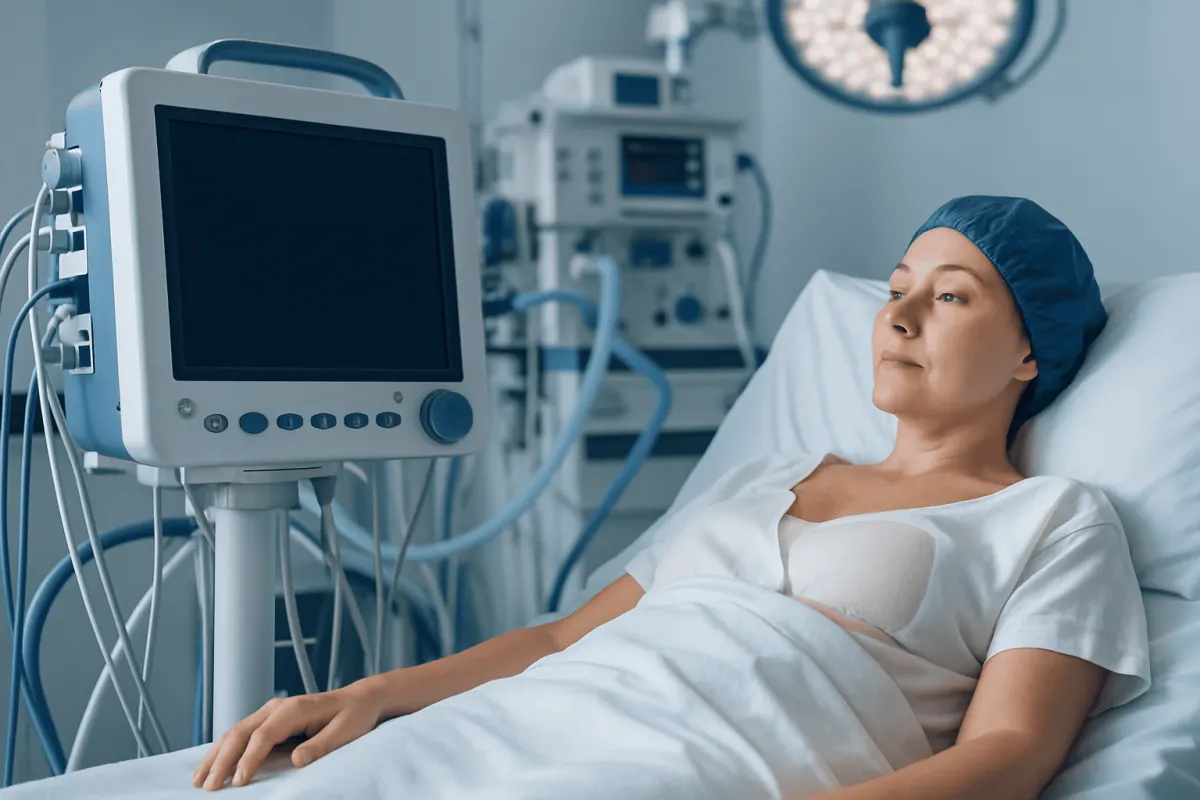
After a breast cancer operation, most people need time for physical healing, emotional adjustment and planning any additional treatment. The recovery timeline varies with the type of surgery, lymph node procedures, reconstruction and individual health needs, but the care team provides clear instructions for each stage.
What happens after a breast cancer operation?
After a breast cancer operation, the first priorities are safe healing, control of discomfort and review of the surgical pathology results. The exact next steps depend on whether the person had breast-conserving surgery (lumpectomy), mastectomy, sentinel lymph node biopsy, axillary lymph node surgery, breast reconstruction, or a combination of procedures.
Many patients return home on the day of a lumpectomy or after a short hospital stay following mastectomy. The surgical team gives individualized advice about dressings, showering, prescribed medicines, activity, arm exercises and follow-up appointments. If drains are placed after mastectomy or reconstruction, patients and caregivers are taught how to empty, measure and record drainage.
Surgery is one part of breast cancer treatment. Once the removed tissue has been examined, the team discusses factors such as tumor size, lymph node findings, surgical margins and tumor biology. These findings help determine whether radiation therapy, hormone therapy, chemotherapy, targeted therapy, immunotherapy or additional surgery may be recommended.
Who is a candidate for breast cancer surgery?
Breast cancer surgery may be recommended for people with invasive breast cancer or ductal carcinoma in situ (DCIS). Its purpose may be to remove the cancer, confirm the extent of disease, evaluate nearby lymph nodes, reduce the risk of recurrence or manage symptoms. The choice between lumpectomy and mastectomy is individualized rather than based on one factor alone.
Breast-conserving surgery may be appropriate when the cancer can be removed with a clear margin while preserving an acceptable amount of breast tissue. It is commonly followed by radiation therapy. Mastectomy may be advised when there is cancer in more than one area of the breast, the tumor is large in relation to breast size, radiation is not suitable, prior radiation has been given, or the individual prefers this option after informed discussion.
The care team considers imaging findings, biopsy results, genetic risk, general health, pregnancy status, previous treatments and personal priorities. Some people receive medication before surgery, called neoadjuvant therapy, to shrink a tumor or assess how it responds to treatment. Related information about diagnosis and management can be found in breast cancer care.
How breast cancer surgery is performed step by step
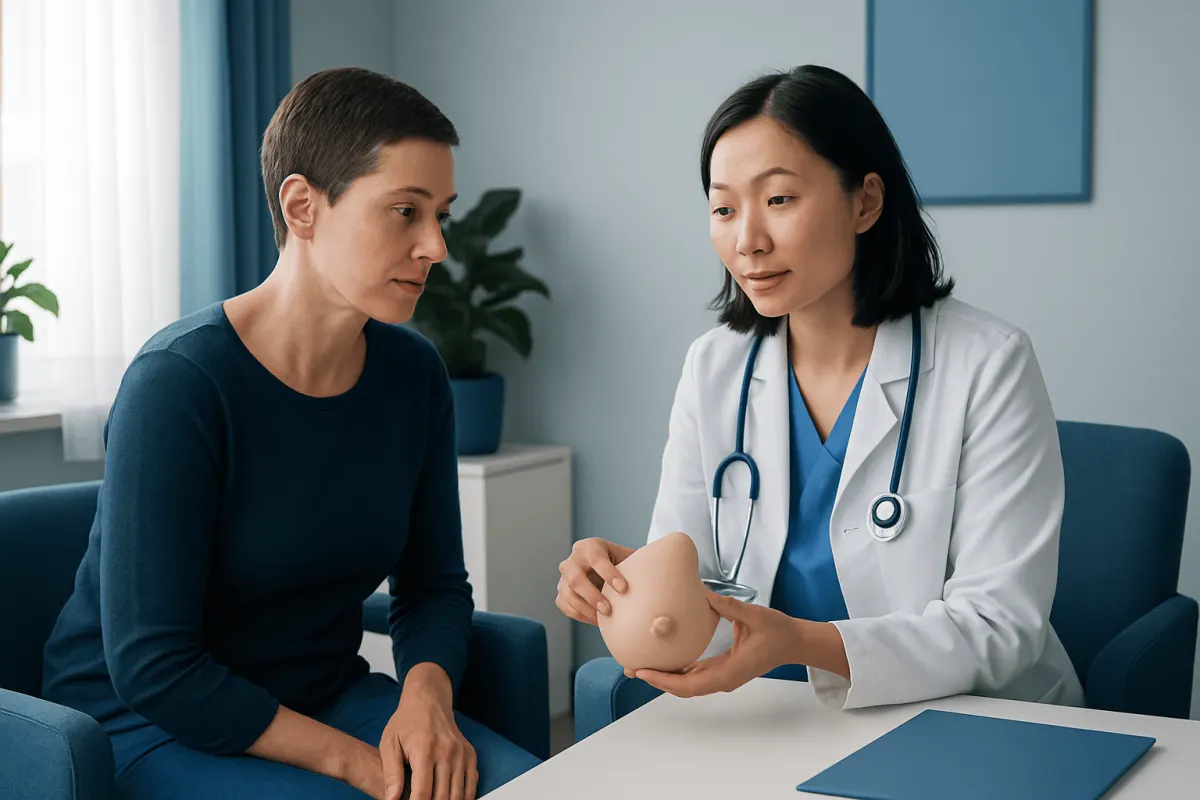
Before surgery, the patient meets the surgeon, anesthesiologist and often members of the breast care team. Imaging may be used to plan the procedure. For a non-palpable lesion, a radiologist may place a localization marker before surgery so the surgeon can accurately identify the area to remove. The patient is usually asked to avoid food and drink for a period before general anesthesia, according to the hospital’s instructions.
During a lumpectomy, the surgeon removes the tumor and a surrounding rim of normal tissue. The specimen is sent to pathology, and the incision is closed. During a mastectomy, breast tissue is removed through an incision tailored to the planned approach. Some people can have skin-sparing or nipple-sparing techniques, but these are only suitable in selected clinical situations.
Sentinel lymph node biopsy may be performed at the same operation. A tracer, dye or both helps identify the first lymph node or nodes likely to receive drainage from the breast. If cancer is found in nodes or there is a known need to remove more nodes, axillary surgery may be considered. Reconstruction can occur at the same time as mastectomy or later, using implants or the person’s own tissue when appropriate.
After the operation, the patient is monitored as anesthesia wears off. The surgeon reviews early recovery instructions and arranges follow-up. Surgical treatment is coordinated with oncology, radiation oncology, radiology, pathology, nursing and rehabilitation services to support a personalized plan.
Recovery timeline after lumpectomy or mastectomy
In the first few days, it is normal to have soreness, swelling, bruising, numbness or a pulling sensation around the incision, chest wall, underarm or upper arm. Tiredness is also common, particularly after general anesthesia. Pain relief should be taken only as advised by the clinical team, and symptoms should gradually become more manageable rather than worsen.
After a lumpectomy without reconstruction, many people resume light daily activities within several days, although tenderness and fatigue may continue for a few weeks. After mastectomy, especially with reconstruction or lymph node surgery, recovery is usually longer. Drains, if present, may stay in place until the amount of fluid decreases sufficiently; the timing varies between patients and procedures.
Over the following weeks, the team may recommend gentle shoulder and arm exercises to restore range of motion. Heavy lifting, strenuous exercise, driving and work duties should be restarted according to the surgeon’s advice. Healing can take longer in people who have diabetes, smoke, have other medical conditions, need extensive reconstruction or develop a wound complication.
Pathology results are commonly discussed at a postoperative appointment. If margins are not clear, further surgery may occasionally be recommended. The team will also explain when other treatments can safely begin. Each person’s recovery plan should take priority over general timelines found online.
How do you feel after breast cancer surgery?
People can feel physically uncomfortable, tired and emotionally unsettled after breast cancer surgery. Physical sensations can include tightness, numbness, sensitivity, swelling or occasional brief nerve-like pains around the breast, chest wall and underarm. These changes often improve with healing, although some numbness or altered sensation may be long-lasting after mastectomy or lymph node surgery.
Emotional responses are equally individual. Relief that surgery is complete may occur alongside worry about pathology results, treatment decisions, appearance, recurrence or the impact on family life. Some people feel sad, angry, less confident or disconnected from their body. These reactions are understandable and do not mean that a person is coping poorly.
Support may include conversations with the breast care nurse, surgeon, oncologist, psychologist, counselor, physiotherapist or a trusted support group. Persistent low mood, severe anxiety, sleep difficulties or distress that affects everyday life should be shared with a healthcare professional, as effective help is available.
How long after a lumpectomy is radiation?
Radiation therapy after lumpectomy usually begins once the incision has healed adequately and the treatment plan is complete. For many patients, this is several weeks after surgery, but the timing can vary. It may be later if chemotherapy is needed first, if there are healing concerns, or if additional surgery is required after pathology review.
Radiation is commonly recommended after breast-conserving surgery because it lowers the chance of cancer returning in the treated breast. A radiation oncologist uses the pathology report, imaging, lymph node status, age, overall health and other treatments to recommend the most suitable approach. The schedule and treatment area are individualized.
Patients should ask their oncology team about the expected sequence of treatment rather than assuming a fixed date. If the breast becomes increasingly red, swollen, painful or develops drainage before radiation planning, the surgical team should assess the area first.
How does a mastectomy affect intimacy?
A mastectomy can affect intimacy in physical and emotional ways. Changes in chest sensation, scars, numbness, tenderness, fatigue and worries about body image may influence comfort and sexual confidence. If reconstruction is performed, the recovery process and changes in appearance or sensation can also take time to adjust to.
There is no expected timeline for feeling ready for intimacy. A person should wait until the surgical team confirms that healing is sufficient and should avoid pressure on painful areas or surgical sites. Open communication with a partner about comfort, preferences and concerns can help intimacy feel safer and less rushed.
Support from a breast care nurse, counselor, psychosexual therapist or rehabilitation professional can be valuable. The care team can also address vaginal dryness, menopausal symptoms, medication effects, pain and other factors that may affect sexual wellbeing during breast cancer treatment.
What to do after breast cancer surgery and when to seek medical care
After breast cancer surgery, patients should follow their discharge plan, attend follow-up appointments and take medicines as directed. Keeping the incision clean and dry according to instructions, wearing a supportive garment if recommended, recording drain output and gradually returning to activity can help recovery. Gentle prescribed exercises may reduce stiffness, but strenuous movement should not be resumed until approved by the surgical team.
It is helpful to prepare questions for the postoperative visit. Important topics include pathology results, margin status, lymph node findings, wound healing, return to work or driving, arm mobility, reconstruction follow-up and the next oncology treatments. Patients should also tell the team about ongoing pain, significant fatigue, swelling or emotional concerns.
Medical advice should be sought promptly for fever, worsening redness or warmth around the incision, pus-like drainage, increasing swelling, uncontrolled pain, opening of the wound, sudden arm swelling, shortness of breath, chest pain or feeling faint. These symptoms do not always indicate a serious problem, but they need timely assessment.
Acıbadem Health Point’s multidisciplinary specialists and JCI-accredited hospitals support international patients through breast cancer diagnosis, surgery, recovery and coordinated oncology care. A qualified breast surgeon and oncology team can provide advice tailored to the individual’s pathology and recovery needs.
Frequently asked questions
01How long does it take to recover after breast cancer surgery?
Recovery depends on the operation performed, whether lymph nodes were removed, whether reconstruction was done and the person's overall health. Light activities may be possible within days after a lumpectomy, while mastectomy and reconstruction commonly require a longer recovery period. The surgeon can give the safest timeline for work, exercise, driving and lifting.
02How do you feel after breast cancer surgery?
Soreness, fatigue, swelling, bruising, tightness and numbness can occur after surgery. People may also experience relief, worry, sadness or uncertainty while waiting for results and adjusting to body changes. Persistent or worsening physical symptoms and emotional distress should be discussed with the care team.
03How long after a lumpectomy is radiation?
Radiation typically starts after the surgical wound has healed and the treatment plan is finalized. This is often several weeks after surgery, but chemotherapy, healing issues or further surgery can change the sequence. A radiation oncologist will explain the recommended timing for the individual case.
04How does a mastectomy affect intimacy?
Mastectomy may change chest sensation, body image and comfort with touch, which can affect intimacy temporarily or longer term. There is no right pace for resuming sexual activity; healing, comfort and emotional readiness matter. Counseling and specialized sexual wellbeing support can help patients and partners navigate these changes.
05What should a person do after breast cancer surgery?
They should follow the surgical team's instructions for wound care, medicines, drain management, movement and follow-up. They should attend appointments to review pathology results and discuss any further treatment. It is important to contact the care team about fever, increasing redness, wound drainage, severe pain, sudden swelling or breathing symptoms.
06Will I need more treatment after breast cancer surgery?
Some people need additional treatment, while others do not. The decision is based on the final pathology report, cancer type and stage, lymph node findings, surgical margins and tumor biomarkers. Possible treatments include radiation therapy, hormone therapy, chemotherapy, targeted therapy or immunotherapy.
This article is for general information only and is not a substitute for professional medical advice. Please consult a qualified doctor about your individual situation.
Oncology care in Turkey — second opinion and treatment plan
JCI-accredited · board-certified surgeons · reply within 24h
Add us as a Preferred Source to see more of our trusted health content across Google Search, AI Overviews and Discover.