Adductors: Anatomy, Function and Exercises

Key Takeaways
- The adductors help bring the leg toward the body and support hip stability.
- Pain in the inner thigh or groin can come from a muscle strain, tendon irritation, or another hip or pelvic problem.
- Diagnosis usually relies on a physical examination and, when needed, imaging to clarify the cause.
- Treatment often includes activity modification, pain control, and a structured rehabilitation plan.
- A slow return to running, cutting, kicking, or twisting movements helps reduce the chance of reinjury.
The adductors are a group of muscles along the inner thigh that help stabilize the hip and control leg movement. When they are strained or irritated, pain can affect walking, sports, and everyday movement, but most cases improve with the right diagnosis and gradual rehabilitation.
Overview
The adductors are a group of muscles on the inner side of the thigh. Their main job is to move the leg inward and help keep the pelvis steady when a person walks, changes direction, stands on one leg, or pushes off during sport.
Because they are involved in so many everyday and athletic movements, the adductors can become overloaded. A person may notice inner thigh tightness, groin discomfort, or pain during activities that ask the hip to generate force quickly, such as sprinting, kicking, skating, or sudden side-to-side movement.
Not every groin pain problem is an adductor issue. The region is shared by muscles, tendons, hip joints, nerves, and pelvic structures, so a careful evaluation matters. For international patients deciding whether to travel for care, getting the diagnosis right at the start can save time and prevent months of trial-and-error treatment.
Symptoms
Adductor problems often feel like a pull, ache, or sharp pain along the inner thigh or near the groin crease. The discomfort may appear suddenly during sport or develop gradually after repeated loading. Some people can still walk normally, while others notice pain when getting in and out of a car, climbing stairs, or turning in bed.
Common symptoms include:
- Inner thigh or groin pain, especially with squeezing the legs together
- Tenderness when pressing on the muscle or tendon
- Stiffness after rest or first thing in the morning
- Pain during running, kicking, lunging, or changing direction
- Reduced strength or a feeling that the leg is not fully reliable
Symptoms can range from mild irritation to a more significant strain. Ongoing pain, clicking in the hip, numbness, swelling, or pain that spreads beyond the inner thigh deserves medical assessment, because these features can point to another cause.
Causes & Risk Factors
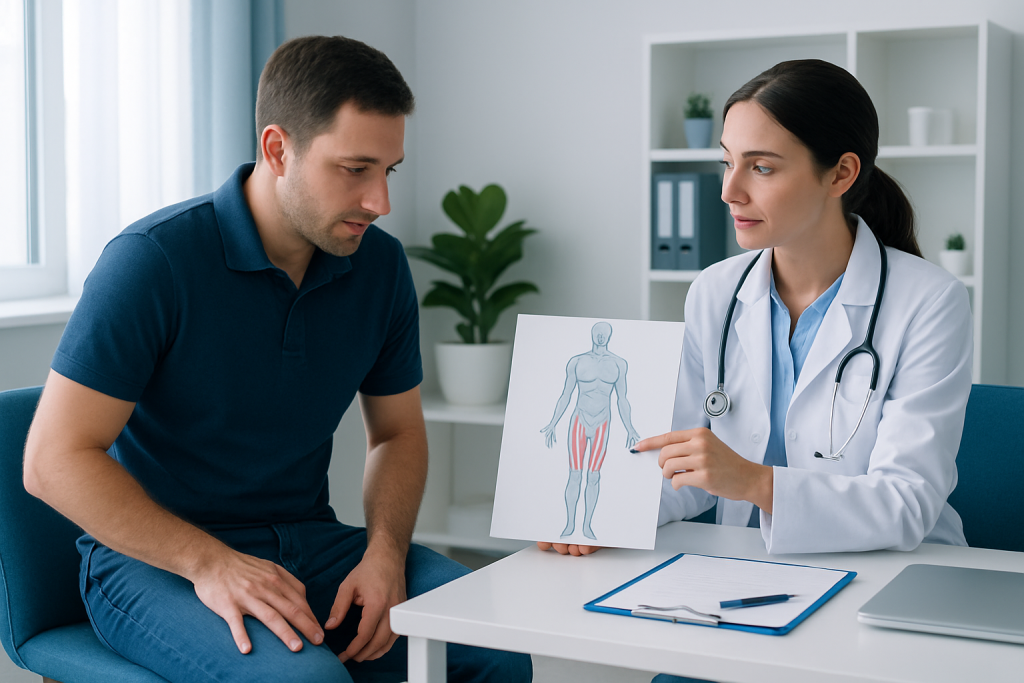
Most adductor injuries happen when the muscles are stretched and loaded at the same time, especially during fast sports movements. A sudden acceleration, an awkward step, or a forceful kick can overload the muscle fibers or the tendon where they attach near the pelvis.
Several factors can increase risk. These include limited hip mobility, weak core or gluteal muscles, reduced training balance, fatigue, a history of groin injury, and rapid increases in training volume. Sports such as football, hockey, rugby, martial arts, and sprint-based running often place higher demands on the adductors.
In some people, the problem is not a single strain but long-term tendon irritation, muscle imbalance, or an underlying hip condition that keeps stressing the inner thigh. That is one reason specialists look at the whole movement pattern, not only the painful spot.
Diagnosis
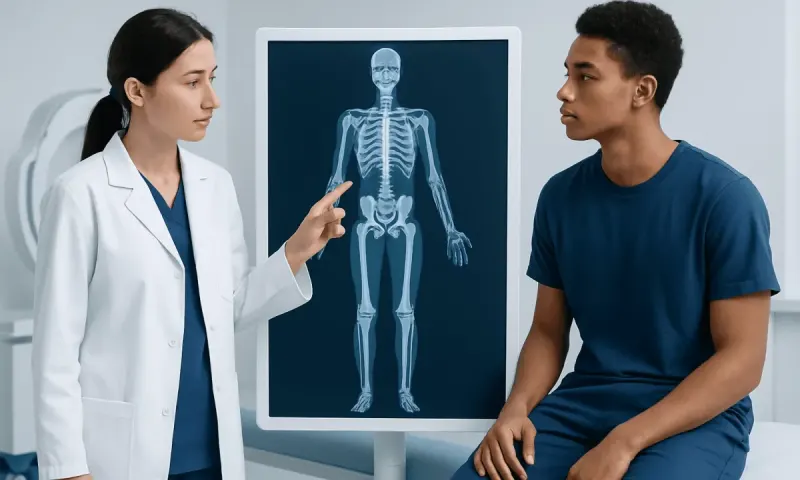
Diagnosis usually begins with a detailed discussion of how the pain started, what movements worsen it, and whether the person can continue normal activity. A clinician will then examine the hip, groin, pelvis, and lower back to see which structures reproduce the pain.
Physical examination may include gentle resistance testing, stretching the adductors, checking range of motion, and assessing walking, balance, and sport-specific movement. These steps help distinguish a simple muscle strain from tendon problems, hip joint irritation, stress injury, or other causes of groin pain.
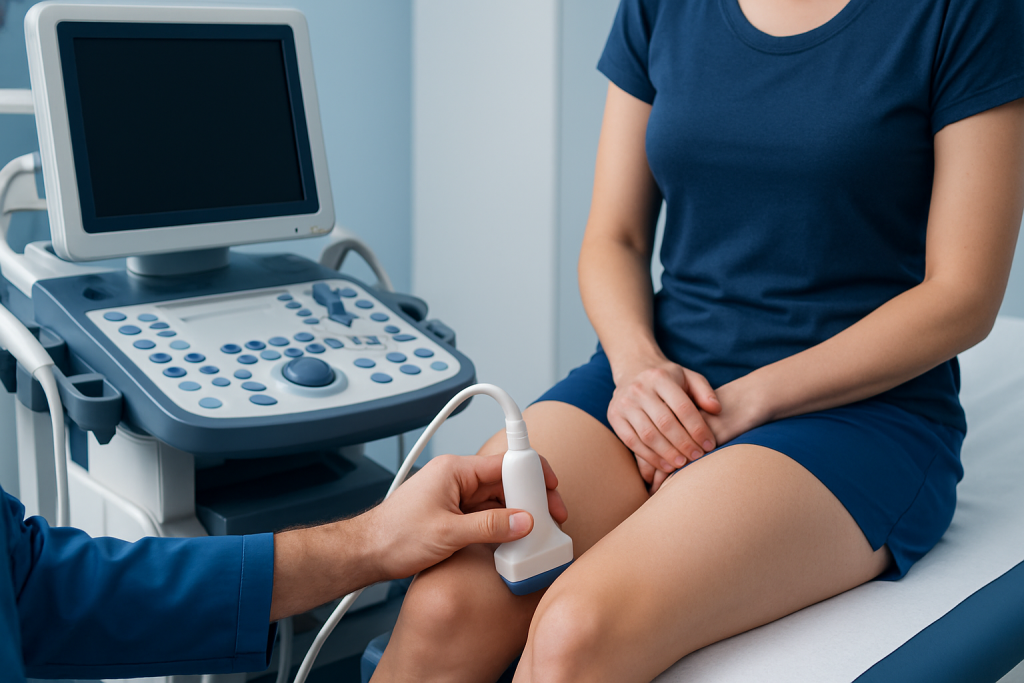
Imaging is sometimes useful. Ultrasound can show some soft tissue injuries, while MRI may be recommended if symptoms are persistent, severe, or unclear. In a well-planned international care journey, this type of targeted assessment can help a patient arrive, complete evaluation efficiently, and leave with a clearer rehabilitation plan.
Treatment Options
Treatment depends on how irritated or injured the adductors are, but the first step is usually to reduce the activities that trigger pain. Complete rest is not always necessary; instead, clinicians often recommend relative rest, which means avoiding painful movements while keeping the body as active as tolerated.
Pain relief may involve cold packs early on, followed by heat or other comfort measures later if appropriate. A rehabilitation program commonly includes gradual strengthening, mobility work, and exercises that restore control through the hip and pelvis. This progression is important because muscles recover best when they are challenged in a measured way rather than rushed back to full effort.
In more persistent cases, treatment may also include physiotherapy, manual techniques, biomechanical assessment, and sport-specific retraining. Surgery is rarely needed for adductor strains, but may be considered if there is a significant tear, another structural problem, or repeated injury that has not improved with conservative care.
Prevention & Self-care
Recovery is not only about calming pain; it is also about rebuilding capacity. A person returning to sport or busy daily activity should increase load step by step, especially for movements that involve sprinting, cutting, or kicking. Trying to “test” the injury too early often slows the process.
Helpful self-care habits include:
- Follow the clinician’s advice on activity limits and exercise progression
- Warm up before exercise and avoid sudden training spikes
- Work on hip, glute, and core strength as advised
- Keep mobility balanced without forcing painful stretches
- Use supportive footwear and proper technique during sport
For people traveling from another country, planning follow-up matters as much as the first appointment. A clear home-exercise plan, guidance on when to resume travel, and a way to share progress with the treating team can make recovery smoother and safer.
When to See a Doctor
Medical evaluation is sensible when inner thigh or groin pain lasts more than a few days, returns repeatedly, or limits walking, sport, or sleep. It is also worth seeking care if the pain began with a clear injury, there is visible swelling or bruising, or the leg feels weak when pushing off.
A doctor should assess the area sooner if the person has fever, significant abdominal pain, numbness, a lump in the groin, pain after a fall, or difficulty bearing weight. These signs do not necessarily mean something serious, but they do suggest the need for prompt examination to rule out other conditions.
Acibadem Health Point offers multidisciplinary specialists and JCI-accredited hospitals that diagnose and treat adductor and groin-related conditions for international patients, with coordinated evaluation and follow-up when needed. That kind of team approach can be especially helpful when the cause of pain is not obvious at first glance.
Living With Recovery
Most adductor problems improve, but the pace varies depending on the severity of the injury and how long symptoms have been present. Progress is often uneven: a person may feel better during ordinary walking, then notice discomfort again when returning to sport-specific drills. This is normal and usually means the tissue needs more gradual loading, not that recovery has failed.
Staying in touch with the treating clinician helps adjust the plan based on symptoms, strength, and function. For travelers, it is useful to leave with a written outline of next steps, warning signs, and a realistic timeline for activity changes. That makes it easier to continue recovery after returning home and to know when additional review is needed.
With accurate diagnosis, patient education, and measured rehabilitation, many people regain comfortable movement and return to their usual routine without ongoing limitations.
Frequently asked questions
01What are the adductors in simple terms?
The adductors are muscles on the inner thigh that help bring the leg toward the body. They also help stabilize the hip during walking, running, and changes in direction.
02How can someone tell if groin pain is an adductor strain?
Adductor strain often causes pain along the inner thigh or near the groin, especially when squeezing the legs together or moving quickly. A clinician can confirm the likely source by examining the hip and surrounding area.
03Should a person keep exercising with adductor pain?
Light activity may be possible if it does not worsen pain, but movements that trigger symptoms should usually be reduced at first. A gradual, guided return is safer than pushing through discomfort.
04How long does recovery usually take?
Recovery time depends on how severe the injury is and whether the pain is recent or long-standing. Mild problems may settle sooner, while more persistent strains or tendon irritation often need a longer rehabilitation period.
05Can adductor pain come from something other than the muscle?
Yes. Pain in this area can also come from the hip joint, tendon attachments, the lower abdomen, or other pelvic structures. That is why a full assessment is important when symptoms are ongoing or unclear.
06What helps prevent adductor injuries from coming back?
A steady warm-up, good hip and core strength, balanced training, and gradual increases in sport load can all help. Returning to full-speed movement only after strength and control have improved also lowers the risk of repeat injury.
This article is for general information only and is not a substitute for professional medical advice. Please consult a qualified doctor about your individual situation.
Joint and spine care in Turkey — expert assessment & treatment
JCI-accredited · board-certified surgeons · reply within 24h
Add us as a Preferred Source to see more of our trusted health content across Google Search, AI Overviews and Discover.